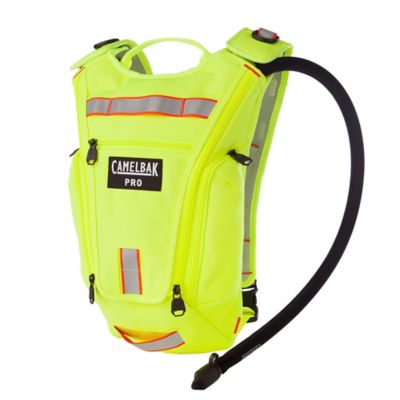
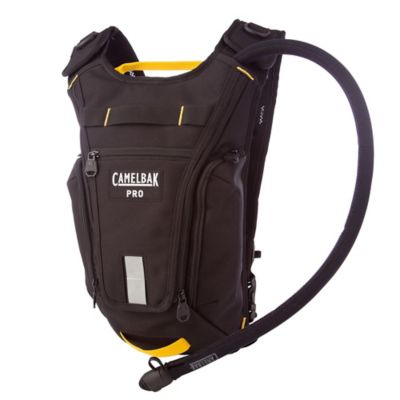
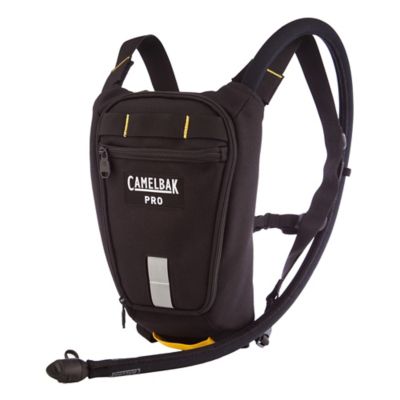
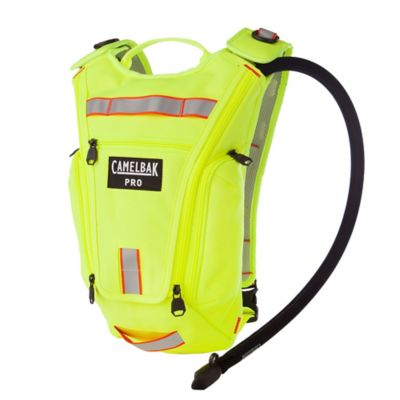
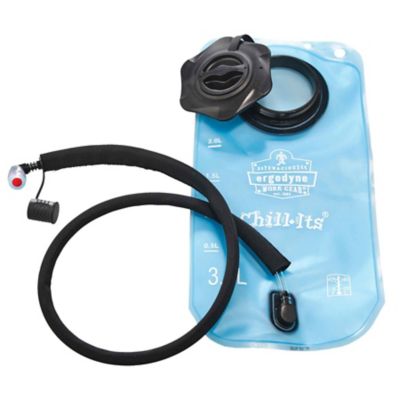
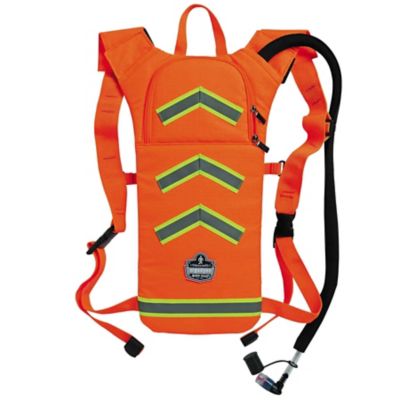
Hydration packs for hiking carry drinking water close to the body and put it within reach through a hose and bite valve, so taking a sip does not have to mean stopping to unpack a bottle. Most designs pair a backpack with a removable water reservoir, sometimes called a bladder, tucked into a dedicated sleeve. Some packs include the reservoir, while others are hydration-compatible and require a separate one, making that distinction worth checking in the product details. This setup suits everything from a short walk on a wooded loop to a long climb along a rocky ridge, with different sizes offering room for different loads. Compact hydration backpacks keep the focus on water and a few essentials; larger daypacks add space for lunch, a first-aid kit, a map, and layers for changing conditions. Water capacity and gear capacity are separate measurements, even though both commonly appear in liters. A pack described as having 20 liters of storage does not necessarily include a 20-liter reservoir, and the reservoir sleeve may only fit certain sizes. Reservoirs around 1 to 3 liters are common in hiking packs, but the right amount of water depends on the route, weather, effort, personal needs, and access to safe refills. A small reservoir may suit a brief outing near home, while a longer stretch between water sources calls for more carrying capacity and a refill plan. A reservoir carries water; it does not make creek or spring water safe to drink without appropriate treatment. Water also adds noticeable weight: one liter weighs about 2.2 pounds before the pack and other gear enter the picture. That makes a comfortable carrying system just as important as the reservoir size. For hikers moving from rolling pasture edges into steeper timber trails, a pack that holds the load close can feel steadier than one that lets water and gear shift with every step. Easy hose access is especially handy when hands are occupied with trekking poles or keeping balance on uneven ground.
Materials and fit shape how a hiking hydration pack feels after the first mile and how well it stands up to repeated outings. Nylon and polyester are common pack fabrics, with heavier panels often placed where the bag meets the ground or rubs against equipment. Ripstop construction can help limit the spread of a small tear, although no fabric is immune to sharp branches, barbed wire, or rough rock. Reinforced stitching, protected seams, and sturdy zipper pulls are useful details for hikers who regularly set a pack down beside a trail or haul it in the truck between trips. Water-resistant fabric can shed light moisture, but that is not the same as a waterproof bag; sustained rain may call for a rain cover or separate protection for clothing and electronics. Inside, flexible reservoirs commonly feature plastic films designed for drinking-water contact, while hoses, seals, and bite valves need to work together without leaking. Wide openings can make filling and cleaning easier, and a hose connection that detaches may simplify removing the reservoir from its sleeve. On the outside, padded shoulder straps, an adjustable sternum strap, and a hip belt help keep the pack settled. A substantial, well-fitted hip belt can transfer some of a heavier load to the hips, while a simple webbing belt mainly helps control sway. Torso length matters more than a person's height alone, and packs with adjustable suspension offer more room to fine-tune where the shoulder straps and belt sit. The fit should remain comfortable over a light shirt as well as an extra layer during cooler months, without straps digging into the neck or the bag bouncing against the lower back. Mesh back panels and airflow channels can reduce the amount of fabric resting directly against the back, though they cannot eliminate sweat. Compression straps help snug down a partly filled pack, and accessible pockets keep small necessities from disappearing beneath a jacket. A secure hose clip is another practical touch, keeping the drinking tube from swinging into brush or slipping out of reach.
The most useful features are often the ones that match an ordinary day outside. A hiker following a familiar county park trail may want a slim pack with space for keys, a phone, and a light shell, while someone spending hours on an exposed ridgeline may need a larger compartment for insulation, food, navigation supplies, and emergency essentials. Separate pockets help keep those necessities organized, and exterior attachment points can carry trekking poles when the terrain levels out. Reservoir shape, hose routing, and sleeve dimensions also matter when replacing a bladder or moving one between bags; matching capacity alone does not guarantee a proper fit. Care is part of keeping the whole system ready for the next outing. Manufacturer directions should guide washing, particularly for reservoirs with specific cleaning or dishwasher limits. In general, emptying the reservoir after a trip, cleaning the drinking components as directed, and allowing the bladder, hose, and valve to dry fully help prevent lingering odors and buildup. Sweetened drink mixes can leave residue, so they may call for extra attention and should only go into systems approved for them. The pack itself often needs little more than loose dirt brushed away and spot cleaning according to its care label. Before heading back out, a quick check of the cap, hose connections, and bite valve can catch a drip before it wets a spare shirt. During freezing weather, water in an exposed hose or valve can freeze before the water inside the pack; insulated components can help slow that process but do not guarantee uninterrupted flow. For folks whose time outside also includes walking property lines or riding gravel roads,
Hydration Packs for Outdoor Activities offers a broader category beyond hiking. A hydration backpack can also make a practical gift for a regular trail walker or someone getting into longer day hikes, especially when its fit, water capacity, and storage space match the outings they enjoy.