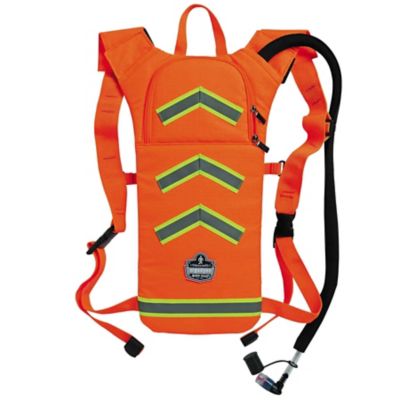
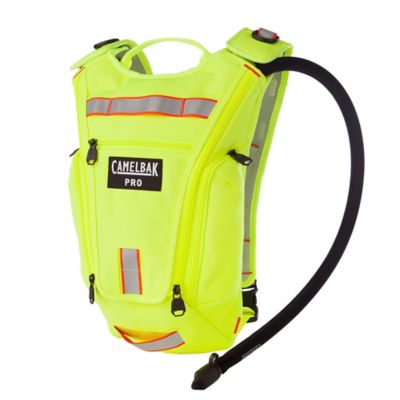
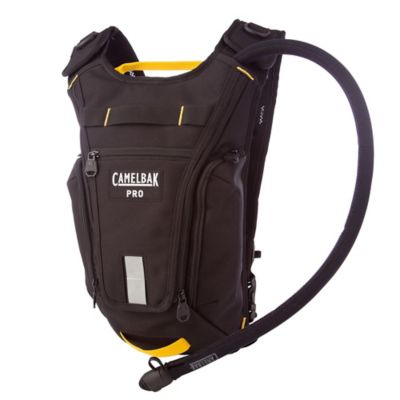
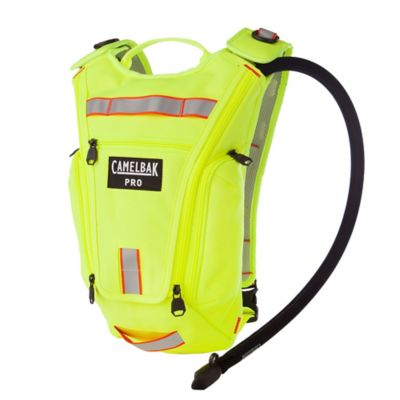
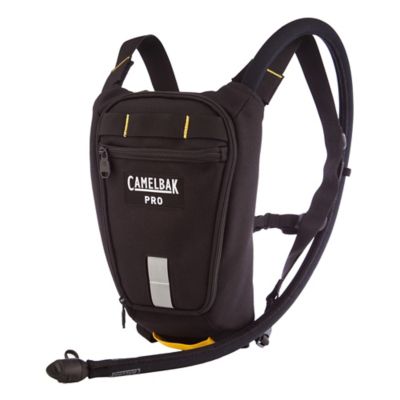
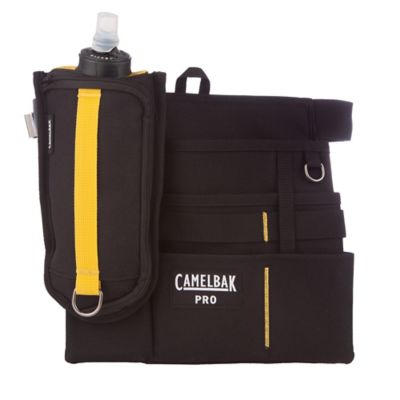
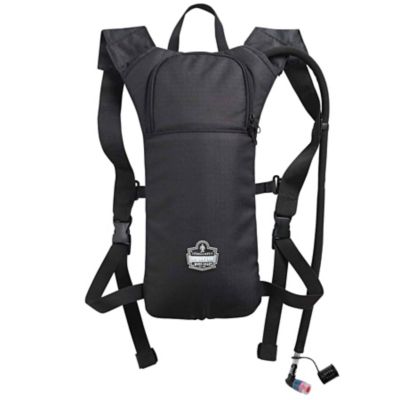
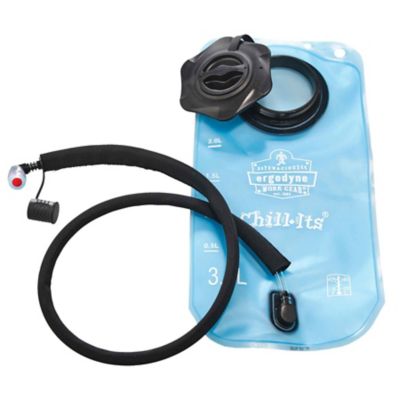
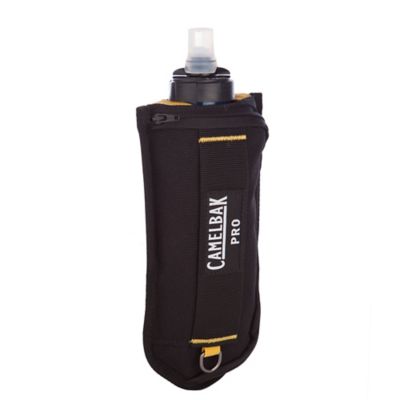
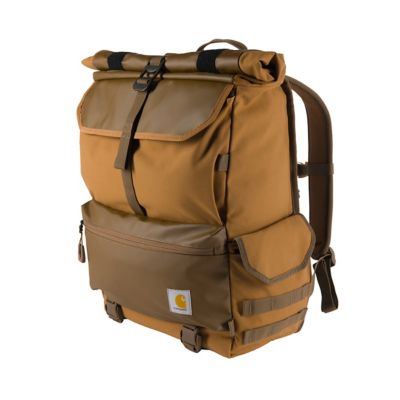
Hydration packs for cycling keep drinking water close while leaving room for the small essentials that go along on a ride. A reservoir holds the water inside the pack, and a drinking tube routes over the shoulder or around the waist to a bite valve within reach. That setup can be handy on a gravel-road loop, a winding trail, or a commute where reaching a frame-mounted bottle feels awkward. Cycling hydration backpacks, close-fitting vests, and waist packs offer different ways to carry that load. A slim backpack suits riders who want water and a little storage without much extra weight, while a vest spreads the load across more of the torso. Waist packs keep the shoulders clear, though their water capacity, storage space, and drinking arrangements vary. Reservoir capacities commonly fall between 1.5 and 3 liters, with smaller sizes suited to shorter outings and larger sizes offering more carrying capacity for longer routes between refill stops. Those numbers describe what the reservoir holds, not how much every rider needs to drink. Ride length, effort, individual needs, and access to drinking water all matter. Water also adds noticeable weight: each liter weighs about 2.2 pounds before the reservoir, pack, or other gear enters the picture. A larger reservoir gives a rider room to carry more without requiring a full fill for every trip down the road. Cargo space is a separate consideration, since the pack also needs room for anything traveling alongside the water. A compact setup may hold a phone, keys, and a snack, while a roomier design can accommodate repair gear and other essentials for a longer stretch away from home. Road riders often favor a narrow profile, gravel riders may want a balance of storage and stability, and mountain bikers tend to value a close fit over rough ground. The right capacity leaves enough room for the ride without turning a simple evening loop into a load-hauling job.
Fit makes a big difference once the wheels start rolling. A cycling hydration pack should settle comfortably against the body in a riding position, not just feel good while standing beside the bike. Adjustable shoulder straps, chest straps, and waist belts can help keep the load from shifting when a rider pedals out of the saddle or works through a rough stretch. Some designs offer torso-length adjustments or different harness sizes, which can make a difference for shorter riders, longer torsos, and narrower shoulders. A secure fit should still allow a full breath and easy movement through the shoulders. Helmet clearance matters, too, especially when looking ahead from a low position over the handlebars. Loose strap ends need somewhere to tuck away rather than flap beside the rider. Pack construction also affects comfort over the miles. Nylon and polyester shells are common, and ripstop weaves, reinforced attachment points, and protected seams can help the fabric stand up to repeated handling and brush along a trail. Breathable mesh and shaped back panels can create space between the pack and a jersey, although the amount of contact depends on the design. Water-resistant fabric alone does not make an entire pack waterproof, particularly around openings and seams. Inside, separate compartments can keep a repair tool from pressing against the reservoir and give smaller belongings a place to stay put. External compression straps help draw a partial load closer to the body, reducing the shifting that can become distracting on uneven ground. Easy-to-reach pockets are handy for a snack at a stop, while a dedicated key clip saves rummaging around at the end of the ride. Hose routing deserves a look as well: clips or magnetic keepers can hold the bite valve near the chest and keep excess tubing from swinging around. Drinking should never take attention away from steering, braking, or the ground ahead. Reflective accents may add visibility, but they do not take the place of proper bicycle lights or other riding safety equipment.
Reservoir design can make everyday filling and cleanup much less of a chore. Wide screw-cap openings and slide-top closures provide different kinds of access, with larger openings generally making it easier to reach inside for cleaning. A removable reservoir lets the pack and water container dry separately, and a compatible quick-disconnect hose can simplify removal without pulling the whole tube through the harness. Bite valves with shutoffs help control drips when the pack is set down or carried in a vehicle, though each connection still needs to be fully seated before a ride. Reservoir materials vary; flexible polyurethane and polyethylene-based films are common, so care directions should come from the reservoir maker rather than assumptions about the outer bag. Regular rinsing, thorough cleaning, and complete air-drying help prevent lingering tastes and residue. Drink mixes can leave more behind than plain water, making prompt cleaning especially important after a ride. Tubes and valves need attention along with the main reservoir, and components should only go in a dishwasher when the maker specifically permits it. The pack itself may call for gentle spot cleaning instead of machine washing, particularly around padding and coated fabrics. Before heading out, a quick check of the seams, cap seal, hose connections, and valve can catch a leak before water reaches the rest of the load. Replacement reservoirs, hoses, and valves also need to match the pack’s dimensions and connection system. For someone choosing a gift for a cyclist, knowing their usual ride length, preferred carrying style, and torso fit is more helpful than simply choosing the biggest bag. Riders who also walk trails or spend time away from the bike can compare broader carrying styles among
Hydration Packs for Outdoor Activities. For cycling, the strongest match is a pack that carries enough water, holds the essentials securely, and stays comfortable from the first pedal stroke to the last stretch back home.