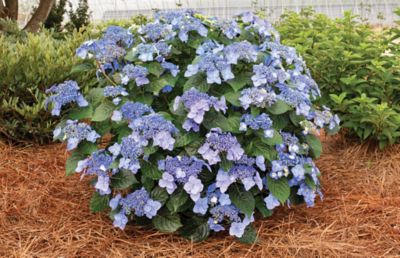
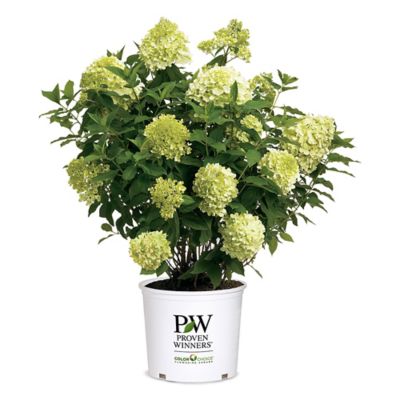
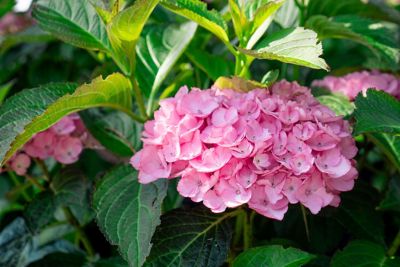
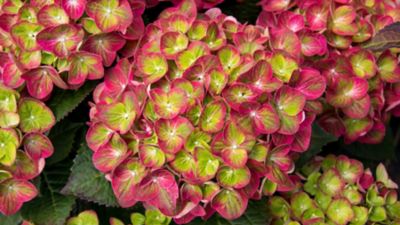
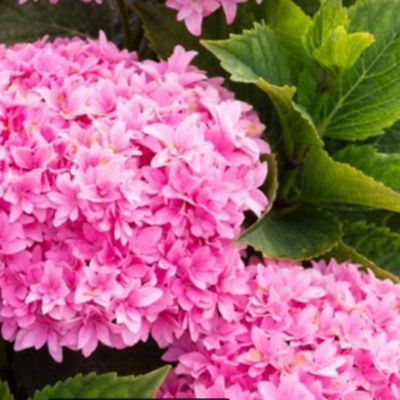
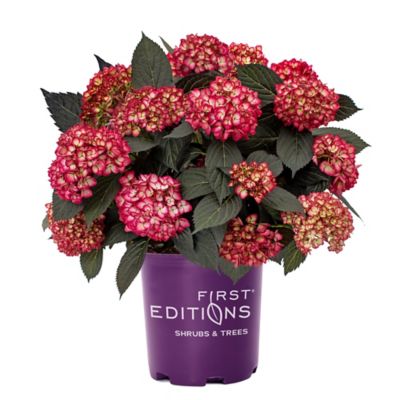
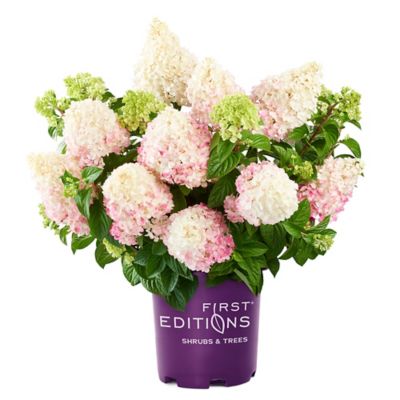
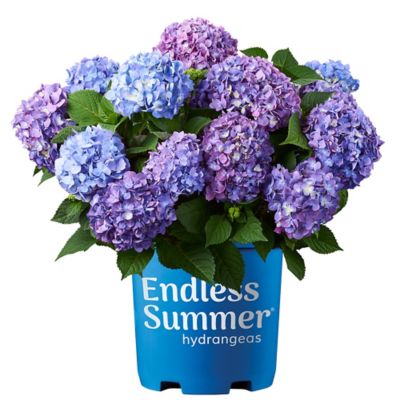
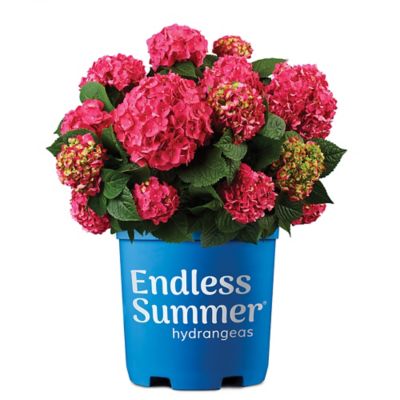
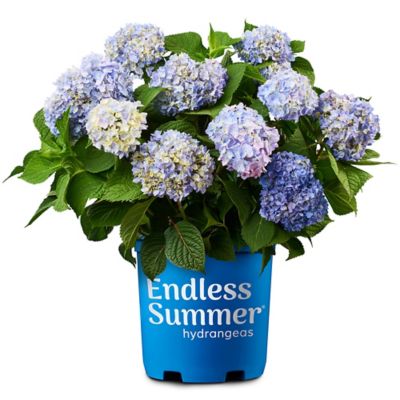
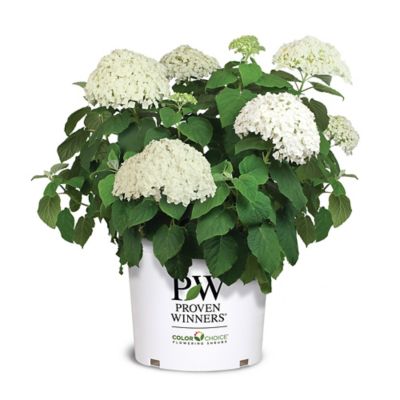
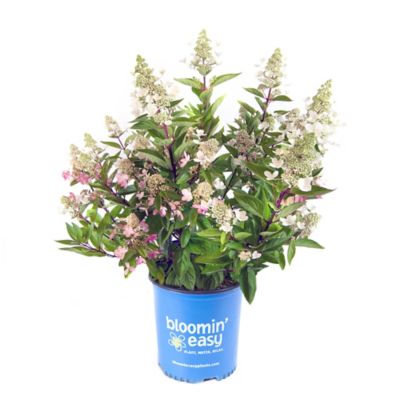
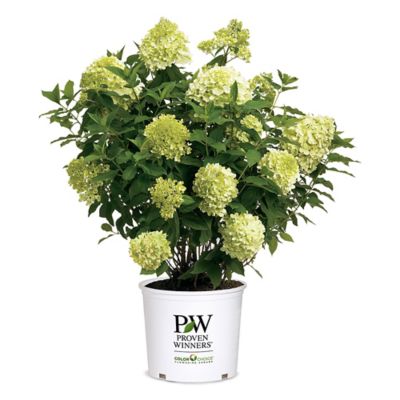
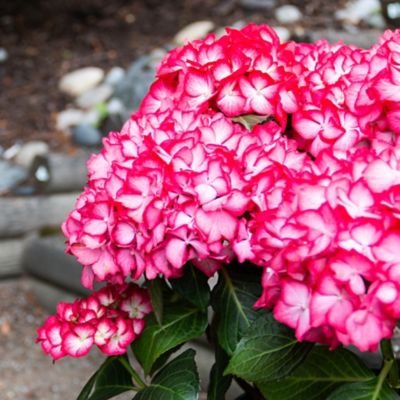
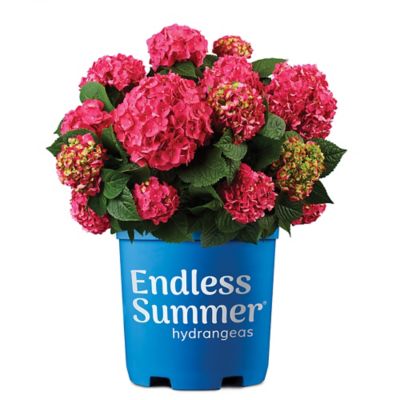
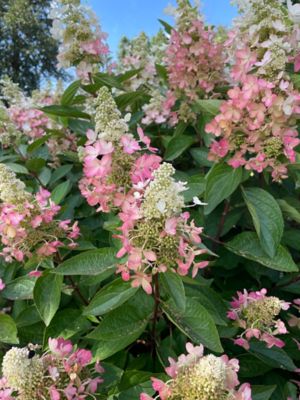
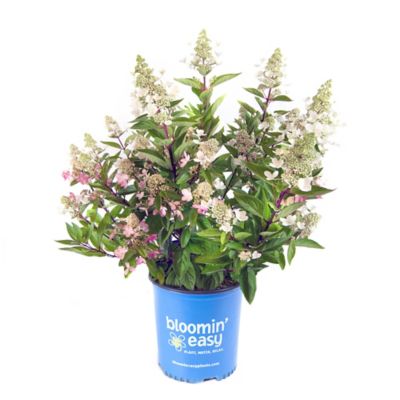
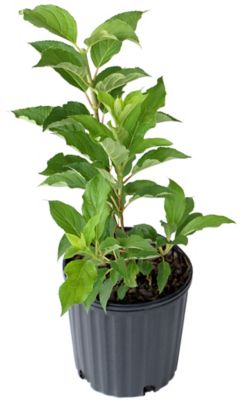
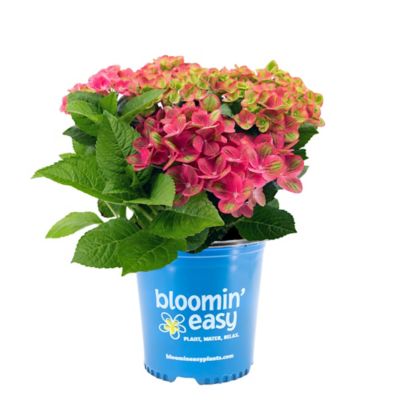
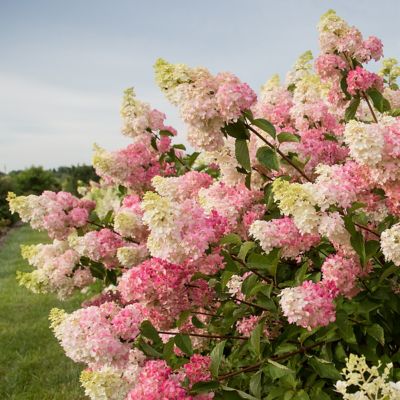
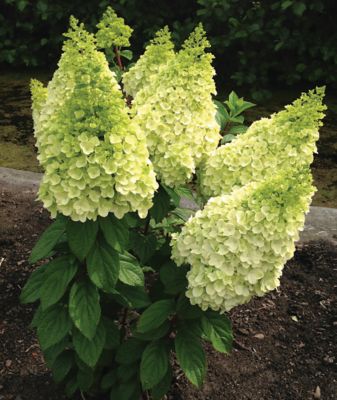
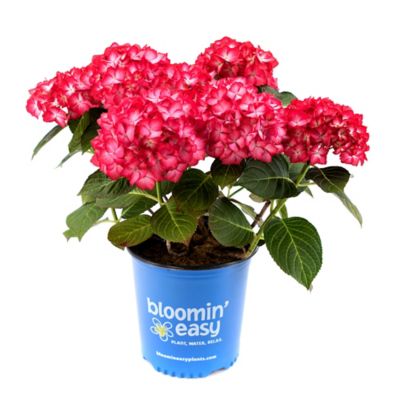
Hydrangea plants for fall planting bring the promise of broad leaves, generous flower clusters and a settled-in look around the house, along a fence or beside a garden gate. Fall can be a good planting window because soil often holds enough warmth for root growth after the air begins to cool, giving shrubs time to settle before winter. That advantage depends on local conditions: aim to plant about six weeks before the first expected hard frost, while the ground is workable and regular watering is still practical. A hydrangea chosen in fall may have fading flowers, changing leaves or bare stems rather than a full canopy of blooms. Those changes can be part of its normal move toward dormancy, not a sign that it lacks promise for the next growing season. For a lasting fit, look beyond flower color to the plant’s mature height, spread and USDA hardiness zone. A compact shrub can suit a bed beside porch steps, while a larger hydrangea needs room to fill out without crowding a walkway or covering a low window. Panicle hydrangeas have cone-shaped flower clusters and generally handle more sun than many other types, provided moisture is adequate. Bigleaf hydrangeas include rounded mophead and flatter lacecap forms, often suited to morning sun with shelter from strong afternoon heat. Oakleaf hydrangeas add deeply lobed foliage that can turn burgundy or russet in fall, along with peeling bark on older stems. Smooth hydrangeas offer another flowering shrub option, with rounded clusters and forms suited to mixed borders. Cold tolerance, bloom timing and growth habits vary within these groups, so the plant label matters more than a broad assumption about all hydrangeas. For a homeowner filling a foundation bed or a gardener adding flowering shrubs along the yard’s edge, the best match is a plant that suits the space at full size, not just the pot it comes in.
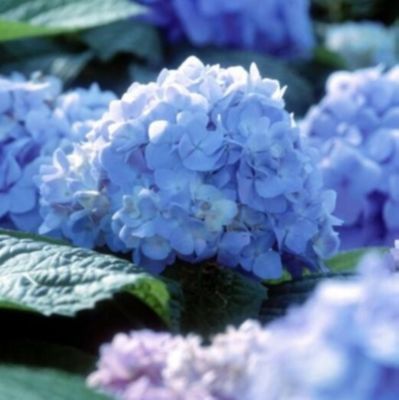
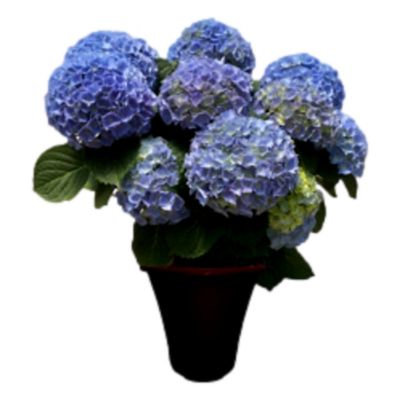
The planting spot has a lot to do with how a hydrangea performs over time. Morning sun and afternoon shade make a useful starting point for many hydrangeas, especially where summers are hot, but light needs depend on the type and the region. A bed on the east side of a house may offer gentler light than an exposed stretch beside a metal barn or gravel drive, where reflected heat can increase water demand. Soil should hold moisture without staying waterlogged; a low patch that collects runoff or a downspout that empties into the planting hole can leave roots too wet. Loose, fertile soil with organic matter supports root growth, while heavily compacted ground deserves attention before a shrub goes in. When comparing hydrangea plants, consider the root ball and container size alongside the listed mature dimensions. A larger nursery pot does not remove the need for establishment care, and a smaller plant can still grow into a substantial shrub. Planting space should accommodate a hole roughly twice as wide as the root ball and no deeper than the root ball itself, with the point where the stems meet the roots at surrounding soil level. That broad, shallow opening gives roots room to spread without burying the crown. Flower color also deserves a closer look. Some bigleaf and mountain hydrangeas can produce blue or pink flowers depending on soil chemistry and aluminum availability, but changing soil pH does not change every hydrangea’s color. White-flowering types generally do not turn blue simply because the soil becomes more acidic. A soil test is a sensible starting point before adding amendments. For porch-side containers, compact growth habits, ample root space and unobstructed drainage holes matter most. Containers also expose roots to greater temperature swings than garden soil, so a hydrangea suited to the local zone in the ground may need extra winter protection in a pot. The weight of a filled planter matters, too, particularly if it must move to a sheltered spot.
Care after fall planting is mostly about steady moisture, protected roots and leaving the right stems in place. A thorough watering at planting helps settle soil around the roots, and follow-up watering should reflect rainfall and actual soil moisture rather than a fixed calendar. Check beneath the surface near the root ball; damp soil is the goal, not standing water. Even after leaves drop, a newly planted shrub may need water during dry spells until the ground freezes. A two- to three-inch layer of shredded bark or another organic mulch helps conserve moisture and moderate soil temperature. Keep that layer a few inches away from the stems instead of piling it against the base. Heavy fertilizer applications are generally unnecessary at planting, particularly when they encourage tender growth close to winter. Pruning calls for more care than simply cutting every stem back once flowers fade. Many bigleaf and oakleaf hydrangeas carry next season’s flower buds on older stems, so heavy autumn pruning can remove future blooms. Panicle and smooth hydrangeas generally flower on new growth and are commonly pruned in late winter or early spring. Reblooming forms have their own habits, making the care label worth keeping with the garden records. Dried flower heads can remain on the shrub for texture where their weight is not causing damage, giving a border something to show after the leaves are gone. Hydrangeas can anchor a mixed planting with evergreens, grasses and other shrubs that carry the scene beyond flowering time;
Plants for Winter Gardens offers a related place to consider that broader planting mix. Around a farmhouse porch or a small backyard sitting area, leaving enough space between plants helps preserve each shrub’s shape and keeps routine care manageable. Hydrangeas can also make a thoughtful gift for someone establishing a yard, especially when the recipient has a suitable planting spot and time to water. For homes with pets or livestock, keep hydrangeas out of grazing areas and discourage chewing, since the plants are toxic if eaten. With the right site and a little attention while roots establish, a fall-planted hydrangea can become a familiar part of the yard for years to come.