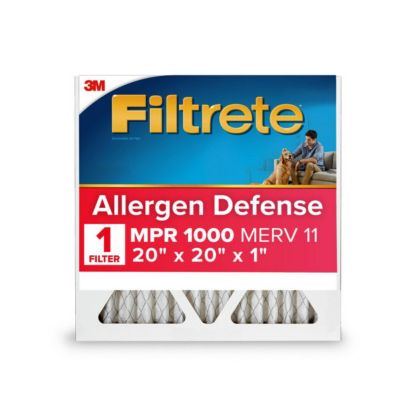
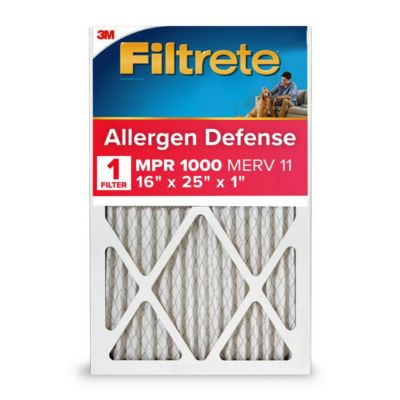
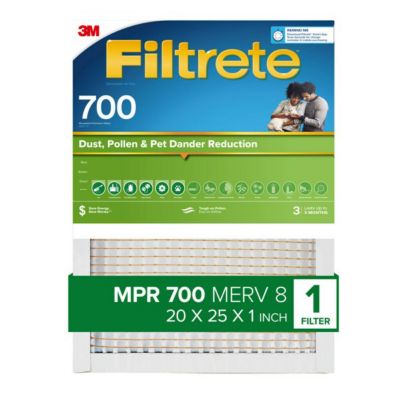
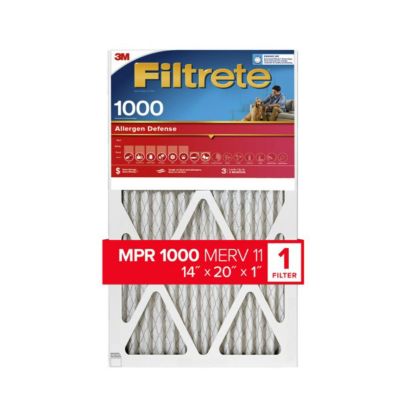
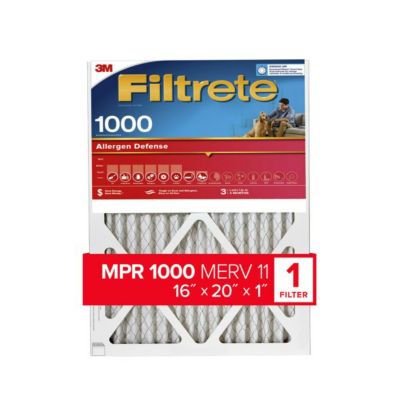
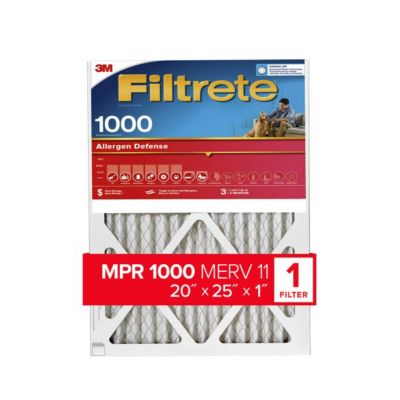
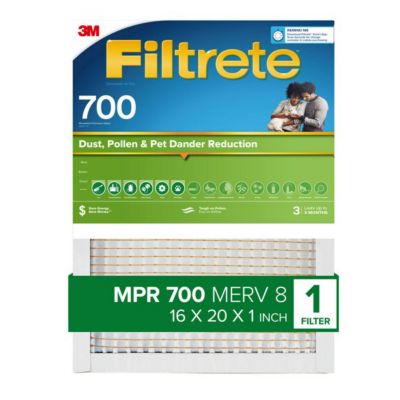
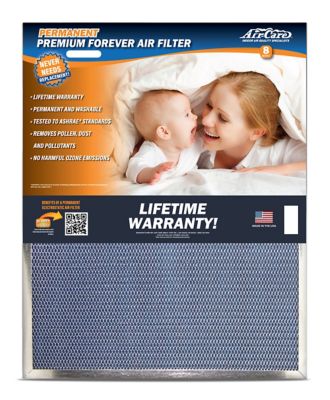
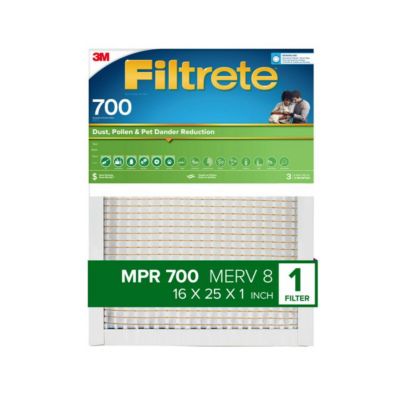
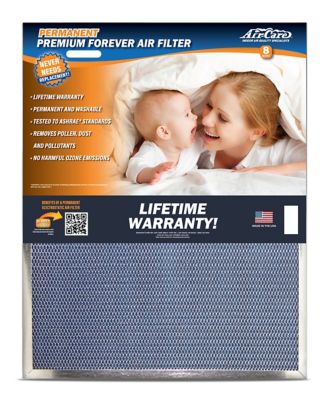
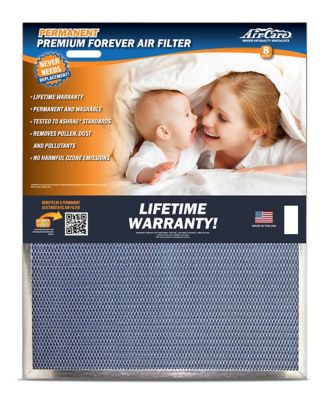
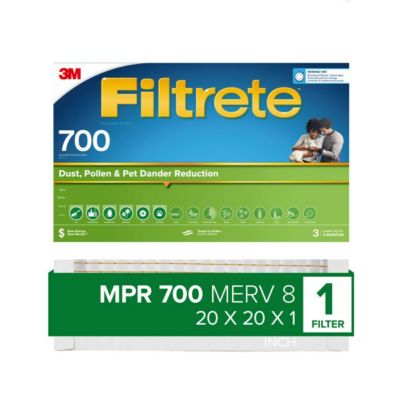
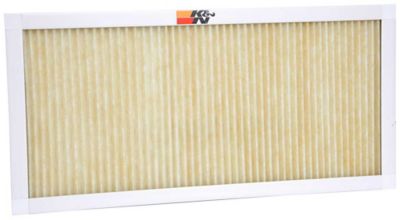
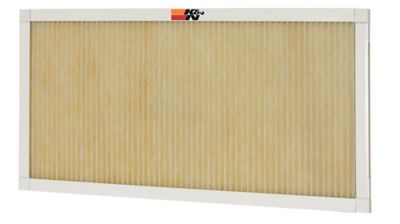
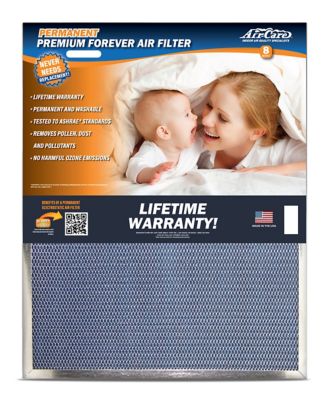
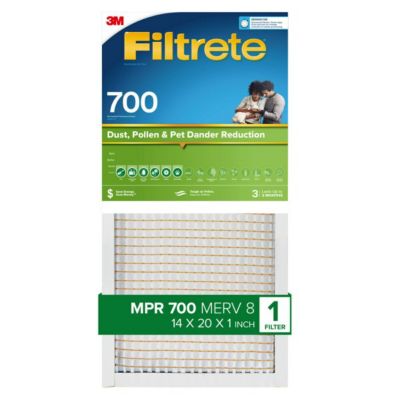
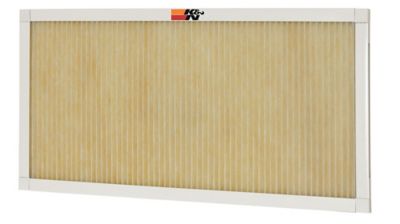
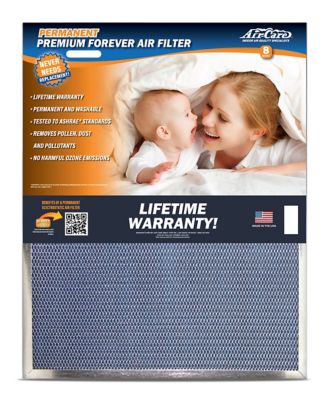
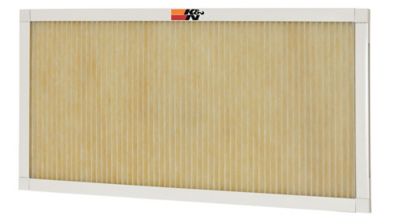
HVAC filters for pet dander help catch airborne particles as air moves through a home’s heating and cooling system. For many homes with cats or dogs, pleated filters with a MERV 11 to MERV 13 rating are worth considering, as long as the system can handle the filter’s airflow resistance. MERV stands for Minimum Efficiency Reporting Value, a rating that describes how well a filter captures particles in different size ranges. MERV 13 filters generally capture a greater share of smaller particles than MERV 11 filters, but the right choice still depends on the equipment’s requirements. A higher rating is not a reason to overlook the furnace or air handler’s filter specifications. Pet dander consists of tiny flakes of skin, not just the fur that gathers along baseboards or sticks to a favorite chair. Allergy-triggering proteins can also come from an animal’s saliva and other sources, then travel on hair, dust, and small airborne particles. That helps explain why a room can look tidy while pet-related particles remain in the air. A dog stretched out by the couch or a cat making rounds from the windowsill to the bedroom can leave more behind than the hair that is easy to see. Pleated HVAC filters offer more filtration surface within their folded material than a flat panel of the same face dimensions, although performance depends on the media and construction. They can help capture circulating dander along with other particles covered by their rating, such as dust and pollen. These filters make sense for single-pet homes, busy households with several animals, and homes where pets spend time in shared living spaces. They are one part of managing airborne pet particles, rather than a way to remove every allergen or guarantee relief from allergy symptoms.
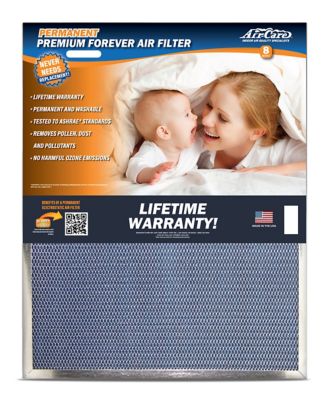
Fit matters just as much as the rating printed on the frame. HVAC filters come in different lengths, widths, and thicknesses, and the size on the label may be a rounded nominal measurement rather than the filter’s actual dimensions. A filter that nearly fits can leave gaps around the edges, letting air carry particles past the media instead of through it. One that is too large can bend or fail to seat properly in the rack. The equipment label, filter cabinet specifications, and actual measurements give a clearer picture than appearance alone. Thickness deserves attention, too: a deeper pleated filter needs a cabinet designed to hold it. A four-inch filter is not a direct substitute for a one-inch filter just because their length and width match. Materials and frame construction also affect how a filter holds its shape through everyday operation. Many disposable pleated filters have synthetic fiber media, while some designs incorporate other fibers or electrostatic properties to help capture particles. A firm frame and supported pleats help keep the filter seated and the media from sagging. Washable filters have different care requirements and performance ratings, so their suitability for pet dander depends on their stated particle-capture performance, not simply the fact that they can be cleaned. Disposable pleated filters generally need replacement rather than rinsing; water can damage media or framing that is not designed for washing. Airflow resistance is another important consideration. It varies with filter design, depth, and how much debris the filter holds, so MERV alone does not tell the whole story. A properly matched filter balances particle capture with the airflow the equipment needs. For a home with a filter slot tucked into a hallway return or a cabinet beside the air handler, clear sizing and compatibility information can save a lot of frustration when replacement time comes around.
Life with pets puts different demands on a filter from one household to the next. Two long-haired dogs coming in from the yard, several indoor cats, or pets that spend most of their day near a return grille can contribute to a faster buildup of hair and dust. Even a small pet can contribute airborne dander, so coat length alone does not determine filtration needs. Checking the filter about once a month gives a useful sense of how quickly material collects, while replacement should follow the filter and equipment manufacturers’ recommendations and the conditions in the home. A loaded filter can restrict airflow, and a damaged frame or poorly seated edge can undermine filtration even when the media still looks fairly clean. Installation direction matters as well: the airflow arrow needs to match the direction air travels through the filter housing, generally toward the blower. The system should be off during a filter change, with the replacement fully seated and the access cover secured before operation resumes. Beyond the filter rack, pet bedding, upholstered furniture, rugs, and floors can hold settled particles that return to the air when animals or people move around. Regular cleaning and pet grooming help address those reservoirs, while HVAC filtration catches a portion of the particles that reach the return air path. Ordinary particle filters are not designed to remove pet odors or gases, and they cannot collect dander from a room unless that air passes through them. For a living room where the dogs nap or an open family room where everyone gathers,
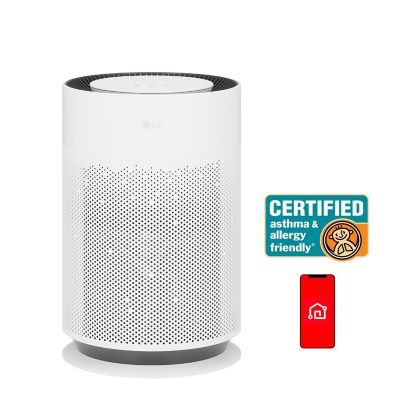
Large-Room Air Purifiers For Pet Households can provide another layer of particle filtration alongside the central system. Room size and clean air delivery rate matter for that separate equipment. Together, a well-fitting HVAC filter, sensible replacement habits, and regular cleaning support a practical approach to sharing a home with pets, without expecting one filter to do the whole job.