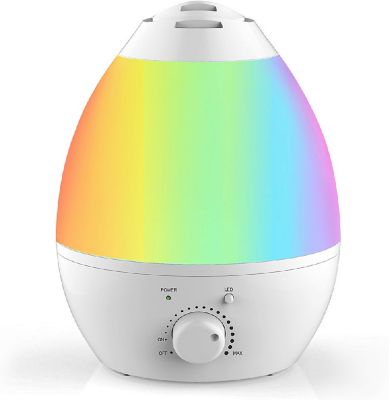
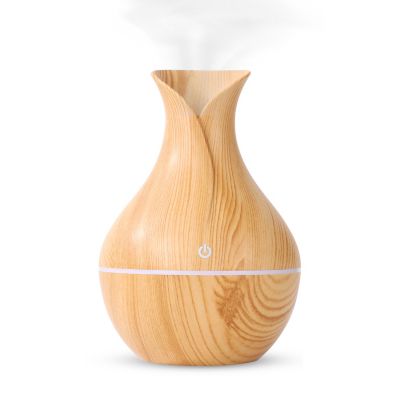
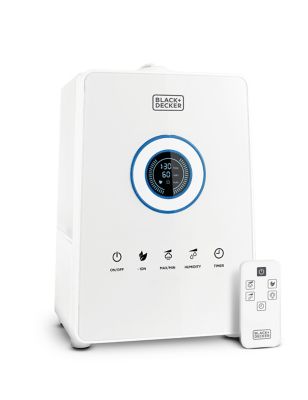
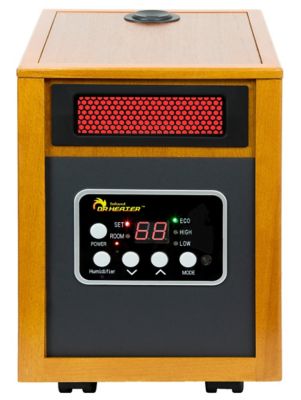
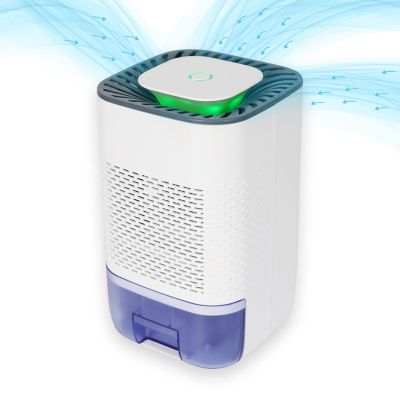
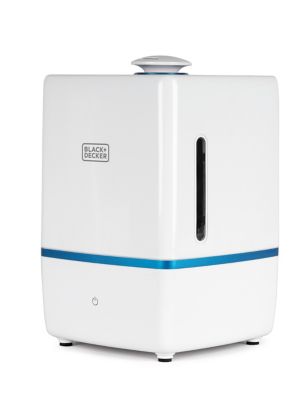
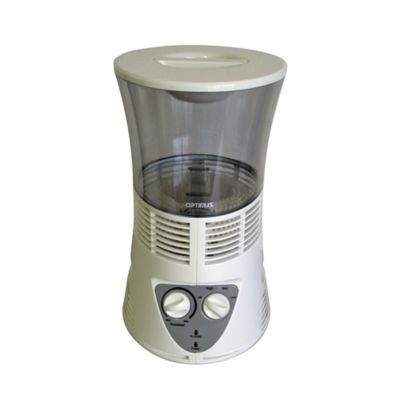
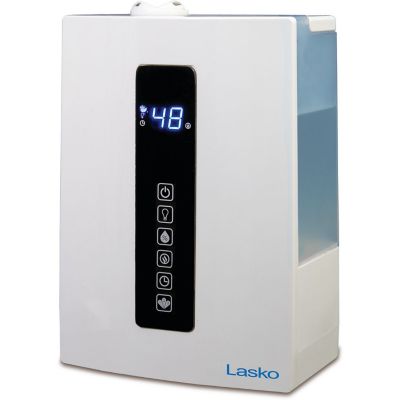
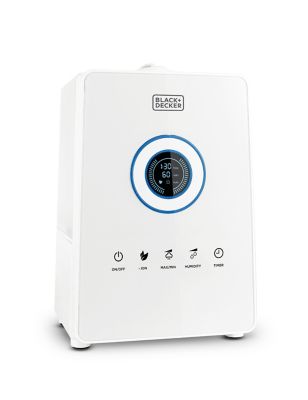
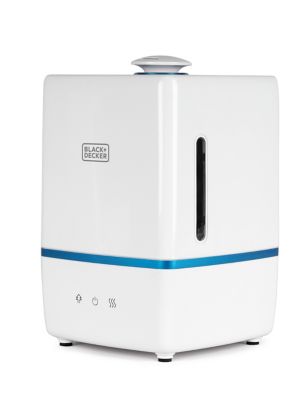
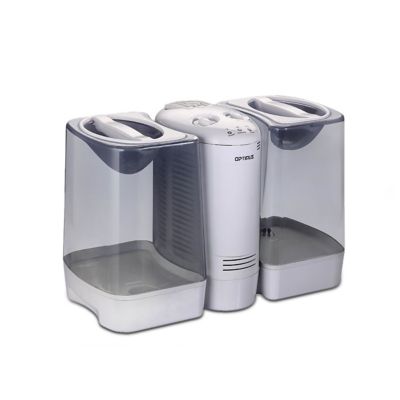
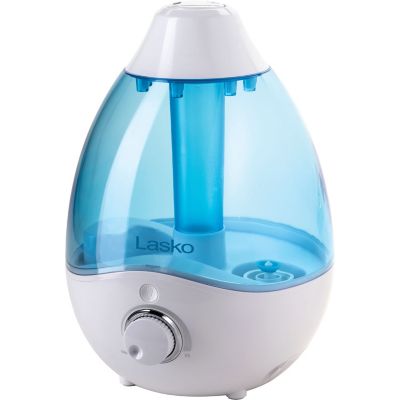
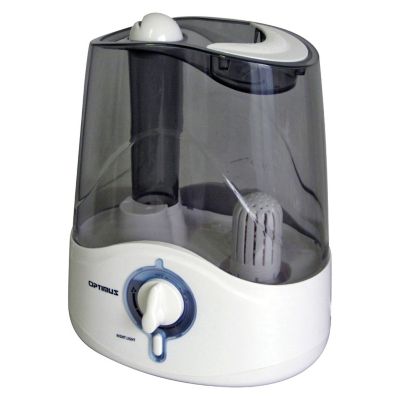
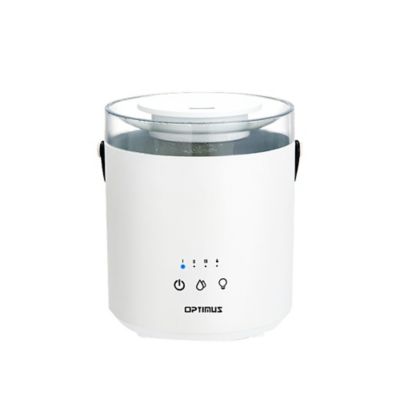
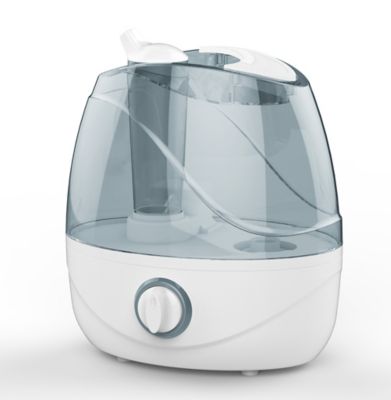
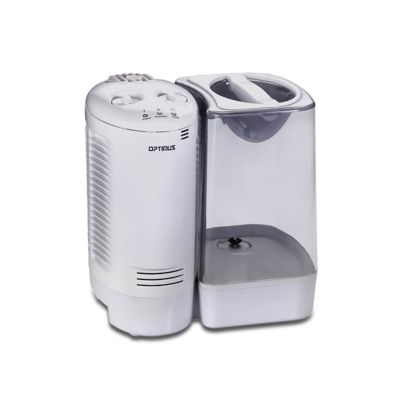
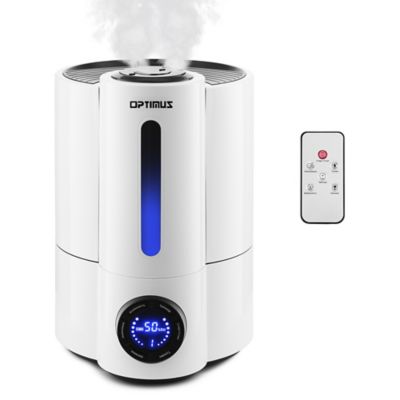
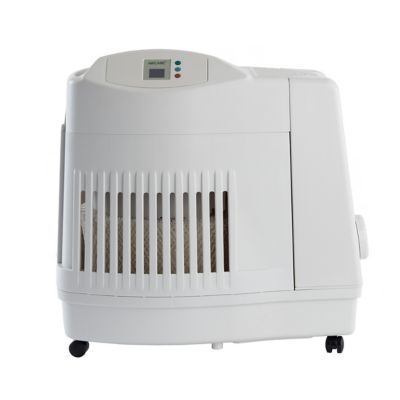
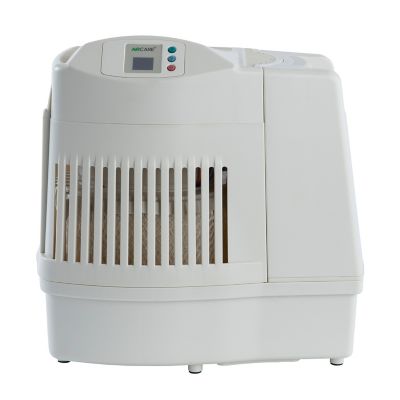
Living room humidifiers add moisture to indoor air, helping a favorite gathering spot feel more comfortable when the air is dry. In a room where folks settle in for a ballgame, catch up after chores, or stretch out with a book, the right fit depends on more than the size of the water tank. Room coverage, moisture output, sound level, and upkeep all matter. For a living room measuring 500 to 700 square feet, a humidifier rated to cover at least that area is a sensible starting point, though an open doorway, tall ceiling, or adjoining dining area can increase the space it needs to serve. Coverage ratings are estimates based on manufacturer testing, not a promise that every home will respond the same way. A separate humidity meter can help show whether moisture is reaching the seating area rather than building up around the unit. Evaporative and ultrasonic humidifiers are two common choices for larger living spaces, with different strengths for everyday household routines. An evaporative humidifier draws water through a wick and moves air across it with a fan. Minerals generally remain in the wick instead of becoming airborne as white dust, although the wick needs attention and periodic replacement. An ultrasonic humidifier creates a fine mist through vibration and often operates with less fan noise, making it worth considering beside a reading chair or in a room where quiet conversation matters. Minerals in its water can travel with that mist, so distilled or demineralized water helps limit powdery residue on nearby surfaces. Neither style replaces routine cleaning or moisture checks. Cool-mist designs also avoid the hot water associated with steam-producing units, an important consideration in homes with children or pets. Across these types, humidifiers for living rooms work best when their output matches the whole connected space, rather than just the patch of floor beside the couch. A compact enclosed sitting room and a broad family room opening into the kitchen call for different coverage, even if both have the same number of seats.
Everyday convenience often comes down to how a humidifier fits the room and the person tending it. A larger reservoir can mean fewer trips to the sink, but a full tank also weighs more, especially when the nearest faucet is down the hall. Tank capacity and moisture output are separate measurements: one describes how much water the unit holds, while the other describes how quickly it can put moisture into the air. Listed run times commonly reflect a lower output setting, so a unit working harder in a large room may need refilling sooner. Top-fill openings, lift-out tanks, broad handles, and water-level windows can make that routine easier, depending on the design. Wide openings and accessible corners also make it easier to reach the surfaces that need cleaning. Many housings and reservoirs are plastic, which keeps carrying weight manageable; a sturdy base, well-fitting tank, sound seals, and secure handles matter more for daily handling than looks alone. Clear reservoirs make the water level easy to see, while opaque housings offer a quieter visual presence beside furniture. Adjustable mist settings give households more control over output, and a built-in humidistat can cycle operation around a selected humidity level. Automatic shutoff when the reservoir runs empty is useful, but it does not necessarily mean the machine will stop when the room gets too damp. Those are separate functions worth distinguishing. For a shared living space, fan speeds, display brightness, button sounds, and any gurgling during operation can matter as much as the stated coverage. Placement matters, too: a level, water-resistant surface with the clearances specified by the manufacturer helps protect the area around the unit. Mist should point away from curtains, upholstered furniture, electronics, and wood surfaces. A spot clear of foot traffic keeps the humidifier from becoming another obstacle between the couch and the kitchen, while a safely routed cord helps keep children and pets from pulling it over.
Care requirements are part of the long-term fit of a living room humidifier, particularly in a household where chores already fill much of the day. Standing water and mineral deposits need regular attention, whether the unit sits on a side table or has a larger floor-standing cabinet. Emptying remaining water, drying accessible surfaces, and refilling with fresh water each day helps keep the reservoir from becoming a place where microorganisms multiply. Cleaning and disinfection should follow the manufacturer's schedule and directions; a quick weekly rinse alone may not be enough. Thorough rinsing after any approved cleaning treatment helps keep cleaning residue out of the mist, and cleaning chemicals should never be mixed. Evaporative wicks can collect minerals and lose performance over time, so their replacement schedule belongs alongside tank care rather than taking its place. Ultrasonic units benefit from low-mineral water, especially in homes where tap water leaves chalky rings around faucets. Ordinary pitcher filtration does not necessarily remove the dissolved minerals responsible for white dust. Water choice still does not eliminate the need to clean the tank and other wetted parts. Indoor relative humidity generally belongs between 30% and 50%; persistent window condensation, damp surfaces, or a musty smell can signal that output needs to come down or operation needs to pause. More moisture is not always better for people, furnishings, or the room itself. For households with wood furniture or musical instruments, maintaining a moderate, steady level is more useful than directing mist toward those belongings. Fragrance oils also belong only in a compartment specifically designed for them, never in an ordinary water tank unless the manufacturer explicitly permits it. Humidifiers add moisture, while
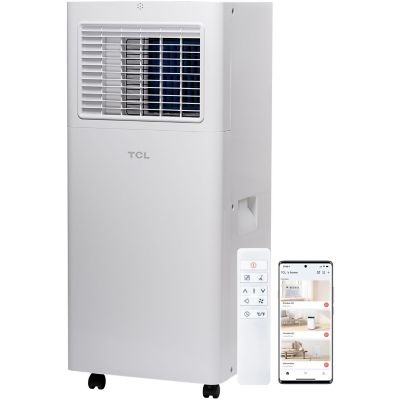
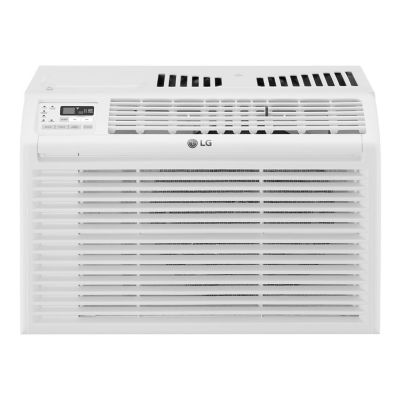
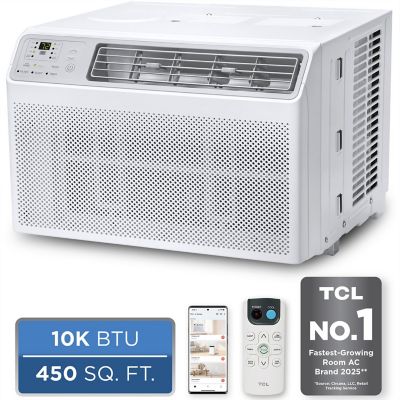
Living Room Air Conditioners address cooling and typically remove some moisture as they operate. Keeping those jobs distinct makes it easier to match an appliance to the room's actual needs. With suitable coverage, manageable refilling, and accessible parts for cleaning, a living room humidifier can fit into the household routine without taking over the space where everyone comes to relax.