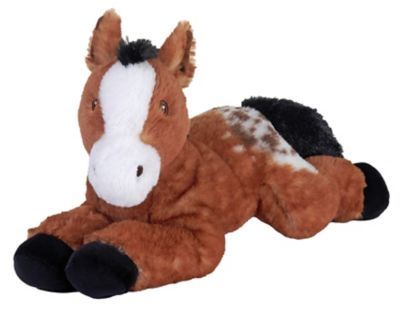
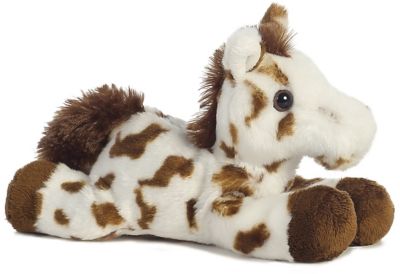
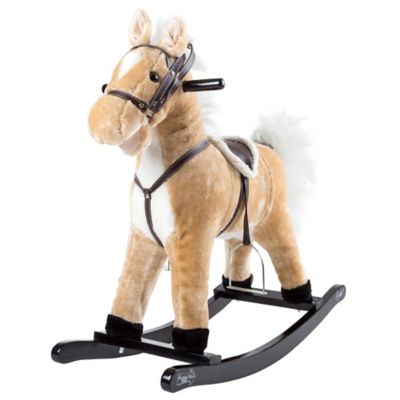
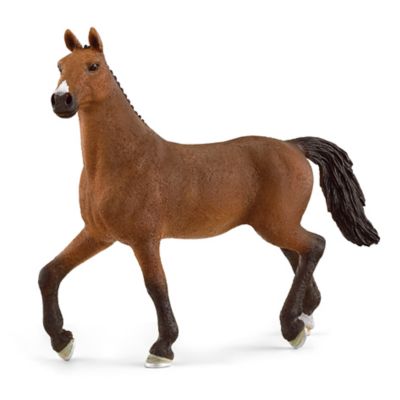
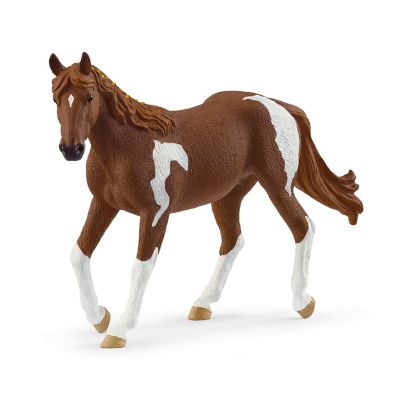
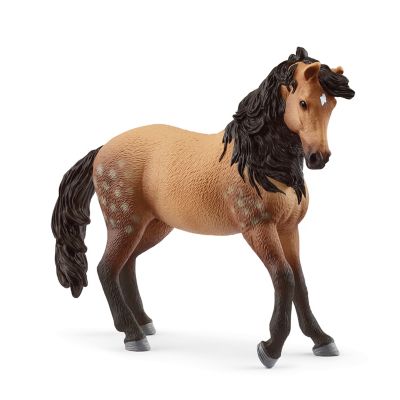
Horse stuffed animals are soft, filled toys shaped like horses or ponies, often featuring a plush coat, a mane and tail, pointed ears, and recognizable hooves. They bring a little of the barnyard into everyday play without taking up stall space. For a child who watches every horse along a country road, a stuffed pony can become a steady companion on car rides, at story time, or beside a pretend paddock built from blocks. Older horse fans may enjoy a plush that reminds them of a favorite mount, while collectors may prefer a lifelike shape and familiar coat markings. The look can range from a rounded, friendly pony with a big expression to a horse with a longer muzzle, slender legs, and carefully placed markings. A bay-inspired coat may pair a brown body with a black mane and tail, while chestnut coloring brings reddish shades and pinto patterns feature contrasting patches. These details give shoppers a way to match the toy to the recipient’s interests without expecting every plush to represent a particular breed. Size and posture also make a difference. A compact horse is easier to tuck into a backpack or carry through a long outing, while a larger plush gives a child more to wrap their arms around during reading time. Measurements tell more than a photo alone: a standing horse’s height may include upright ears, and a lying horse’s length may stretch from its nose to its tail. A floppy body can settle comfortably across a lap, whereas firmer legs and a structured shape can help a horse stand for pretend stable scenes. The best fit depends on how the toy will spend its days, whether that means traveling between home and a grandparent’s house, joining a growing collection, or taking the lead in a make-believe herd. Shelf space, backpack room, and the recipient’s preference for a cuddly or lifelike look all help narrow the choice.
Materials and construction shape how a horse plush feels in the hand and how well it handles regular play. Common materials include polyester plush fabrics and polyester fiber filling, though the label is the place to check the actual fabric and fill. Short-pile fabric tends to show coat patterns and facial details clearly, while longer fibers give the body a shaggy feel. A yarn mane, fabric tail, or fluffy forelock adds another texture for little hands to explore. Loosely filled bodies usually bend and flop more easily; densely filled bodies hold their shape more firmly. Some designs contain pellets or other weighted filling, so the full materials description matters, especially when choosing for a young child. Smooth seams, securely attached features, and stitching around the neck, legs, and tail are worth considering because those areas often get tugged during play. Age recommendations remain important even when a toy looks soft and simple. Embroidered eyes may mean fewer separate attached pieces, but they do not by themselves establish that a horse is suitable for a baby. Ribbons, removable tack, long cords, and small attachments call for particular attention to the maker’s age guidance. For infants, keep stuffed animals out of cribs and other sleep spaces. For older children, a horse plush can fit naturally into pretend feeding, grooming, and stable chores. A cardboard box becomes a stall, a folded towel becomes a paddock, and the horse gets a name before the afternoon is over. A soft toy can also sit alongside a horse book, giving a child something to hold while learning the names of coat colors or following a story about farm life. Those who also enjoy miniature horses can explore
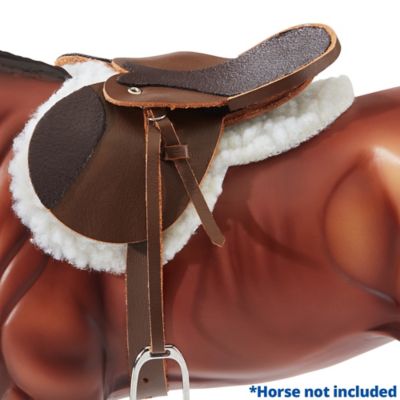
Model Horse Accessories for a separate kind of horse-themed play. Check scale and intended use rather than assuming gear made for a model horse will fit a stuffed pony. A plush is a play companion, not riding equipment, and its shape and attachments should suit the recipient’s age and activities.
Care requirements deserve a close look when a horse stuffed animal is likely to tag along everywhere. A favorite pony may ride in the truck, land on the living room floor, and come along for an overnight visit, so an easy-to-follow cleaning routine can make everyday ownership simpler. Some plush toys allow machine washing, while others call for surface cleaning only; the care label should decide the method. For surface cleaning, a lightly dampened cloth and an appropriate mild cleaning product can help lift small marks without soaking the filling. Avoid scrubbing a mane or tail roughly, since pulling at the fibers can change its appearance or loosen stitching. If machine washing is permitted, follow the stated cycle and drying instructions rather than treating the toy like a regular load of clothing. Thorough drying matters, particularly around thick bodies, hooves, and tightly filled areas. Heat can affect certain fabrics, fillings, and attached features, so a dryer is not the default choice. Regular checks for open seams or loose parts are sensible for a toy that sees plenty of carrying and cuddling. Storage also affects how a plush looks over time: a spot away from spills, strong sunlight, and heavy objects helps keep its coat and shape in good condition. As a gift, a horse stuffed animal suits more than one kind of horse lover. It can mark a birthday, celebrate a first riding lesson, or give a child a soft reminder of a pony they have grown fond of. For someone who spends time around horses, familiar coloring may matter more than an elaborate outfit. For a younger recipient, a manageable size and an uncomplicated shape may be more appealing than lots of extra pieces. A horse book alongside the plush can turn the gift into a ready-made story-time pairing. Whether it ends up tucked under an arm or lined up with a pretend herd, the right horse plush has a look, feel, and care routine that fit everyday life.