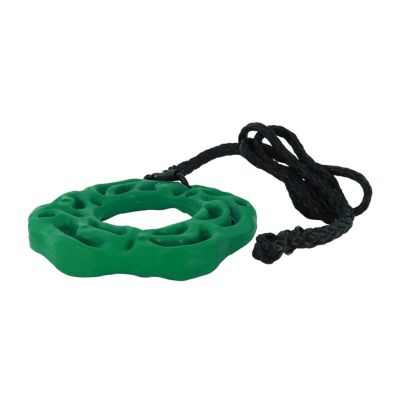
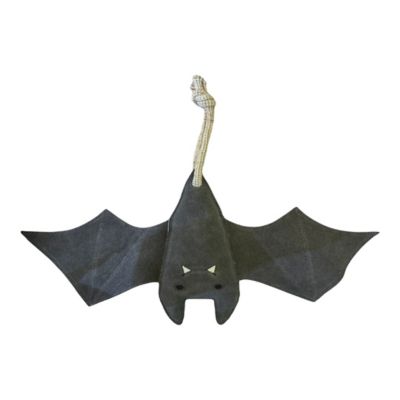
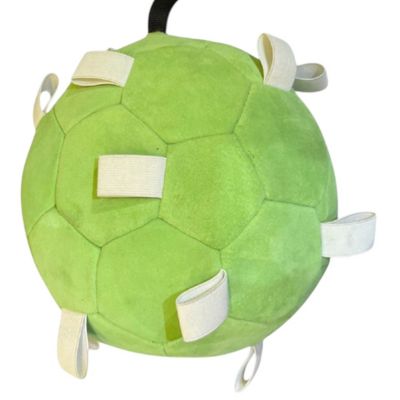
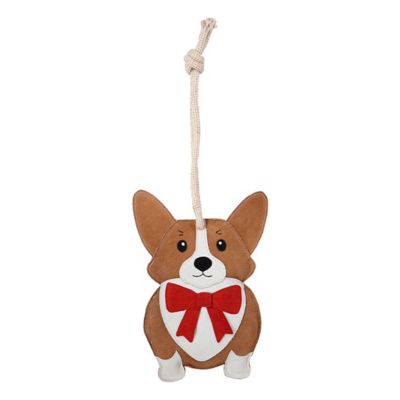
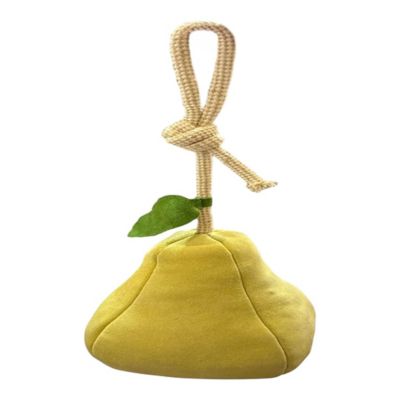
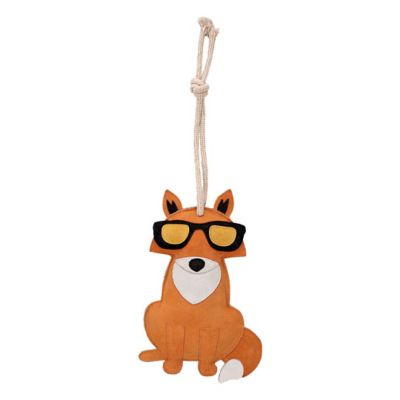
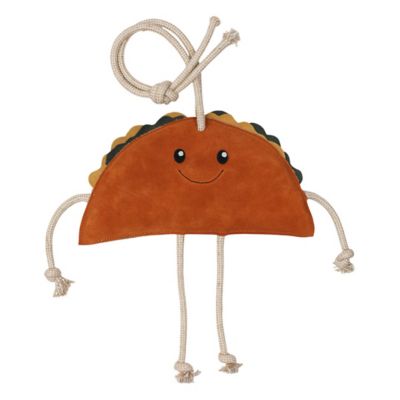
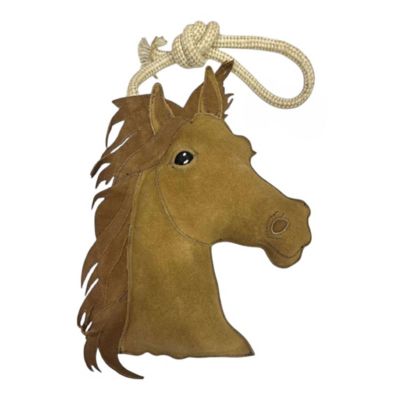
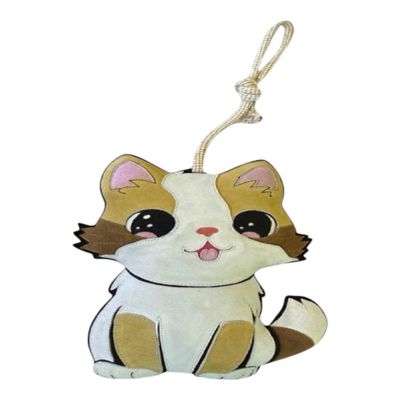
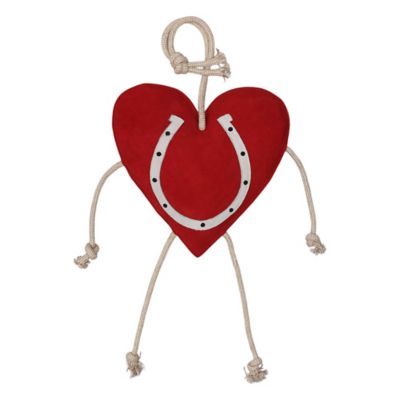
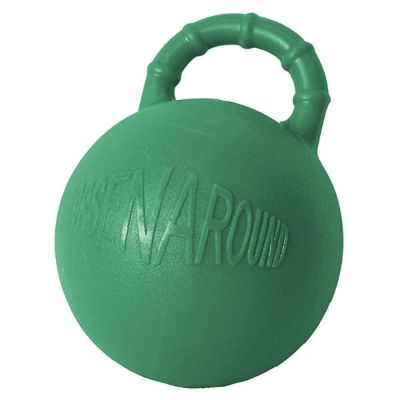
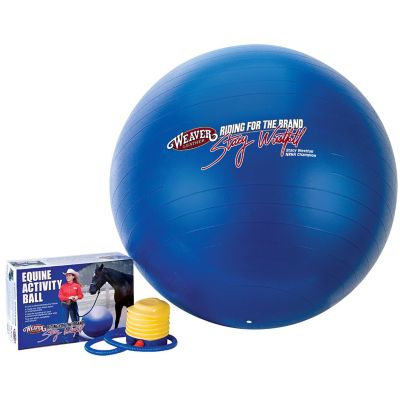
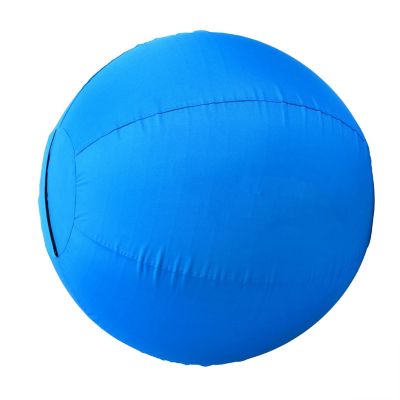
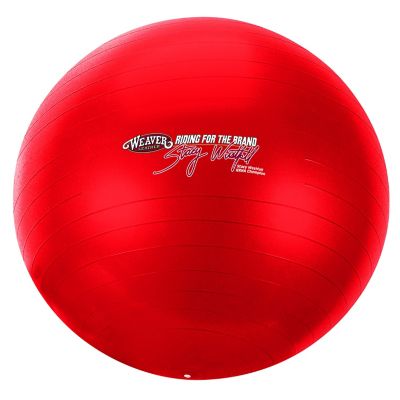
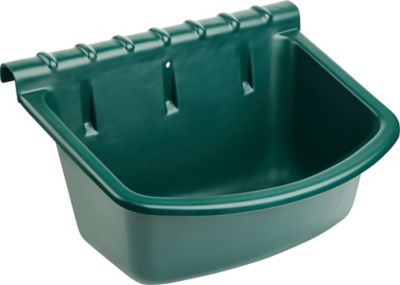
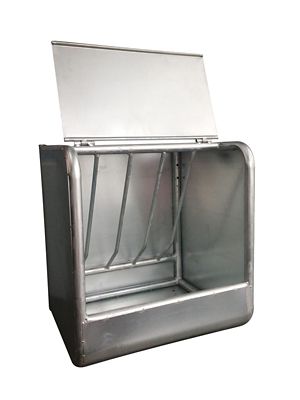
Hanging horse stall toys give horses something to investigate, nudge, and move while spending time in a stall. Suspended within reach, they add an outlet for curiosity without taking up the same floor space as a loose toy. A gentle push with the muzzle can send a hanging toy swinging, giving an interested horse a reason to return for another look. That movement can provide mental stimulation and help relieve boredom, especially for horses whose routines include stretches indoors between turnout, exercise, grooming, and feeding. Some horses enjoy batting a suspended shape back and forth; others prefer exploring different textures with their lips or working at an approved treat holder. The right match depends on the horse’s habits as much as the stall setup. A curious youngster may investigate almost anything within reach, while an older horse may take more interest in a familiar shape or a food reward. Hanging horse stall toys can be part of an enrichment routine, but they do not replace turnout, appropriate forage, exercise, social contact, or veterinary care. They also should not be expected to prevent or resolve cribbing, weaving, or other repetitive behaviors on their own. Changes in those behaviors deserve attention to the horse’s health, feeding program, environment, and daily routine. For a horse on prescribed stall rest, a veterinarian can help determine whether a particular style fits the limits of recovery, since even playful reaching or vigorous swinging may be more activity than intended. Across boarding barns, training facilities, and home horse setups, these toys offer a way to make stall time more engaging. Their value comes from how a horse interacts with them, not simply from having something hanging in the corner. A toy that gets a few relaxed nudges between mouthfuls of hay may suit one horse better than a more involved feeding activity, while another horse may stay interested longer when there is a small challenge to explore.
Materials, size, and hanging hardware all affect how a stall toy fits into everyday barn life. Rubber and molded plastic can offer different levels of flexibility, weight, and surface texture, while rope or fabric components bring different care and inspection needs. Material names alone do not tell the whole story: wall thickness, seams, attachment points, and the way a toy responds to biting or pulling matter, too. A horse that quietly noses a hanging toy puts different demands on it than one that grabs hold and gives it a hard tug. Horse-intended construction matters because an object that looks sturdy on a shelf may not stand up to equine teeth or repeated pulling. Size also changes the interaction. A larger hanging shape may be easy to bump with the muzzle, while a smaller opening or recessed area may encourage slower investigation when the design includes a feeding feature. The horse’s height, reach, chewing habits, and level of interest help determine an appropriate fit; pony size and full-size horse size are not interchangeable assumptions. Attachment requirements deserve just as much attention as the toy itself. A suitable mounting location keeps the toy accessible without crowding a doorway, catching on stall fixtures, or interfering with hay and water. Hanging height and clearance should follow the maker’s directions, with particular care around loops, loose lengths of rope, clips, and other places where a hoof, jaw, or halter could become caught. A suspension system should never be improvised on the assumption that stronger always means safer. Watching the first few interactions gives a clearer picture of whether the horse can engage comfortably and whether the toy swings into an awkward spot. In a busy barn, placement also matters for the person carrying buckets, picking the stall, or leading the horse through the door. A good fit leaves room for ordinary chores and lets the horse stand, eat, drink, and rest without the toy getting in the way.
Everyday care helps keep hanging horse stall toys suited to their purpose. Saliva, feed residue, dust, and bedding can collect on surfaces and around attachment points, so cleaning requirements are worth considering alongside the material and design. Smooth surfaces may be simpler to wipe down, while recessed feeding areas, textured sections, and rope connections may need closer attention under the maker’s cleaning directions. Thorough rinsing and drying matter whenever a cleaning method calls for them, particularly where treats or feed contact the toy. Regular checks can reveal cracks, split seams, sharp edges, frayed fibers, loose hardware, or pieces beginning to separate. A horse that suddenly becomes more determined about biting or pulling may also change how quickly those signs appear. Damaged components belong out of reach rather than waiting for the next barn chore. For treat-holding designs, the contents are part of the feeding program, not separate from it. Portion size, ingredients, and any dietary restrictions matter, especially for horses whose sugar or starch intake needs careful management. Interest can vary over time, too. A horse may investigate a new hanging toy eagerly and then pay it less attention, while another takes several calm introductions before approaching. Rotating suitable enrichment can offer variety without crowding the stall, though a familiar favorite may remain the best fit for a particular horse. For gift giving, stall toys make the most sense when the recipient’s horse, housing, and barn rules are known; a boarding facility may have specific requirements for attachments or feeding accessories. Horse-themed gifts for people belong in a different category:
Horse Stuffed Animals offer a soft companion for a horse-loving child or a keepsake for an equestrian friend, rather than enrichment for a live horse. In the stall, the goal stays straightforward: an appropriate outlet for curiosity that fits the horse’s routine and can be checked and cared for as part of everyday barn work.