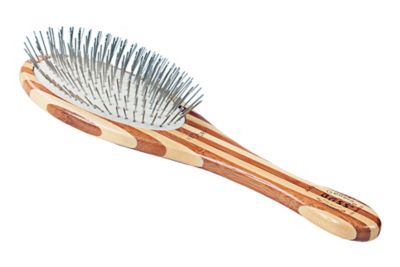
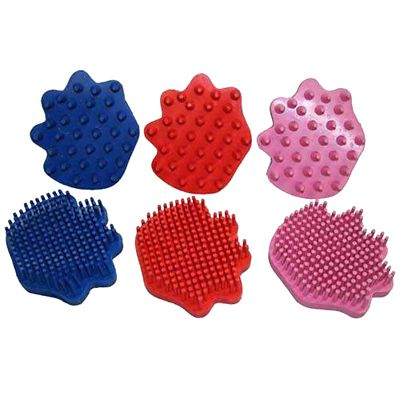
Horse grooming supplies include curry combs, stiff and soft brushes, hoof picks, mane and tail tools, bathing supplies, and totes that keep everything together. These tools serve different jobs, from lifting ground-in dirt to smoothing a coat before a ride. For a horse that comes in with dusty shoulders and shavings caught in its tail, having the right mix of brushes makes everyday cleanup more manageable. Grooming also gives handlers a chance to notice small changes, such as a tender spot under the saddle area or a rub beneath a halter. The best selection depends on the horse’s coat, skin sensitivity, size, and daily routine, along with what feels comfortable in the handler’s hand. Rubber curry combs offer some give while loosening dirt and loose hair from fleshy areas, while firmer plastic designs have a different feel and call for careful attention to pressure. Stiff-bristled brushes help move heavier dirt from suitable areas of the body, and soft body brushes lift fine dust and smooth the hair. Sensitive faces and legs call for gentler tools rather than the same stiff brush that tackles a muddy hindquarter. Natural and synthetic bristles offer different levels of softness and stiffness, so bristle material alone does not tell the whole story. Brush size, bristle length, and the shape of the back all affect how a tool handles. A broad brush covers a larger area, while a smaller brush can be easier to control around narrower spots. Hand straps, contoured grips, and flexible backs are worth considering for long grooming sessions or hands that tire easily. Smooth edges and firmly anchored bristles matter, too. For children helping with a pony under adult supervision, a brush that fits a smaller palm can be more practical than a large tool that keeps slipping. Everyday barn horses, lesson ponies, trail partners, and show horses all benefit from supplies matched to their needs rather than a box filled with tools that do the same job.
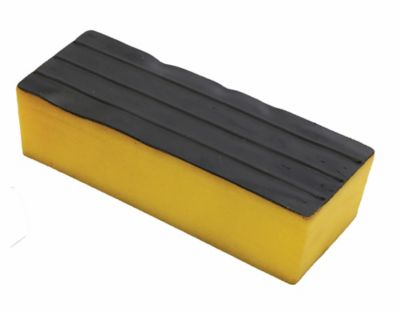
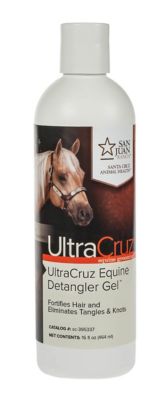
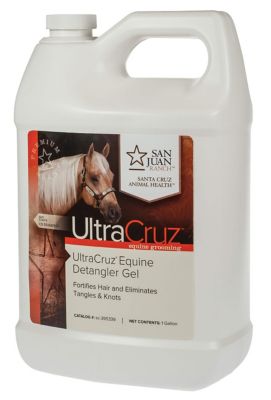
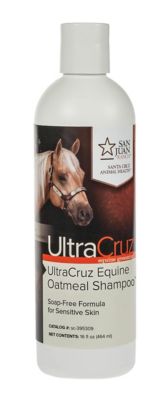
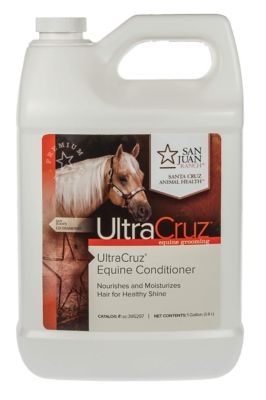
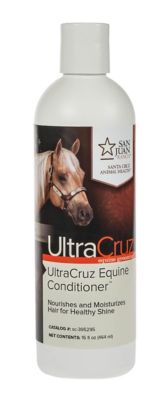
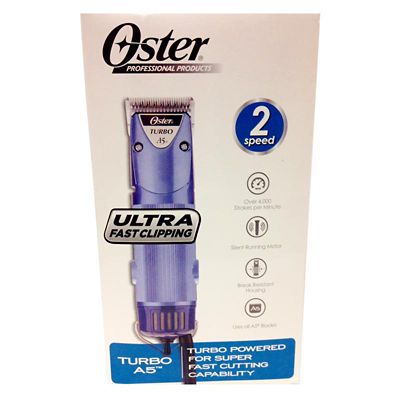
Hoof care tools, mane and tail supplies, and bathing essentials round out a grooming setup without serving interchangeable purposes. A hoof pick helps remove packed dirt, bedding, and small stones from the underside of the hoof, and some designs include a brush for clearing loose debris. A comfortable grip and a sturdy metal shaft support controlled handling, while corrosion-resistant materials help a tool hold up around wash racks and damp barn floors. Hoof picks are for routine cleaning, not cutting or reshaping the hoof; trimming and concerns about soreness belong with a farrier or veterinarian. Unusual heat, swelling, odor, or tenderness deserves attention beyond a grooming session. For manes and tails, wide-tooth combs and brushes with flexible bristles offer options for working through hair with less pulling. A thick tail with a few stubborn knots calls for a different touch than a short, tidy mane. Detangling sprays and conditioners can improve slip, though labels matter when choosing formulas for particular coat types or sensitive skin. Slick residue is not welcome on saddle areas, reins, handles, or flooring. Horse shampoos range from everyday cleansing formulas to options intended for particular coat colors or skin needs, and the label should make the intended purpose clear. A cleansing product is not automatically a treatment for itching, hair loss, or a skin condition. Soft sponges and washable cloths suit smaller cleanup jobs, while sweat scrapers help remove excess water from appropriate body areas after a bath. Separate cloths for the face and other parts of the body help keep the routine cleaner. For horses that need trimming around certain areas, grooming clippers bring another set of considerations, including blade selection, weight, vibration, and sound. A horse’s comfort with the tool matters as much as the finished appearance. Across these categories, easy-to-clean surfaces, secure handles, and straightforward care directions help supplies fit into real barn routines, where a quick cleanup after chores may matter just as much as getting ready for the show ring.
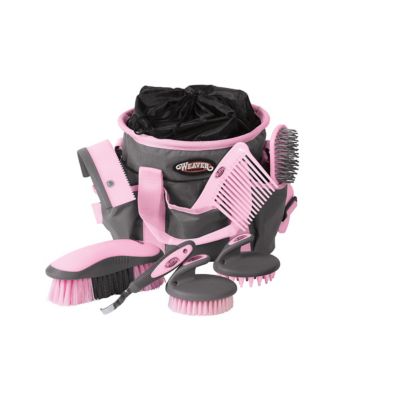
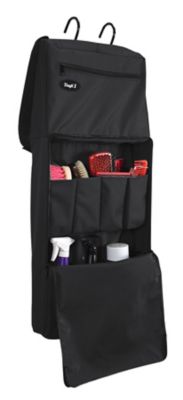
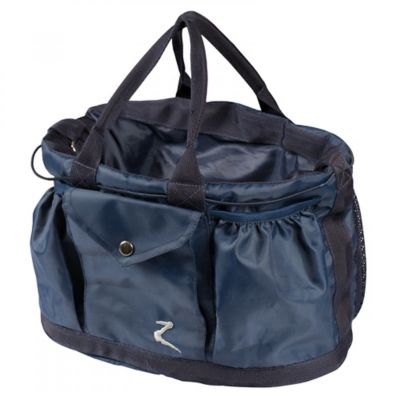
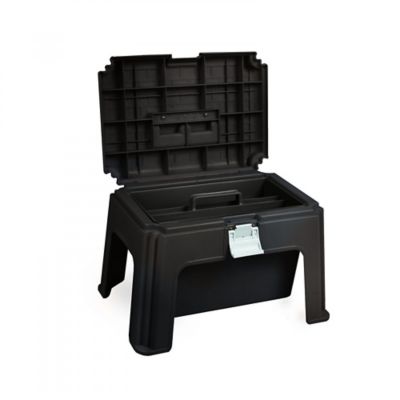
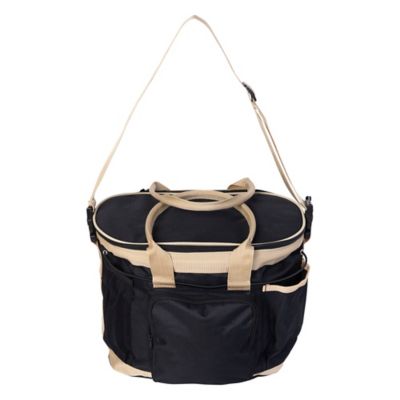
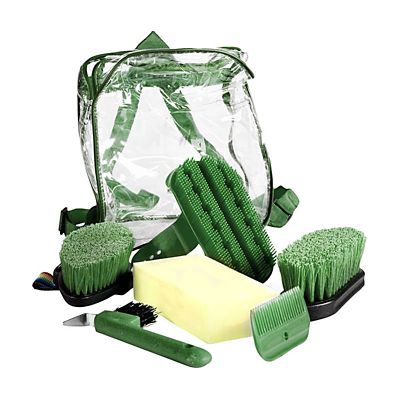
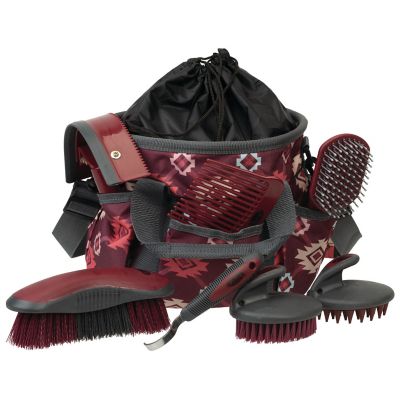
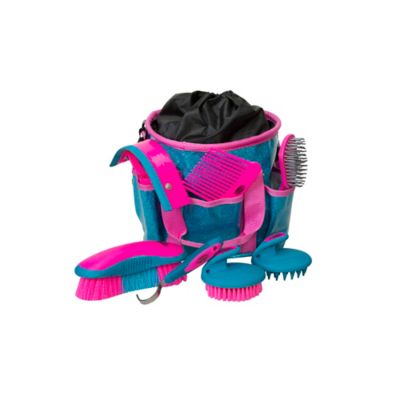
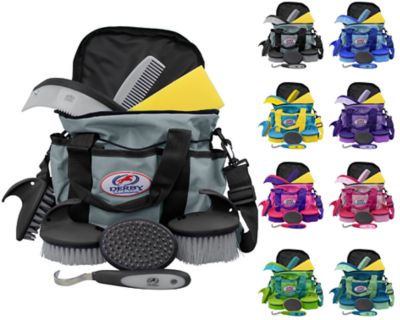
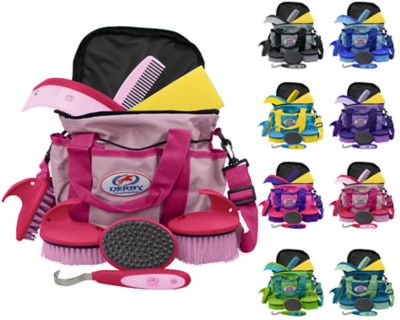
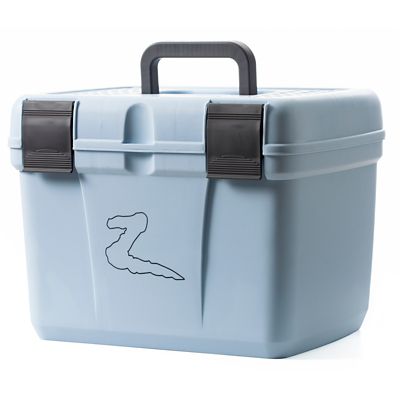
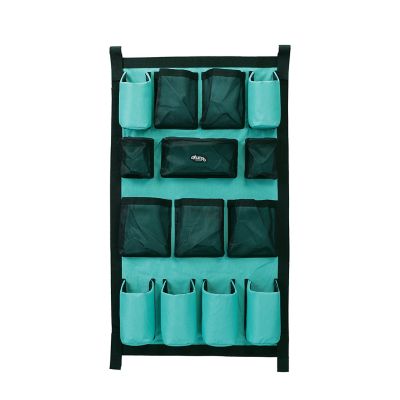
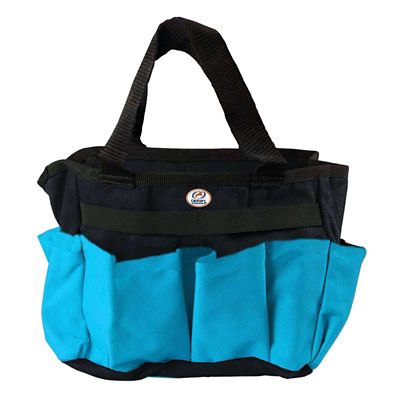
Grooming totes, caddies, boxes, and coordinated sets help turn a collection of tools into a setup that is easy to carry and keep track of. Open totes make brushes easy to grab beside a grooming stall, while divided caddies give hoof picks, combs, and bottles their own spaces. Boxes with closures offer a way to contain loose tools, though damp brushes still need a chance to dry before being shut away. Washable interiors, smooth corners, reinforced handles, and compartments sized for upright bottles are practical details when dirt and loose hair come home with the equipment. For riders who haul to lessons, trail rides, or shows, a balanced handle and a manageable overall size can matter more than having the largest possible case. At a boarding barn, clearly marked equipment helps keep each horse’s supplies together and limits mix-ups between grooming stations. Separate tools for individual horses can also reduce the chance of passing along skin problems; cleaning routines should follow tool and product directions, with veterinary guidance when an infection is involved. Brushes need loose hair and dirt cleared away, washable tools need thorough drying, and cracked handles or sharp edges signal that a replacement may be needed. Shampoos, sprays, and conditioners belong in their labeled containers with caps secured and storage directions followed. Coordinated sets can be a handy starting point for a first-time horse owner, a rider building a lesson-barn kit, or someone putting together a gift for a horse-loving family member. A set’s value comes from how well its contents match the horse and handler, not simply how many pieces fit inside. Related
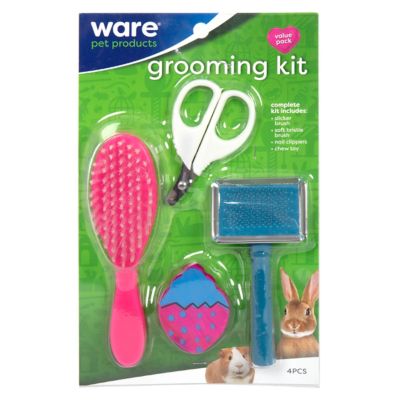
Animal Grooming Kits provide another place to compare grouped grooming essentials, with attention to the animal each set is intended for. Whether the setup stays beside a stall or travels in a tack room on wheels, useful horse grooming supplies make room for the basics: comfortable handling, sensible organization, clean tools, and care suited to the horse.