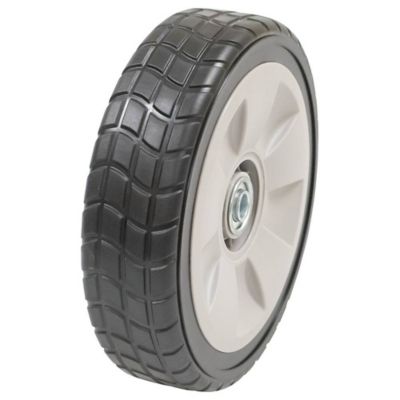
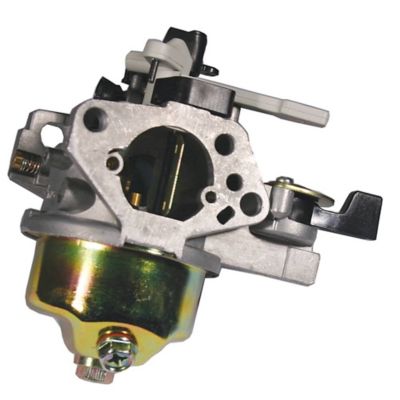
Self-propelled mower parts help keep the drive system, cutting equipment, and engine working together so a walk-behind mower can pull its share of the load. These replacement components serve different purposes: drive parts transfer power to the wheels, cutting parts handle the grass, and engine maintenance parts support starting and operation. The right fit begins with the mower’s complete model identification and serial number, not just its appearance or cutting width. Engine identification may also matter because an engine component can have a different compatibility listing from a wheel, cable, or deck component. Two mowers that look much alike can have different drive arrangements, attachment points, or production changes. Manufacturer parts diagrams and stated fit information help connect a replacement to the correct assembly, while a matching part number provides a stronger reference than a photograph alone. That distinction matters when a mower still cuts but needs more pushing than it once did, or when a drive control no longer feels smooth at the handle. A worn belt, stretched cable, or worn wheel gearing can affect propulsion, but similar symptoms can come from different places. Replacement shopping works best when it follows an assessment of the actual wear rather than an assumption about the cause. For drive wheels, relevant details can include diameter, width, axle opening, internal gear design, and left- or right-side placement. For control cables, housing length, end fittings, routing, and attachment style all matter. Belts require the specified profile and length for the assembly, even when another belt looks close enough on the bench. Those details are especially important on equipment that has already had repairs, since a component removed from the mower may not be the original specification. The manufacturer’s documentation remains the best reference for confirming what belongs on the machine. A clear compatibility description helps narrow the choices without relying on broad claims that a part fits every self-propelled mower.
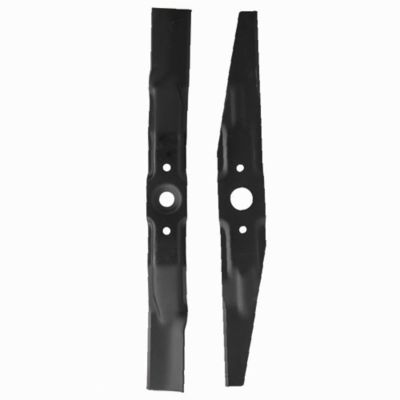
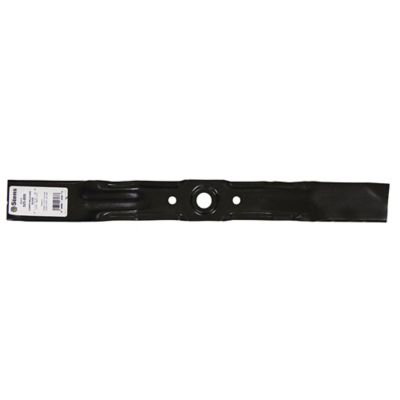
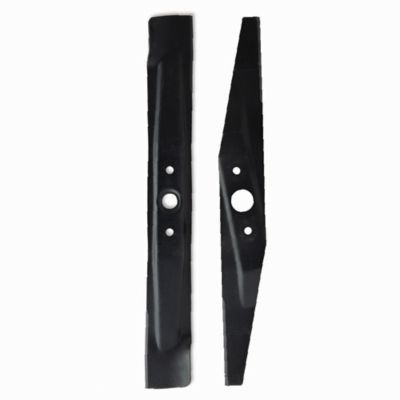
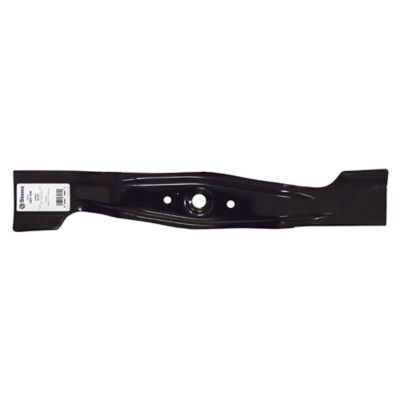
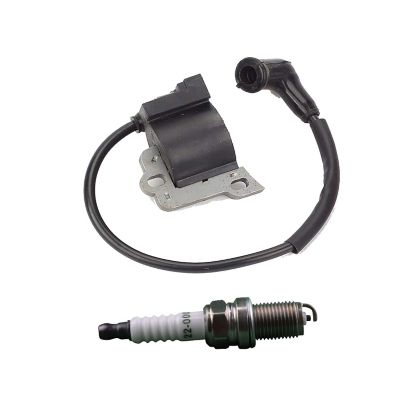
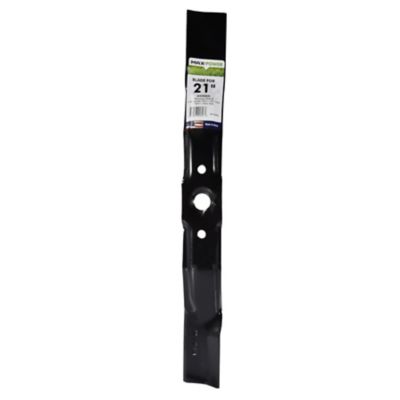
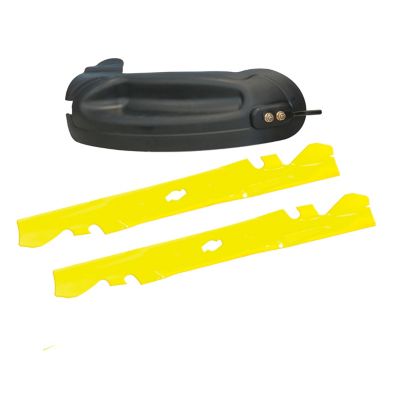
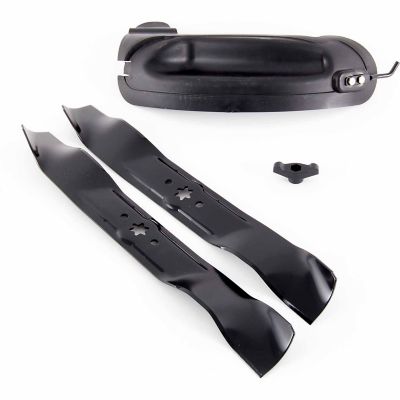
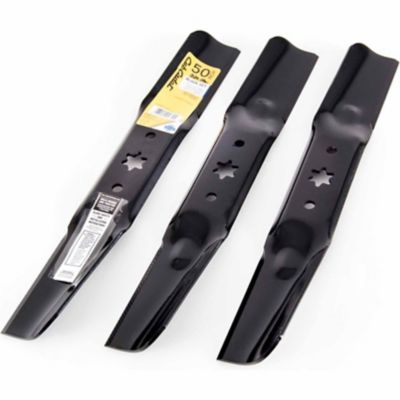
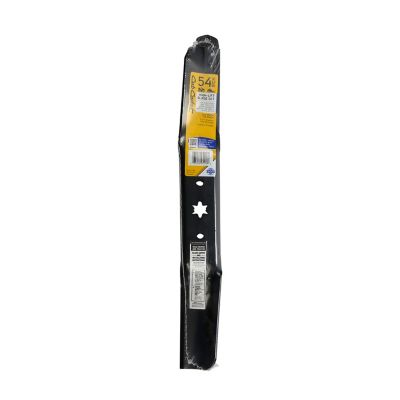
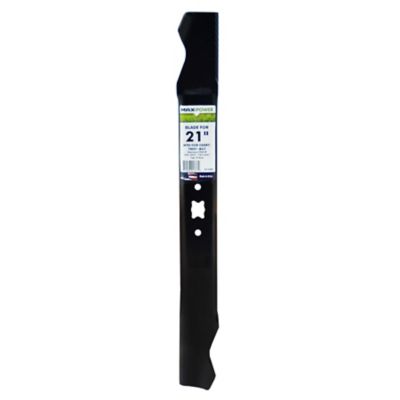
Materials matter because mower components spend their working lives around vibration, grass clippings, dust, and repeated movement. Depending on the application, drive belts may combine flexible rubber compounds with reinforcing cords that help them carry tension through the pulley system. The correct construction matters alongside dimensions; a belt meant for a different job may not behave properly around the mower’s pulleys or engagement mechanism. Drive cables commonly pair a moving inner wire with a protective outer housing, and their end fittings need to seat correctly at both the handle control and the drive assembly. Wheel assemblies may combine molded material, rubber tread, metal bushings, or gearing, with each element serving a different role. Tread helps the wheel grip the lawn, while the hub and internal engagement surfaces help transmit motion. A wheel that rolls freely is not necessarily a wheel that engages the drive properly. Metal components also vary by function, from formed brackets to cutting blades with specified dimensions and mounting features. Blade length alone does not establish compatibility; the center opening, mounting pattern, shape, and manufacturer requirements matter as well. Keeping the correct cutting setup helps preserve clearance within the deck and the mower’s intended cutting performance. Engine maintenance components have their own fit requirements, including filter shape, sealing surfaces, and the specifications listed for ignition parts. These are practical considerations for homeowners tending a small yard, folks mowing around outbuildings, and property owners covering longer stretches between gates and fence lines. Frequent turns, uneven ground, and repeated starts and stops put different demands on controls and running gear than a straight, open lawn does. Component selection should reflect the mower’s design and intended use rather than an attempt to make it tackle work beyond its limits. A properly matched replacement restores the function the machine was built to provide, with service life influenced by installation, operating conditions, and ongoing care.
Good care helps replacement parts earn their keep, especially in places where clippings collect out of sight or controls move every time the mower changes direction. A clean deck area and clear drive components make wear easier to spot, while storage that limits moisture exposure helps protect metal surfaces and cable fittings. Cleaning methods, lubrication points, belt adjustments, and service intervals should follow the mower manufacturer’s instructions; not every bearing, cable, or drive assembly calls for added lubricant. Work around blades and moving components also calls for the shutdown and ignition-disconnection precautions described in the owner’s manual. For shoppers comparing replacements, helpful product information includes dimensions, mounting details, compatible model and serial ranges, and a clear description of what the package contains. A wheel assembly may include different hardware than a wheel alone, and a cable may have fittings that are essential to its installation. Knowing whether retainers, spacers, fasteners, or other attachment pieces are included helps keep a repair from stopping halfway through. The same attention belongs on nearby wear points: a new belt cannot correct a damaged pulley, and a replacement drive wheel may not resolve trouble elsewhere in the engagement system. That makes surrounding condition part of the buying decision without turning every repair into a complete rebuild. For related equipment beyond the repair itself,
Honda Mower Accessories offers another place to explore the mower setup. The practical goal stays the same whether the machine handles a tidy front lawn or grass around a farmhouse: steady propulsion, responsive controls, and a cutting system that works as intended. Well-matched parts make routine upkeep more straightforward and help preserve familiar equipment that already suits the property. With the model information close at hand and the worn assembly clearly identified, comparing replacements becomes less about guessing from pictures and more about finding the fit, construction, and function the mower needs. That leaves a clearer path from a worn component to getting the machine back to work.