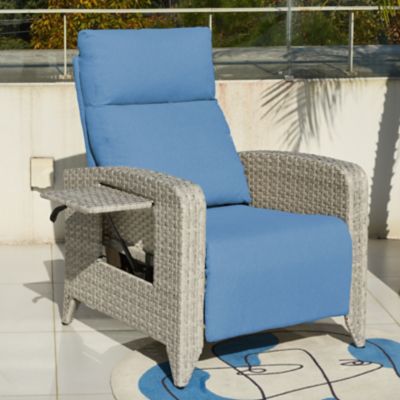
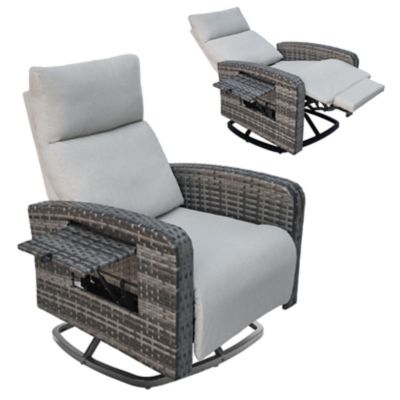
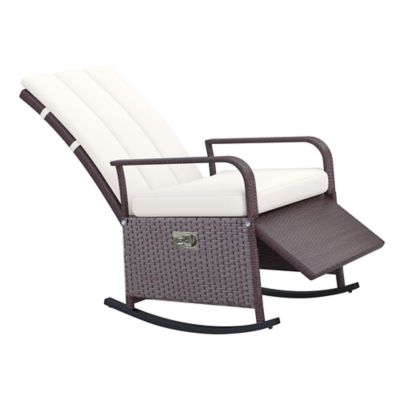
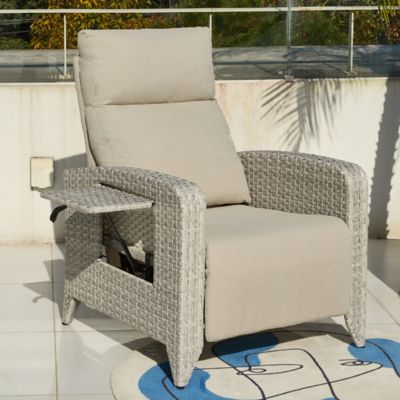
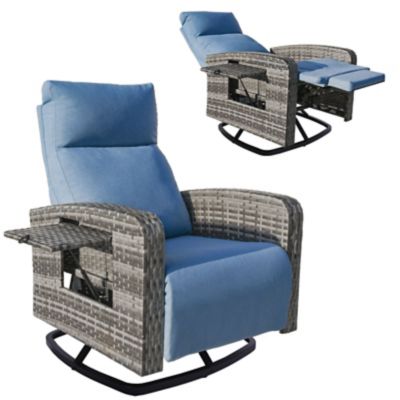
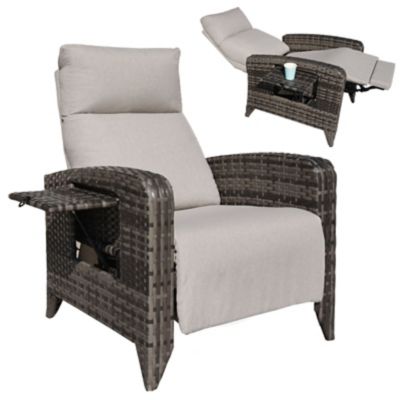
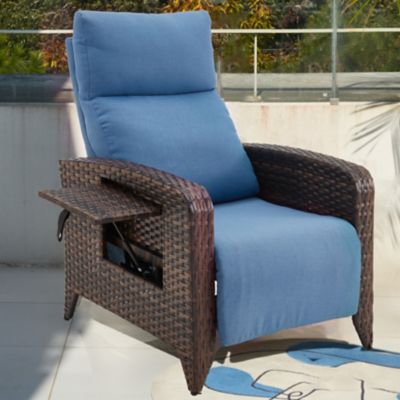
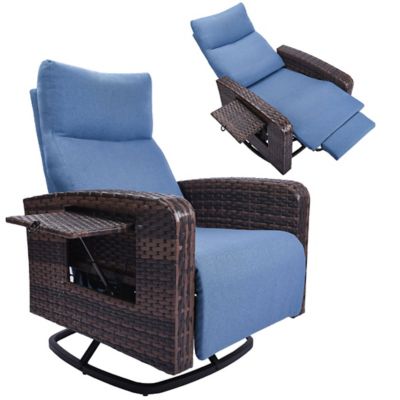
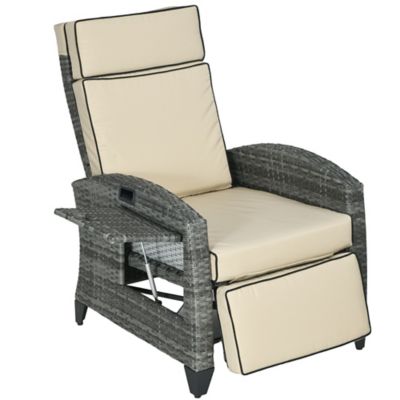
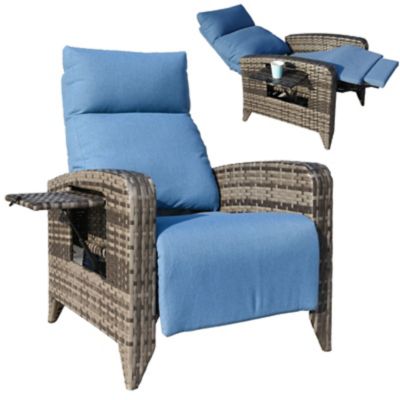
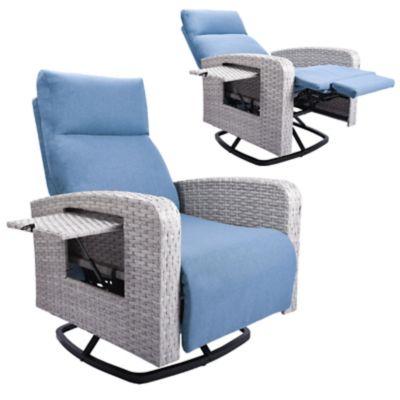
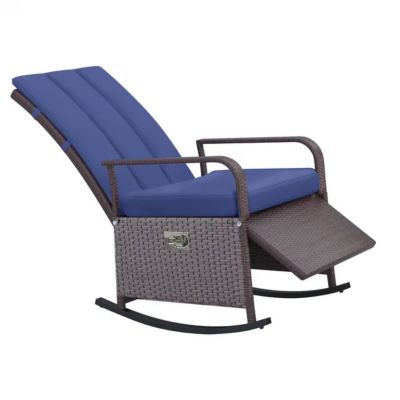
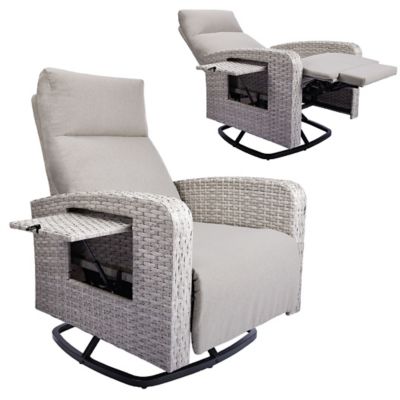
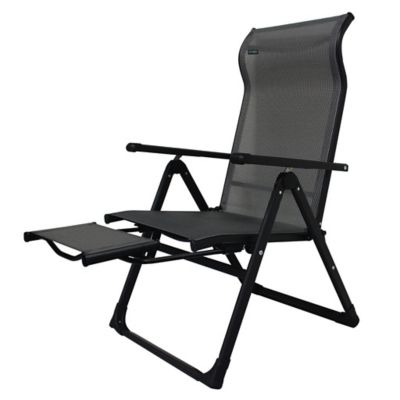
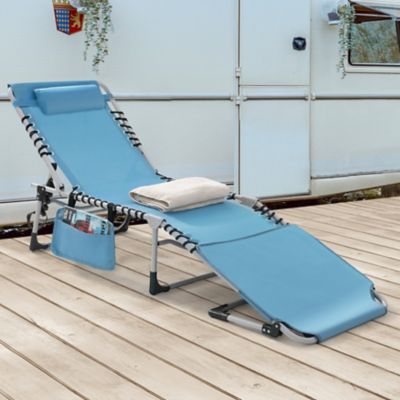
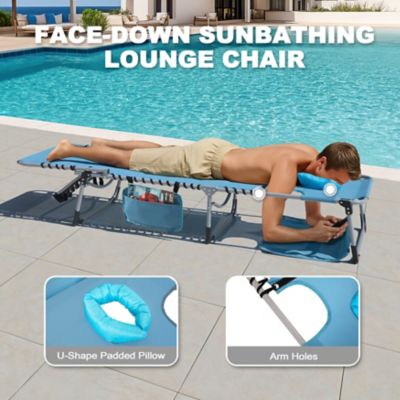
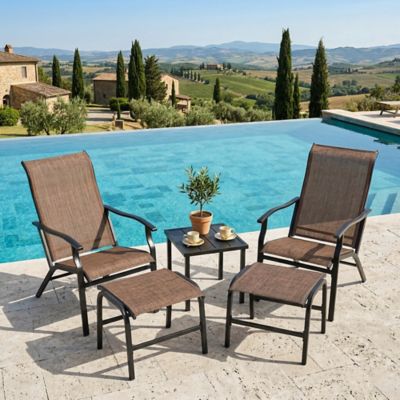
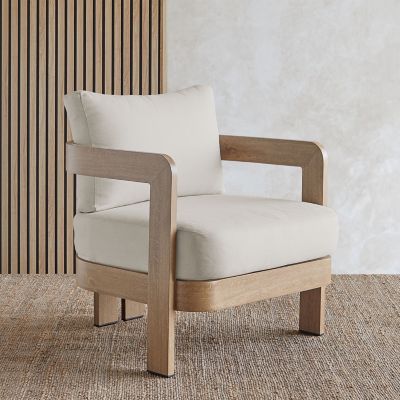
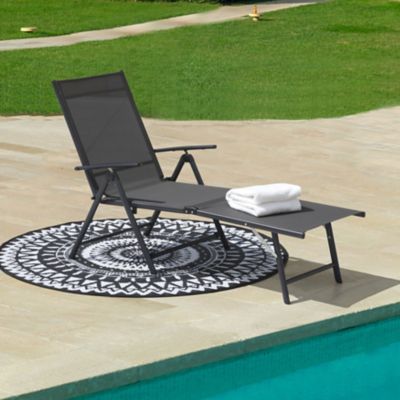
Outdoor recliner chairs with footrests bring an adjustable backrest and a place to prop up your legs into one outdoor seat. They suit the kind of downtime that follows mowing, tending the garden, or finishing a few jobs around the property, whether that means reading on the porch or sitting back beside the patio table. The main differences come down to how the chair reclines, how the footrest moves, and how much room the whole setup needs. Some designs raise an attached footrest as the back tilts, while others let the back and leg support move separately. Folding zero-gravity styles typically move the seat, back, and foot section together into a reclined position; the name describes the seating style, not an actual absence of gravity. More substantial patio recliners often have a cushioned seat and a footrest that tucks beneath the front edge. A separate ottoman provides another way to support the legs, though it takes up its own floor space and does not move with the chair. For an attached footrest, its length and angle matter as much as the seat itself. Support should feel comfortable beneath the lower legs without an edge pressing behind the knees or against the calves. Seat width, seat depth, arm height, and back height also affect the fit, especially for taller folks or anyone who prefers a shallower seat. A chair that feels roomy while sitting upright may feel quite different when leaned back. The listed weight capacity applies to the chair as the manufacturer specifies; an extended footrest is not an extra seat. Space planning includes the fully reclined footprint, not just the upright dimensions. On a narrow porch, that means leaving room behind the backrest, ahead of the footrest, and along the walking path to the door. A level, stable surface helps keep the chair steady, while accessible controls make it easier to settle in and return upright without reaching awkwardly around an armrest.
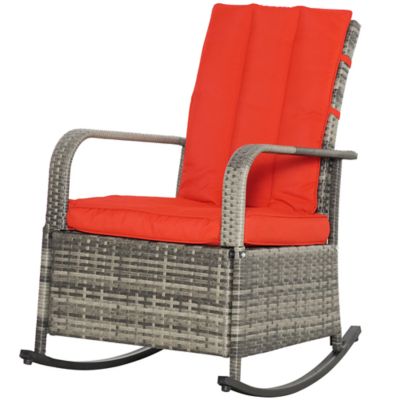
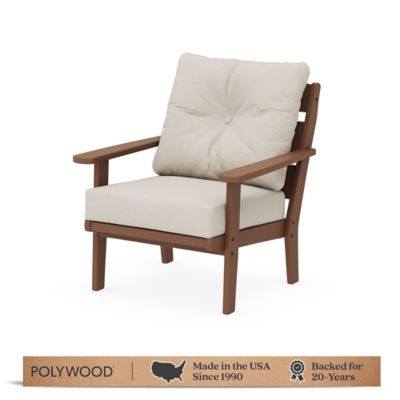
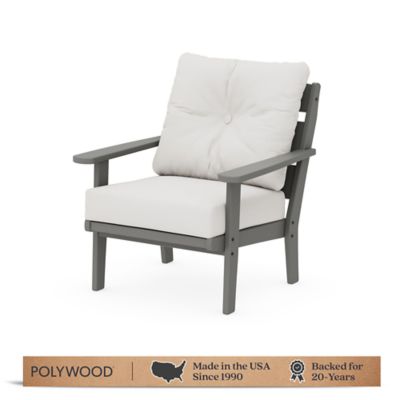
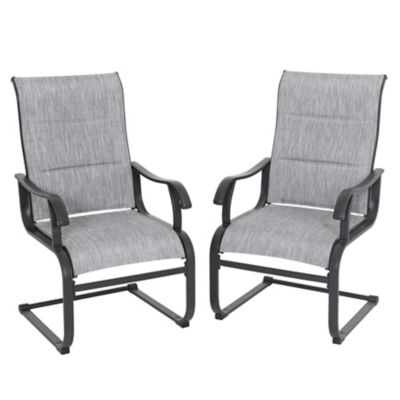
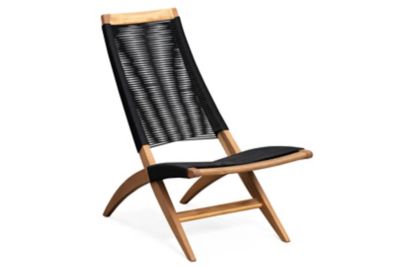
Frame and fabric choices shape both the feel of an outdoor recliner and the attention it needs over time. Aluminum frames are generally lighter than comparable steel frames and resist rust, which can be helpful when a chair needs moving for sweeping or rearranging the porch. Steel adds heft, and a powder-coated finish helps protect the metal, though scratches and worn spots deserve attention before corrosion spreads. Resin wicker, including polyethylene wicker, is woven over a supporting frame, so the frame material and the condition of the weave both matter. It offers a textured look without the same care needs as natural wicker, but it still benefits from cleaning and protection from prolonged exposure. Wood brings a different feel, with upkeep depending on the species, finish, and manufacturer’s recommendations. Across these materials, solid joints, secure hardware, and a reclining mechanism that moves smoothly contribute to how well a chair holds up through repeated sitting, folding, and moving. Sling seats stretch fabric across the frame and often allow more airflow around the body. Cushioned recliners provide a softer surface, with comfort influenced by cushion thickness, filling, and the support beneath it. A thick cushion is not automatically the right fit if it raises the seat too high or leaves too little room beneath the armrests. Fabrics described as water-resistant can handle some moisture, but that description does not mean the cushions are waterproof or should stay wet. Removable covers may simplify care, although removal does not necessarily mean machine washing is permitted. Fade resistance is worth considering for exposed seating areas, while seams, zippers, and cushion ties deserve a close look because they get regular handling. Earth tones can sit comfortably beside wood decking and brick, and patterned fabrics can make small marks less noticeable between cleanings. Pairing a recliner with
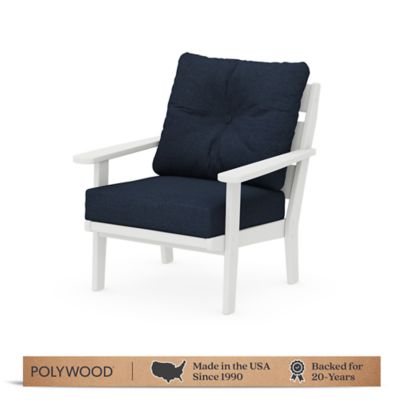
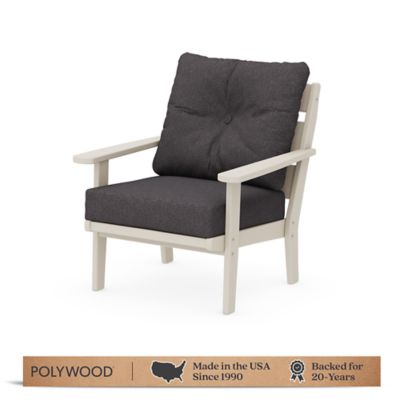
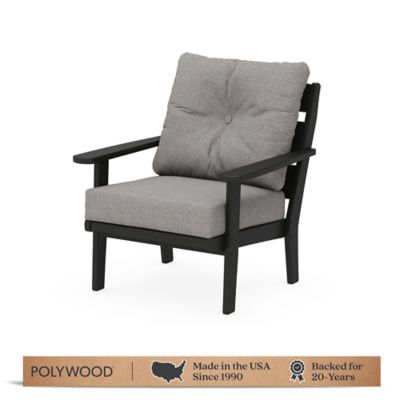
Outdoor Lounge Chairs With Cushions can help tie together a porch conversation area without making every seat the same. Coordinated cushions, similar frame finishes, or a shared color can give the space a settled-in feel.
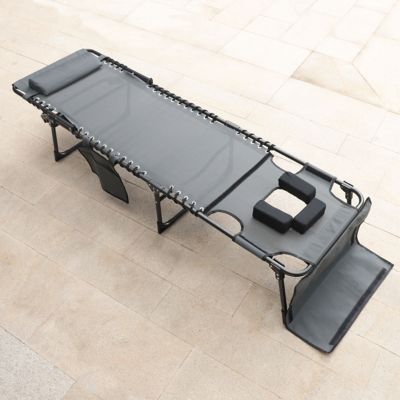
Everyday use often makes the smaller details stand out. Broad armrests offer a comfortable place for forearms, while a head pillow can make a taller backrest feel more supportive when reading or resting. An adjustable pillow allows different people to position it where it feels comfortable rather than working around a fixed pad. Cupholders and side trays can keep a drink or paperback within reach, provided they do not crowd the controls or interfere with folding. For a chair that moves between the porch and yard, folded dimensions, carrying weight, and a secure folding latch matter more than they might for seating that stays in one spot. A heavier recliner may suit a dedicated patio corner, while a folding frame can be easier to tuck away when the area needs clearing. Assembly needs vary, too; some designs require attaching arms or a base, and clear access to fasteners makes later checks less of a chore. Dirt and grit can collect around moving parts, so regular cleaning helps keep those areas clear. A soft brush or cloth and a cleaner approved for the material are usually a better starting point than harsh scrubbing or a pressure washer. Cushions should dry fully before enclosed storage, and a properly fitted cover can help limit dirt and moisture exposure without being pulled tight against sharp frame edges. Folding and reclining mechanisms need room to move, with fingers, children, and pets kept clear of pinch points. Footrests are for leg support rather than standing or climbing, and the chair should return to a stable position before getting up, following its operating directions. For a parent, a retiring neighbor, or someone who spends plenty of time tending their place, an outdoor recliner can make a thoughtful gift when the seat fit and available space are known. Whether it becomes the favorite spot for morning coffee or a quiet break after chores, the right combination of support, manageable care, and practical proportions makes it easier to put your feet up.