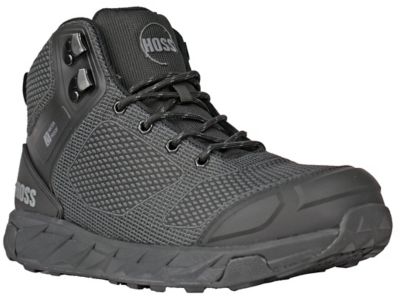
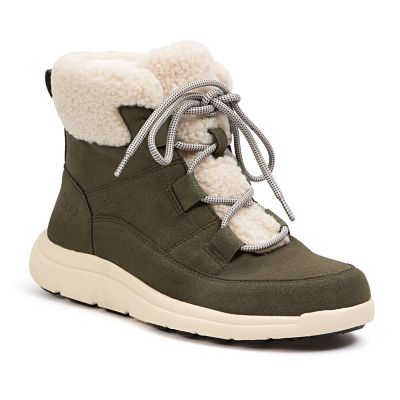
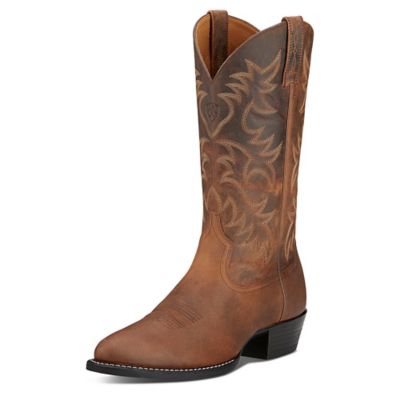
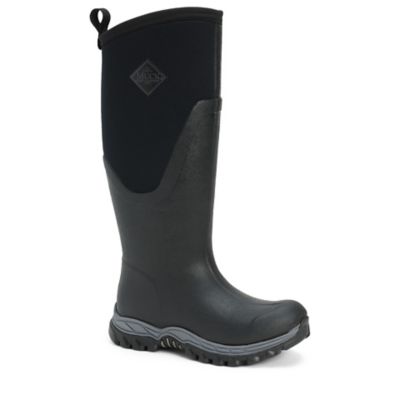
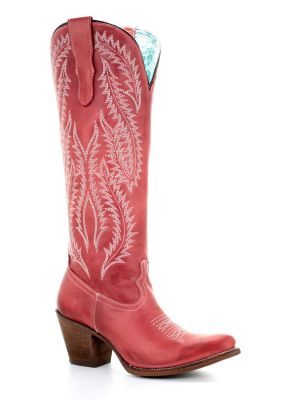
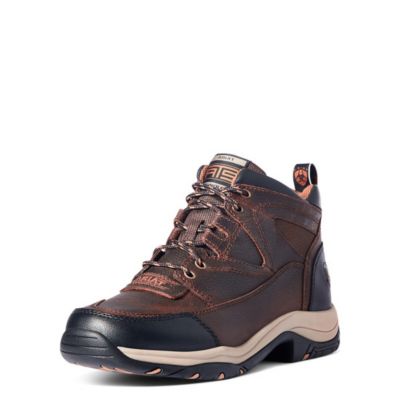
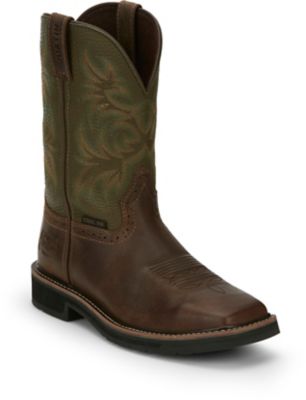
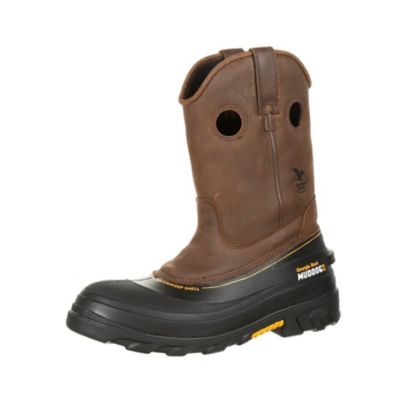
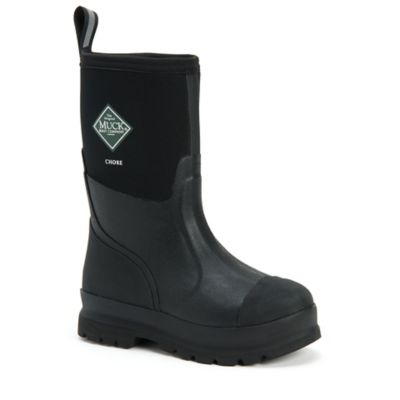
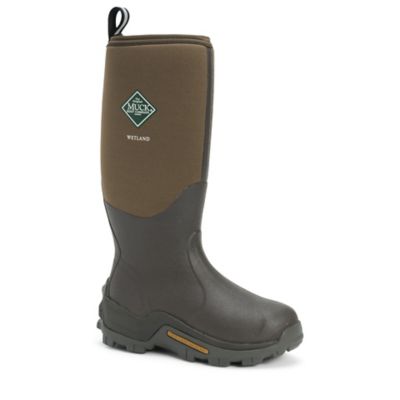
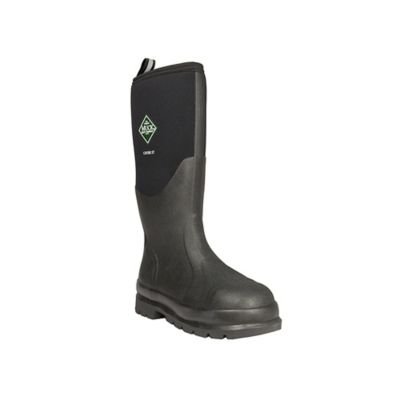
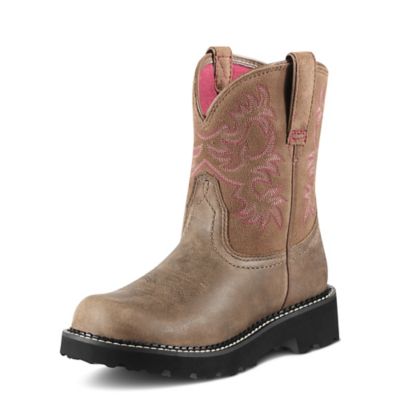
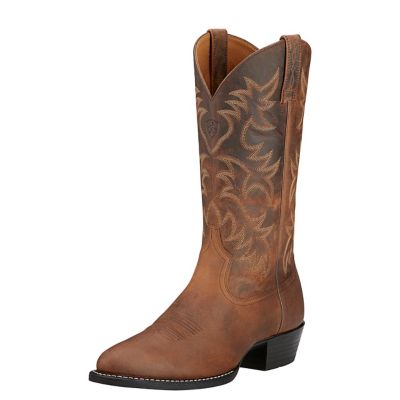
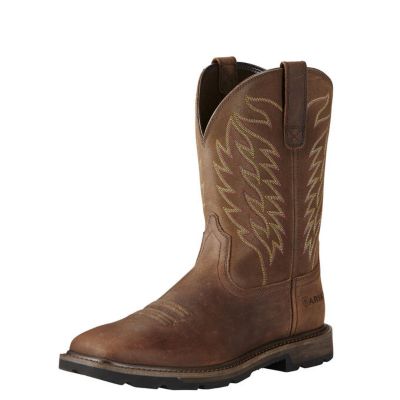
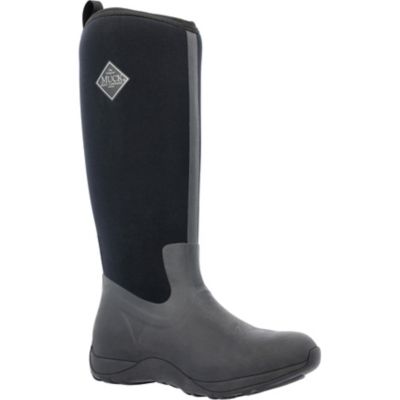
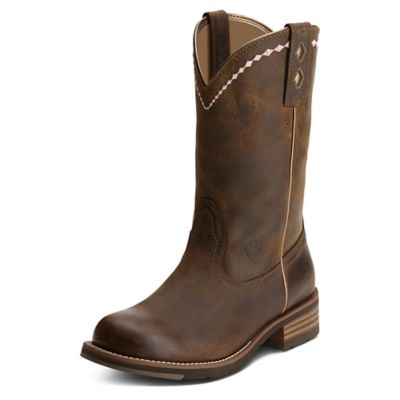
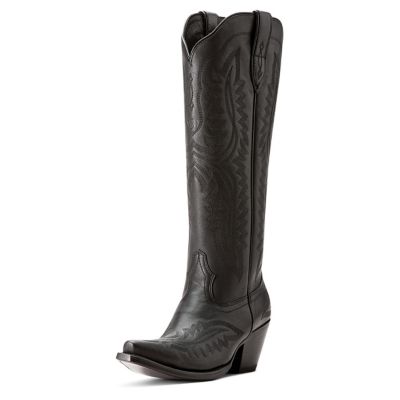
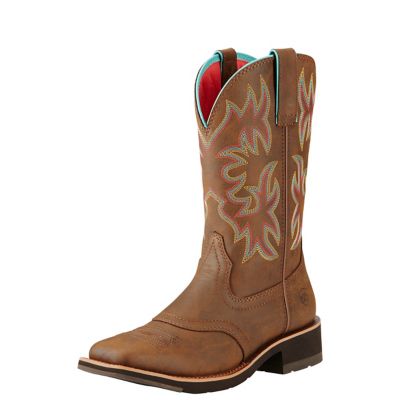
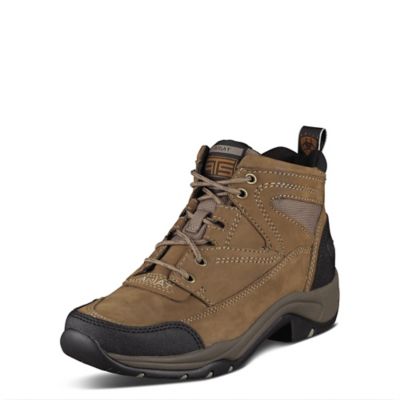
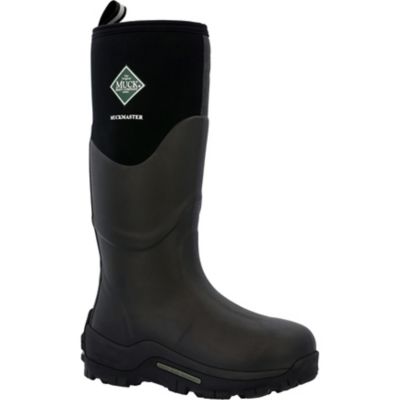
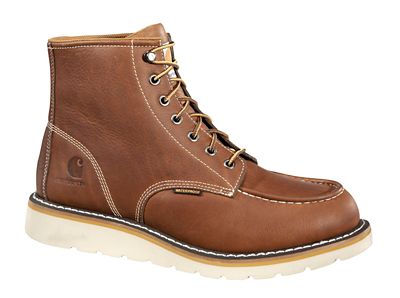
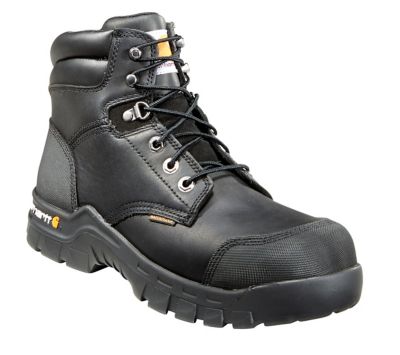
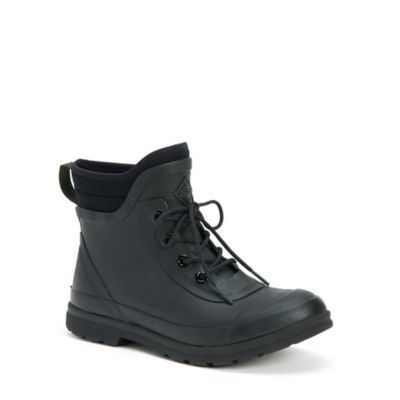
High-top boots rise above the ankle, offering more coverage than low-cut shoes in styles that range from flexible, everyday footwear to structured boots built for demanding jobs. That higher cut can help keep grit away from socks and provide a closer feel around the ankle, though the amount of support depends on the boot’s construction and fit. Unlike high-top sneakers, boots generally put more emphasis on protective uppers, substantial soles and features suited to work or time spent on rough ground. Not every pair has the same purpose: a lightweight style for walking around town is a different tool than a safety-toe boot for moving materials in a shop. For folks tending animals, checking fence lines or spending hours on their feet, the details underfoot matter just as much as the height of the upper. Deep tread can get a better bite on loose ground, while a shallower pattern may carry less dirt into the truck or house. Slip resistance depends on the outsole and the surface, so a pronounced tread alone does not tell the whole story. Leather uppers offer structure and can soften with wear, while textile panels may reduce weight and allow more airflow. Synthetic materials bring another range of textures, flexibility and care requirements. Suede and nubuck have a softer-looking surface than smooth leather, but they call for different cleaning methods. Reinforcement around the toe and heel can help protect areas that rub against steps, equipment or the ground. For tasks involving falling objects, compression hazards or other workplace risks, the relevant safety rating matters more than a boot’s appearance. A protective-looking toe is not necessarily a certified safety toe, and ankle coverage does not replace the protection required for a particular job. Matching the construction to the task makes more sense than judging a boot by height or heft alone.
Fit determines how those features feel after several hours of walking, bending and climbing. A high-top boot should hold the heel securely without squeezing the forefoot, and the toes need room to move without pressing against the front. A little heel movement may occur in some constructions, especially pull-on styles, but repeated rubbing or sliding can turn a short walk into a sore spot. The upper should wrap comfortably around the ankle rather than dig into it when stepping down from a truck or crouching beside a feed bin. Laces allow adjustment through the instep and ankle, which can be helpful when one foot is slightly larger or when socks add volume. Side zippers can make getting boots on and off simpler, while pull-on designs avoid loose laces around the lower leg. Each closure still needs a secure fit; ease of entry is only part of the equation. Trying boots with the socks intended for everyday wear gives a better sense of toe space and heel hold. Anyone wearing an orthotic also needs enough interior depth to accommodate it without crowding the foot. Footbeds, midsoles and shanks each affect how a boot feels: cushioning softens contact underfoot, while structural components influence flexibility and support. More padding is not always the answer, particularly when it leaves the heel unstable or takes away needed room. Time on a concrete shop floor calls for different underfoot comfort than short trips across gravel or packed dirt. Boot weight matters, too, especially for someone who walks between buildings all day. Leather may relax with wear, but break-in time should not mean enduring pinched toes, numbness or a painful pressure point. A comfortable fit from the outset, with enough flexibility for the intended movement, is a better foundation than hoping a poor fit will eventually sort itself out. Socks that sit above the boot collar can also reduce direct rubbing against the leg, provided their thickness does not make the fit too tight.
Long service life comes from both construction and everyday care. Stitching, sole attachment, upper thickness and reinforcement all contribute to how well high-top boots handle repeated wear, but no single feature makes a pair right for every task. Some stitched constructions allow a worn outsole to be replaced by a footwear repair shop; many other constructions do not. Keeping packed dirt out of the tread and wiping away grit before it works into seams helps limit needless wear. Smooth leather generally benefits from a suitable cleaner and conditioner, while suede, nubuck and fabric need products intended for their particular surfaces. Too much conditioner can change leather’s appearance or feel, so the maker’s care directions are worth following. Boots that become damp should dry with airflow, away from direct heat that can damage uppers, adhesives or soles. Removing insoles when the design allows can help the interior dry more thoroughly. Checking laces, eyelets and separating edges catches small problems before they interrupt a day’s work. Appearance has a place alongside those practical details, especially for boots that move from chores to a trip into town.
Tan Boots pair easily with blue denim, canvas work pants and other earth-tone clothing, while differences in leather texture and stitching can make the same general color look more relaxed or more work-focused. A lower-profile toe may slip neatly beneath a straight pant leg, whereas a broader toe shape can create a roomier silhouette without necessarily indicating a wider fit. High-top boots can also make a thoughtful gift for someone starting a hands-on job, spending more time around a property or replacing a well-worn everyday pair. Knowing the recipient’s size, width, usual tasks and preferred closure is more helpful than choosing by looks alone. Whether the day involves walking a gravel lane, organizing a workshop or heading into town, the best match balances ankle coverage, comfortable movement and the features the wearer will actually need.