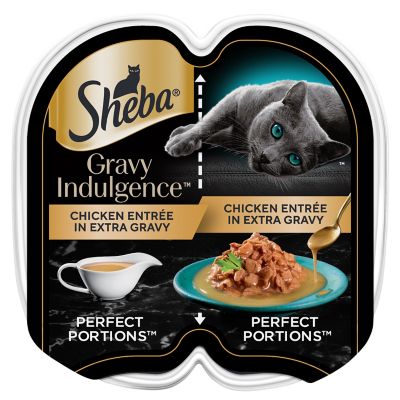
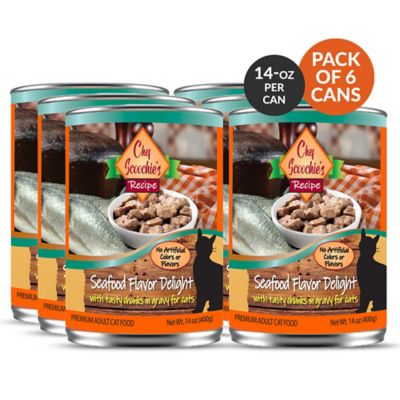
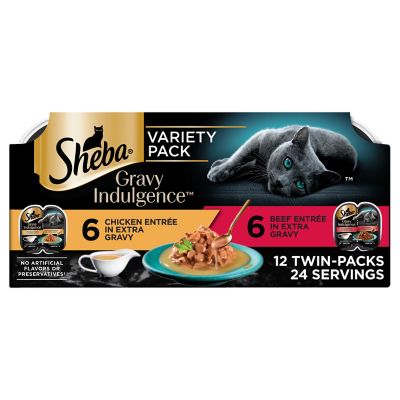
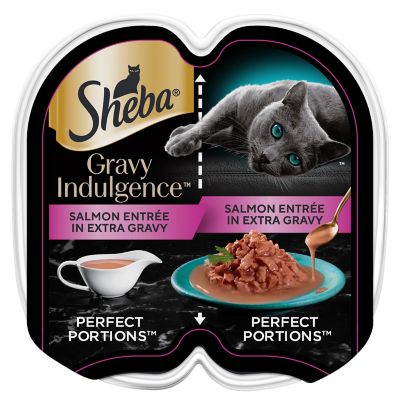
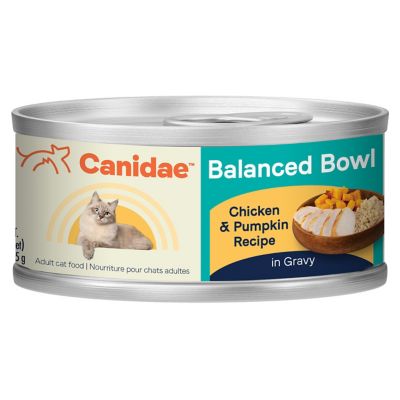
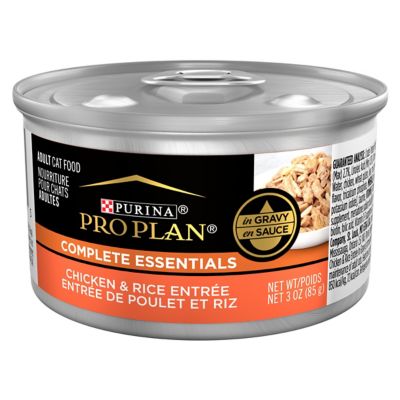
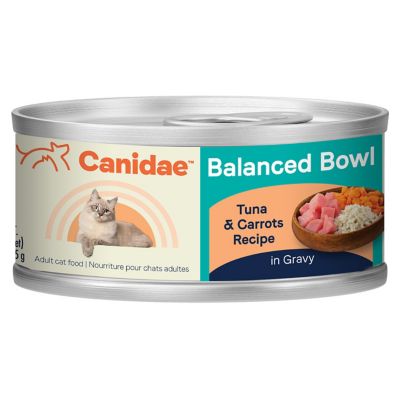
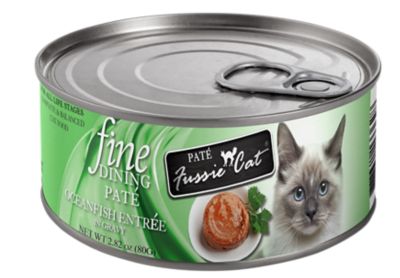
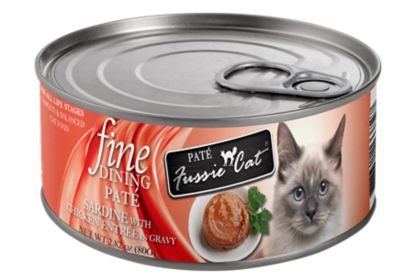
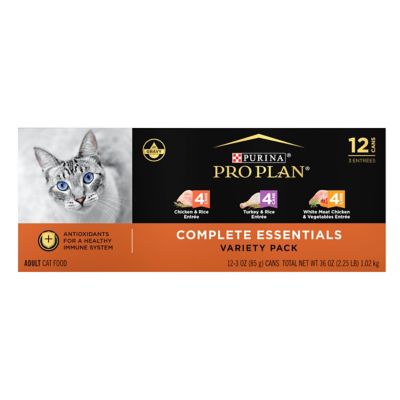
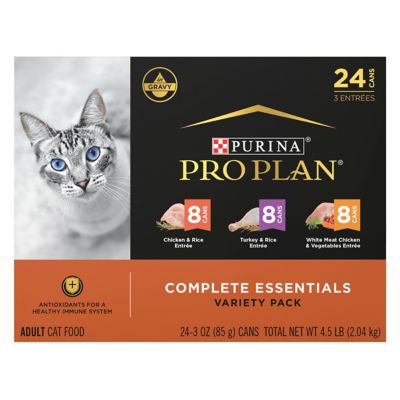
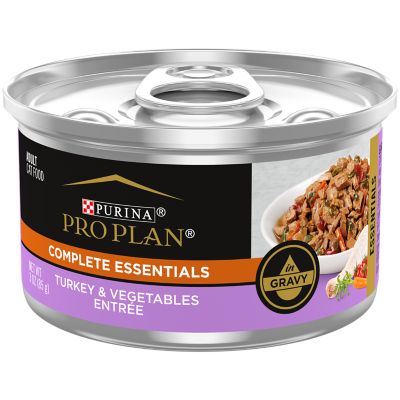
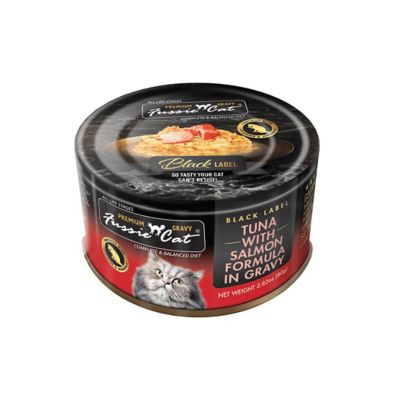
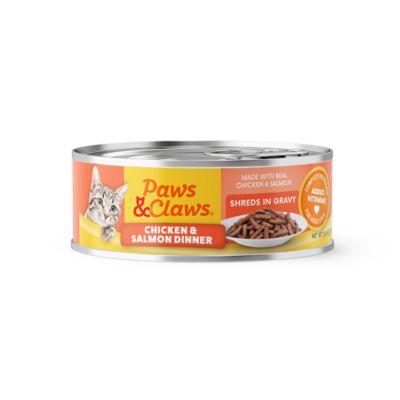
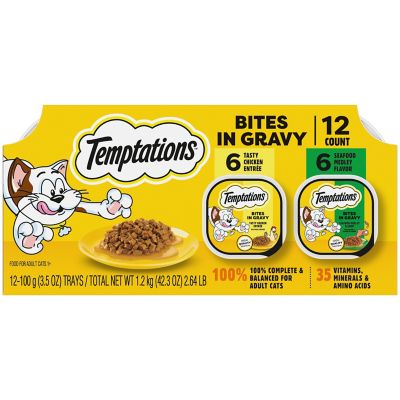
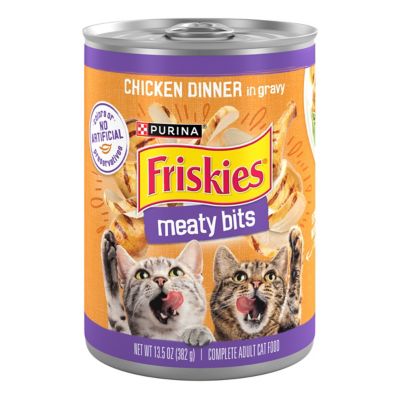
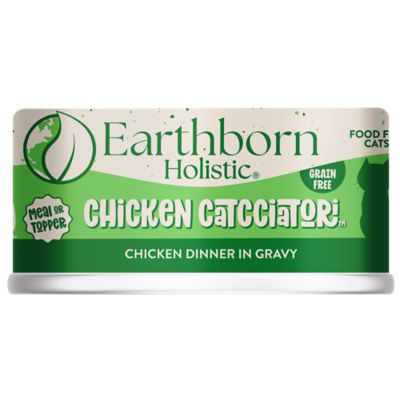
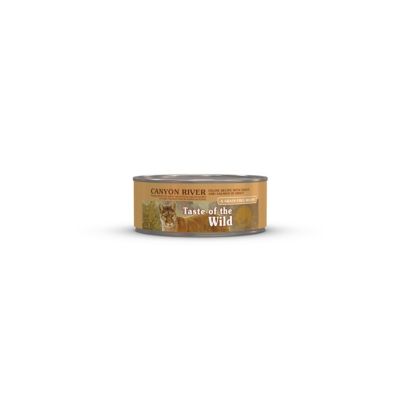
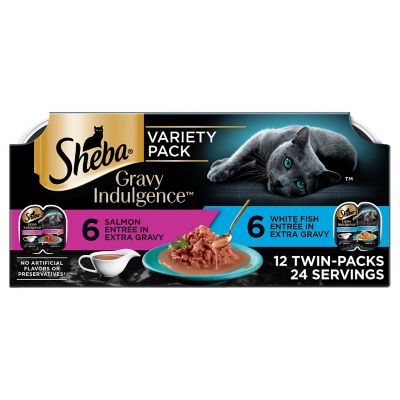
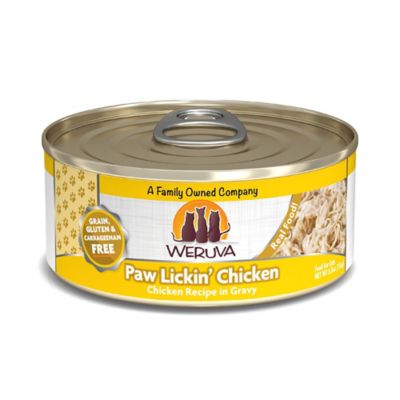
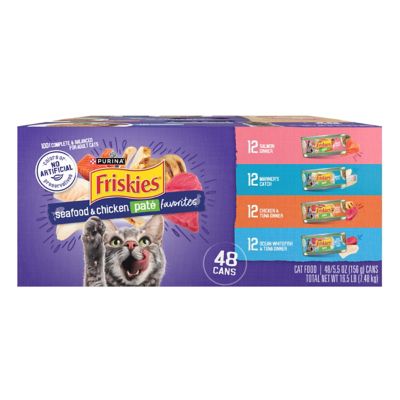
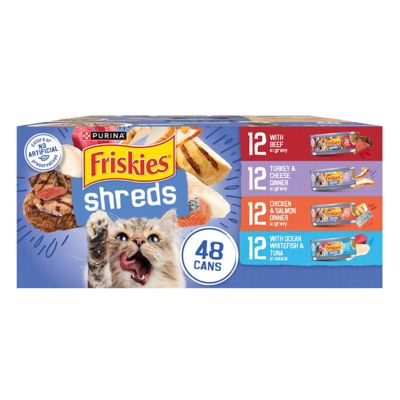
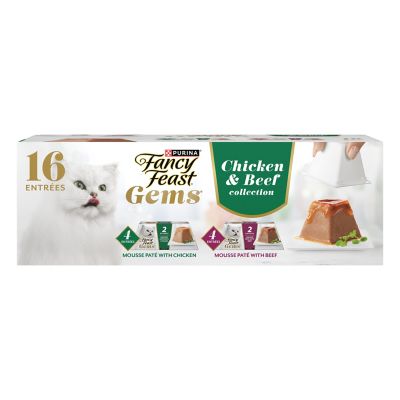
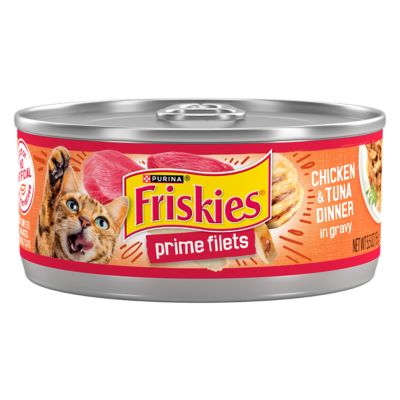
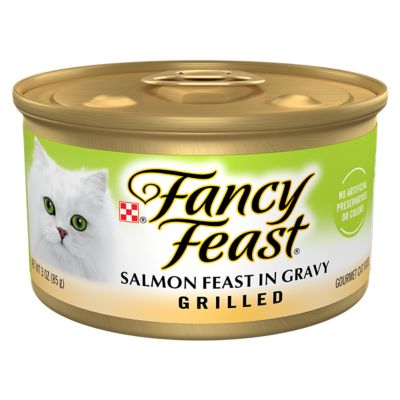
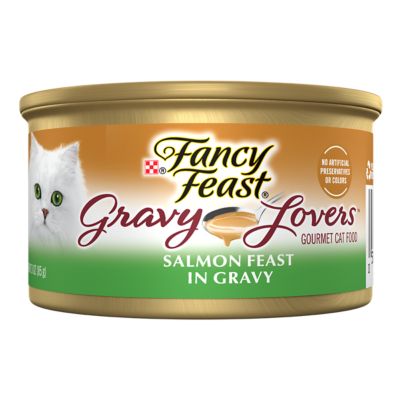
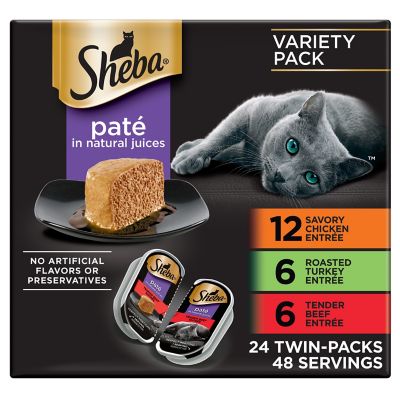
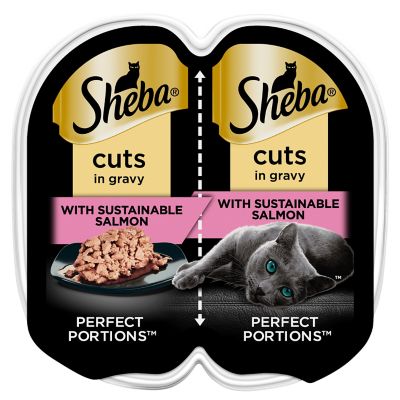
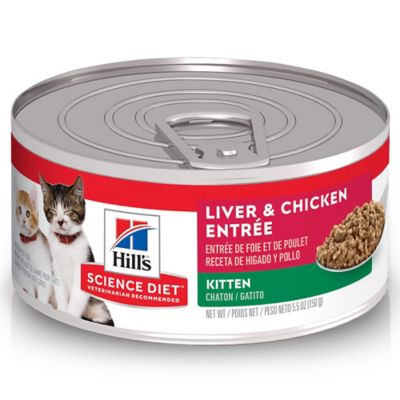
Wet cat foods with gravy combine tender pieces, shreds, flakes, or minced bites with a savory sauce that brings moisture and flavor to the bowl. The result is a meal with two distinct textures: soft solids for a cat to bite into and liquid to lap up. For cats that head straight for the sauce, that combination can be a big part of mealtime appeal. Chicken, turkey, beef, and fish are common recipe ingredients, while the thickness of the gravy and the size of the pieces vary by formula. Fine shreds offer a different eating experience from chunky bites, even when the main protein source is the same. A cat that leaves larger pieces behind may take more readily to a smaller cut, though preferences differ from one cat to the next. Gravy-style wet food also differs from pâté, which generally has a more uniform, finely ground consistency rather than separate pieces sitting in sauce. Neither texture is automatically the better choice; what matters is a suitable nutritional formula that the cat will actually eat. These foods fit plenty of everyday routines, from feeding a single house cat by the kitchen door to setting out separate bowls for several cats after morning chores. Cans, pouches, and portioned trays provide different serving formats, and package size matters when matching a meal to a cat’s appetite. A smaller container may suit a single feeding, while a larger one may leave a portion to refrigerate for later. Easy-opening packaging can make feeding simpler, but the food’s calorie content and feeding directions matter more than container size alone. Wet food with gravy can serve as a full meal when labeled complete and balanced for the appropriate life stage, or it can accompany dry food with portions adjusted to account for both. That flexibility makes it a practical fit for households where cats have different eating habits, schedules, and texture preferences.
The gravy gets plenty of attention, but the nutritional information tells more of the story. Cats need animal-derived nutrients, including taurine, and a food’s suitability depends on its overall formulation rather than how meaty it looks or how thick its sauce appears. A nutritional adequacy statement identifies whether a recipe provides complete and balanced nutrition and the life stage it supports. Growing kittens have different needs from adult cats, so a growth or all-life-stages formula serves a different purpose from one labeled for adult maintenance. Older cats may also need adjustments based on body condition, appetite, dental comfort, or a veterinarian’s recommendations; a senior label alone does not settle every feeding decision. Gravy recipes often contain ingredients that help thicken the sauce, such as starches or gums. Their presence does not by itself establish whether a food is suitable, and gravy thickness is not a dependable measure of carbohydrate content. For a cat with diabetes, kidney disease, food sensitivities, or another diagnosed condition, veterinary advice takes priority over flavor or texture preferences. Moisture is another consideration. Wet cat food contributes water through meals, which can be helpful for cats that do not visit the water bowl often, but fresh drinking water should still be within reach. Moisture content alone also does not make a food a treatment for urinary concerns. Calorie information helps put serving size in perspective, especially when wet and dry foods share the daily menu. Two containers that look about the same size may deliver different amounts of energy. Treats and toppers count toward that daily total, too. In a home with several cats, separate feeding spots make it easier to see who finishes a meal and who only licks the gravy. If the solid portion stays in the bowl, the cat may not be getting the intended balance of nutrients from that serving. A different cut or consistency may be worth considering, while a sudden or persistent change in eating calls for a conversation with a veterinarian.
Everyday handling makes a difference in how well gravy-style meals fit a household’s routine. A shallow bowl with room around the edges gives a cat easy access to both the sauce and the pieces, and a steady feeding spot can help keep meals calm. Stainless steel and intact, food-safe ceramic bowls are practical choices because they wash readily; chipped surfaces and lingering food residue have no place at the next serving. Stirring the pieces and gravy together can help distribute the sauce, though it will not guarantee that a selective eater finishes everything. Some cats prefer smaller, more frequent servings rather than one large helping, particularly when an open portion would otherwise sit untouched. Wet food needs prompt attention after serving, not an all-day stay beside the feed bin or back door. Follow the package’s handling directions, refrigerate opened portions promptly in a covered container, and discard food left out beyond the recommended serving period. Refrigeration does not keep opened food fresh indefinitely, so the label’s storage window matters. Washing bowls after each wet meal helps remove the sticky film that gravy can leave behind. When changing recipes, a gradual transition over several days can help a cat adjust, unless a veterinarian recommends a different approach. Keeping the familiar food in the mix while introducing the new one also makes changes in appetite or digestion easier to notice. For households feeding both cats and dogs, similar-looking sauces do not mean the foods meet the same nutritional needs. The
Dog Food With Gravy page covers the canine side of mealtime, while cats need food formulated for cats. Whether the bowl belongs to a playful kitten, a settled adult, or an older companion who comes running at the sound of a lid opening, the best fit brings together appropriate nutrition, a manageable portion, and a texture that suits the cat. Gravy adds appeal, but a meal the cat eats consistently—and that fits its health needs—is what earns a place in the daily routine.