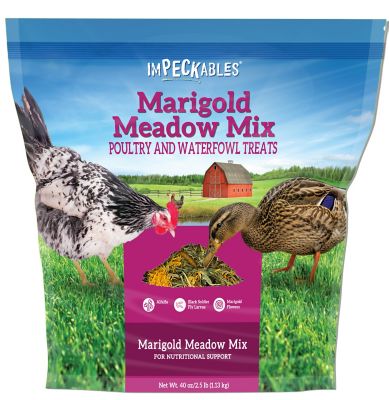
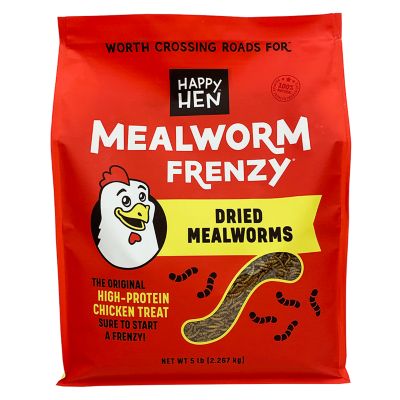
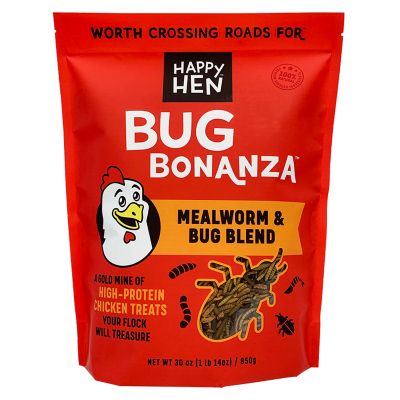
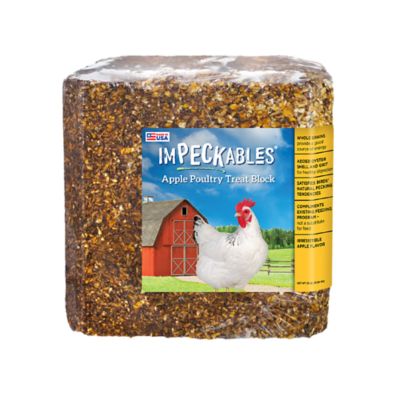
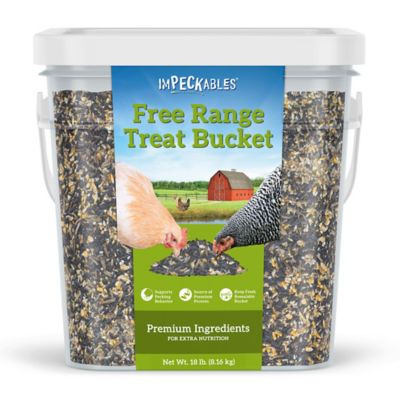
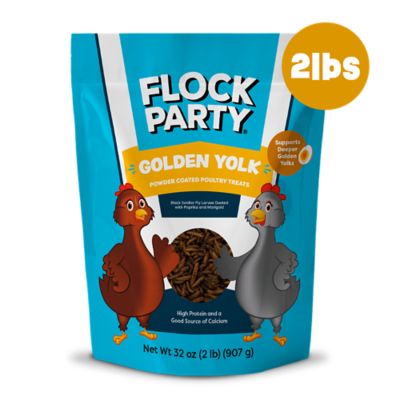
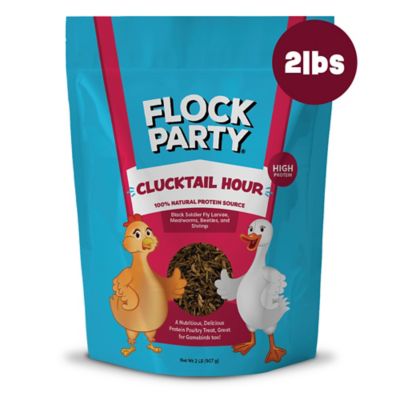
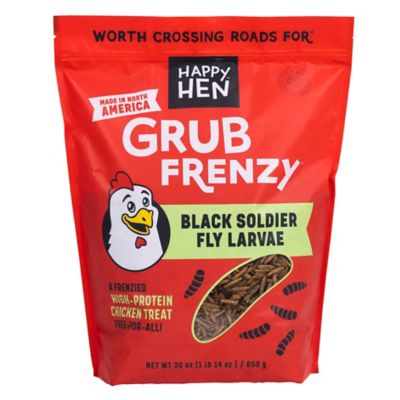
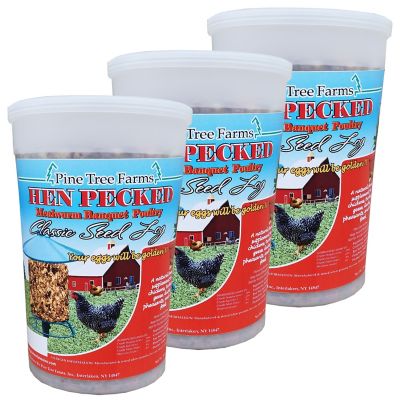
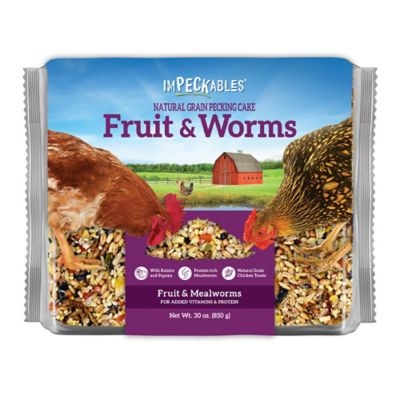
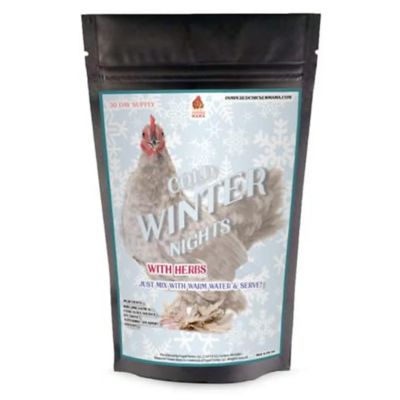
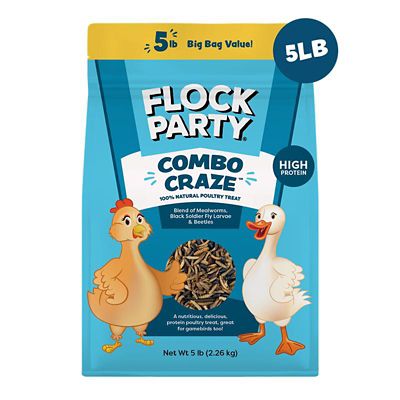
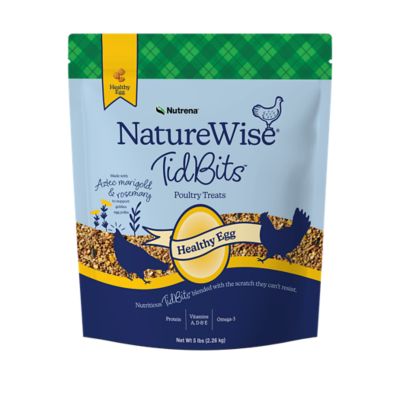
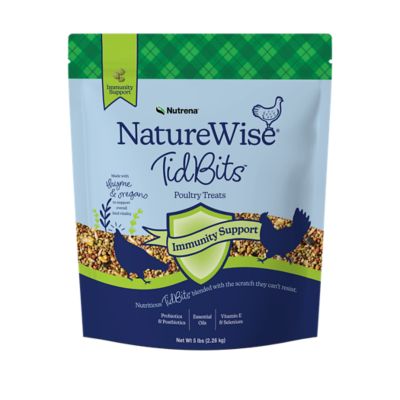
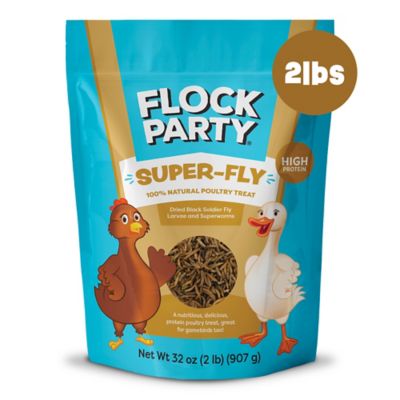
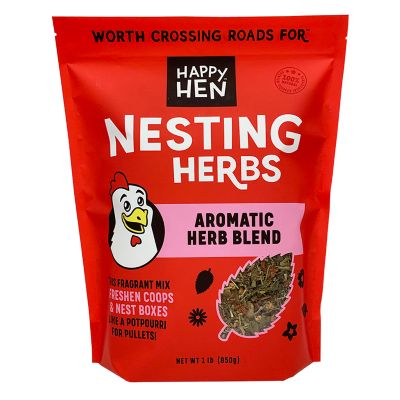
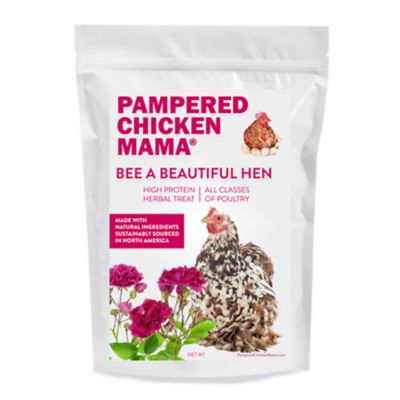
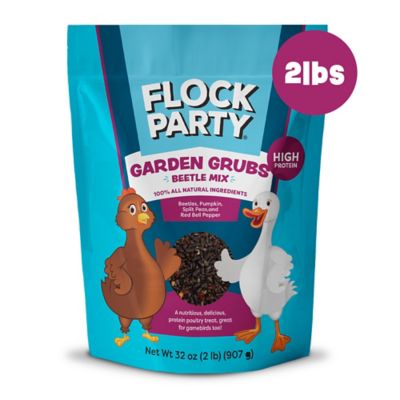
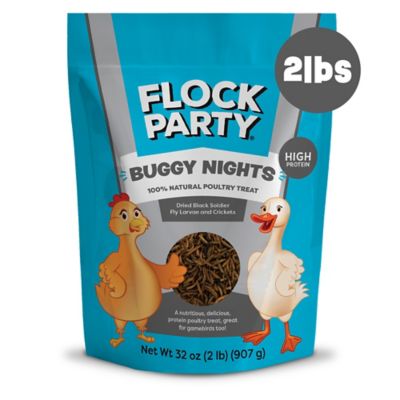
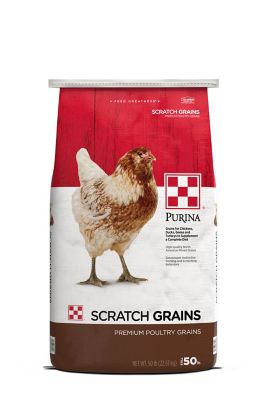
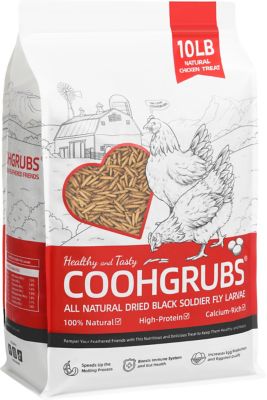
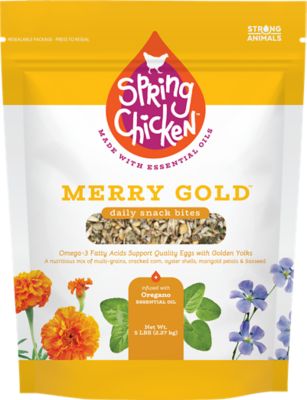
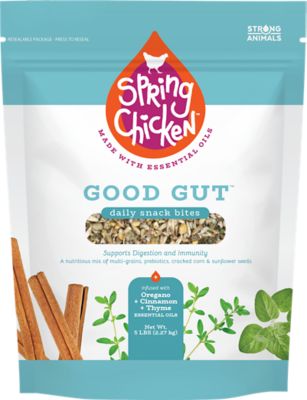
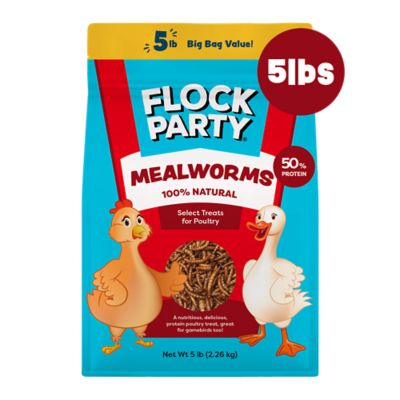
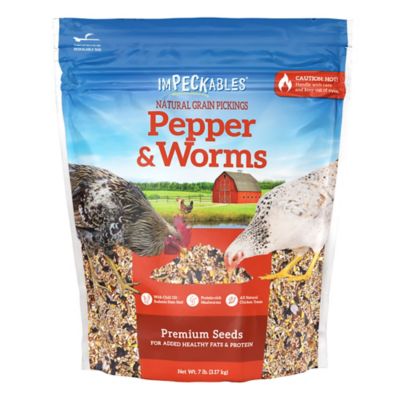
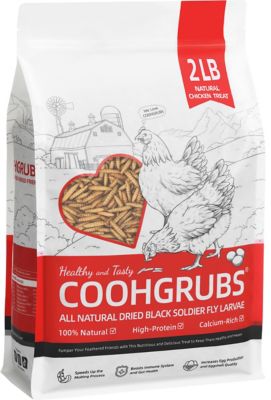
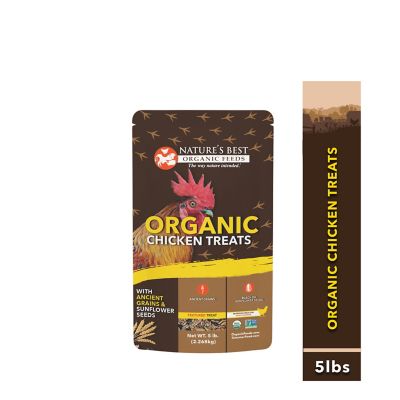
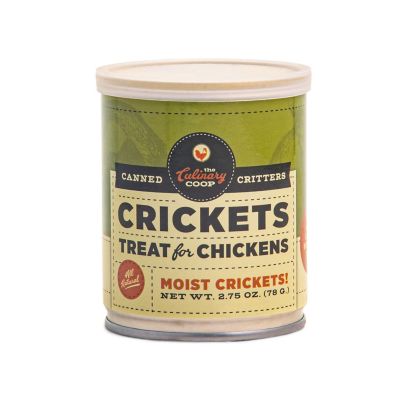
Chicken treats bring a little extra interest to the everyday rhythm of keeping a flock, from a few birds behind the house to a busy coop out by the barn. The rustle of a treat bag can draw hens across the run, turning an ordinary check of feeders and waterers into a chance to see the birds up close. Treats made for poultry complement that routine with different ingredients, textures, and feeding formats, giving flock keepers choices that suit their birds and their setup. Dried insects offer a crisp bite, while grain and seed blends give chickens a mix of small pieces to investigate. Compressed treats take a different approach, offering a surface for repeated pecking rather than loose pieces scattered across a feeding area. Each format fits a slightly different purpose, whether that is a brief reward, a little supervised activity, or an opportunity to encourage natural scratching and searching. Chickens spend much of their day exploring with their beaks and feet, and a modest treat serving can work with those habits without replacing the feed that supplies their daily nutrition. Ingredient lists, feeding directions, and the intended age of the birds matter more than a picture on the package. A treat suitable for adult laying hens may not be appropriate for young chicks, and mixed-age flocks need particular attention to those differences. Piece size and texture also deserve a look, especially with small breeds or birds that have trouble picking up larger bites. For someone tending a first backyard flock, clearly labeled poultry treats can make the choices easier to understand. For a longtime chicken keeper, the appeal may be a format that fits an established chore routine. Either way, the best match is a treat the birds can manage comfortably and the keeper can serve in sensible amounts, with complete poultry feed remaining the main meal.
What goes into a chicken treat helps explain how it belongs in the flock’s diet. Insect-based options often appeal to keepers looking for protein, while seeds and grains contribute their own mix of nutrients and energy. The guaranteed analysis provides a clearer picture than appearance alone, since two treats with similar textures can have quite different levels of protein, fat, and fiber. The
High Protein Chicken Treats page brings that particular feeding consideration into focus, though protein content is only one part of choosing a suitable supplement. More is not automatically better, and a treat does not need to make up a large share of the ration to hold a hen’s attention. Even laying hens with hearty appetites need their balanced feed to supply the right combination of nutrients, including calcium. Keeping extras to a small portion of the overall diet helps avoid crowding out that foundation. Package directions provide the starting point for serving amounts, with the flock’s age, size, and regular feed helping determine what makes sense. Treats also should not carry the expectation of fixing poor laying, feather loss, or signs of illness; those concerns call for a closer look at nutrition, flock conditions, and veterinary advice when needed. Texture and composition can influence everyday handling, too. Small, loose pieces lend themselves to measured portions, while larger compressed formats may require a suitable holder and closer attention to how much the birds consume. When birds eat foods beyond their complete ration, access to appropriate insoluble grit supports the gizzard’s grinding work; oyster shell serves a different purpose as a calcium source and does not replace grit. Fresh drinking water belongs alongside the feeding routine as well. These details are especially important when several family members enjoy giving the flock a snack. A shared scoop and a clear daily limit help keep a handful from each visitor from adding up to more than intended.
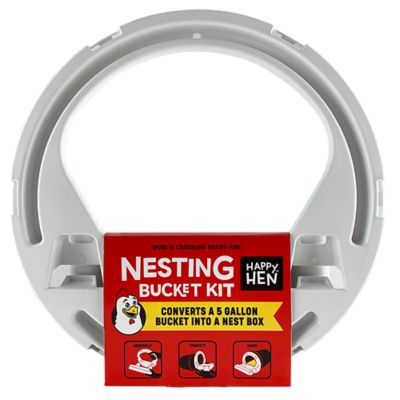
The coop layout and the birds’ behavior have just as much bearing on treat choice as the ingredient list. In a flock with a bold hen that always gets there first, spreading a small serving across several clean feeding spots can give quieter birds room to join in. A shallow, washable dish makes loose treats easier to contain and helps keep them separate from damp bedding and droppings. Scattering a modest amount in a clean, suitable area encourages searching and scratching, but tossing treats into soiled litter adds avoidable mess and makes leftovers harder to spot. Pecking formats can add interest to an enclosure when they are placed within comfortable reach and offered as directed. Any holder should be intended for poultry, securely attached, and free of sharp edges or openings that could trap a foot or head. The construction of that holder matters for repeated pecking and regular cleaning, while access matters for birds of different sizes. Treat time can also be useful for calm interaction: a keeper standing quietly near the run can let hesitant hens approach at their own pace, and a small reward may help reinforce a familiar call when it is time to gather the flock. Children can take part with adult supervision, a measured portion, and handwashing afterward. Back at the feed shelf, resealable packaging or a clean, tightly closed container helps protect treats from moisture, insects, and rodents. Keeping the original label preserves feeding directions, ingredient information, and the best-by date, even when the package sits inside another container. Portions that fit the flock’s pace of consumption make storage and handling simpler, and anything with mold, an unusual odor, or signs of contamination belongs out of the feeding rotation. For a neighbor who loves tending hens or a family member building confidence with a small flock, poultry treats can make a thoughtful, practical gift when matched to the birds’ age and regular diet. Their place is straightforward: a little variety, a reason for the hens to come closer, and another enjoyable part of daily chicken keeping.