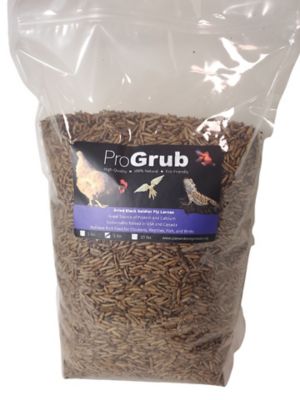
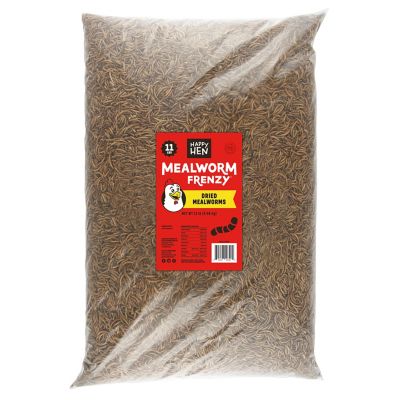
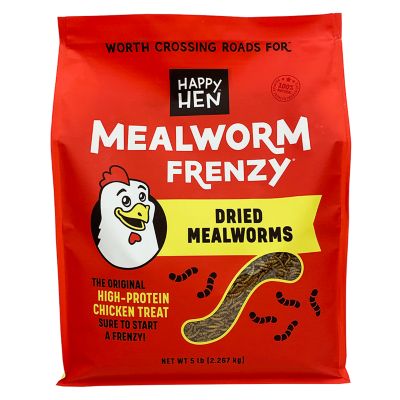
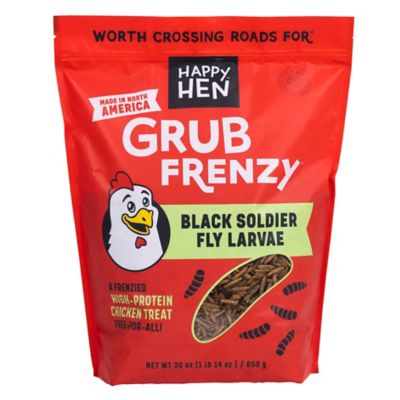
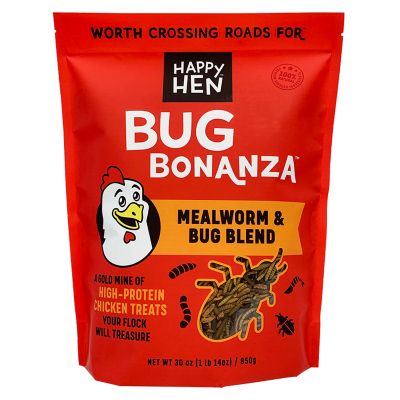
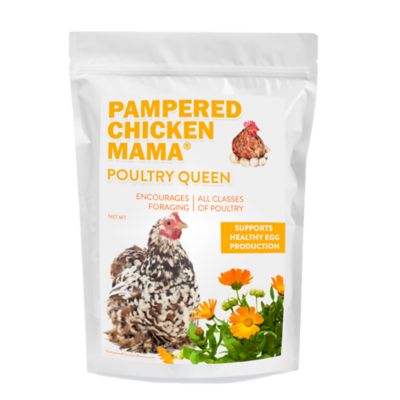
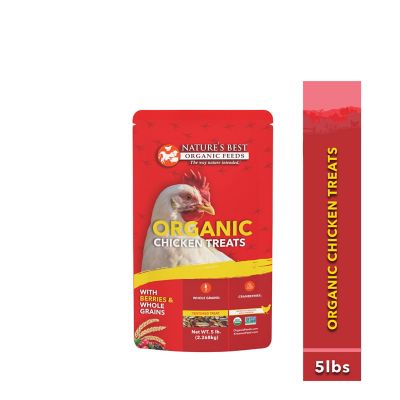
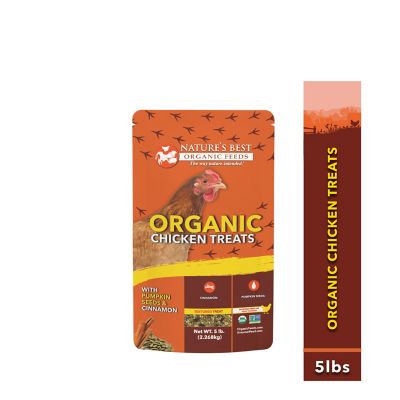
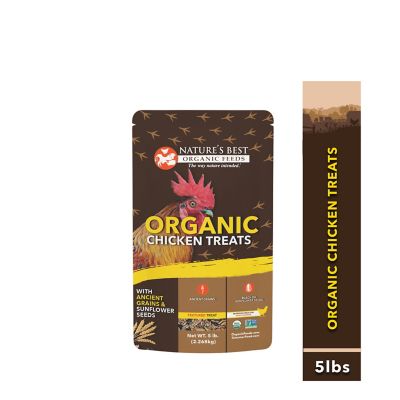
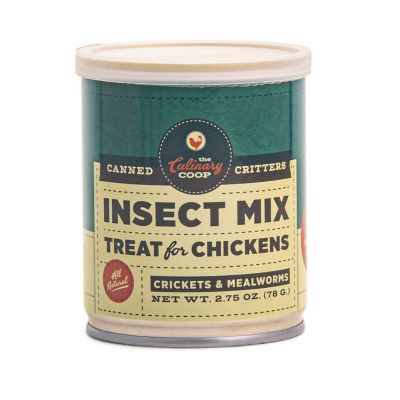
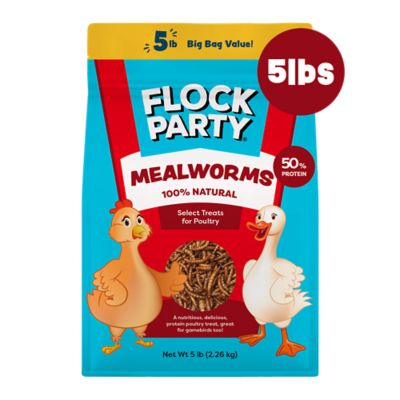
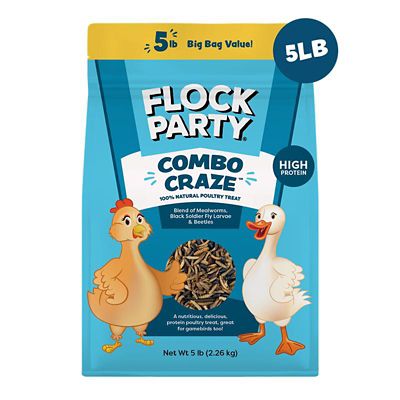
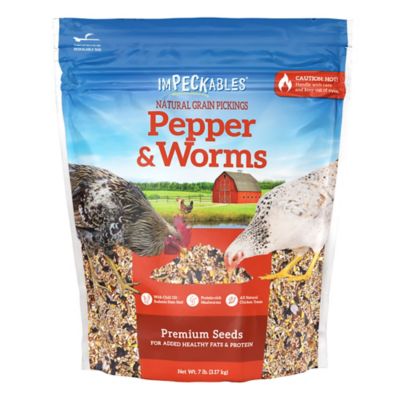
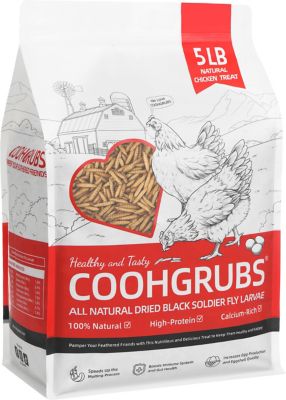
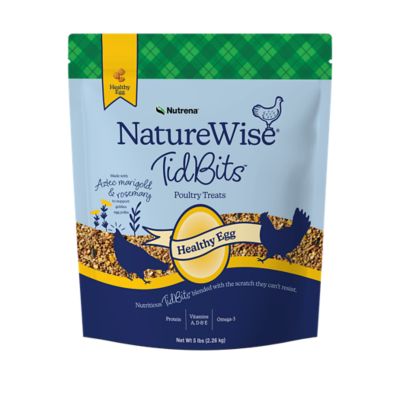
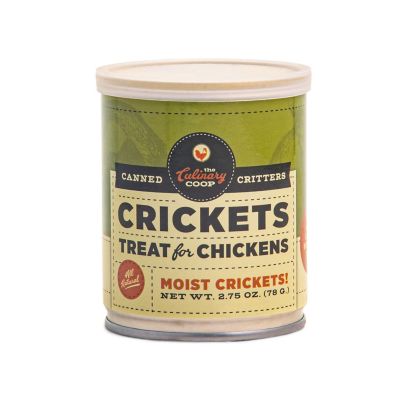
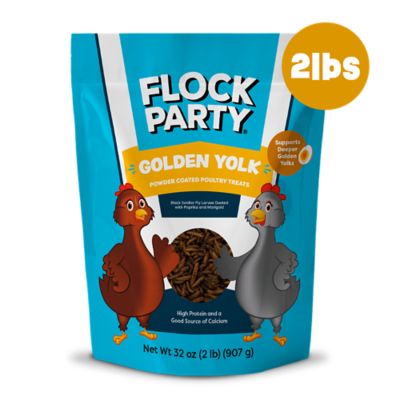
All natural chicken treats add variety to a flock’s routine while giving birds something to scratch for, peck at, and come running over to investigate. These supplemental foods can include dried insects, grains, seeds, fruits, vegetables, and blends of those ingredients. They belong alongside a complete poultry feed, not in place of it: treats should generally supply no more than 10% of a chicken’s daily calories, with at least 90% coming from feed suited to the bird’s age and purpose. That balance matters because even an eager hen with a full crop may miss essential nutrients when snacks crowd out her regular ration. For backyard flock keepers, homesteaders, and families caring for a small coop, a modest handful can make everyday chores more enjoyable without turning feeding time into a free-for-all. Dried mealworms and black soldier fly larvae contribute protein and fat, while grains and seeds offer energy along with the textures chickens enjoy picking through. Fruit and vegetable ingredients bring another kind of variety, though their nutritional contribution depends on the ingredient, preparation, and serving size. The phrase “all natural” alone does not establish that a treat is organic, nutritionally complete, or appropriate for every bird. An ingredient list, guaranteed analysis, feeding directions, and poultry-specific labeling tell a clearer story. Single-ingredient chicken treats make it easier to see exactly what goes into the feeder, while mixed treats offer several flavors and textures in one serving. Neither format automatically makes a better choice; the right fit depends on the flock’s regular diet, life stage, and feeding setup. Simple ingredients can be appealing, but portion size still counts. A treat that disappears in seconds may be rich in calories, and enthusiastic pecking is not a reason to keep refilling the dish.
Choosing natural chicken treats starts with the birds that will eat them. Adult laying hens, growing pullets, and chicks do not all have the same nutritional needs, and a treat labeled for mature poultry may not suit a brooder full of young birds. Chicks need their complete starter ration first; any supplemental food should follow age-specific label directions and be an appropriate size and texture. For mature chickens, whole seeds, cracked grains, dried insects, and compressed pecking treats offer different feeding experiences. Loose ingredients work well for measured portions in a shallow feeder, while a pecking block may encourage longer activity when its label and serving directions fit the flock. Pieces should be manageable for the birds, and hard or oversized foods deserve extra attention with smaller chickens. Chickens eating foods beyond complete feed may also need access to appropriately sized insoluble grit, which helps the gizzard grind food. Oyster shell serves a different purpose as a calcium supplement for laying hens and does not replace grit. Protein-rich insect treats can complement a balanced ration, including when birds are replacing feathers, but they do not replace a suitable feed or guarantee feather growth. Likewise, seed and grain treats should not be expected to increase egg production. Laying depends on several factors, including nutrition, age, light exposure, and health. Fresh vegetables and suitable fruit can also fit into a chicken’s treat allowance, but their water content means a scoop of fresh produce is not nutritionally interchangeable with a scoop of dried insects or seeds. Fresh drinking water should remain accessible regardless of the treats offered. Plain ingredients are generally a better match than foods prepared with heavy salt, sugar, oil, or seasoning. Avoid moldy or spoiled food, raw or undercooked dried beans, avocado skins and pits, and rhubarb. Herbs may add variety, but they should not be counted on to prevent or treat illness. A bird that stops eating, acts weak, or separates from the flock needs attention rather than a different snack.
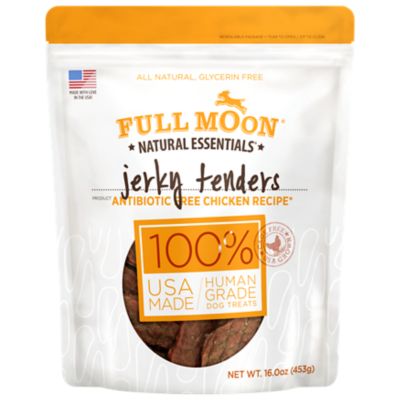
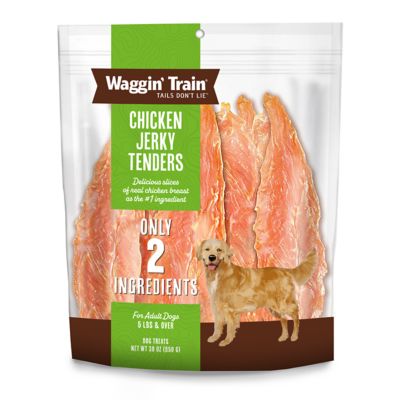
How treats fit into daily chores matters just as much as what is in the bag. A small serving in a clean feeder gives chickens a chance to gather where their keeper can watch their movement, appetite, and behavior. A familiar feeding sound can help bring birds toward the run, making a little treat useful for reinforcing an everyday routine. Scattering a measured amount across a clean, dry feeding area can encourage scratching and foraging, but tossing food into wet bedding or manure creates unnecessary waste and sanitation concerns. In a mixed flock, spreading that same serving among several feeding spots can give timid hens a chance to eat without standing directly beside the bossiest bird. The flock’s total allowance stays the same; more feeding spots need not mean more food. Feeding accessories should be suitable for poultry, easy to empty, and free of sharp edges or gaps that could trap a foot or head. Any hanging treat holder needs secure placement and regular checks so loose parts do not become a hazard. Storage also makes a difference with natural poultry treats. Keep packages tightly closed in a dry place protected from sunlight, rodents, and insects, and follow the label’s storage directions and best-by date. Resealable packaging can simplify daily feeding, while a well-fitting storage container helps keep the coop’s snack supply separate from bedding and other barn supplies. Keeping the original label preserves ingredient information, serving directions, and lot details. Discard treats with mold, moisture damage, an off smell, or evidence of pests, and remove uneaten fresh foods before they spoil. Empty and clean feeding dishes regularly rather than topping off old leftovers. For someone giving treats to a chicken keeper, matching the recipient’s flock age and feeding preferences is more thoughtful than choosing by package size alone. Households with both a coop and a canine companion can also browse
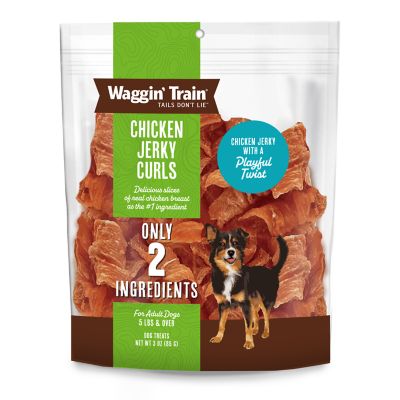
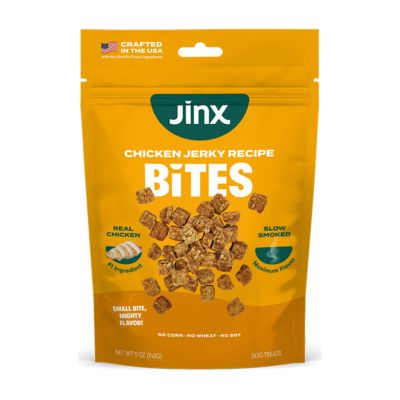
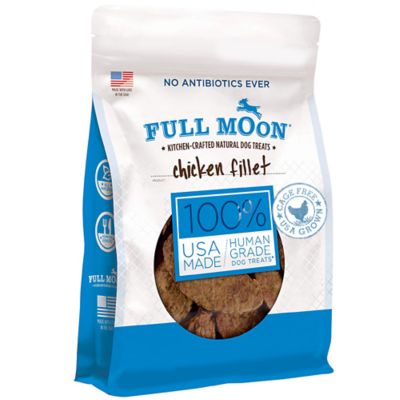
Natural Dog Treats, keeping each animal’s snacks matched to its own dietary needs. With sensible portions and straightforward feeding habits, chicken treats can add interest to the birds’ day while leaving complete feed at the center of their diet.