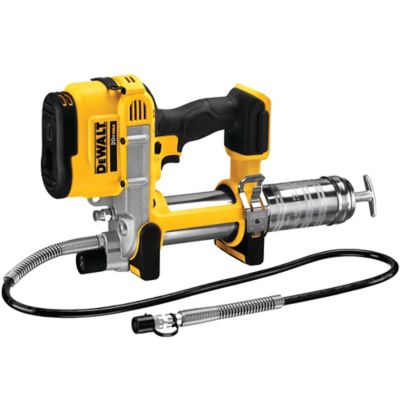
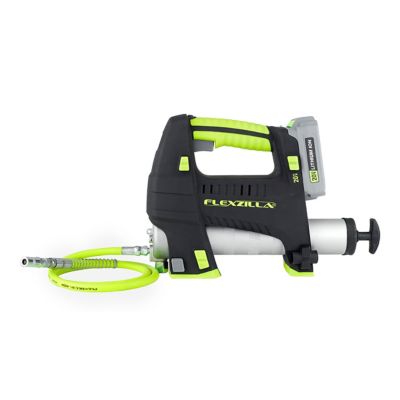
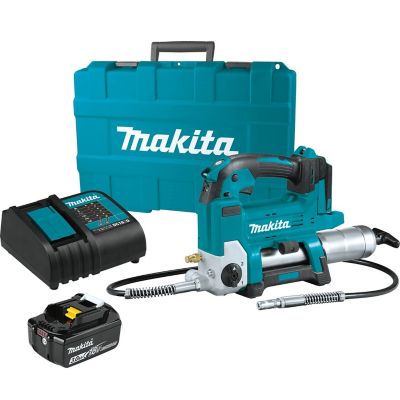
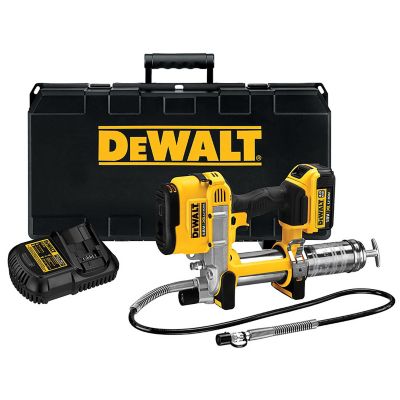
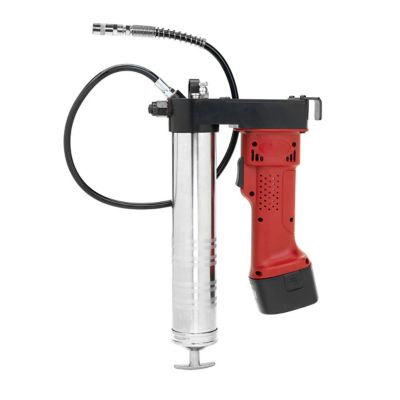
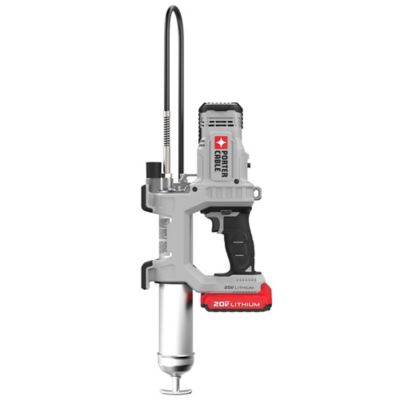
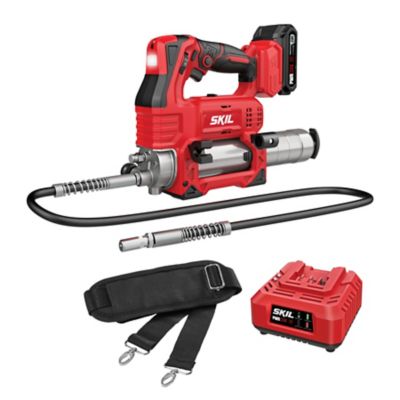
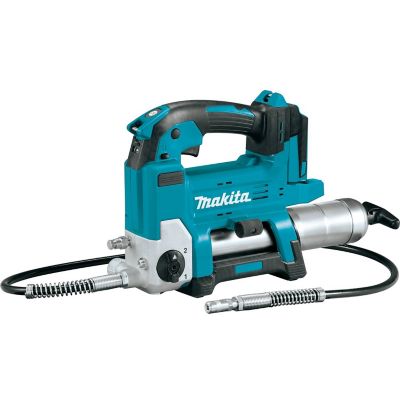
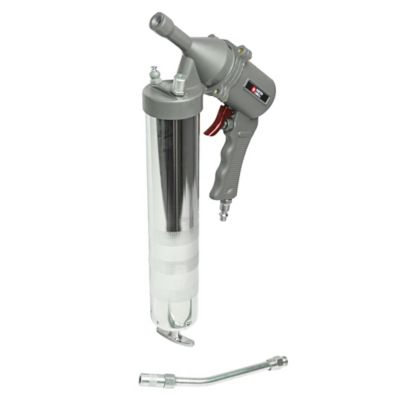
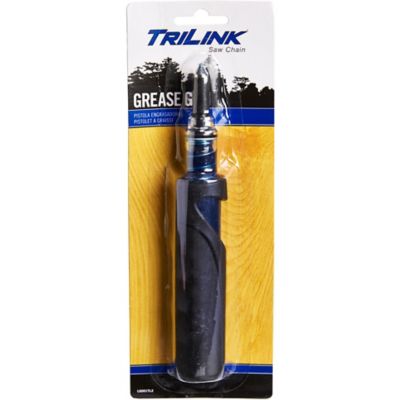
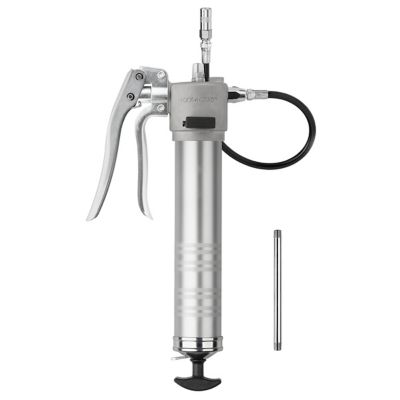
Battery-powered grease guns take some of the handwork out of keeping farm equipment, trailers, and shop machinery lubricated. Instead of pumping a lever through every fitting, a battery-driven motor moves grease while the operator controls delivery at the trigger. That can make a real difference along a loader’s pivot points, beneath a utility trailer, or around an implement with a long row of grease fittings. For farmers, equipment operators, mechanics, and folks caring for acreage, cordless operation brings the tool to the machine without an air hose trailing across the yard. A flexible delivery hose can reach fittings tucked behind brackets or inside a frame, while the powered pump reduces the repeated squeezing that comes with a manual gun. These tools are especially handy when routine maintenance covers several machines rather than a couple of fittings on one piece of equipment. Their purpose is straightforward: deliver the specified grease to service points so moving parts get the lubrication their equipment manufacturer calls for. The best fit depends on more than motor power, though. Overall weight, balance, hose length, and trigger feel all matter when a job stretches from waist-high loader joints to low fittings near the ground. A tool that sits comfortably in the hand can be easier to manage when the other hand is steadying the hose or holding a coupler in place. Battery placement also affects balance, particularly with a full grease cartridge installed. For work around a barn or equipment shed, a stable resting position helps keep the gun from tipping between fittings. For field maintenance, a carrying case can keep the gun, battery, charger, and attachments together instead of scattered across a truck toolbox. Those everyday details matter when the goal is getting equipment serviced and back to work without turning a straightforward chore into a drawn-out job.
Construction and operating features help separate a grease gun suited to occasional chores from one that fits a busy maintenance routine. Metal grease barrels, reinforced housings, and protected hose connections are worth considering around gravel yards, steel workbenches, and crowded service trucks. Grip texture and handle clearance affect how the tool feels with work gloves on, while the barrel design influences how smoothly cartridge changes go. Some designs accept standard cartridges, and others also support filling from a grease container with the proper equipment; cartridge size and loading method need to match the gun’s specifications. Battery compatibility deserves just as much attention. Sharing a battery platform with other cordless tools can simplify charging, but matching voltage alone does not establish compatibility. The battery connection, approved battery series, and charger requirements all need to line up. Battery capacity influences runtime and weight, so a larger pack is not automatically the most comfortable choice for every job. Pressure and grease flow are separate considerations, too. Maximum pressure describes the pump’s pressure capability, while flow rate affects how quickly grease moves through the hose. Neither replaces the lubrication instructions for the machine being serviced. Variable-speed triggers or selectable flow settings, where included, can offer more control when moving between different service points. A delivery counter may help track grease output, although its reading still needs to be understood according to the tool’s instructions. For a closer look at tools organized around pressure capability,
High Pressure Grease Guns provides a related category to explore. Hose length, coupler fit, and access can be just as important as a pressure rating when a fitting sits behind a wheel or beneath a deck. Standard couplers, locking couplers, and specialty attachments serve different access needs, with compatibility and pressure ratings applying to the complete connection. A fitting that will not accept grease calls for inspection rather than simply more pressure, since a blocked passage or damaged fitting may need attention.
Care and grease compatibility have a lot to do with how a battery-powered grease gun holds up over time. The lubricant needs to meet the equipment manufacturer’s requirements and fall within the grease gun’s supported consistency range. Grease color alone does not establish whether two lubricants can mix, and switching between incompatible formulations can affect lubrication performance. Keeping a gun assigned to one grease type, with a clear label on the barrel or case, can simplify maintenance where different machines call for different lubricants. Cleanliness matters just as much out by the fence line as it does in the shop: dirt on a fitting or coupler can travel into the lubrication point, where it does not belong. A clean rag and a protected place for the hose end are small details that support better maintenance habits. Air pockets after loading can interrupt delivery, making an accessible air-release valve a practical feature. Hoses, couplers, and seals also need periodic inspection for cracks, leaks, or damage, especially when the tool rides over rough ground in a service vehicle. Pressurized grease can cause serious injection injuries, so hands belong away from suspected leaks, and pressure must be relieved as directed before servicing connections. Battery removal before maintenance and storage within the manufacturer’s temperature limits help protect both the operator and the tool. During the cooler months, thicker grease and lower battery temperatures can affect operation, which makes the stated operating range worth checking for an unheated shed or early-morning fieldwork. Routine care can include wiping down the housing, keeping battery contacts clean and dry, and securing the hose without sharp bends. For someone who spends weekends maintaining a tractor, caring for livestock equipment, or helping neighbors keep machinery running, a cordless grease gun can also be a practical gift when battery compatibility and intended tasks are known. Whether it belongs on a farm service truck or a garage shelf, the right combination of handling, reach, grease compatibility, and battery support helps it earn its place in the maintenance routine.