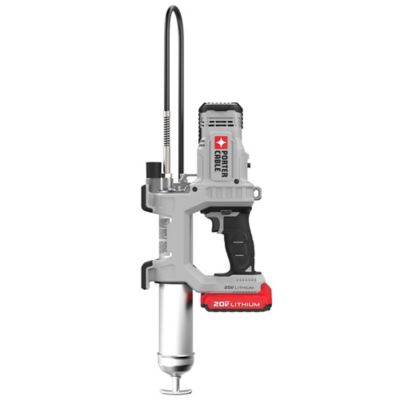
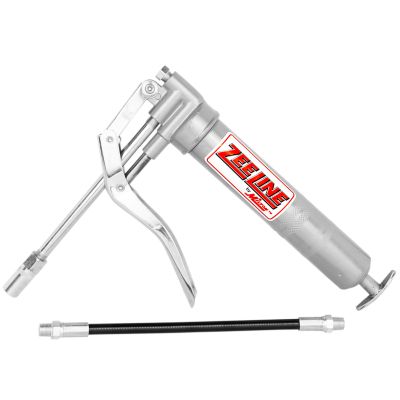
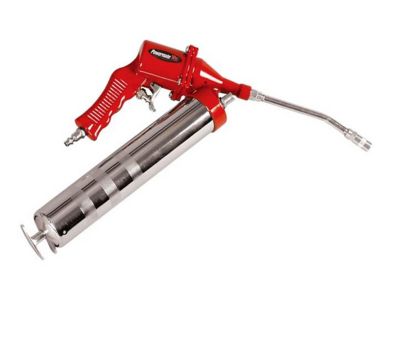
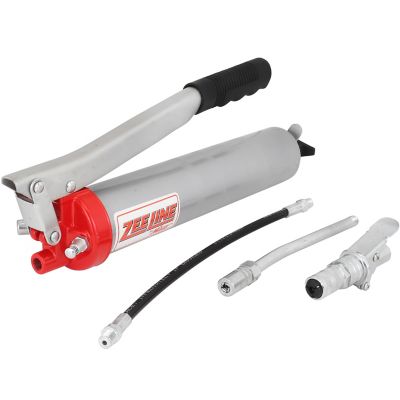
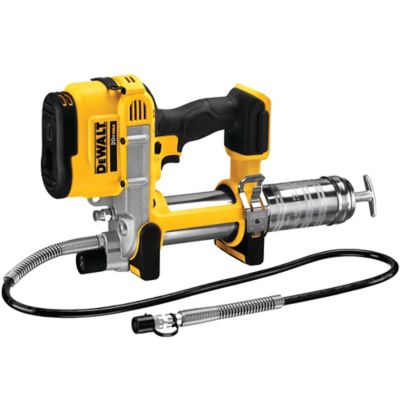
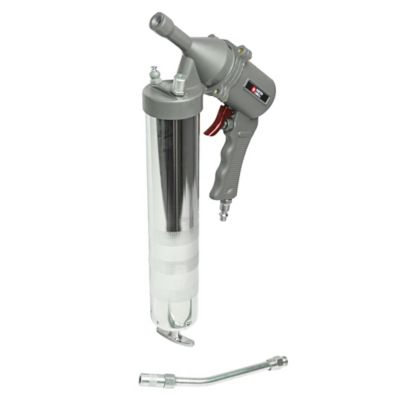
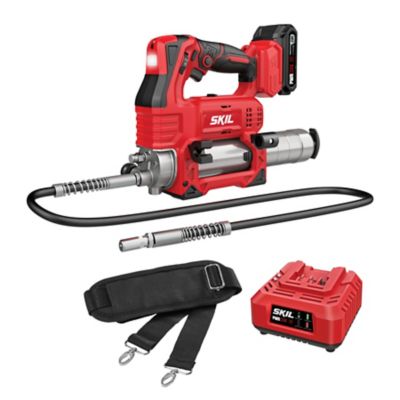
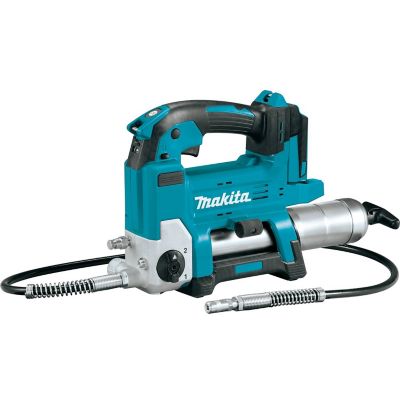
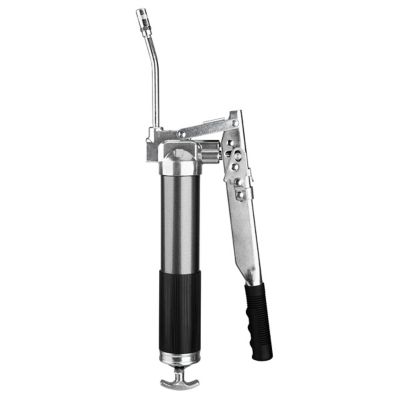
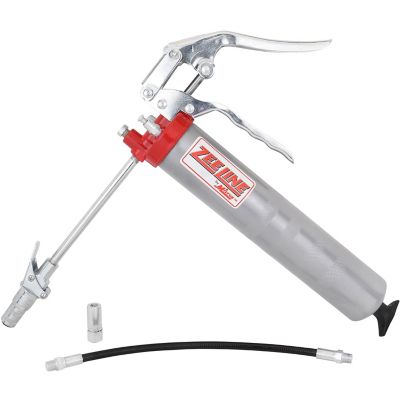
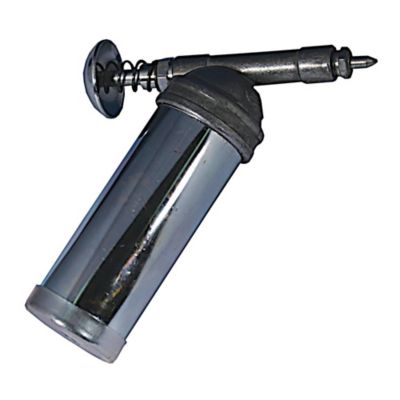
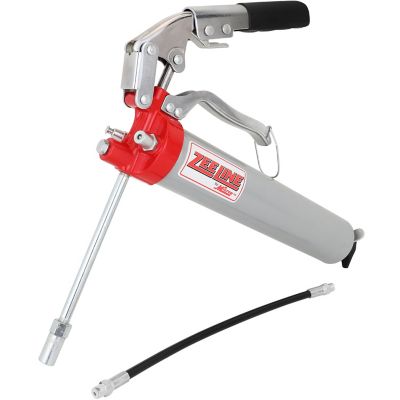
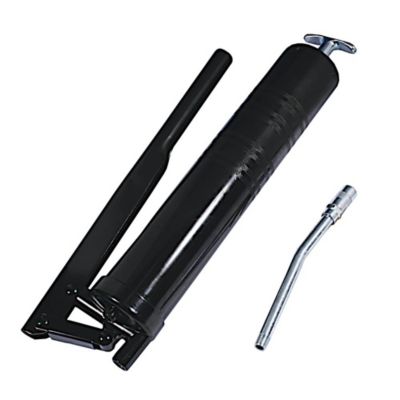
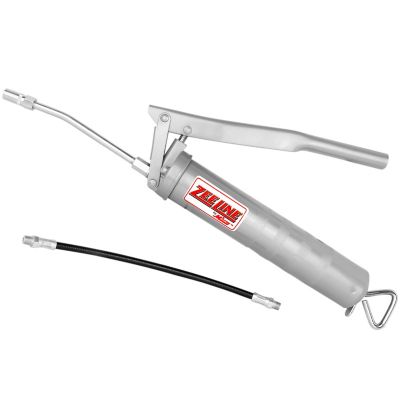
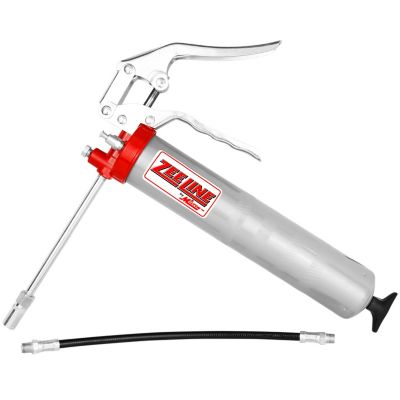
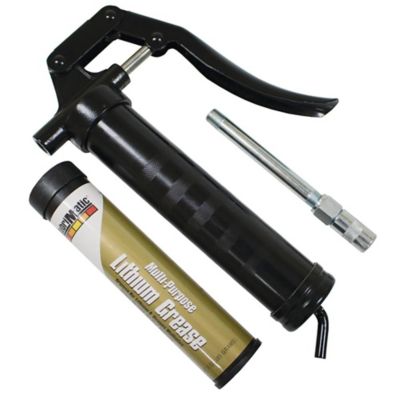
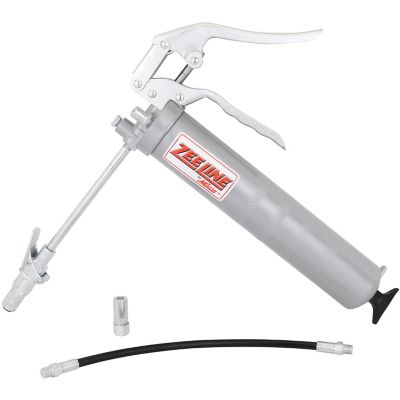
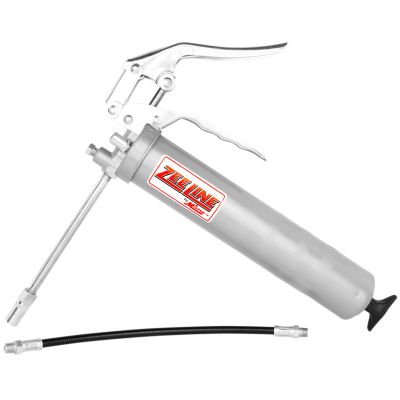
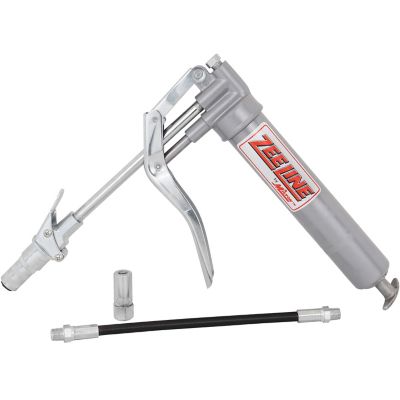
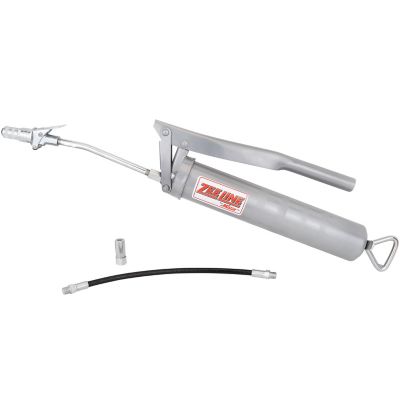
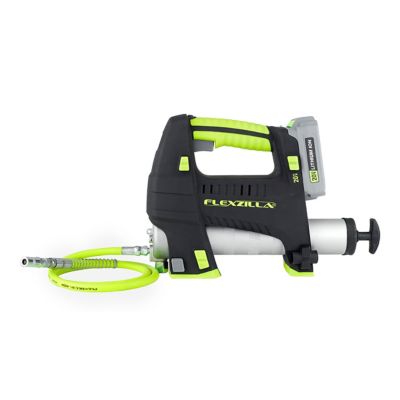
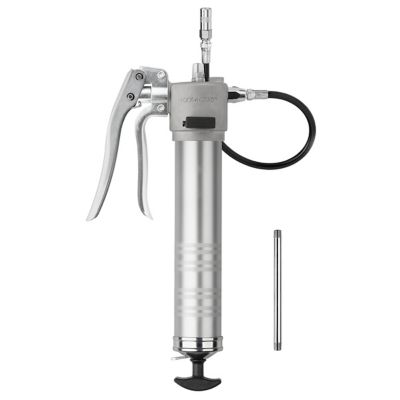
Handheld grease guns make routine lubrication easier to handle around the farm, garage, shop and jobsite. These portable tools are built to force grease into fittings on equipment that works hard and collects plenty of dust, grit and moisture. A well-lubricated pivot, bearing, bushing or joint can move more smoothly and help reduce the wear that comes from metal rubbing against metal. That makes a grease gun a handy part of the maintenance setup for tractors, implements, trailers, trucks, ATVs, lawn mowers, skid steers, loaders and other equipment with grease fittings. Many do-it-yourselfers keep one in the garage for vehicle and mower care, while farmers, landscapers, construction crews and property owners may use one throughout the day as part of regular equipment upkeep. Handheld models are especially useful when you need to walk around a machine, reach fittings in different places or carry your lubrication tools between the barn, shed and work area. They also make a practical gift for someone who enjoys maintaining their own equipment, keeps an older vehicle on the road or takes pride in having a well-stocked tool chest. A grease gun may not be the flashiest item in a workshop, but it is the kind of useful tool that earns its keep whenever a stiff joint needs attention or a machine is being prepared for another season of work.
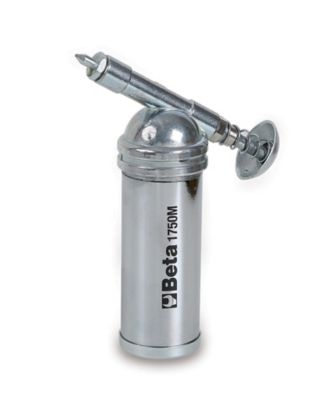
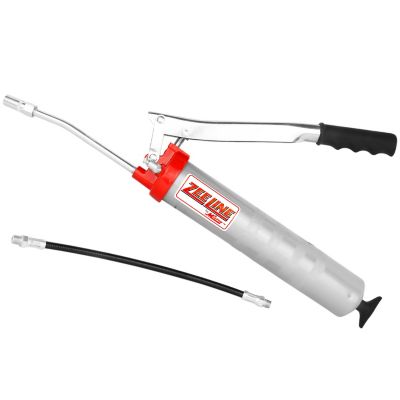
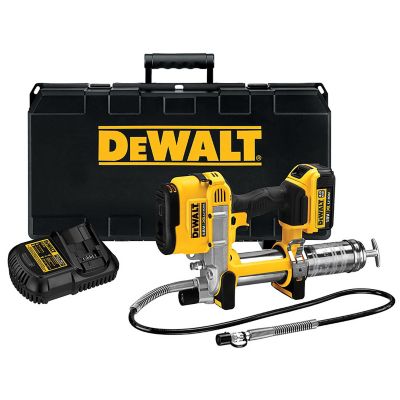
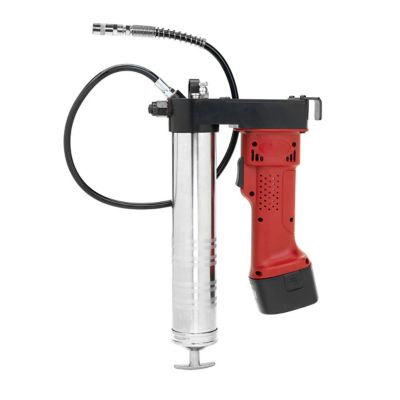
When comparing handheld grease guns, start with the way you expect to use the tool. Pistol-grip models can be operated with one hand, leaving the other hand available to steady a hose, hold a fitting or reach around a mower deck and other tight equipment. Lever-action models generally require both hands, but their design can provide strong pumping action and high pressure for stubborn fittings or heavier maintenance work. Compact mini grease guns are easier to carry and can be useful in cramped spaces, on smaller equipment or for light-duty jobs where a full-size tool would feel bulky. Manual models are straightforward and do not depend on a battery or power source, which can be helpful in a remote pasture, beside a trailer or in a shed without convenient outlets. Battery-powered options can reduce hand fatigue and speed up larger maintenance jobs, especially when several fittings need grease in one sitting. Pressure ratings are another important detail. A higher PSI rating can help push lubricant through a fitting that is dirty, dry or partially restricted, but the rating should match the requirements of the equipment and grease fittings being serviced. More pressure is not automatically better if a component is not designed to handle it. Look for a sturdy barrel, a comfortable handle and a plunger that moves smoothly. A secure coupler can help keep the tool attached to the fitting, while a flexible hose makes it easier to work around axles, frames and guards. A rigid extension may offer better control in open areas and can be useful where a straight reach is needed. Some handheld grease guns include an air bleeder valve or another priming feature to help release trapped air after a cartridge change. Air pockets can interrupt the flow of grease, so easy priming and clear loading instructions are worth considering. Check cartridge size and grease compatibility before buying, since a tool designed for a smaller cartridge may not suit a busy maintenance routine, and not every lubricant is intended for every application. Keeping the gun clean, wiping the coupler before attaching it and storing the tool out of direct weather can help prevent dirt from being pushed into a fitting.
A little preparation goes a long way when using a handheld grease gun. Before applying lubricant, locate the equipment’s grease fittings and brush or wipe away packed dirt, chaff and old grease around each one. On a tractor that has spent the day pulling an implement through a dry field, the fittings may be coated with a stubborn layer of dust; cleaning them first helps keep that grit from entering the joint. Attach the coupler squarely, pump slowly and watch for fresh grease to appear where the equipment manufacturer indicates. Avoid forcing grease into a sealed component after it is full, and follow the service instructions for the machine so you know how often each fitting should be lubricated. A flexible hose can be especially helpful around loader pins, mower spindles and trailer components, while a compact design may fit better beneath a vehicle or between closely spaced parts. During the warmer working season, regular lubrication can support equipment that is running long hours, and during cooler months it is a smart part of putting tractors, trailers and outdoor power equipment away properly. Store cartridges upright when appropriate, keep the barrel and nozzle free of contamination and inspect hoses, seals and couplers for damage before the next job. For machines that see demanding use or have hard-to-reach fittings, shoppers may also want to compare handheld options with
Heavy Duty Grease Guns for added capacity and rugged service. Whether it lives in a pickup toolbox, a farm shop cabinet or a home garage, the right handheld grease gun helps turn a messy maintenance chore into a manageable part of caring for the equipment that keeps the property moving.