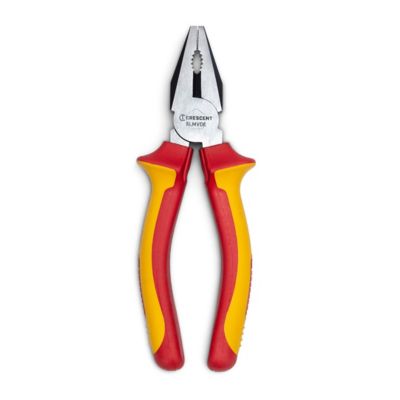
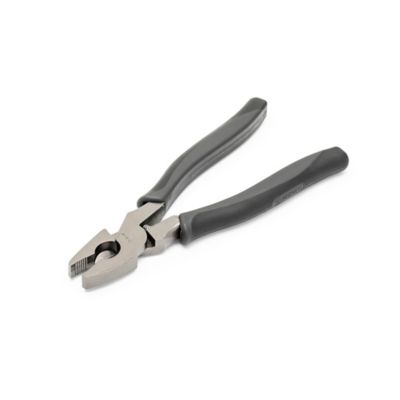
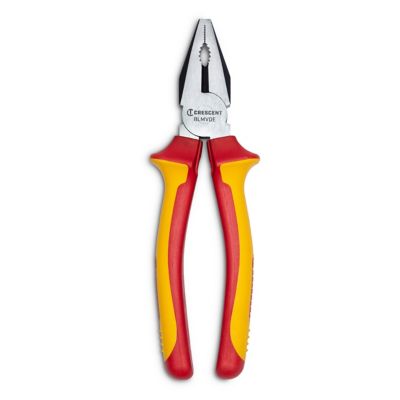
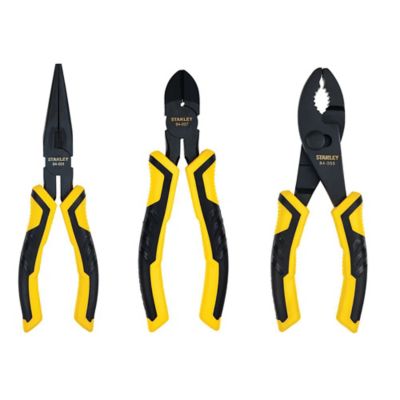
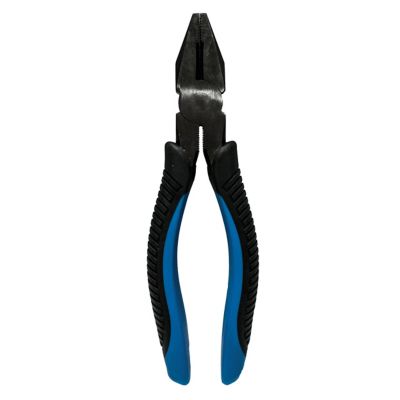
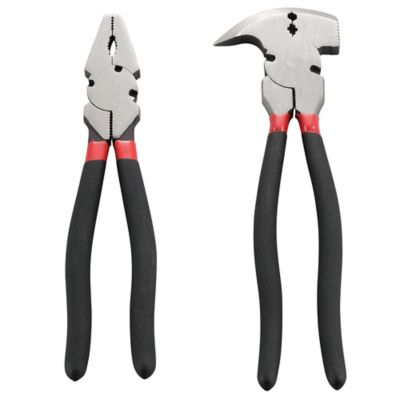
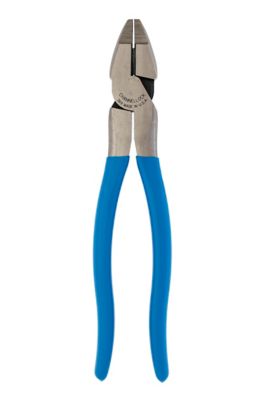
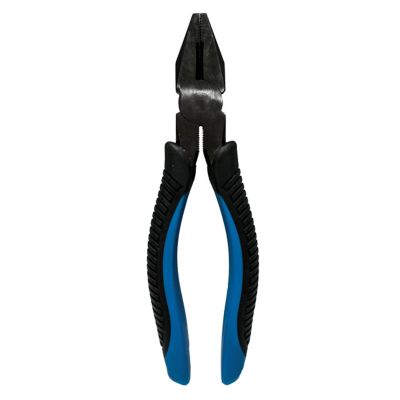
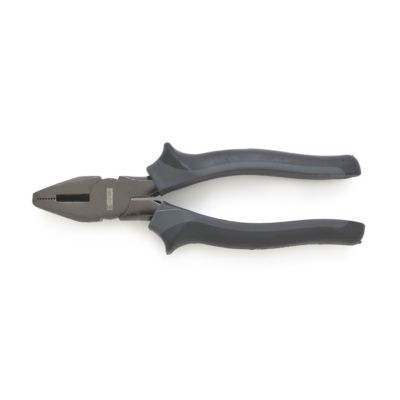
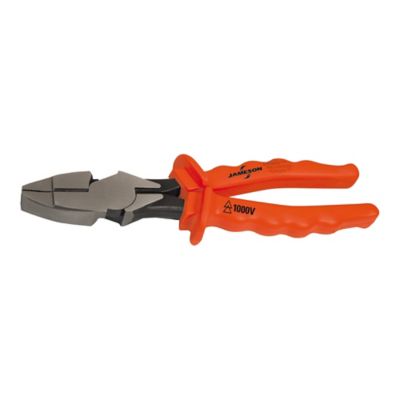
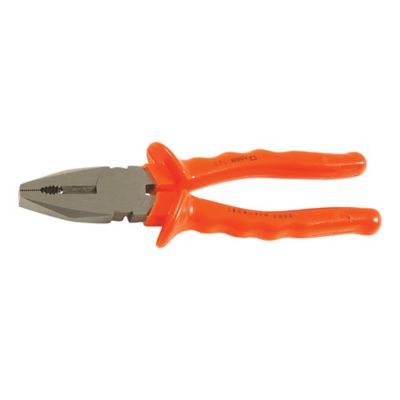
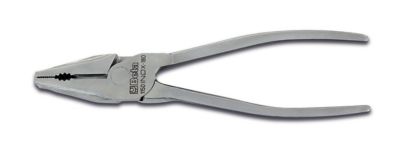
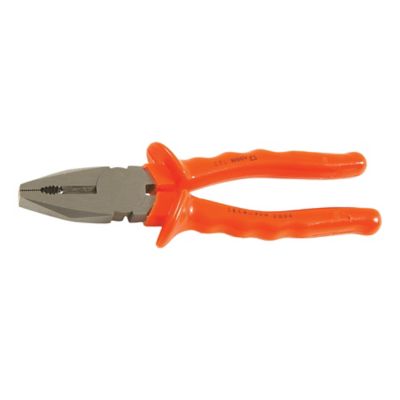
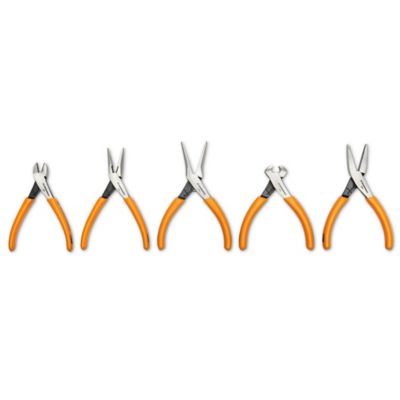
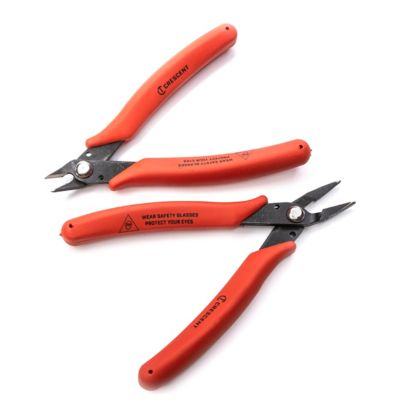
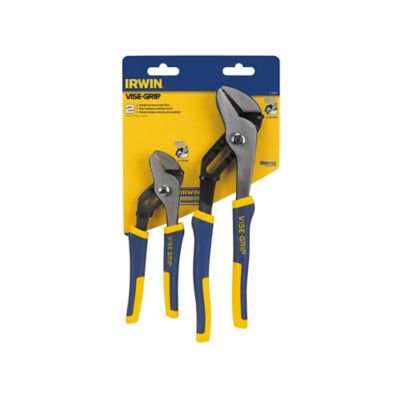
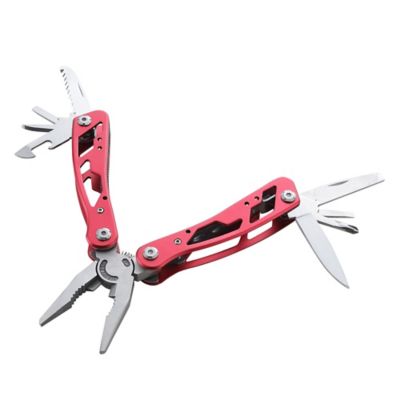
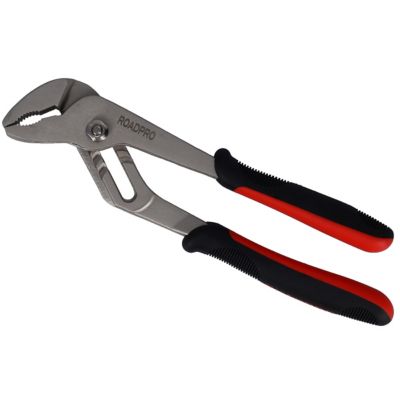
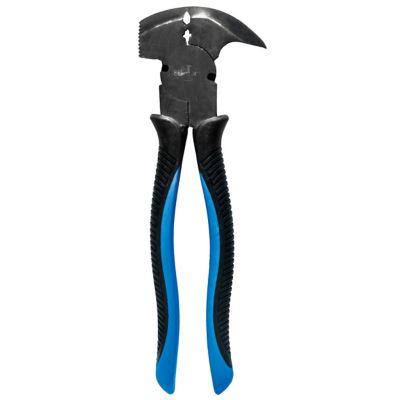
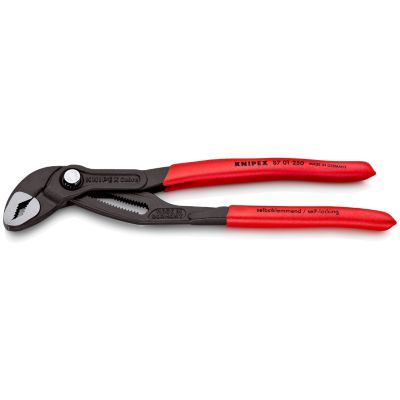
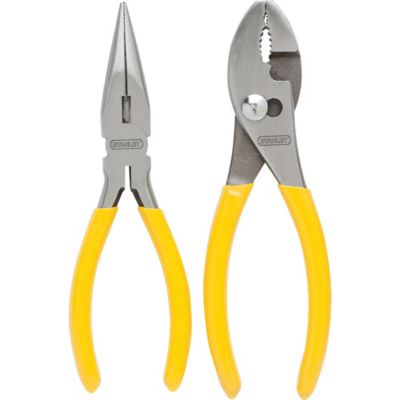
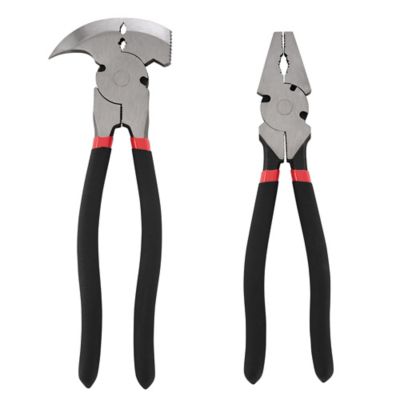
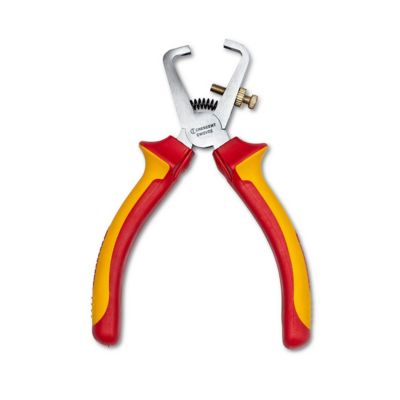
Linesman pliers are heavy-duty hand tools with broad, flat, serrated jaws for gripping and twisting wire, plus cutting edges near the pivot for snipping conductors within the tool’s stated capacity. That combination makes them a familiar part of an electrician’s tool belt and a practical addition to a farm shop or maintenance toolbox. Unlike needle-nose pliers, which favor reach into tight spots, linesman pliers put more metal behind the jaws for a firm hold on wire and other small materials. Their squared-off nose provides a substantial gripping surface, while the cutters sit close to the joint where the handles can deliver greater leverage. Around a barn, equipment shed, or workshop, that layout suits tasks such as gripping a loose wire end, twisting tie wire, and cutting electrical wire during repairs performed by someone qualified for the job. These pliers are not interchangeable with every cutter in the toolbox: hardened fencing wire, steel cable, and other tough materials call for a tool specifically rated for them. Size also changes how a pair feels in everyday work. Longer handles generally provide more leverage, while a shorter pair takes up less room in a pouch and can feel easier to position in a crowded work area. The right fit depends on both the job and the hand holding the tool. Handle spacing, grip thickness, and overall weight matter when a repair involves repeated squeezing rather than a single cut. A grip that feels manageable with bare hands may feel different with work gloves, especially when the handles open wide enough for a larger wire. Broad jaws need room to move, too, so access around boxes, brackets, and equipment matters. For electrical projects, circuits must be de-energized and verified with a properly rated tester before work begins; ordinary plastic or rubber handle coverings do not establish an electrical insulation rating.
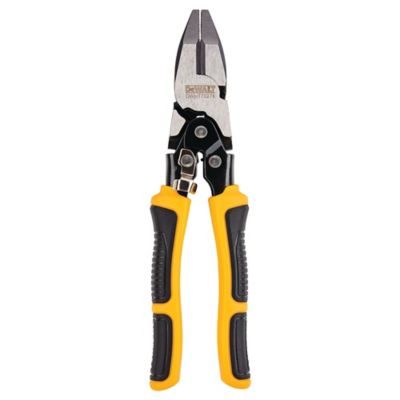
Forged steel bodies are common in linesman pliers, with high-carbon or alloy steels providing strength at the jaws and pivot. Cutting edges may receive additional hardening to help maintain their edge through repeated work, while the tool body must balance hardness with resistance to chipping or cracking. Chrome or other protective finishes can help limit surface corrosion, though exposed steel still benefits from regular care. A well-fitted joint allows the handles to move smoothly without noticeable sideways play, and properly aligned cutters meet evenly rather than leaving a gap that catches fine strands. Those details make a difference when holding a wire without constant readjustment, cutting within the rated capacity, or opening the handles again without fighting a stiff pivot. Designs such as
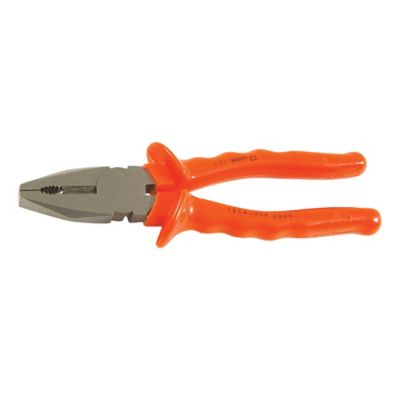
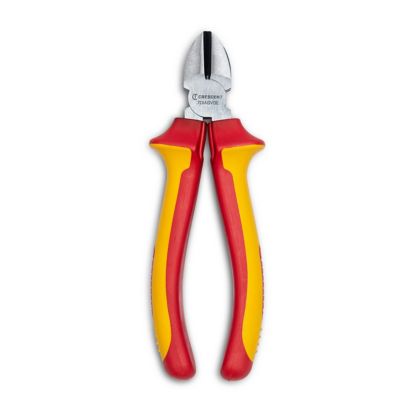
High Leverage Pliers position the pivot closer to the cutting edges to increase mechanical advantage, helping reduce the hand effort needed for certain cuts. That added leverage does not increase cutting capacity beyond the manufacturer’s rating, and copper wire, soft steel wire, and hardened wire place different demands on an edge. Some linesman pliers also incorporate a crimping area, fish tape puller, or shaped gripping section behind the pivot. These features can put several related functions within reach, but each has its own limits and intended purpose. A built-in crimper, for example, needs to match the connector type and size rather than simply look close enough. Handle coverings vary as well, from slim dipped grips that slide easily into a tool pouch to thicker molded grips that spread pressure across the palm. Texture can help with control, while an overly large grip may make the handles harder to close for smaller hands. Comfort comes from the whole tool working together: balanced weight, suitable handle spacing, smooth movement, and enough room to grip without pinching fingers at the joint.
Electricians, maintenance workers, farm owners, and folks who keep a busy workshop can all have a place for linesman pliers, though the most useful features depend on the work at hand. Someone handling repeated wire cuts may put greater value on leverage and handle comfort, while a person carrying tools between buildings may prefer a simpler pair that rides neatly beside a screwdriver and wire stripper. For bench work, broad jaws offer a steady hold on wire during shaping or assembly; for electrical installation, their gripping and cutting functions complement task-specific tools rather than replace them. Wire strippers remain the better match for removing insulation without nicking conductors, and cable cutters, fencing tools, or bolt cutters serve materials beyond a pair of linesman pliers’ stated limits. Keeping those jobs separate helps protect both the workpiece and the cutting edges. Care is straightforward but worth the attention: clean jaws hold better when serrations are free of packed grit, and a clean pivot is less likely to develop a gritty, binding feel. A light application of the lubricant recommended by the manufacturer can support smooth movement, with excess wiped away so it does not collect dirt. Dry storage helps protect exposed metal, and keeping the cutting edges away from loose fasteners prevents needless knocks inside a toolbox. Mushroomed metal, cracked handles, chipped cutters, or a loose joint are reasons to take a tool out of service for assessment or replacement. Linesman pliers are not a substitute for a hammer, pry bar, or wrench, even when a stubborn repair makes another tool tempting. As a practical gift for an apprentice electrician, a farm maintenance hand, or someone setting up a first workshop, a pair matched to the recipient’s work can earn a regular spot in the tool bag. The lasting value comes from a comfortable fit, suitable cutting capacity, and features that serve the jobs that actually come along.