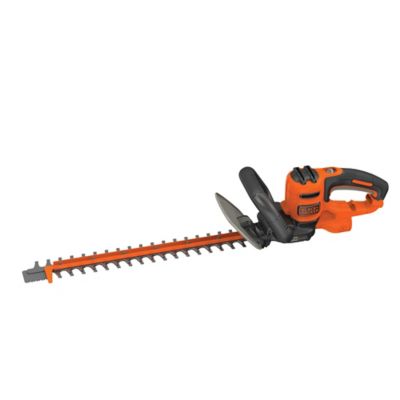
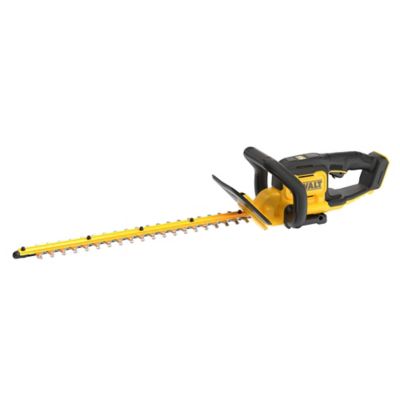
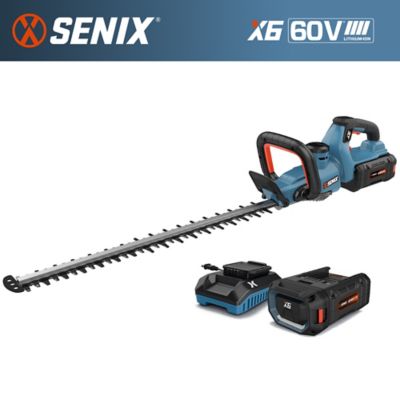
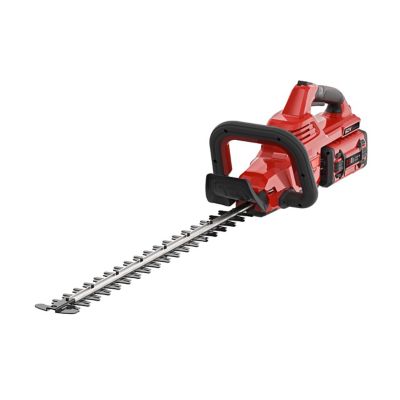
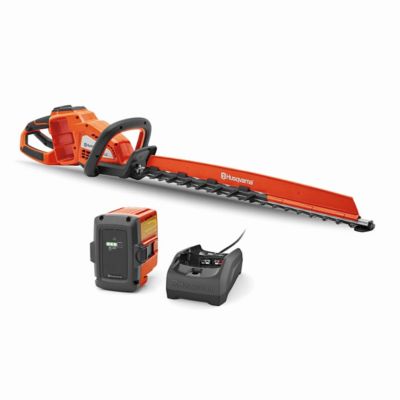
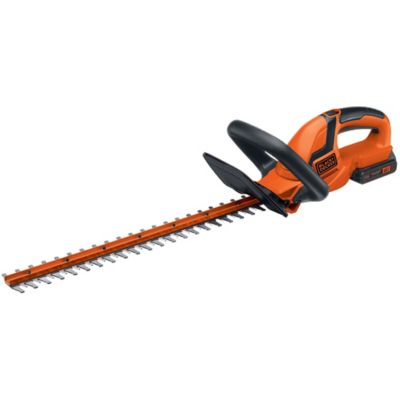
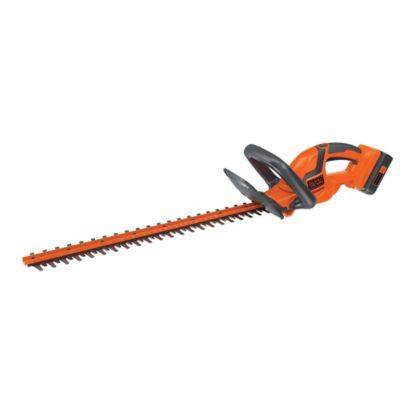
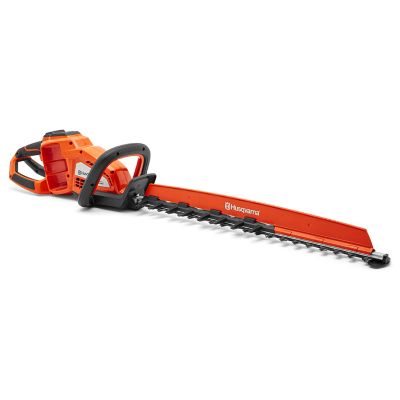
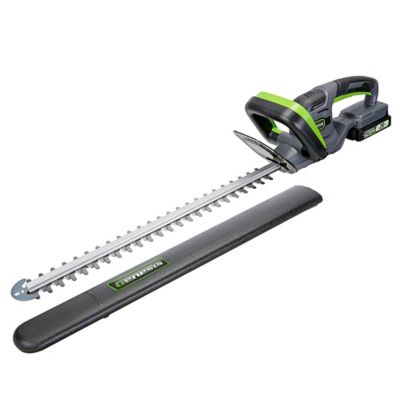
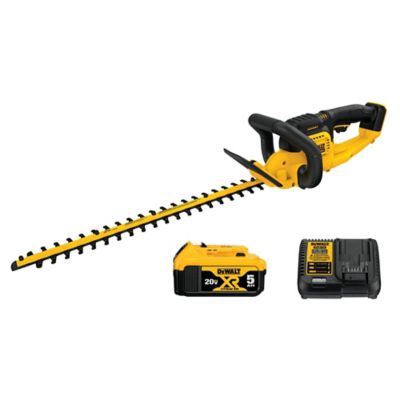
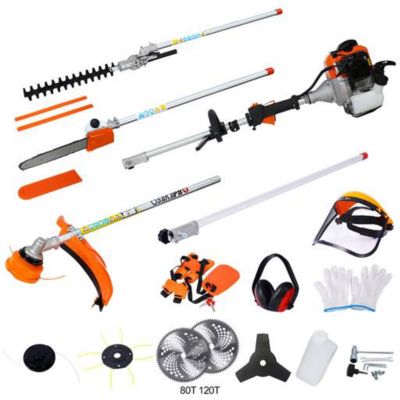
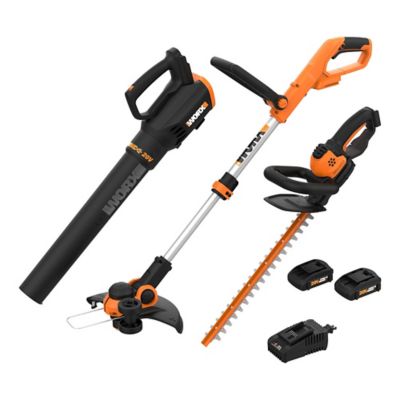
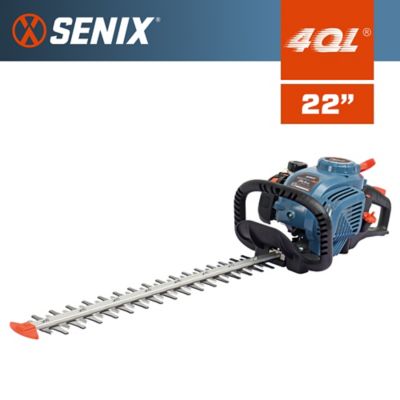
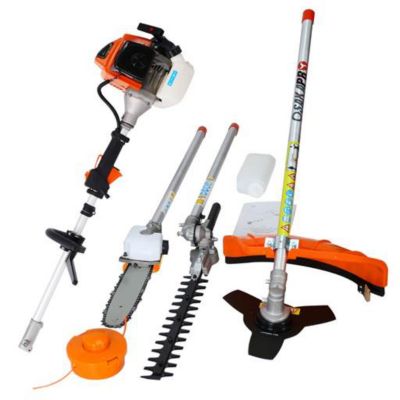
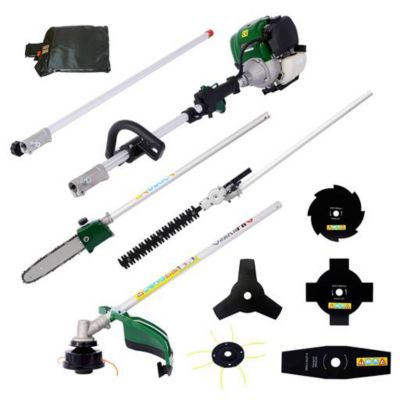
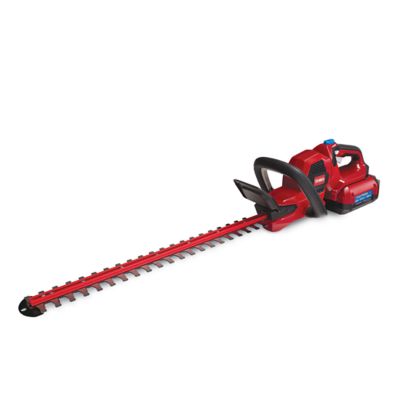
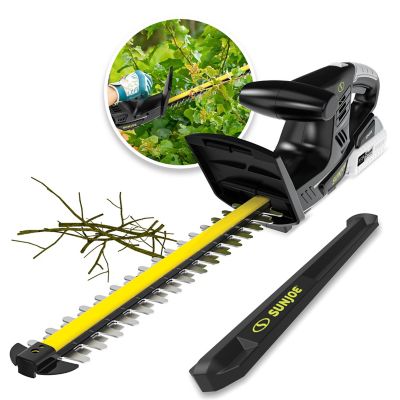
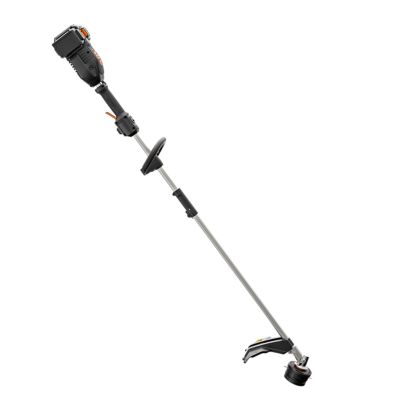
Hedge trimmers for thick branches help tackle dense shrubs, tangled hedgerows, and woody growth that lighter trimming tools may struggle to cut. The right match starts with branch diameter, not just how overgrown a hedge looks. Many heavy-duty hedge trimmers have rated cutting capacities around 3/4 inch to 1 inch, while some reach 1-1/4 inches. Those measurements are model-dependent limits, so the manufacturer’s stated capacity matters more than appearance or motor size alone. The spaces between the blade teeth allow stems to enter the cutting area, but a wide opening does not mean every branch that fits belongs between those teeth. Hardwood, dead limbs, and several stems caught together can put more strain on a trimmer than a single green stem of the same diameter. Along a gravel drive or beside an old farmstead fence, a hedge may have soft outer growth wrapped around a much heavier framework. A hedge trimmer handles the smaller growth within its rating; loppers or a pruning saw make more sense for the stout limbs underneath. Even a powerful machine is not a substitute for a branch-cutting tool when the wood exceeds its capacity. Some trimmers have a separate sawing section with its own rating, which should not be confused with the capacity of the main cutting bar. For a hedge with scattered oversized limbs, removing those individually leaves the trimmer free to shape the remaining foliage without repeated stalls or ragged cuts. That distinction also helps protect the plant: cleanly removing a troublesome branch is better than repeatedly chewing at it with an overloaded blade. Branch thickness, wood hardness, and the amount of shaping needed together give a clearer picture of the tool suited to the job, whether that means keeping a driveway entrance open or bringing a long-neglected shrub line back into shape.
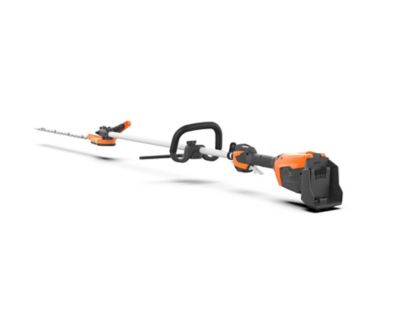
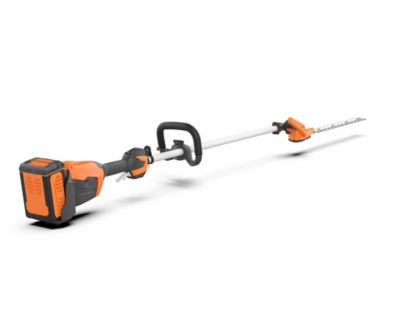
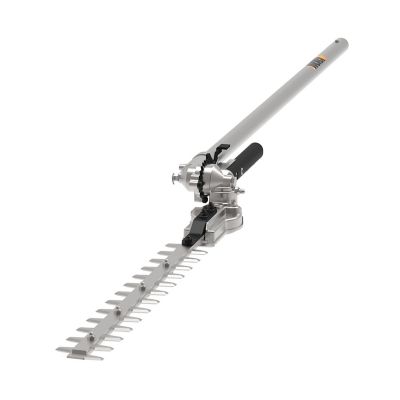
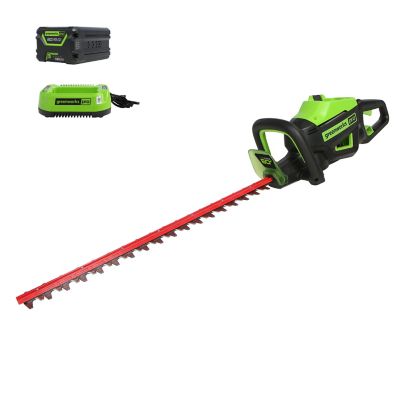
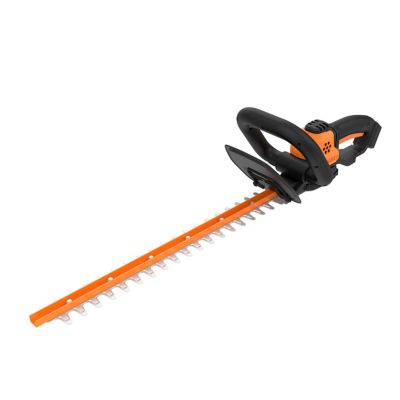
Power source and handling make a big difference when thick growth stretches farther than a few bushes beside the porch. Cordless hedge trimmers offer freedom to move around outbuildings, across a large yard, and along fence lines without managing an extension cord. Battery capacity affects how much work a charge can support, while heavy cutting can shorten runtime considerably compared with light shaping. A larger battery may extend working time, but it also adds weight, so the balance of the complete tool deserves attention. Brushless motors can offer efficient operation, though motor design alone does not establish branch-cutting capacity. Gas hedge trimmers suit work away from electrical outlets and charging stations, with the trade-offs of engine maintenance, exhaust, noise, and fuel handling. Corded electric trimmers can make sense for hedges close to a suitable outlet, provided an outdoor-rated extension cord meets the tool’s electrical requirements and stays clear of the blades. Across these power types, blade length affects reach and control. A longer cutting bar covers more hedge in a pass, while a shorter bar can be easier to maneuver around gates, corners, and individual shrubs. Longer blades do not automatically cut thicker branches. Many trimmers have hardened steel blades, and dual-action designs move two blade sections in opposite directions to help reduce vibration compared with single-action designs. Sharp cutting edges matter more than an aggressive push into the hedge. A tool that balances comfortably between both hands is easier to control than one that feels nose-heavy, especially when working across a broad hedge face. Wraparound front handles and rotating rear handles, where fitted, can help with different cutting angles. Ground-level work still calls for stable footing, two-handed control, eye protection, and hearing protection as directed by the manufacturer. For tall hedges, a purpose-built pole hedge trimmer may provide reach from the ground, but its added leverage and cutting capacity need consideration too.
Long service life depends on matching the trimmer to the work and giving the cutting assembly some attention between jobs. Sap and plant residue can build up along the blades, increasing friction and making a capable tool feel sluggish. Cleaning and lubricating the blades according to the owner’s manual helps keep them moving freely, and proper sharpening helps preserve a clean cut. Before cleaning, clearing a jam, or inspecting the blade, the tool needs to be shut down and isolated from its power source as the manufacturer directs. Bent teeth, loose hardware, damaged guards, and unusual vibration deserve attention before the next stretch of hedge. A blade sheath protects the cutting edges during storage and helps keep them from contacting other equipment in the shed. Battery care, fuel storage, and engine service also vary by power source, making the maintenance requirements part of the buying decision rather than an afterthought. Around a working property, a quick check for hidden fence wire, twine, and other debris is just as important as checking branch size. Wire swallowed by a thick hedge can damage a cutting bar even when the surrounding stems are well within its rating. Property owners maintaining broad hedges, grounds crews shaping established plantings, and folks reclaiming an overgrown boundary all benefit from a tool sized for the actual wood in front of them. For lighter shaping and smaller shrub growth, the
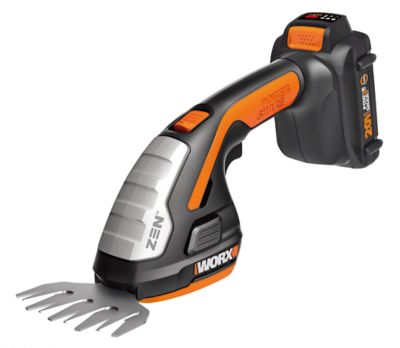
Hedge Trimmer For Bushes page offers another way to explore the category. A thick-branch trimmer earns its place where substantial stems are a regular part of maintenance, but extra capacity should still come with manageable weight and comfortable reach. The most useful setup often pairs a well-matched hedge trimmer with loppers or a pruning saw, giving each tool the work it handles best and leaving a tidy hedge without forcing the blade through wood beyond its limits.