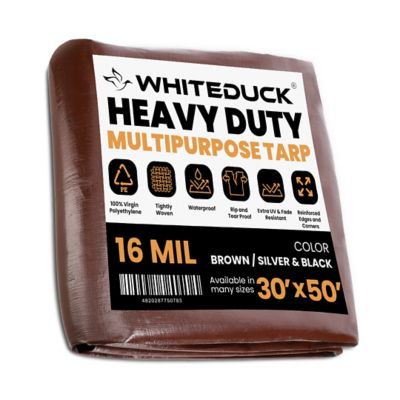
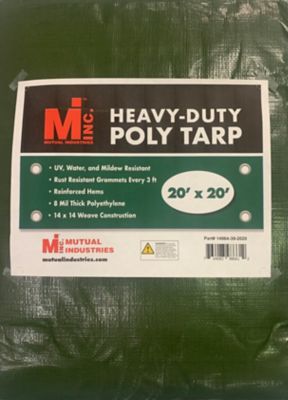
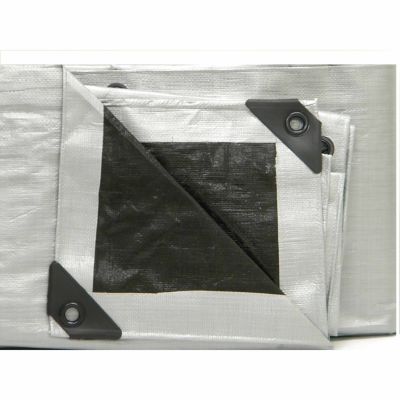
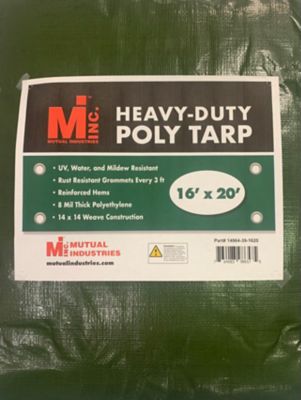
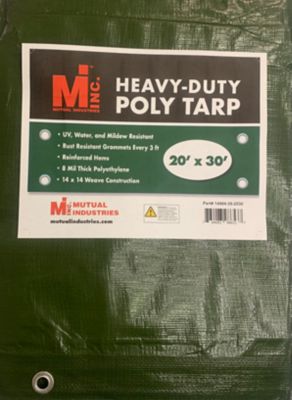
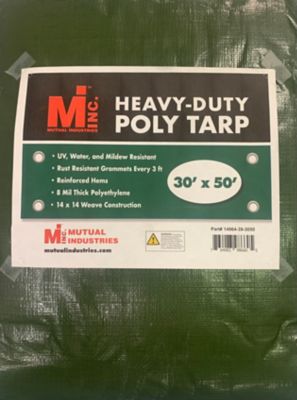
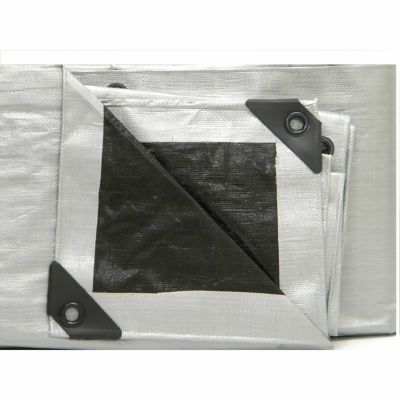
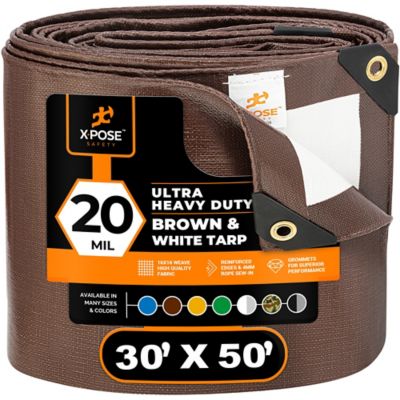
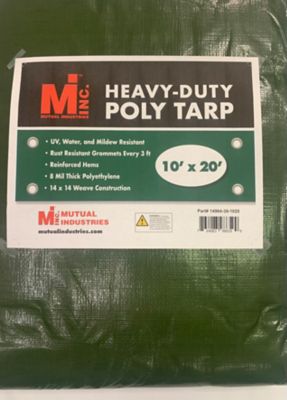
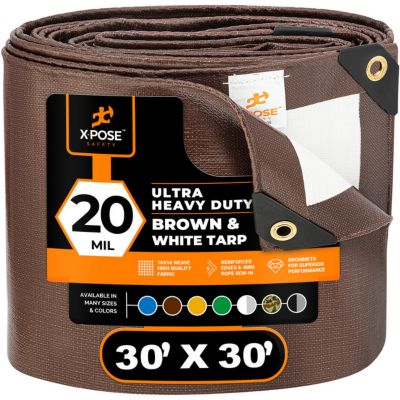
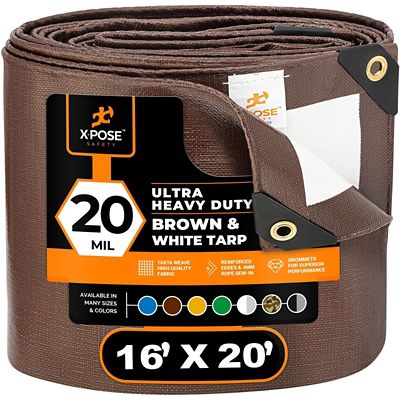
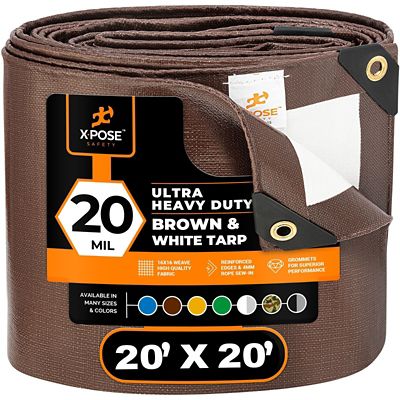
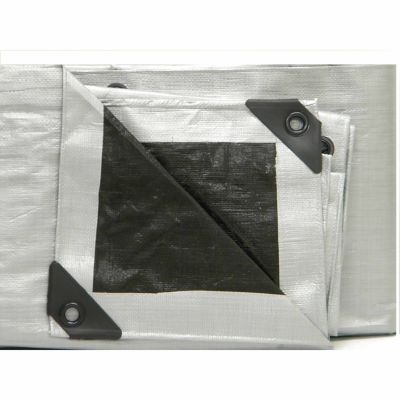
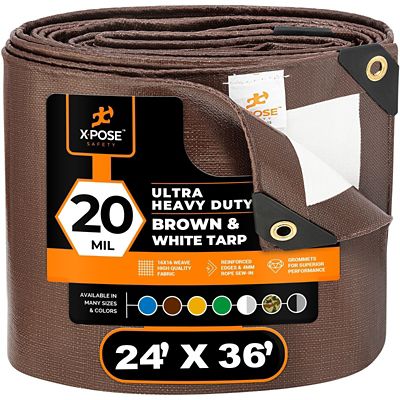
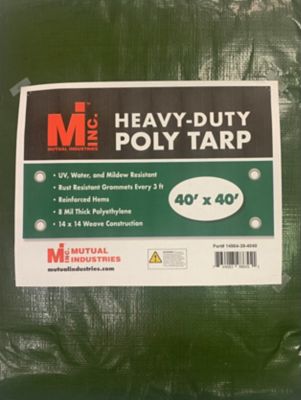
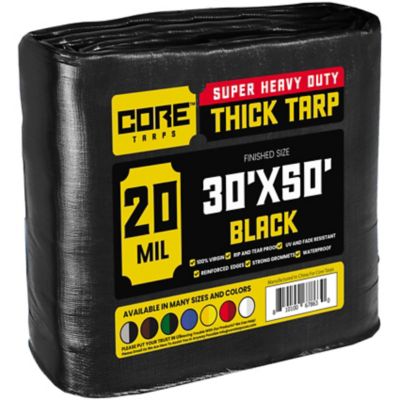
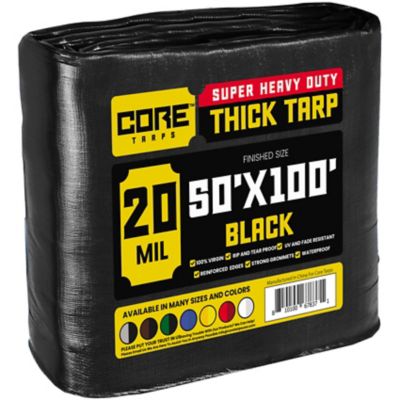
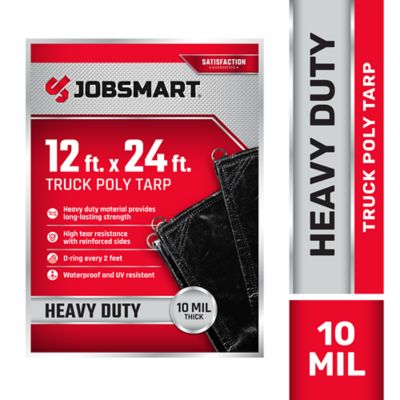
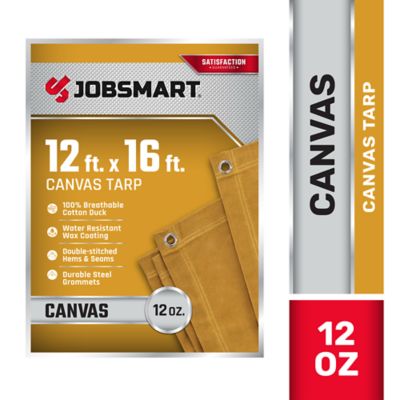
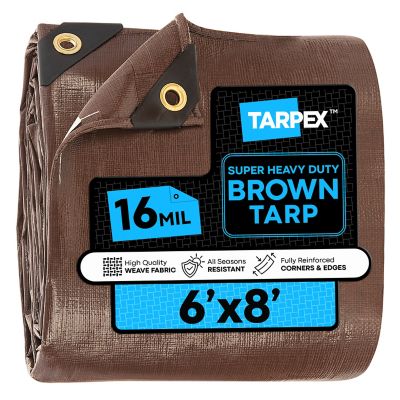
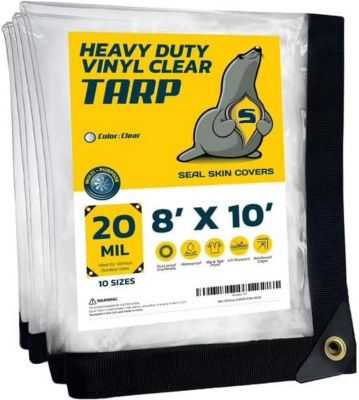
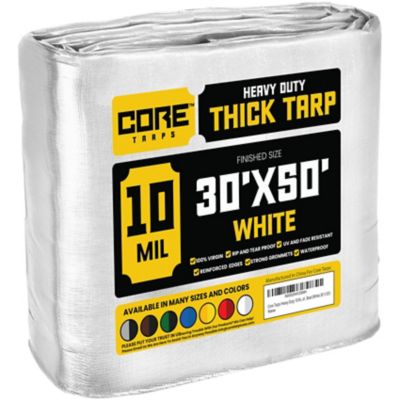
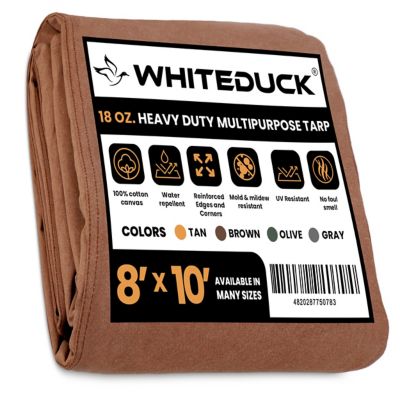
Heavy-duty poly tarps are protective covers made from woven polyethylene, typically finished with a laminated coating that helps block water. Waterproof construction, UV resistance, reinforced edges and sturdy tie-down points are common features, though the specifications vary from one tarp to another. These covers fit plenty of everyday jobs around a farm, acreage, workshop or construction site, from shielding a parked mower to covering a stack of lumber or keeping leaves and dirt out of a gravel pile. Their relatively light weight makes them practical for jobs where a cover needs to come off each morning and go back on at the end of the day. The woven inner layer provides strength, while the outer coating forms a barrier against moisture. That combination matters when a tarp stretches across rough boards, rests over equipment or gets folded and carried between work areas. Thickness is often listed in mils, with one mil equal to one-thousandth of an inch. A higher mil rating generally means a thicker tarp, but thickness alone does not tell the whole story. Fabric weight, weave construction, coating and edge reinforcement also affect how a cover stands up to handling. A thick sheet with weak attachment points may not suit the same work as a cover with reinforced corners and closely spaced grommets. UV-resistant treatments help slow breakdown from sunlight, rather than making the material immune to it. Likewise, a waterproof sheet still needs an arrangement that keeps water from entering around its edges or through attachment holes. Color can matter for visibility and light transmission, but color alone does not establish a tarp’s strength, waterproofing or sun protection. For equipment owners, farmers and contractors, the useful details are the ones tied to the actual job: how much area needs covering, what the tarp will touch and how often it will need moving. A cover for a smooth, stationary load faces different demands than one pulled over rough materials every day.
Size and shape make a big difference in how a heavy-duty poly tarp fits. The dimensions of the top surface are only part of the picture when a cover needs to drape down the sides of a woodpile, implement or pallet. Enough overhang helps shield the contents, while excess material can bunch on the ground, catch under tires or leave loose sections that flap against the load. Listed measurements may refer to cut size or finished size, so that distinction matters when a cover needs to reach particular attachment points. Rectangular tarps suit many long stacks and equipment footprints, while square shapes can fit more evenly over compact piles. Reinforced hems and grommets provide places to secure the edges, but they are not lifting points or a substitute for load restraints. Ties positioned around the perimeter spread tension more evenly than pulling hard from just two corners. A snug fit limits movement without stretching the fabric tight against every sharp edge. On rough lumber, metal corners or equipment handles, padding between the load and the tarp can reduce rubbing and punctures. The shape underneath matters, too: a supported slope lets rain run off instead of collecting in a low pocket, where standing water adds weight and strains the fabric. For outdoor storage, airflow deserves as much attention as coverage. Moisture already inside a stack, or condensation beneath a tightly wrapped cover, can leave surfaces damp even when rain stays out. Keeping materials raised off the ground and leaving suitable ventilation helps address that problem. Firewood, lumber and moisture-sensitive supplies each have different storage needs, so a tarp works best as one part of the storage setup rather than a cure for every exposure. For transport, the tarp’s stated suitability and the load-securement requirements both matter; a storage cover does not automatically become a road cover just because it has grommets.
Ongoing care helps a poly tarp stay useful through repeated covering, folding and hauling. Dirt and grit caught in a fold can rub against the coating, and dragging a cover across gravel can wear through areas that otherwise see little strain. Shaking off loose debris before folding and rinsing away stubborn dirt makes the next job cleaner, especially when the tarp moves between a brush pile, building materials and equipment. Any cleaning solution should match the manufacturer’s care directions, since harsh chemicals can affect the coating or fabric. Letting the tarp dry before storage helps prevent trapped moisture, odors and mildew on dirt or organic material left on the surface. A folded tarp belongs in a sheltered spot away from sharp tools, hot equipment and places where rodents can chew it. Checking corners, hems and grommets between jobs can catch small problems before the next tie-down puts them under tension. Minor damage may be suitable for a compatible repair patch, while a torn hem, stretched attachment point or brittle fabric can signal that the cover no longer fits a demanding job. Repeated rubbing, frequent repositioning and long exposure all influence service life, so matching the material to the task matters more than expecting one cover to handle everything. For a different material option,
Heavy Duty Vinyl Tarps offer a comparison for applications where weight, flexibility and resistance to abrasion deserve a closer look. Vinyl covers are often heavier than polyethylene covers, although the construction and ratings of each tarp determine its suitability. Poly remains a practical choice when manageable weight, straightforward handling and protection for everyday storage are the main priorities. Whether the job is covering a tractor attachment beside the shed or keeping debris off a work area, the right fit comes down to sound construction, enough coverage and attachment points that suit the space. Those details make a cover easier to handle and better matched to the work waiting outside.