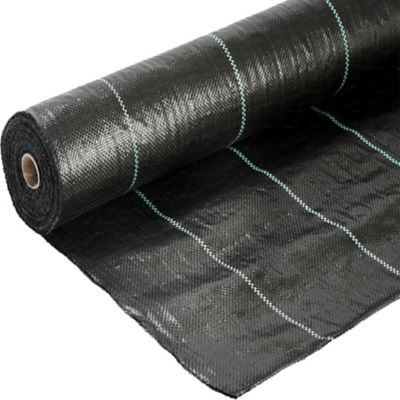
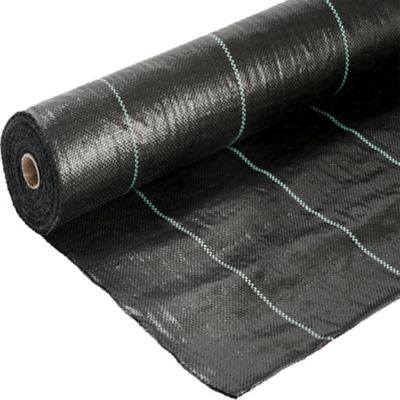
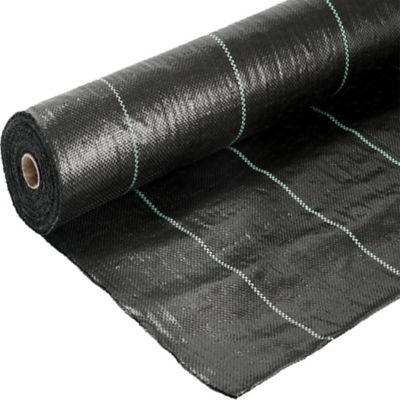
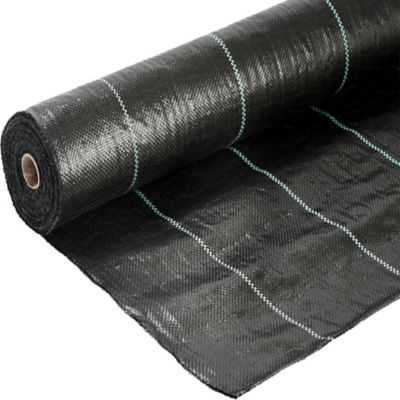
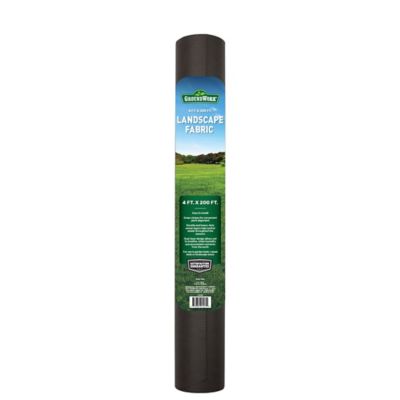
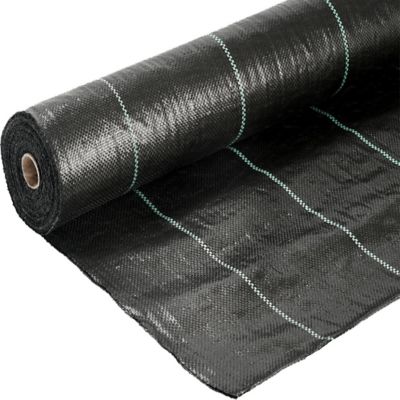
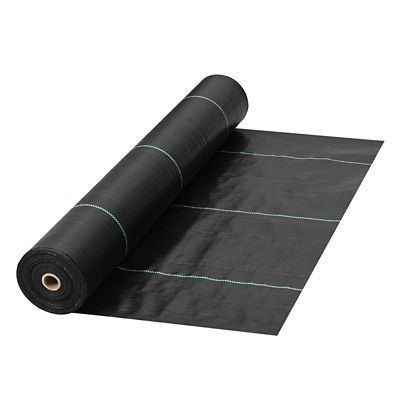
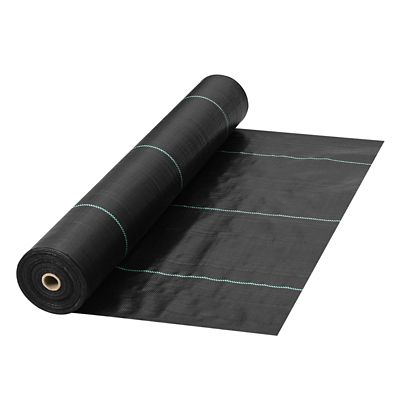
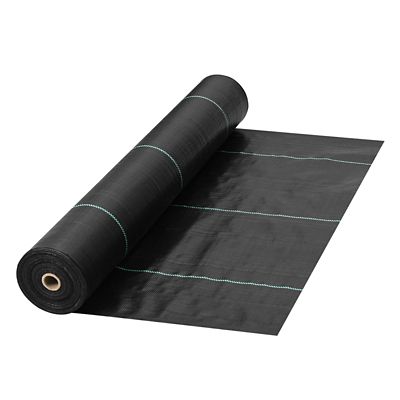
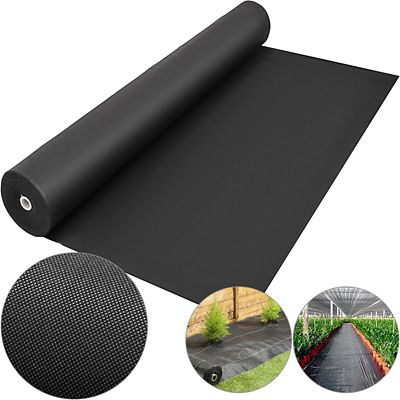
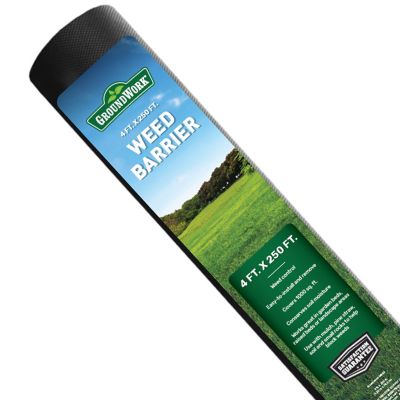
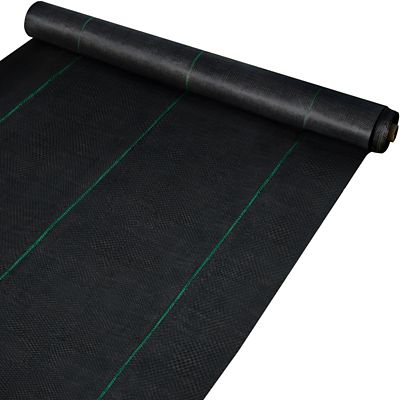
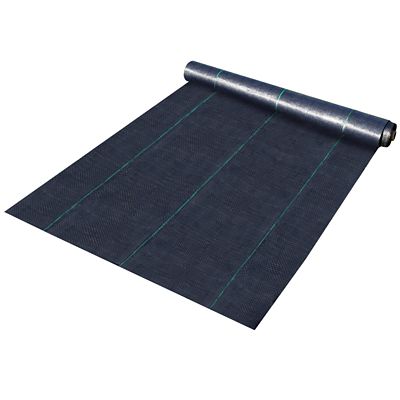
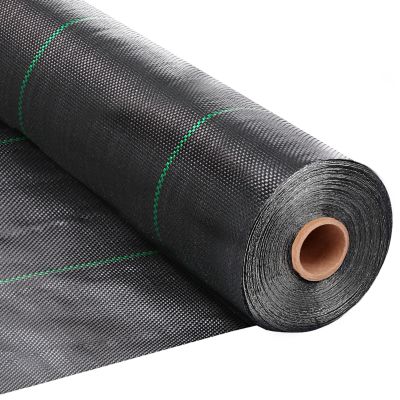
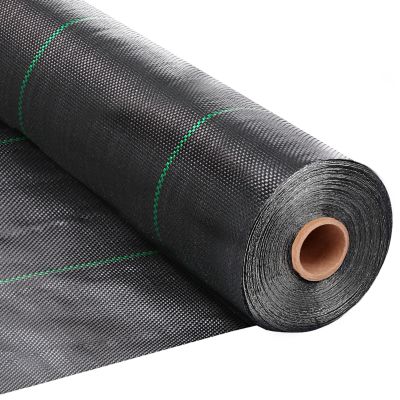
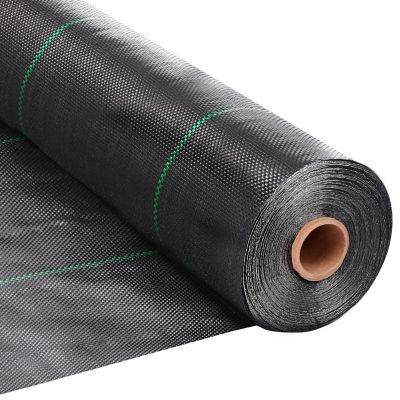
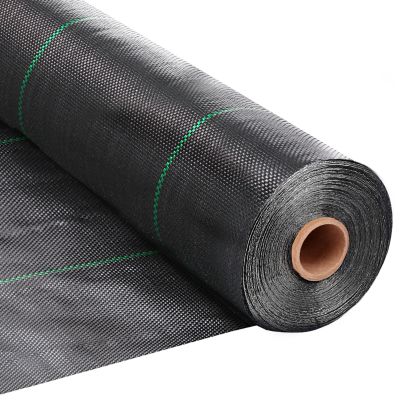
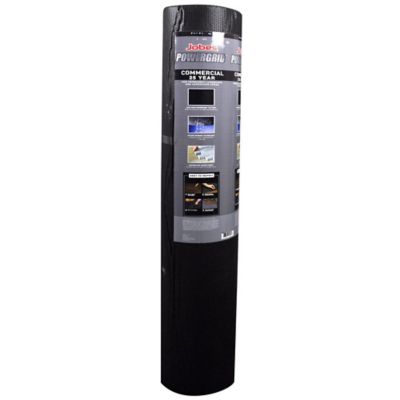
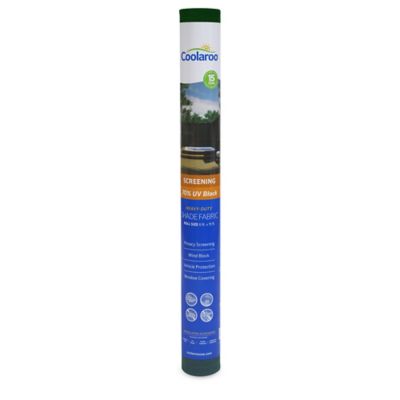
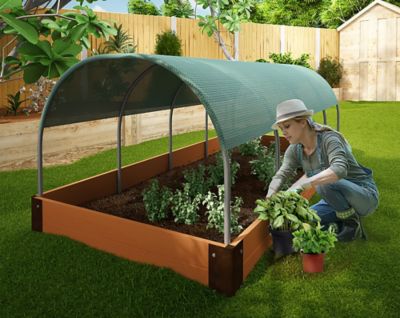
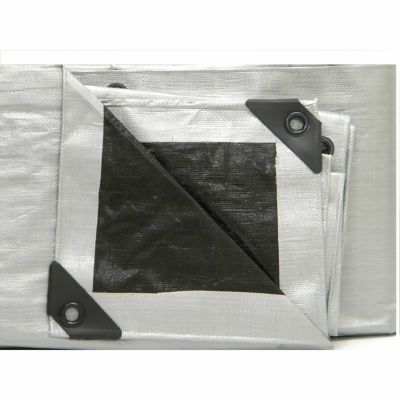
Heavy-duty landscape fabrics help keep soil and ground cover in their proper places while limiting weed growth beneath gravel, stone, or mulch. Across a home landscape, a farm entrance, or a walking path between outbuildings, that separation can make a real difference in how a finished surface holds together. A permeable weed barrier blocks light from reaching many weed seeds in the soil while allowing water and air to move through at a rate determined by its construction. It is not the same as a solid plastic sheet, and it does not promise a weed-free property. Woven polypropylene is a common material for heavy-duty landscape fabric because its interlaced strands provide strength against pulling and tearing. Nonwoven fabrics generally consist of bonded polypropylene or polyester fibers, with performance that depends on fiber structure, thickness, and manufacturing method. Some fabrics emphasize weed suppression in planting areas, while others serve as separation or filtration layers beneath aggregate. Those jobs overlap, but they are not interchangeable. A gravel drive that carries a loaded pickup calls for a fabric rated for that application, not simply a roll labeled as a weed barrier. For vehicle lanes and other load-bearing surfaces, application-rated geotextile fabric helps keep aggregate from mixing into the soil beneath it; a properly prepared base still does the heavy lifting. Under landscape rock beside a porch or along a fence, the main concerns may instead be limiting weeds, keeping the stone apart from the soil, and allowing irrigation water to drain. Fabric weight, often expressed in ounces per square yard, offers one way to compare materials, but weight alone does not establish strength or drainage performance. Published puncture resistance, tensile strength, permeability, and intended applications give a fuller picture. Heavy-duty landscape fabrics make the most sense when their construction matches the ground, the covering material, and the amount of traffic the space will see.
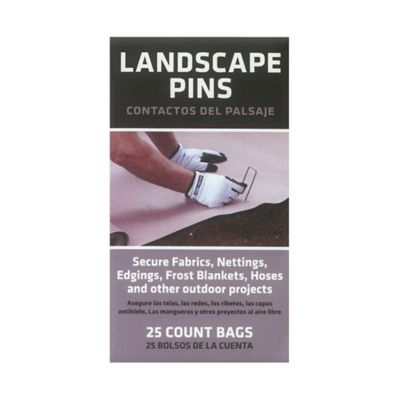
Roll width and length matter just as much as material when fitting landscape fabric to a project. A straight path beside a barn has different coverage needs than a broad shrub bed with curves, fence posts, and several planting openings. Measurements need to account for overlaps between sections, material secured along edges, and cuts around obstacles rather than just the visible finished area. Wider rolls can reduce the number of seams across an open space, while narrower widths may be easier to handle along fence lines or between established beds. Overlap requirements depend on the fabric and application, especially where loose aggregate or regular foot traffic could pull sections apart. Landscape staples and pins help hold the material in place, but their length and spacing should suit the soil and the manufacturer’s directions. Loose, sandy ground may call for a different anchoring approach than firm soil. The surface underneath matters, too: sharp sticks, exposed roots, and jagged stones can create pressure points, and existing perennial weeds may push through openings or seams if their roots remain active. A smooth, properly prepared base helps the fabric lie flat without stretched spots or pockets beneath the covering. For planting areas, openings should allow room for the intended plants without leaving broad patches of exposed soil where weeds can take hold. Fabric should not crowd trunks or woody stems. Water movement deserves a close look wherever irrigation runs through a bed or the ground already drains slowly. Permeable fabric cannot fix compacted soil, poor grading, or an undersized drainage system. Likewise, fabric beneath pavers must fit the planned base system rather than substitute for the specified aggregate and compaction. For homeowners, grounds crews, and folks tending small acreage, matching these details to the job helps avoid having to lift a finished layer of rock just to correct a poor fit underneath. It also makes handling more manageable when a project stretches from a small gate opening to a much longer run beside a building.
Long service life depends on more than choosing a thick roll. Many landscape fabrics need a covering layer to shield them from ultraviolet exposure and protect them from direct wear, with the type and depth of cover set by the manufacturer and the project requirements. Gravel, stone, and mulch behave differently over fabric, so a single covering depth does not fit every job. Exposed edges, torn planting openings, and seams that have pulled apart deserve attention before foot traffic or shifting ground cover makes the opening larger. Uninstalled rolls belong in a sheltered storage spot away from prolonged sunlight and anything that could cut or puncture them. Once the project is finished, routine cleanup still has a place. Leaves, soil, and broken-down mulch can collect above the barrier and create a new layer where windblown seeds take root. That is why weeds can appear on top of landscape fabric even when the material underneath remains intact. Removing that buildup and dealing with small weeds before their roots work into the fabric helps keep maintenance manageable. For gathering pulled weeds, leaves, and plant trimmings around the work area,
Heavy Duty Yard Waste Bags can help keep loose debris together during cleanup. Heavy-duty landscape fabrics are generally a better match for spaces meant to stay in place than for beds that get dug, divided, and replanted often. In frequently worked vegetable beds or flower beds, repeated cutting and digging can make a continuous barrier more trouble than it is worth. Around established plantings, long-term plans should also allow for root growth and access to irrigation lines. Under a stone walkway, along a tidy equipment shed border, or beneath a properly designed gravel surface, the right fabric provides a practical separation layer without taking the place of sound groundwork. The payoff is a space that stays easier to tend, with less soil mixing into the surface and fewer weeds coming up from below.