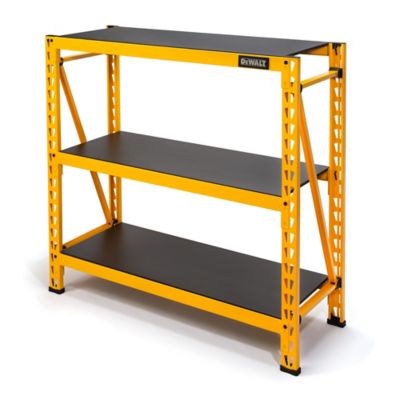
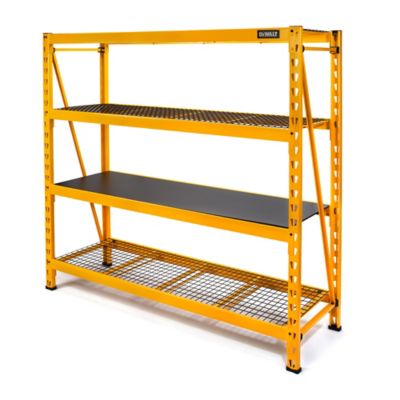
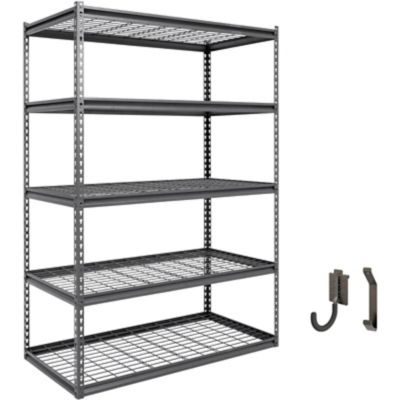
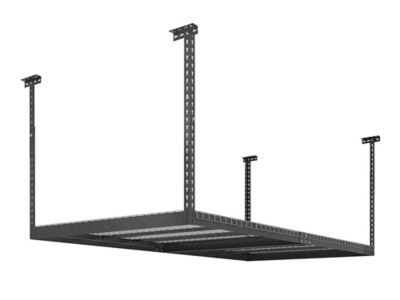
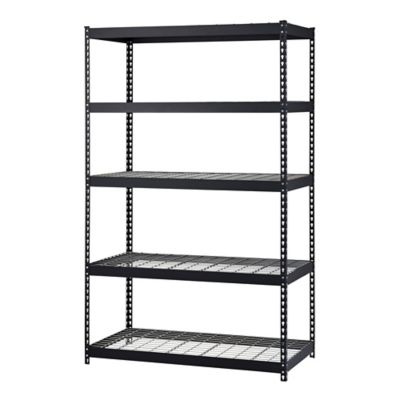
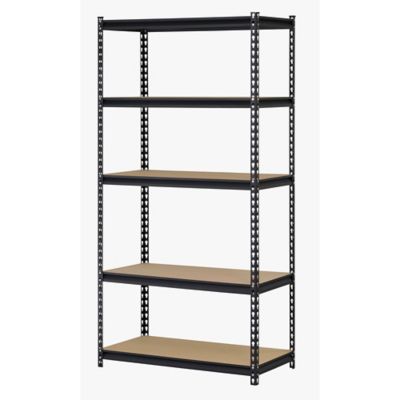
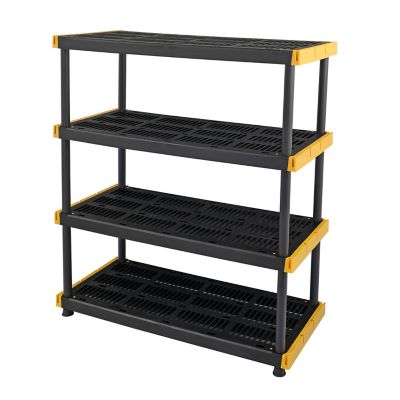
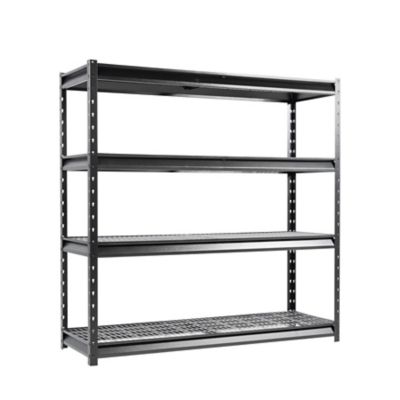
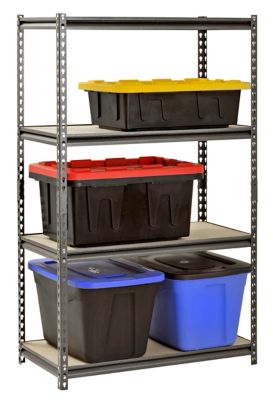
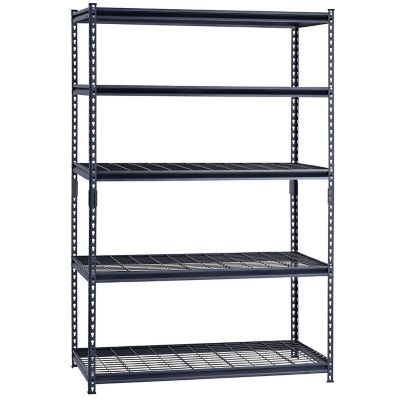
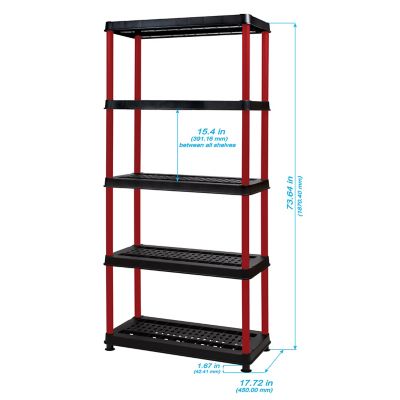
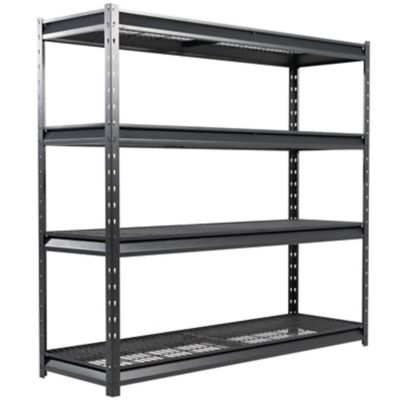
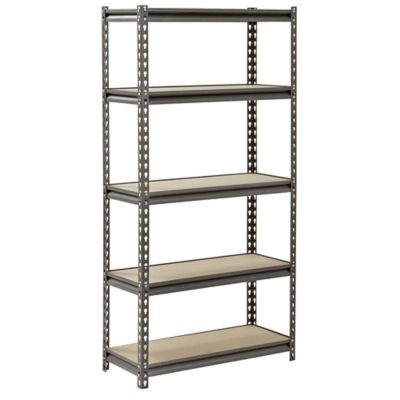
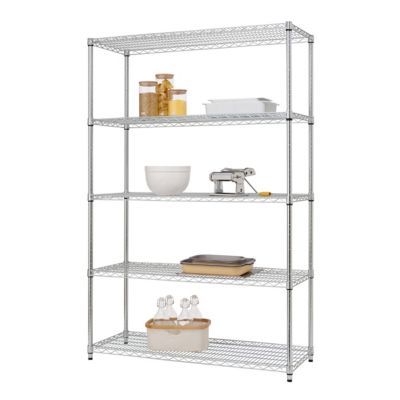
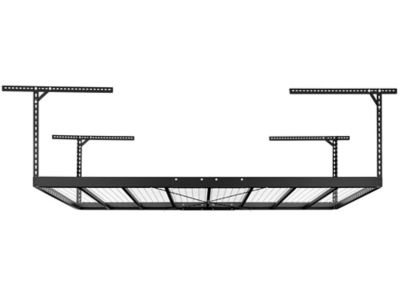
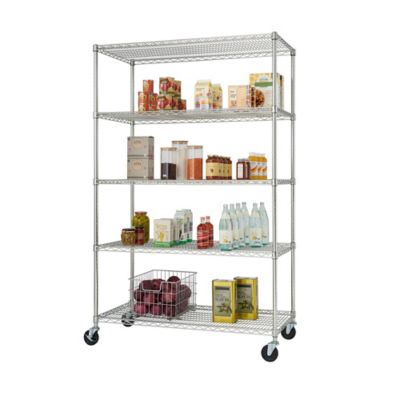
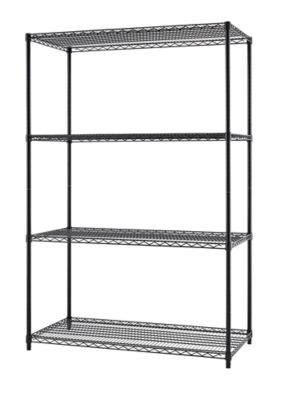
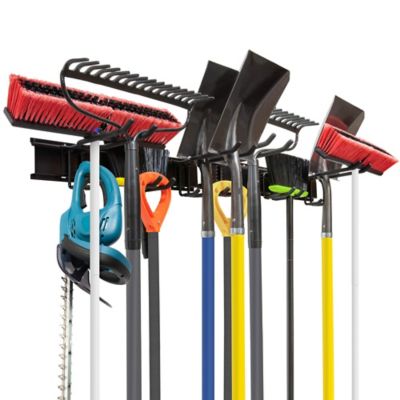
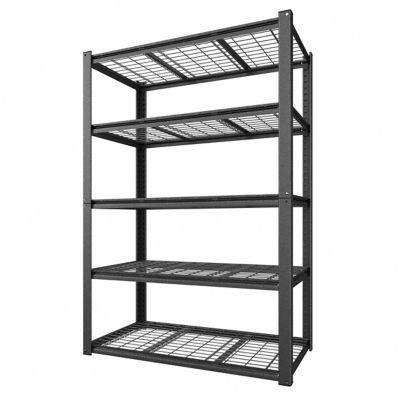
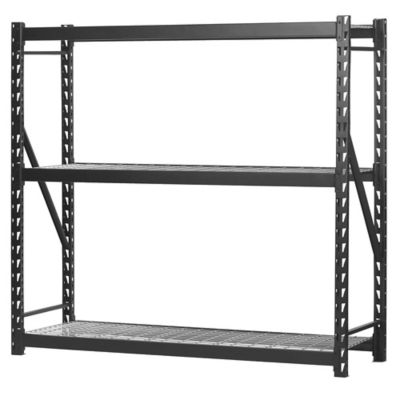
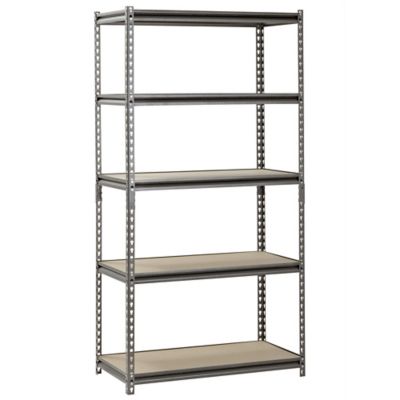
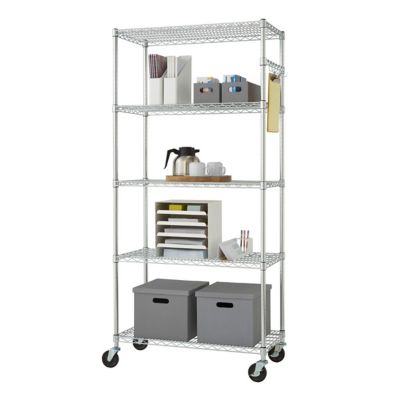
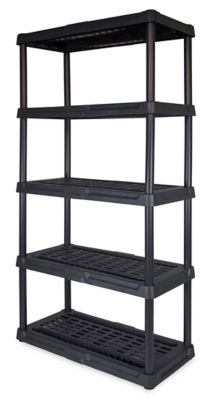
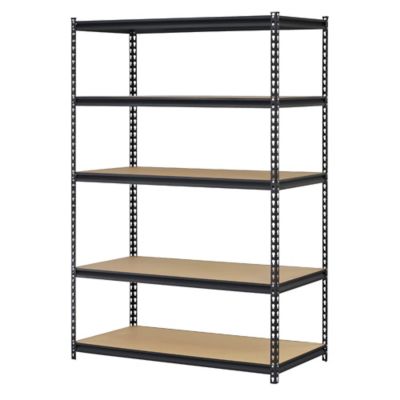
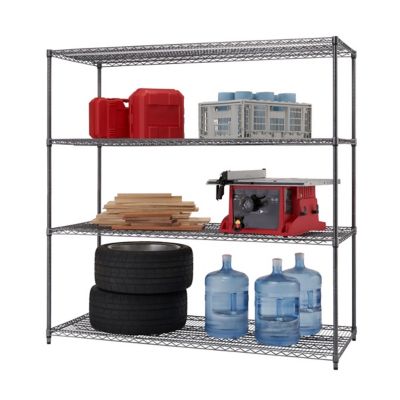
Heavy duty garage racks are sturdy storage systems built to keep weighty tools, equipment and supplies off the floor and within reach. Reinforced uprights, horizontal support beams and multiple shelf levels make them a good fit for garages that do more than hold a vehicle. A rack along the wall can bring order to tool cases, automotive parts, tie-down straps and storage totes without spreading everything across a workbench. For folks who handle their own equipment repairs, maintain acreage or spend evenings working on projects, that extra organization leaves more room for the job at hand. The difference between lighter shelving and a heavy duty garage rack comes down to rated load capacity and the structure supporting that load, not simply size or appearance. Weight ratings vary by design, and the limit for one shelf is different from the limit for the entire rack. Both ratings matter, along with any requirements for evenly distributed weight, shelf placement and anchoring. A collection of dense metal parts can reach a shelf’s limit well before it fills the space, while tall bins may take up plenty of room without weighing nearly as much. Steel frames are common because they support substantial loads with relatively slim uprights, and welded connections, bolted joints or interlocking beams provide different assembly arrangements. Cross braces and shelf supports help keep the frame square and limit movement when the rack is properly assembled. Powder-coated finishes help protect exposed steel, though scratches still need attention according to the manufacturer’s care directions. Wire decking provides an open surface that makes stored contents easier to see from below, but very small objects may need a suitable container or an approved shelf liner. Solid shelves provide a continuous surface for smaller containers, while wood-based panels need protection from spills and standing moisture. Shelf material, beam span and frame construction all affect how a rack carries weight, so a heavy-looking frame alone does not tell the whole story.
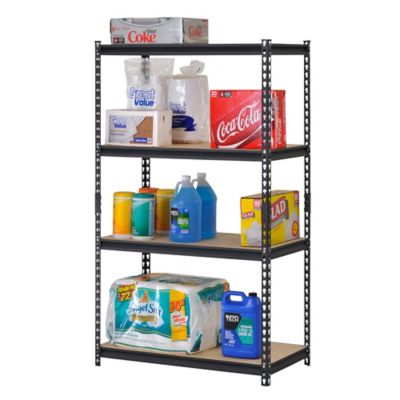
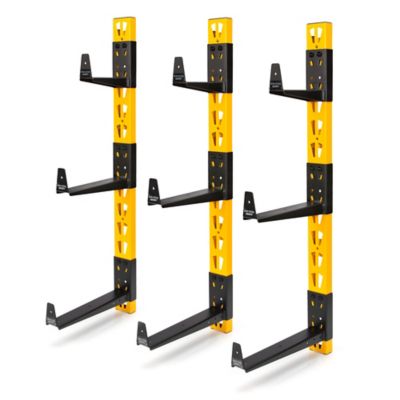
A garage rack fits best when its outside dimensions and usable shelf space both match the room. Overall width determines how much wall space the frame takes, but the clear distance between uprights determines whether a toolbox or tote actually fits. Depth deserves just as much attention: a deep rack can hold large containers, yet it also extends farther into the space needed for parking, opening vehicle doors or moving equipment. Enough clearance in front makes it easier to lift a bin with both hands rather than wrestle it sideways past a bumper. Height can add storage without taking more floor space, provided the upper shelves clear garage door tracks, openers, lights and other overhead fixtures. Adjustable shelves help accommodate a mix of tall cases, short containers and awkwardly shaped gear. Depending on the design, slotted uprights or repositionable beams allow shelf spacing to change, although required shelf positions and bracing still need to follow the rack’s assembly directions. Some rack systems accept additional sections, making their connection requirements and overall dimensions worth checking before planning a full wall of storage. Floor-standing, wall-mounted and overhead designs also have different support needs. A level, sound floor helps a freestanding frame sit properly, while wall and ceiling storage depend on suitable structural attachment points and hardware. Drywall alone is not structural support, and any required anti-tip anchoring is part of the installation rather than an optional finishing touch. The most practical arrangement puts the heaviest equipment on the lowest shelves, with frequently handled tools at a comfortable lifting height and lighter, less frequently needed supplies higher up. Evenly spreading a load across the shelf helps avoid concentrating too much weight in one spot. Long or wide objects should stay within the supported area rather than hang into a walkway. These details make a difference in a garage where somebody might be carrying a battery charger, rolling a mower past the rack or backing a truck into the next bay.
Everyday usefulness comes from matching the storage layout to the work that happens nearby. A home mechanic may want clear shelf space for tool cases and boxed parts beside the workbench, while an acreage owner may need room for repair supplies, fencing hardware and equipment attachments. Woodworkers, gardeners and households with shared garage space can benefit from separate storage zones that keep one person’s gear from swallowing the whole wall. Open layouts, including Heavy Duty Garage Storage Shelves, make it easier to see what belongs where;
Heavy Duty Garage Storage Shelves can also help organize a workspace around accessible shelf levels. Containers with plain labels help keep small parts together, and consistent bin sizes make better use of the space between uprights. A shelf that is easy to reach tends to stay organized longer than one packed so tightly that half the contents must come out to retrieve a single case. Care is generally straightforward, but the materials and connections deserve attention. Dust and debris can collect along beams, beneath shelf panels and around the feet, so access for sweeping and wiping is worth preserving. Spills should be cleaned promptly with methods appropriate for the shelf surface and finish, especially around wood-based decking or exposed metal. Periodic checks can reveal loose fasteners, beams that are not fully seated, damaged panels or changes in the frame’s alignment. Bent components, cracked decking or a rack that starts to lean call for unloading and inspection according to the manufacturer’s directions, not another layer of storage. Shelves are not steps, and keeping a suitable step stool nearby helps make upper storage accessible without climbing the frame. For a garage that serves as a repair shop, equipment bay and household storage area all at once, a well-matched rack gives each load a proper place while leaving the floor open for work. The payoff is practical: fewer obstacles underfoot, less hunting through piles and more room to get a job finished.