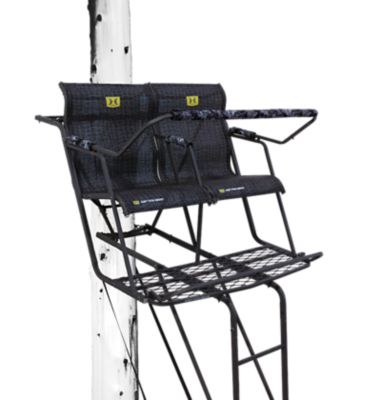
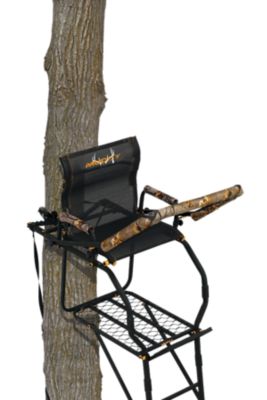
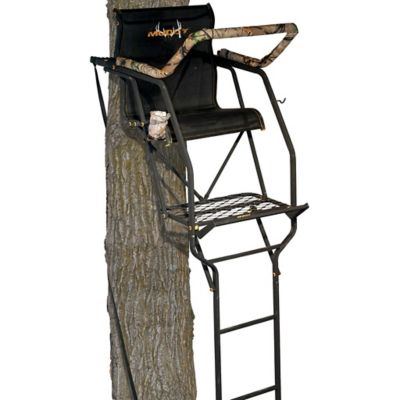
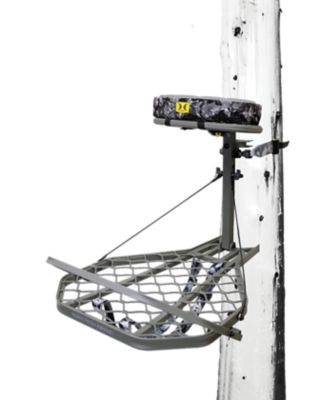
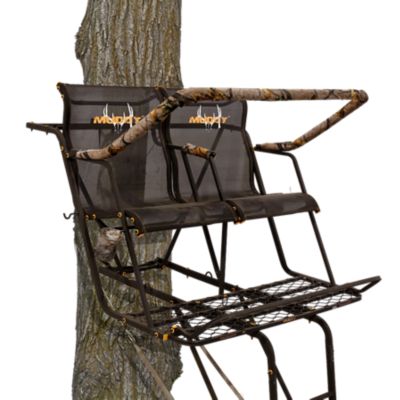
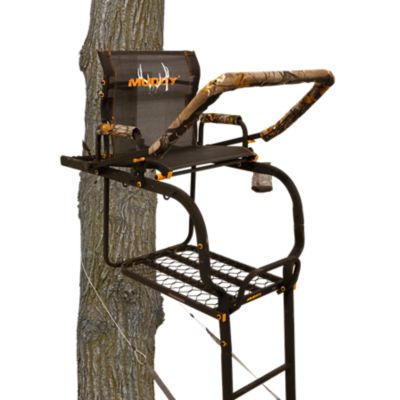
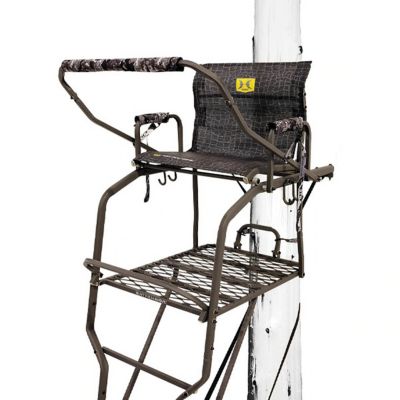
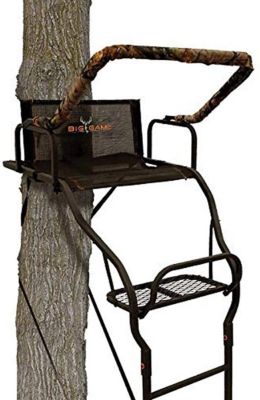
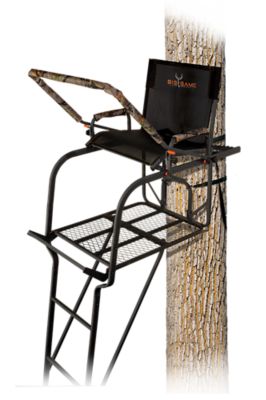
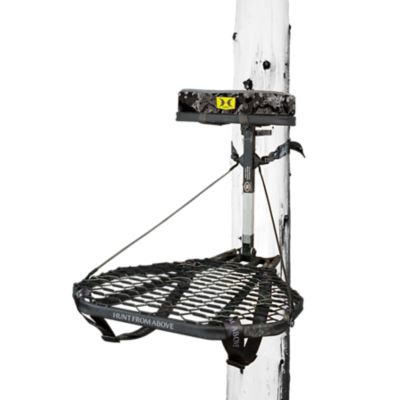
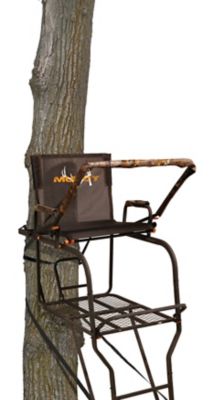
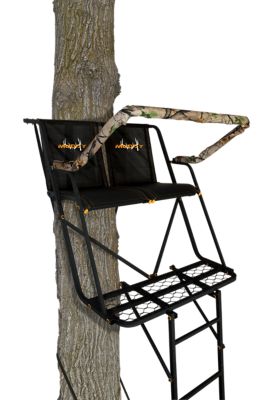
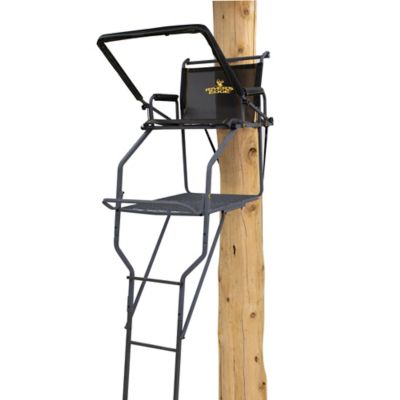
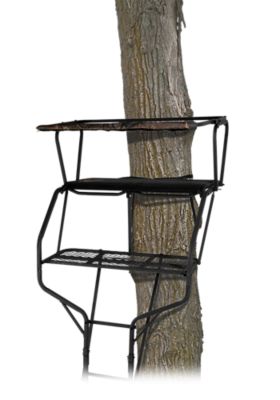
Heavy-duty tree stands give hunters an elevated place to settle in, watch a field edge, and stay ready through a long sit in the woods. These hunting stands generally emphasize substantial frames, supportive seating, and platforms with room for boots and gear, though the features behind a heavy-duty description vary by design. The most useful comparisons come from the manufacturer’s stated weight capacity, platform dimensions, seat measurements, and installation requirements—not the label alone. A stand’s load rating needs to account for everything it supports, including the hunter, clothing, pack, hunting equipment, and any other occupant when the design permits one. Extra room can matter just as much as capacity, especially for a larger hunter wearing insulated bibs or someone who spends several hours watching a well-traveled crossing. Ladder stands, climbing stands, and hang-on stands serve different hunting setups. A ladder stand provides a dedicated climbing route and often suits a spot where the stand can remain installed for the period allowed by the manufacturer and landowner. A climbing stand combines a platform and seat section that move up a compatible trunk, making tree shape and branch placement especially important. A hang-on stand attaches to the tree separately from its climbing access and can offer flexibility where suitable trees and permitted access equipment allow it. None of these styles fits every tree or every hunter. The broader selection of
Tree Stands offers a way to compare those formats alongside the features that matter for a particular hunting spot. Around a pasture corner, along a wooded fence line, or overlooking a travel corridor, a well-matched setup starts with the stand’s intended use and the conditions at that location. Height alone does not make a stand a better choice; a suitable tree, practical access, clear sight lines, and a manageable approach all play a part.
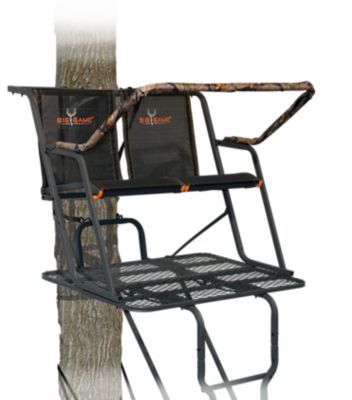
Materials and construction affect how a heavy-duty hunting tree stand feels underfoot, how much it weighs on the walk in, and how it holds up through repeated trips outdoors. Steel frames commonly bring substantial structural support, while aluminum designs can reduce carrying weight; either material still needs a stated load rating and a design suited to its intended job. Total stand weight becomes a real consideration when the route crosses a creek bottom or runs uphill beyond the last place a vehicle can reach. For a setup closer to an access trail, carrying weight may matter less than a roomy seat and a platform that accommodates a comfortable stance. Protective finishes help limit exposure to moisture, but scratches, connection points, and places where water collects still need attention. Platform texture, rail placement, and the spacing of ladder rungs affect everyday handling, particularly with muddy boot soles or thick gloves. A larger platform can leave room to reposition feet without crowding the edge, although its outside dimensions do not always describe the entire usable standing area. Seat height, back support, cushion thickness, and the space between armrests help determine whether a stand feels comfortable after the first hour. Mesh seating may drain and dry differently than padded seating, while removable cushions can make storage and cleaning simpler when the design allows it. Bowhunters may value clearance for drawing and turning, while firearm hunters may prefer a shooting rail positioned for a comfortable seated hold. A rail should never be mistaken for fall protection. Two-person tree stands deserve a close look at both the combined load limit and the actual seating space, since two bundled-up adults can take up considerably more room than the seat width first suggests. For a hunting partner or family member receiving a stand as a gift, matching their preferred stand style, physical needs, and hunting location matters more than choosing the biggest frame. Compatibility with their existing safety equipment and their ability to transport and install the stand are equally important.
Long sits during the cooler months put small details to the test. A seat that feels fine for a few minutes may feel cramped once a hunter adds a coat, safety harness, and layers around the waist. A pack hanging in the wrong spot can crowd the climbing route, while loose accessories can knock against the frame just as deer step into view. Features such as well-positioned attachment points, manageable folding sections, and secure seat fasteners can make a stand easier to organize within the manufacturer’s limits. The surrounding tree matters just as much as the stand itself: trunk diameter, bark condition, tree health, and attachment geometry must meet the stand’s requirements. Dead trees, compromised trunks, and improvised mounting arrangements have no place in an elevated hunting setup. Heavy-duty construction does not eliminate fall risk, and a full-body fall-arrest harness with a compatible connection system is essential. Hunters should remain connected according to the safety-system instructions from the moment they leave the ground until they return, including transitions into and out of the stand. Installation can also call for multiple adults and specific securing steps, especially with large ladder stands, so the required help and equipment belong in the planning before the stand reaches the woods. Once installed, routine inspection remains part of ownership. Straps, cables, bolts, welds, platform connections, and tree-contact points need checks at the intervals specified by the manufacturer and before each outing. Sunlight, moisture, temperature swings, and animal damage can affect components even when a stand has seen little hunting time. Worn or damaged parts call for manufacturer-approved replacements rather than makeshift repairs. Cleaning off mud and leaf litter, drying components before storage, and keeping fabric pieces sheltered when recommended help preserve their condition between seasons. Tree growth and shifting attachments also make it important to follow limits on how long a stand may remain mounted. A heavy-duty tree stand earns its place in a hunting setup through the right combination of capacity, fit, sound construction, and ongoing care—whether the plan is a quiet morning near the home place or a full day watching the far side of a wooded ridge.