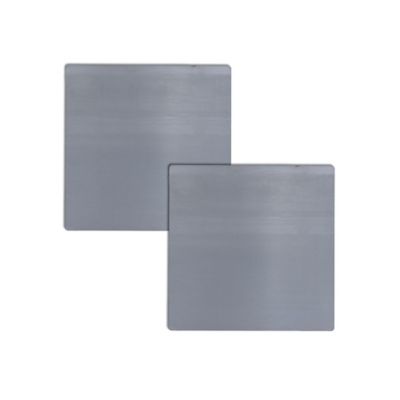
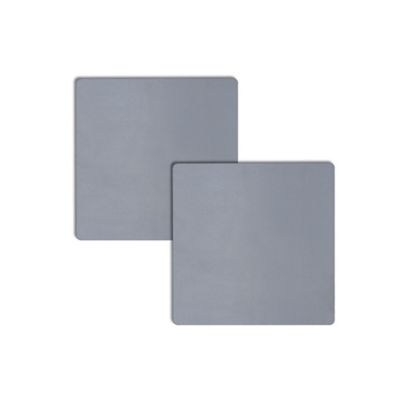
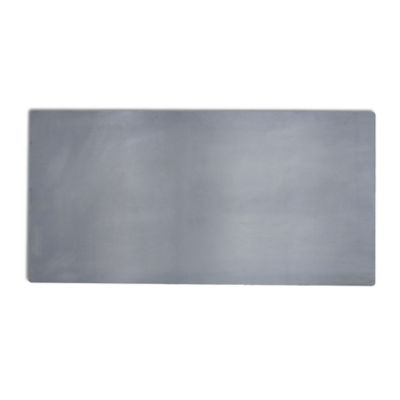
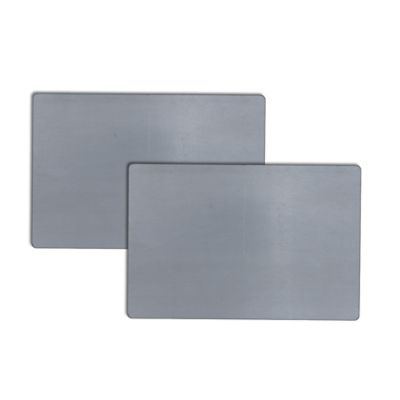
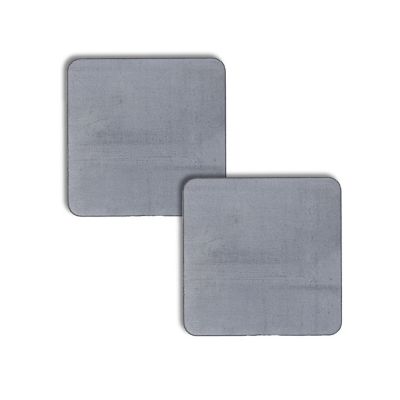
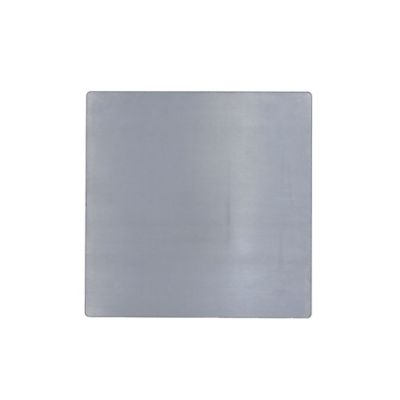
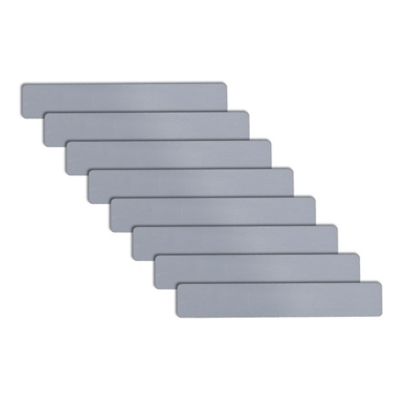
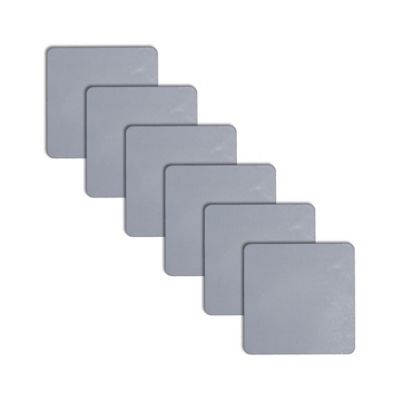
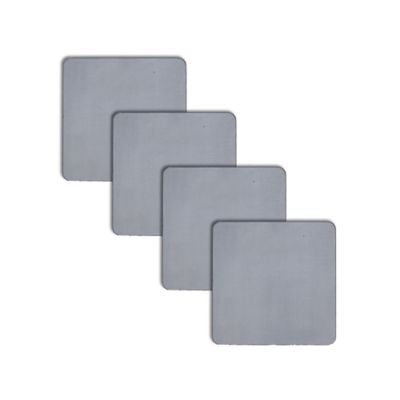
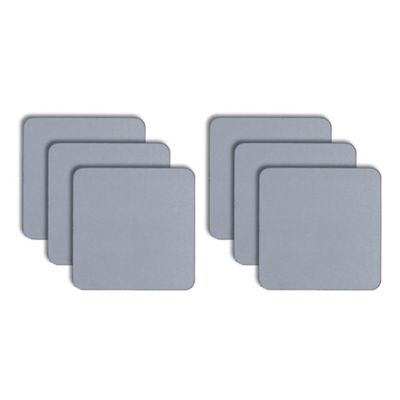
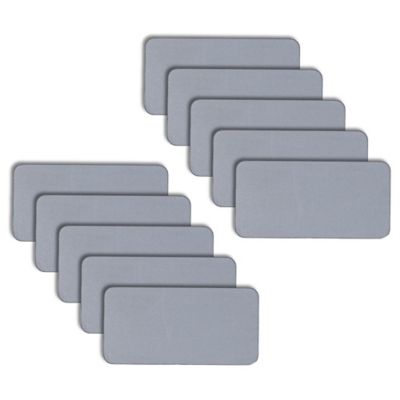
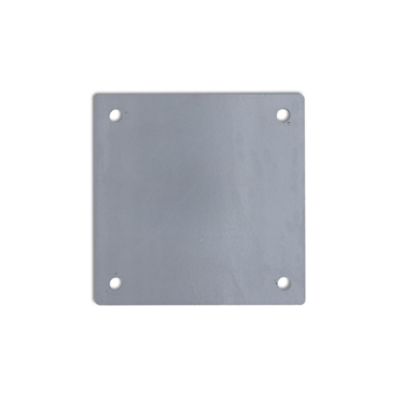
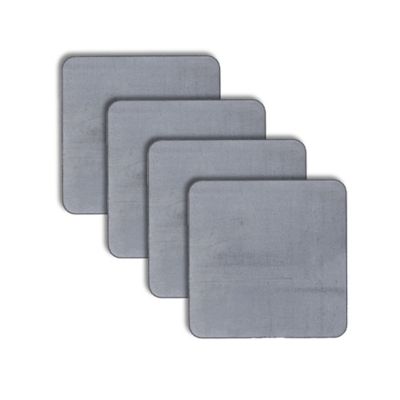
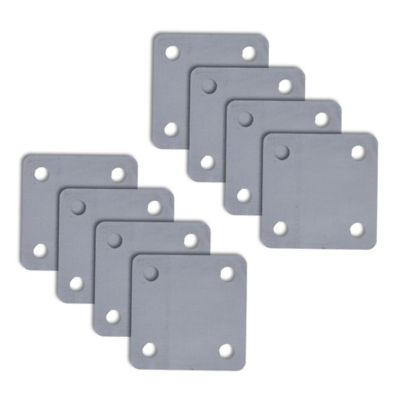
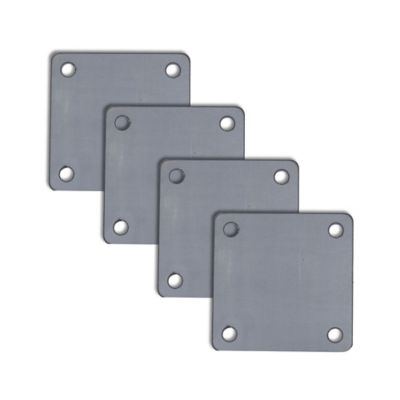
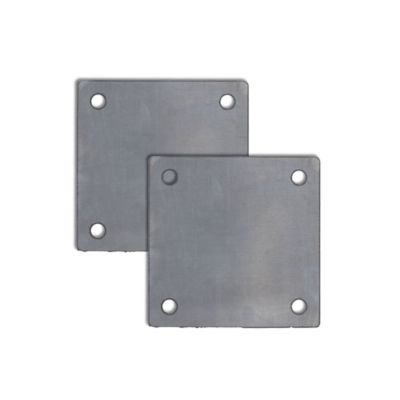
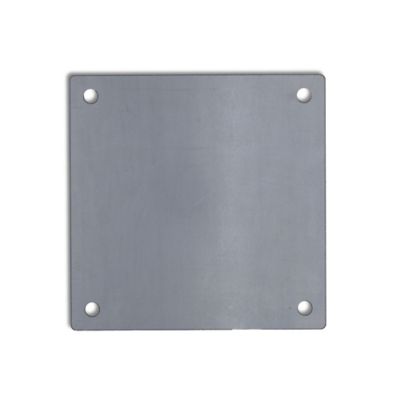
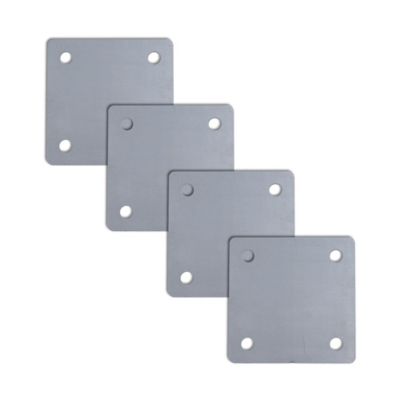
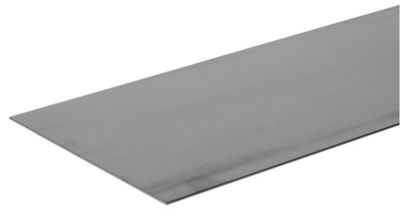
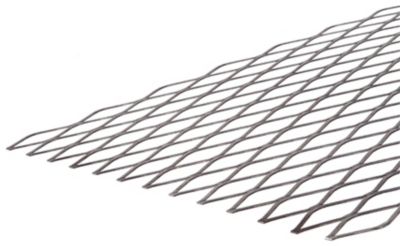
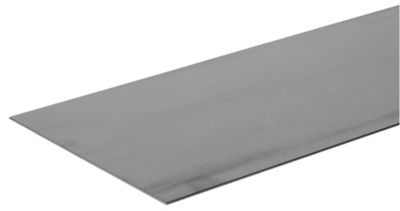
Heavy duty steel plates provide a solid foundation for demanding work around the farm, shop, jobsite, garage, and equipment yard. These thick metal sheets are made to support weight, spread loads, shield surfaces, and stand up to hard contact where lighter materials may bend or fail. Depending on the project, a plate may serve as a base beneath a post, column, jack, machine, or trailer; a bridge over a shallow trench or soft spot; a work surface for fabrication; or a replacement section for equipment that takes a beating. Plate thickness can range from roughly 1/4 inch to several inches, with larger sections intended for industrial construction and heavy machinery. The right choice starts with the job itself. Consider how much weight the plate must carry, whether the load will remain in one place or travel across the surface, and whether the steel will face impact, rubbing, heat, moisture, or repeated vibration. Dimensions matter just as much. A plate that is too small may not spread the load far enough, while an oversized section can be difficult to move, position, or fasten. Before ordering, measure the opening, frame, support points, and surrounding clearance, then account for the added height of the steel. On a farm or ranch, a few extra minutes with a tape measure can save a long trip back to the store when a plate needs to fit beneath a gate post, across a culvert, or inside a piece of equipment.
Steel grade is another important part of the selection process. A36 carbon steel is a common general-purpose option for structural work, brackets, bases, supports, and fabrication because it can be cut, drilled, and welded with the right equipment and procedures. Abrasion-resistant grades such as AR400 and AR500 are made for areas where sliding, scraping, or repeated impact wears away ordinary steel, including chutes, liners, truck beds, material-handling equipment, and certain target applications. High-yield quenched and tempered plates, including A514 or T-1 types, are selected when a project calls for high strength without adding as much weight. Each grade has its own requirements for welding, drilling, bending, heating, and finishing, so check the mill information and fabrication guidance before work begins. Plate edges may be sharp, and thick sections can shift suddenly during lifting, so wear gloves, eye protection, protective footwear, and hearing protection as the task calls for. A loader, hoist, forklift, or other lifting equipment should have a rated capacity that exceeds the plate’s weight, with the load secured before it is moved. Keep the work area level and clear, especially when handling steel outdoors on gravel, packed soil, or a wet concrete floor. For a plate exposed to rain, livestock areas, road salt, or damp storage, plan for surface protection and inspect it from time to time for rust, deep scoring, cracks, or distortion. A coat of suitable protective finish can help slow corrosion, but it should not hide damage that needs attention.
These plates fit a wide range of projects, from reinforcing a loader attachment to building a firm base for a shop tool or covering a section of ground during construction. Contractors may place road plates over trenches, access points, or soft ground to keep vehicles and equipment moving while work continues below. Welders and fabricators may start with flat stock for brackets, gussets, skid plates, guards, machine frames, press components, and worktables. Farmers may keep a section on hand for repairs around gates, trailers, feeders, barns, and equipment shelters, while maintenance crews may rely on plate stock when a worn panel or support needs to be replaced. A steel plate can also add a layer of resistance around a secure storage area; for a related option built around heavy steel construction, see
Heavy Duty Steel Gun Safes. When planning a project during the cooler months, remember that cold temperatures, frozen ground, mud, and limited daylight can affect transport, lifting, welding, and outdoor installation. Store plate on blocks or a firm rack rather than directly on soil, and leave room for straps or lifting tools to reach it safely. For a purchase that will fit the job, compare grade, thickness, width, length, edge condition, finish, and total weight instead of looking at size alone. Think about the tools available at home, the space where the plate will be cut or drilled, and whether the finished piece must meet a building, farm, workplace, or equipment manufacturer requirement. A well-planned steel plate project starts with a clear load path and ends with secure fastening, smooth finished edges, and regular checks after the first few days of service. Whether the work takes place beside a muddy gate, inside a busy repair shop, or under the lights of a winter barn, the proper plate can help create a firm, capable foundation for the job ahead.