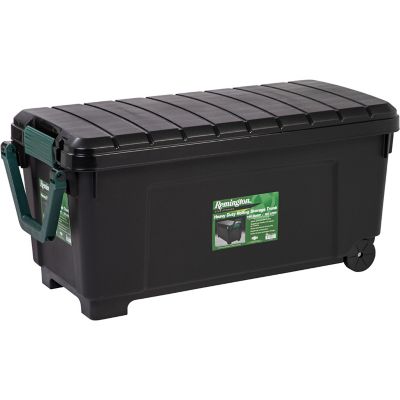
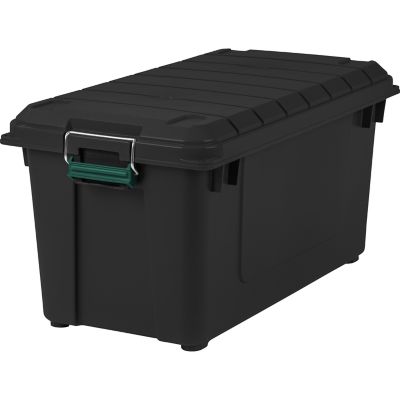
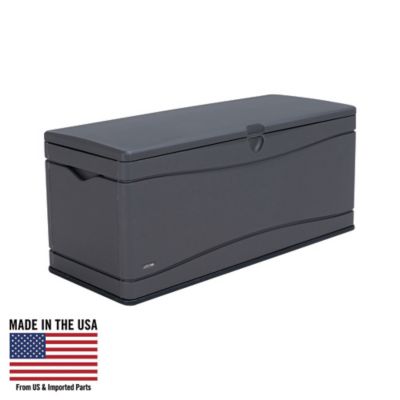
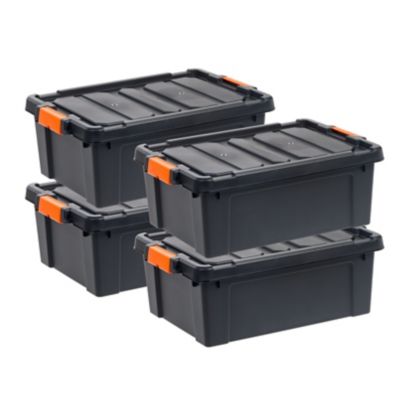
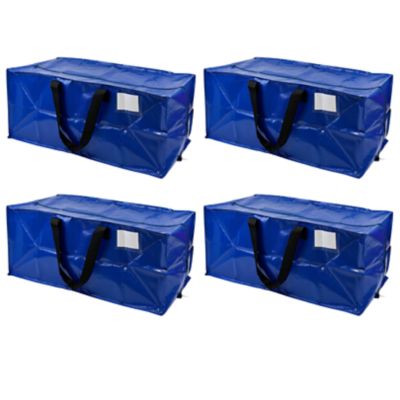
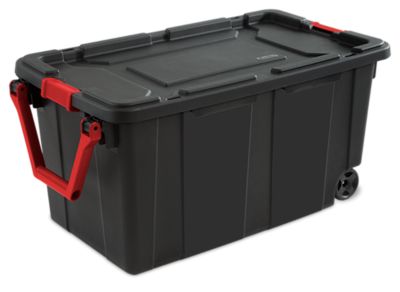
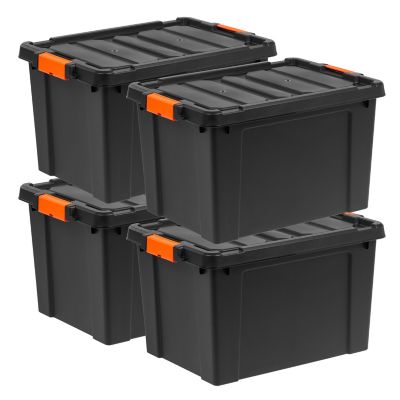
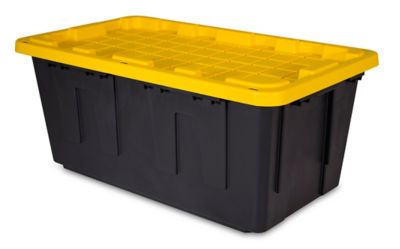
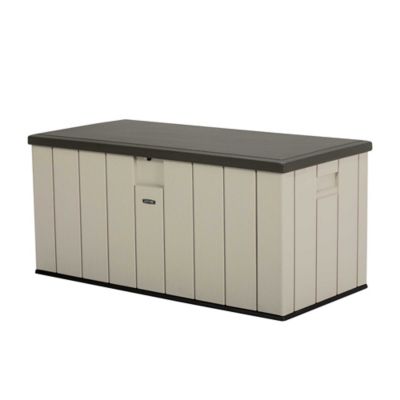
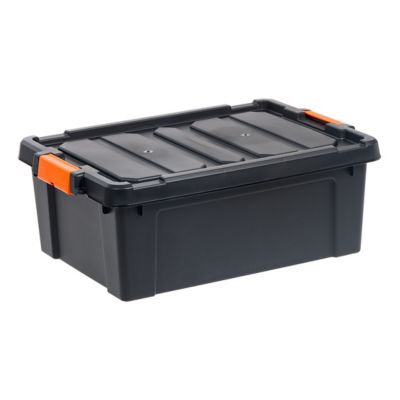
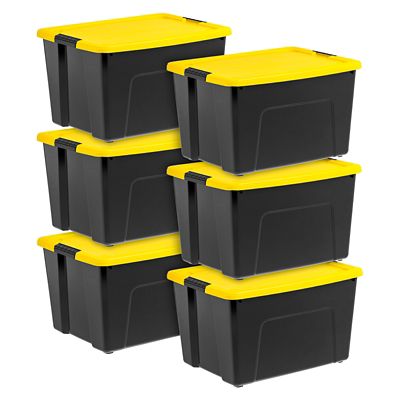
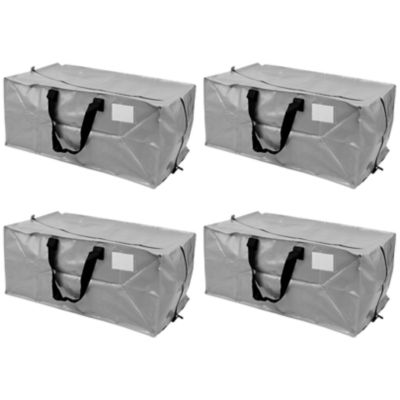
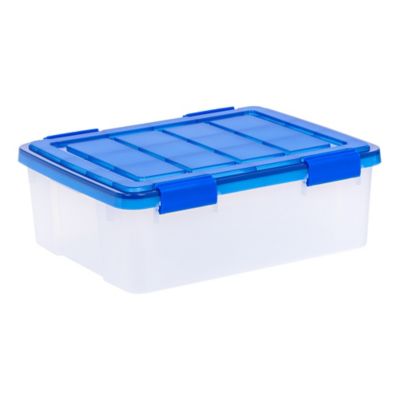
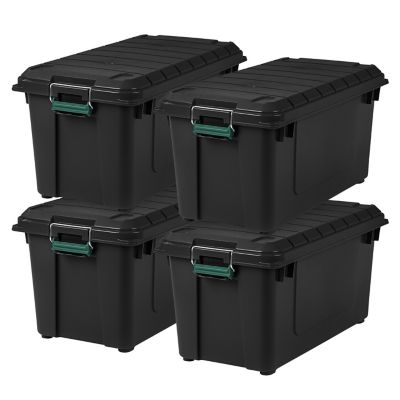
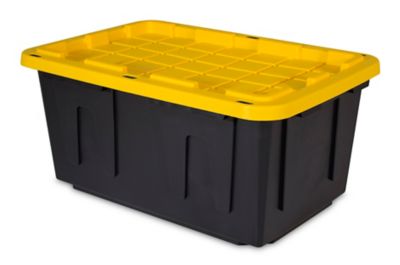
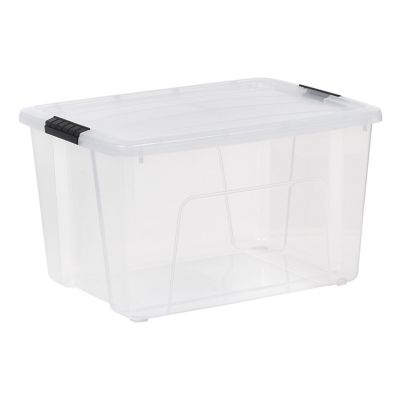
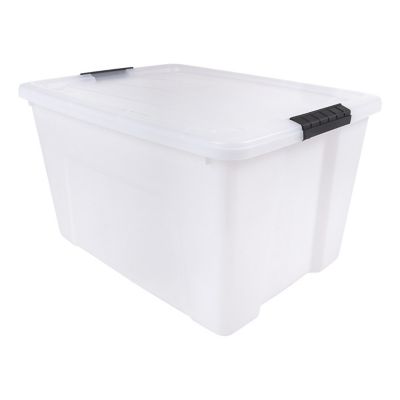
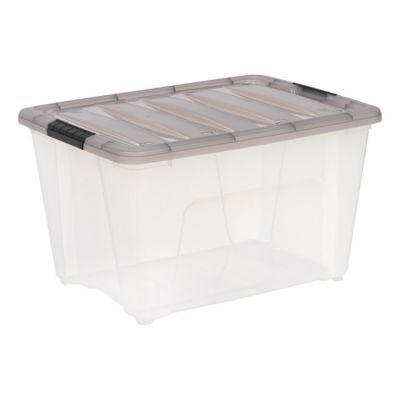
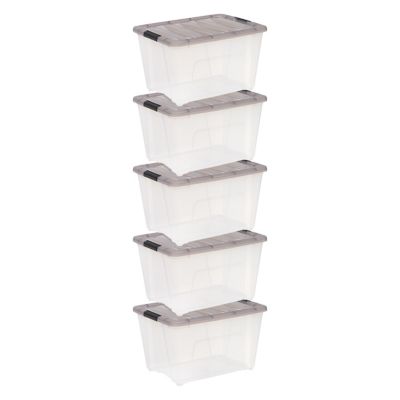
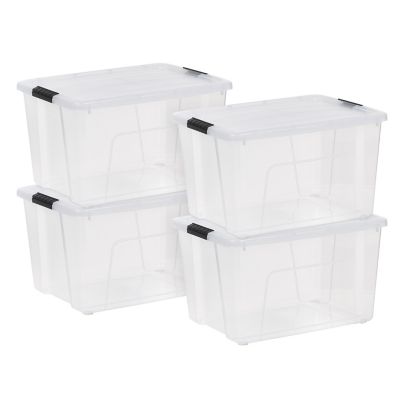
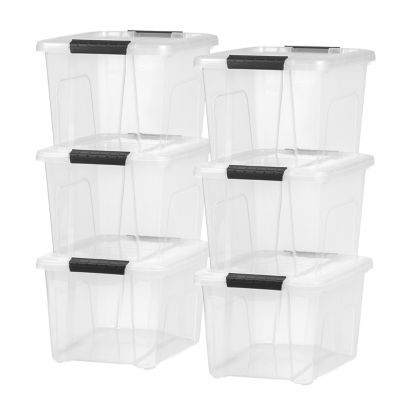
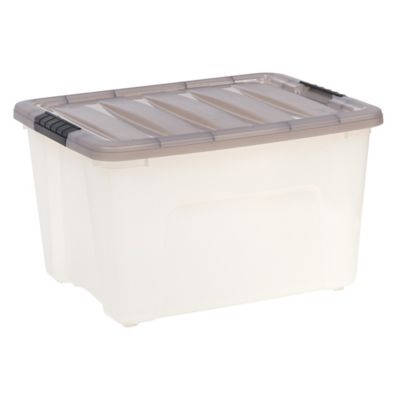
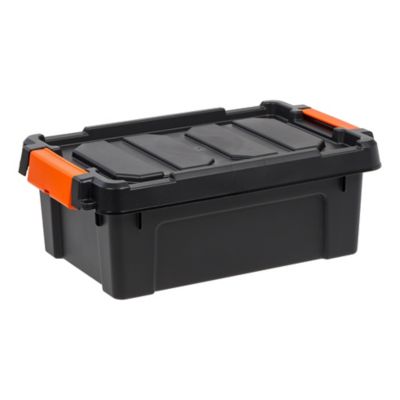
Heavy duty storage totes make room for the gear that comes with a full day around the house, barn, garage, or workshop. From fencing gloves and spare hardware to camping supplies and cold-weather layers, a sturdy container helps keep things together instead of scattered across shelves and workbenches. These totes are built around practical needs: carrying a load, keeping a lid in place, and giving belongings a designated spot between jobs or seasons. Many feature molded plastic construction, with polypropylene and polyethylene among the common materials. The way a tote is shaped matters as much as the material itself. Reinforced corners, ribbed walls, and a supported base can help a container hold its shape under a load, while a well-fitting lid helps keep everyday dust off the contents. A tote holding spare bedding in a closet has a different job than one carrying supplies between a shed and a pickup, so the right construction depends on where it will spend its time. Solid-colored walls keep contents out of sight and limit light exposure, while clear walls make it easier to spot a pair of gloves or a missing roll of tape without opening every lid. Neither style takes the place of checking the container’s weight rating or the conditions it is meant to handle. Heavy duty describes a broad category, not a promise that every tote can sit outside through rain, freezing temperatures, and direct sun. For farm households, tradespeople, outdoor enthusiasts, and anyone sharing a busy garage, these containers offer a straightforward way to separate supplies by task. One tote can hold clean chore clothes, another can keep trailer accessories together, and a third can gather the loose odds and ends that otherwise disappear behind a bench. During the cooler months, that separation is especially handy when extra layers and weather-related supplies start taking up more space near the door.
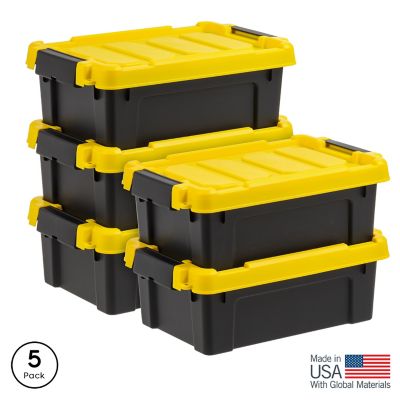
Size and fit have a lot to do with how useful a storage tote will be once it gets home. Capacity in gallons gives a general sense of volume, but outside dimensions determine whether a container fits beneath a workbench, on a shelving unit, or behind the seat of a truck. Interior measurements matter, too, since tapered sides, molded handles, and recessed lids can take away space where a long or square object needs to fit. A large tote works well for light, roomy belongings such as blankets or sleeping bags; smaller containers often make more sense for hardware and other dense supplies that get heavy in a hurry. Leaving enough clearance above a tote to release the latches or lift the lid can save a lot of shuffling on a crowded shelf. Handles deserve a close look for the same reason. Recessed grips keep the profile compact, while other handle designs may offer more room for a gloved hand. A balanced load is easier to carry across a gravel drive than one with all the weight settled at one end, regardless of handle style. Latching lids can help keep contents contained during routine handling, and gasketed designs may offer added protection against dust or moisture when their stated ratings support it. A tight-looking lid alone does not establish that a tote is watertight. Wheels can ease movement across a smooth garage floor, though small wheels may struggle on ruts, loose gravel, or soft ground. For storage that makes better use of vertical space,
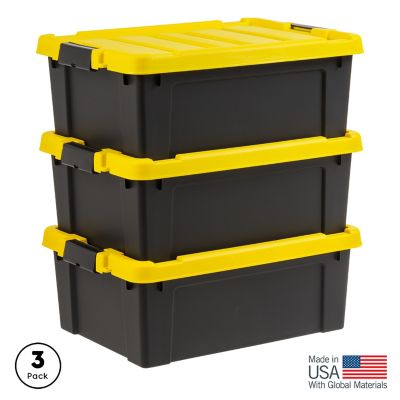
Heavy Duty Stackable Storage Bins offer another way to organize a work area. Stacking depends on compatible lid-and-base shapes, the load inside each container, and the limits set by the manufacturer. Keeping heavier containers low and frequently needed supplies within easy reach makes a stack more practical, especially where family members are coming and going with tools, boots, and armloads of gear.
Long service life starts with matching a tote to its surroundings and treating its limits as part of the job. An enclosed mudroom, an unheated outbuilding, and an open truck bed expose plastic containers to very different conditions. Temperature extremes can affect how plastic behaves, and extended sunlight exposure can weaken materials that are not rated for it. Totes that ride in a vehicle need proper restraint rather than reliance on their weight or lid latches to keep them in place. They also should not serve as steps or seats unless expressly designed for that purpose. Around the barn or workshop, keeping sharp edges covered and loose metal parts contained helps protect the tote walls and makes unloading less of a scramble. Dividers or smaller interior containers can keep little pieces from settling beneath larger gear, while a simple label on an outward-facing side saves opening several lids to find the right supplies. Clean, dry contents are important for enclosed storage, particularly when putting away fabric, leather, or metal. A lid can help keep outside grime off belongings, but it can also hold moisture inside if damp gear gets packed away too soon. Most routine cleanup calls for emptying the tote, brushing out grit, and washing with mild soap and water when the care directions allow it. Thorough drying before replacing the lid helps prevent lingering moisture and odors. Hinges, latches, handles, and corners are worth checking after a hard knock or a season of hauling, since cracks or loose parts can change how safely a container carries its load. General-purpose totes are not automatically suitable for direct food contact, animal feed, fuel, or chemicals; those jobs call for containers expressly intended for the contents. For everyday household and property storage, though, the appeal is simple: gear stays grouped, shelves are easier to manage, and the next task can start without a long search through a dusty pile. A well-matched tote earns its place by fitting the space, carrying a manageable load, and keeping the things needed for work and downtime close at hand.