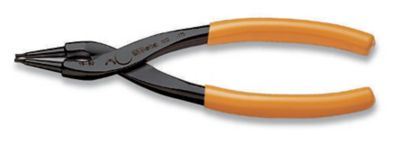
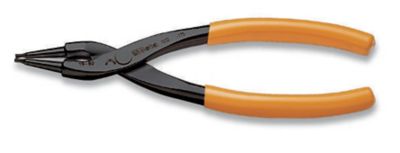
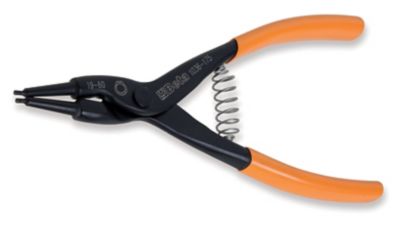
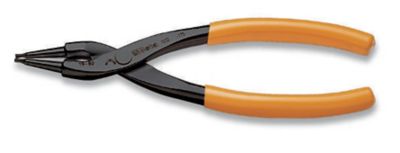
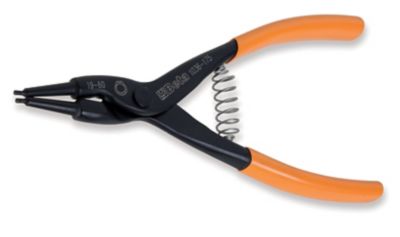
Heavy-duty snap ring pliers belong in the toolbox when retaining rings stand between a mechanic and a bearing, shaft, or housing that needs attention. These rings may be small beside the equipment they help hold together, but getting a firm grip on them matters during teardown and reassembly. On farm machinery, trailers, shop equipment, and automotive assemblies, snap rings can secure components in grooves along a shaft or inside a bore. The right pliers engage the ring’s eyelets so it can move clear of its groove without the sideways wrestling that comes with an ill-fitting tool. Heavy-duty designs generally emphasize substantial handles, sturdy pivots, and working ends suited to the ring sizes and loads specified by the tool maker. That makes them a practical consideration for farm owners, equipment mechanics, maintenance crews, and folks who handle repairs at their own workbench. Internal snap ring pliers bring the ring’s ends together to reduce its diameter for removal from a bore, while external snap ring pliers spread the ends to clear a shaft. Some designs handle one task; convertible designs can switch between internal and external operation. That distinction matters more than simply picking the longest handles in the drawer. A tool meant for a large external ring will not necessarily fit an internal ring tucked inside a small housing, and heavy construction does not make every pair suitable for every retaining ring. Published capacity ranges, tip dimensions, and operating style provide a better picture of fit than overall size alone. For anyone working around bearings, gearboxes, or driveline components, a properly matched pair helps make a fiddly part of the job more manageable. It also gives the hands a more controlled way to work than trying to catch the ring with a screwdriver or general-purpose pliers. Rings without eyelets may require a different retaining-ring tool, so the ring’s design remains the starting point.
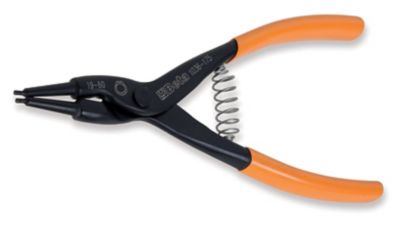
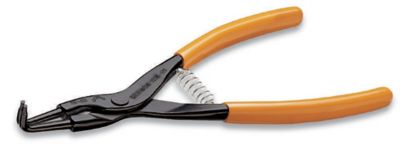
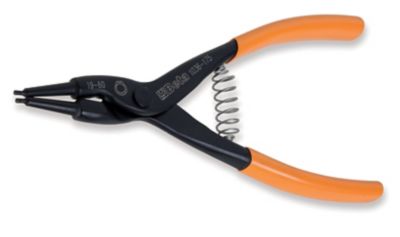
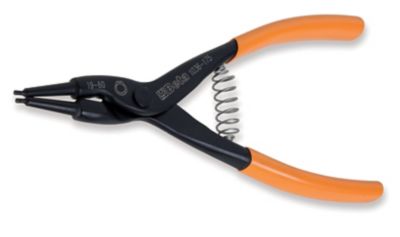
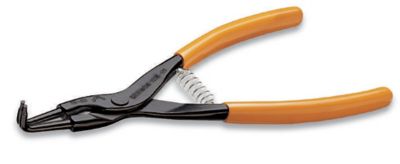
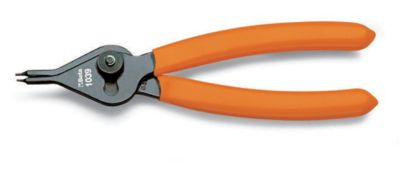
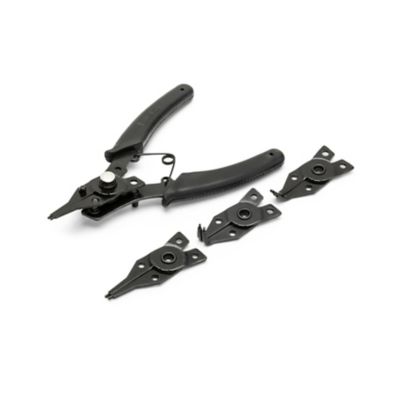
Materials and construction help explain how heavy-duty snap ring pliers feel and perform at the bench. Depending on the design, alloy steel bodies and heat-treated working parts can support strength and resistance to wear, while protective finishes help limit surface corrosion with proper care. The tips deserve just as much attention as the handles because those small contact points carry the force into the ring. Tips that are too large will not enter the eyelets, while tips that are too small may sit loosely and increase the chance of slipping. Tip shape also matters: some designs have features intended to help maintain engagement, but the fit still needs to match the ring and the tool maker’s instructions. Fixed-tip pliers keep the working ends attached as part of the tool, while interchangeable-tip designs offer different sizes or angles in one setup. With interchangeable designs, secure tip attachment and a convenient place to keep spare pieces are worthwhile considerations, especially in a shared shop. Straight tips suit many open, easy-to-reach locations, while angled tips can provide a better approach when surrounding parts crowd the working area. For rings reached from the side or around an obstruction,
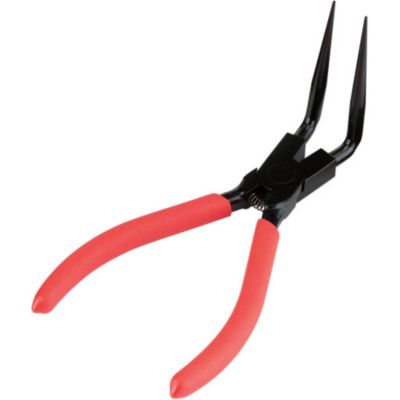
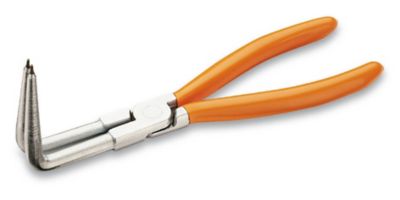
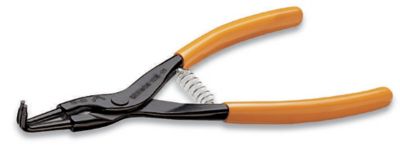
90-degree snap ring pliers offer another working angle to consider alongside straight-tip styles. Reach is a separate factor from angle: a ring deep in a bore may call for longer working ends, but the available space must still allow the handles to move through their required travel. Handle length, grip shape, and pivot action all affect control. Longer handles can provide leverage, yet extra leverage is no substitute for the correct capacity or proper engagement. Cushioned grips may make repeated work easier on the hands, and a smooth pivot can help the operator apply pressure steadily rather than in sudden jumps. Where fitted, a spring-return mechanism or a locking feature can assist operation, though its purpose and limits depend on the particular tool design.
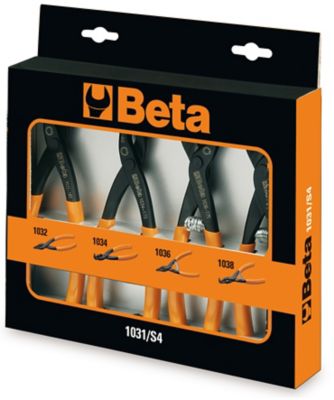
A good match becomes especially clear in everyday repair situations. At a bench with a gearbox housing supported securely, access to an internal ring may be fairly open, leaving tip diameter and ring capacity as the main considerations. On an assembly still mounted to equipment, nearby brackets, shaft ends, and housing walls may make handle clearance the deciding factor. For a mechanic moving between small machinery and larger equipment, several properly sized pairs can be more useful than expecting one large tool to cover every job. Keeping internal and external tools easy to tell apart also saves fumbling when parts are laid out across the bench and the repair needs careful attention. Heavy-duty snap ring pliers can make a practical gift for someone who regularly services machinery, particularly when the giver knows the ring sizes and access challenges that person encounters. A fitted case or organized tray adds value by keeping tips from knocking against other steel tools and helping loose attachments stay together. Long service life also depends on what happens after the ring comes free. A wipe-down removes grease and grit that can hide tip damage or work into the pivot, and lubrication according to the tool maker’s directions helps maintain smooth movement. Dry storage helps protect exposed metal, while periodic inspection can reveal bent tips, loose attachments, worn gripping surfaces, or excessive pivot play before the next repair. Snap rings store spring energy, so eye protection and a clear work area matter even on a job that looks simple. Equipment should be secured against movement, and any stored energy in the assembly needs to be addressed before service. Controlled movement helps keep a ring from being stretched or compressed beyond its intended range; equipment service instructions determine whether it can return to service or needs replacement. With the right fit, sensible care, and room to work, heavy-duty snap ring pliers earn their place beside the pullers, sockets, and other tools that keep machinery repairs moving.