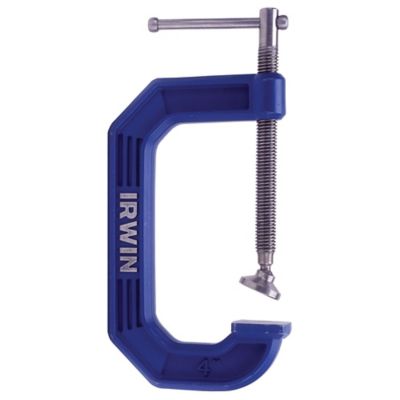
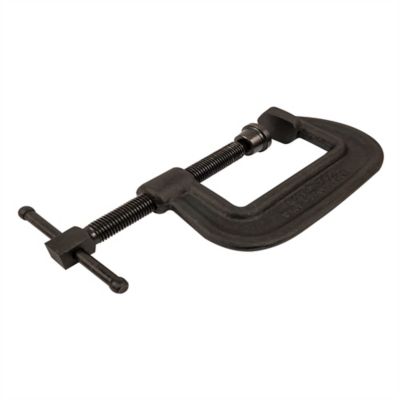
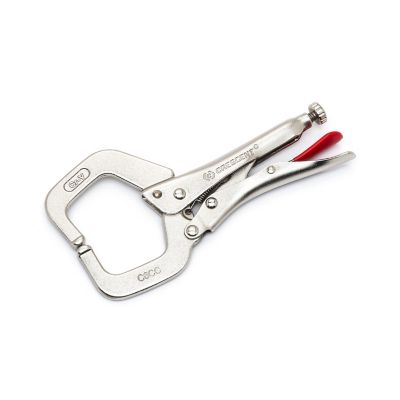
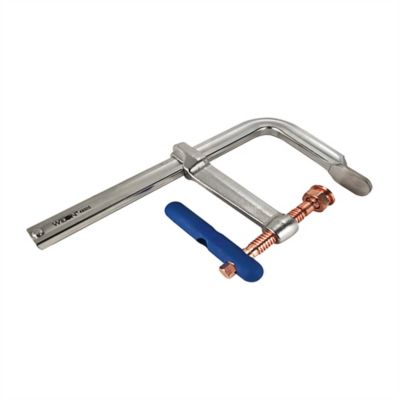
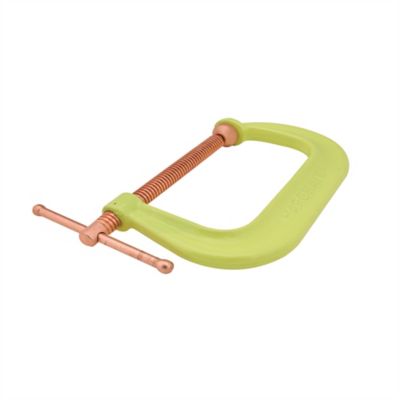
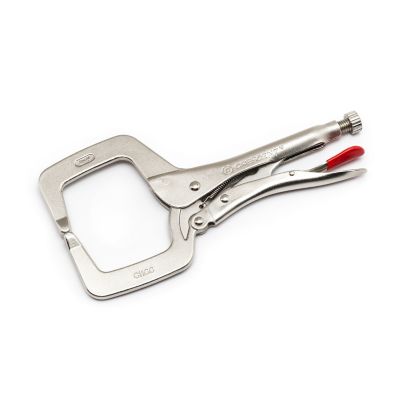
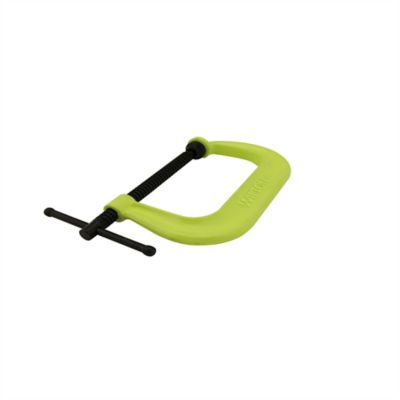
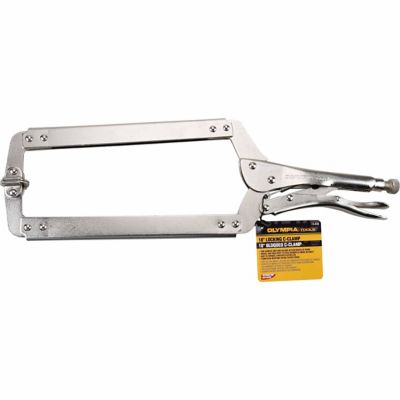
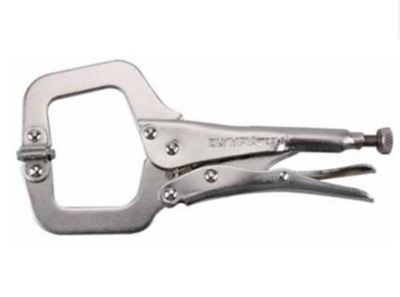
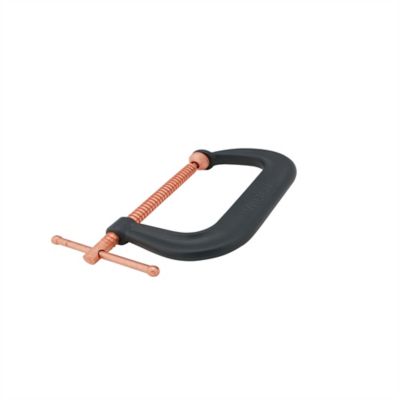
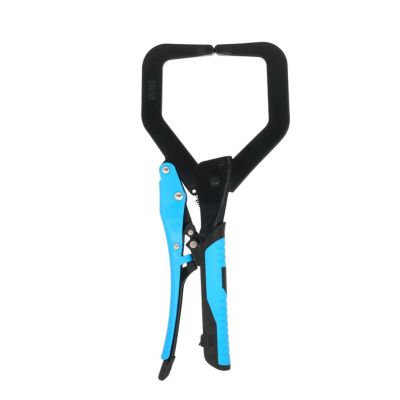
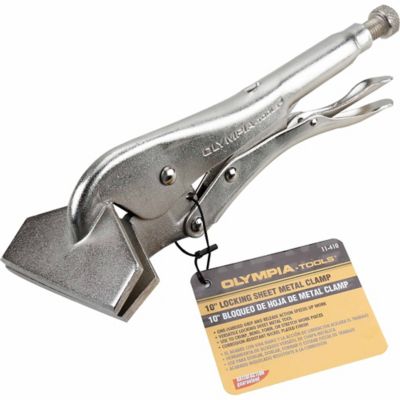
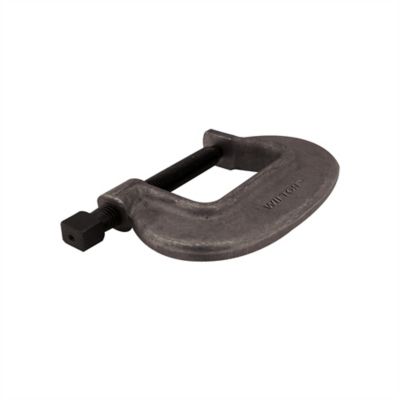
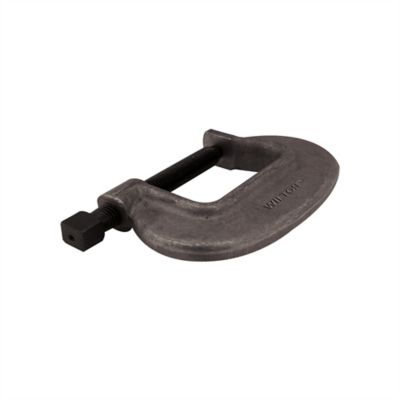
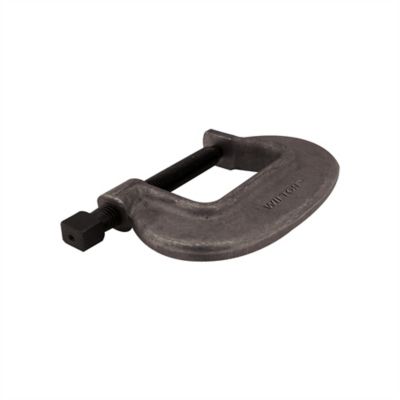
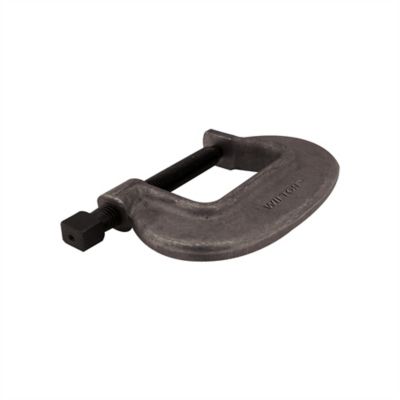
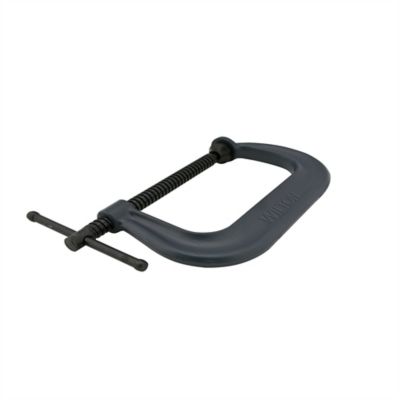
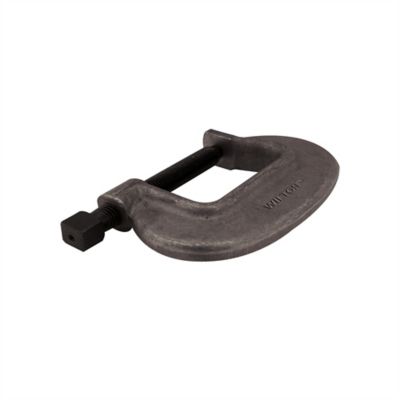
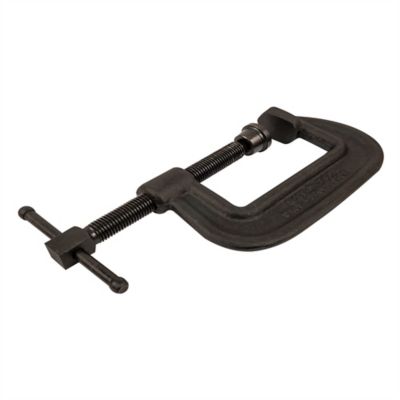
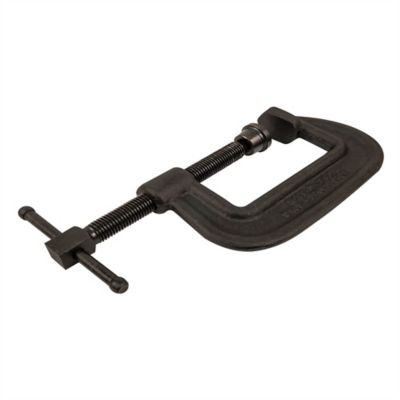
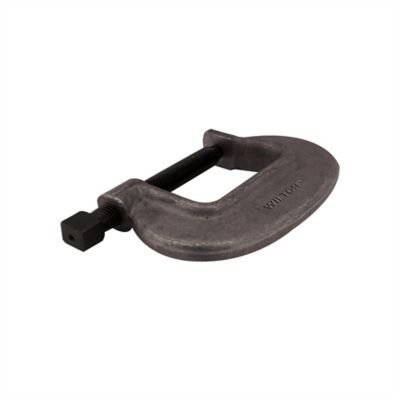
Heavy duty C clamps are made for the kind of work where a regular hand clamp just does not have enough reach, strength, or staying power. With their familiar C-shaped frame and threaded spindle, these clamps hold wood, metal, pipe, and other materials tightly in place while you work. They are commonly used in welding, fabrication, construction, woodworking, equipment repair, and farm maintenance, where a solid hold can make the difference between a clean job and a piece that shifts at the wrong time. A clamp may be used to keep two boards aligned while glue sets, secure steel before welding, hold a bracket during drilling, or steady a repair on a gate, trailer, workbench, or piece of machinery. For demanding jobs, look for a frame made from forged or drop-forged steel. Forged steel is shaped under high pressure, creating a strong, dependable frame that can handle serious pressure and is more likely to bend under extreme abuse instead of suddenly snapping like a lower-quality casting. Cast iron clamps can still be useful for lighter shop and garage projects, but heavy-duty work calls for close attention to the frame material, rated clamping force, and overall build. The right clamp should feel substantial in your hand, with clean machining, sturdy joints, and a spindle that turns smoothly rather than grinding or binding. In a busy farm shop, where tools may collect dust, grease, and bits of dried mud, that dependable construction is especially valuable. A well-built C clamp can spend years riding in a toolbox, rolling around the back of a service truck, or hanging near the welding table, ready for the next repair.
The spindle and pad deserve just as much attention as the frame. Heavy duty C clamps often use rolled Acme threads, which are designed to resist wear and provide smooth, steady tightening under heavy loads. A broad square-head spindle can accept a wrench or other driving tool when hand pressure is not enough, making it useful for fabrication and structural work that calls for high torque. Some clamps use a sliding T-handle for quick adjustment, while others are built around a square head for extra leverage. Choose the style that matches the work area and the amount of force you expect to apply, and avoid using a cheater bar or excessive force beyond the clamp’s intended rating. A swivel pad is helpful when the material is angled, uneven, or slightly out of line because it can settle against the work surface and spread pressure more evenly. Fixed pads may be a good fit for flat, consistent surfaces where repeatable contact matters. Throat depth is another practical measurement: a deeper throat reaches farther into a board or sheet of metal, while a smaller throat can be easier to position in tight spaces. Jaw opening tells you the maximum material thickness the clamp can accommodate, but the clamp should still have enough frame around the work to remain stable. Clamping force may range from a few thousand pounds for general shop work to tens of thousands of pounds for demanding industrial fabrication, structural steel, and heavy equipment projects. More force is not automatically better for every job; too much pressure can crush wood fibers, distort thin metal, or damage a finished surface. Place a wood or leather pad between the clamp and delicate material when needed, and make sure the frame and spindle stay square to the work before tightening. Keep fingers clear of pinch points, wear eye protection during cutting or welding, and inspect threads and pads before putting serious pressure on the clamp.
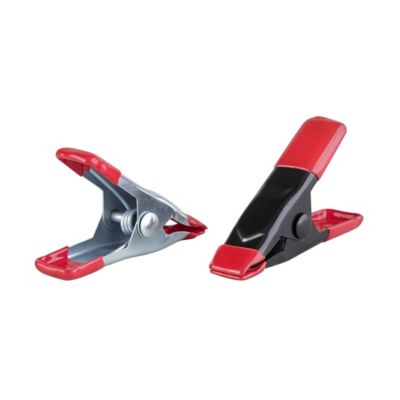
These clamps are a practical addition to a home workshop, farm garage, welding setup, maintenance trailer, or construction toolbox. A landowner may use one while repairing a gate hinge or holding a fence component in position, while a woodworker may rely on several clamps to keep a tabletop, cabinet, or heavy beam from creeping during assembly. Fabricators use them to hold parts for tack welding and fitting, and mechanics may reach for a C clamp when a bracket, shield, or support needs to stay put during service. They can also be a thoughtful gift for someone who enjoys building things, restoring old equipment, working on trucks, or tackling hands-on projects during the cooler months. A new apprentice setting up a shop, a neighbor with a growing collection of welding tools, or a family member taking on a barn improvement project can put a dependable clamp to work almost immediately. For jobs that call for quick, temporary holding rather than the high pressure of a threaded clamp, browse
Heavy Duty Spring Clamps as another option for keeping lighter materials together. When choosing heavy duty C clamps, think about the materials being held, the available workspace, the required throat depth and jaw opening, and whether the job needs hand tightening or wrench-assisted torque. It is often useful to keep more than one size on hand: a smaller clamp for brackets and narrow stock, a medium size for general repairs, and a larger, deep-throat clamp for beams, plates, and wide assemblies. Store them where they will stay dry, wipe away moisture and welding debris after use, and add a light coat of suitable lubricant to exposed threads when needed. Kept clean and treated with a little care, a strong C clamp becomes one of those plain, hardworking tools that earns its place by showing up whenever a repair needs an extra set of hands.