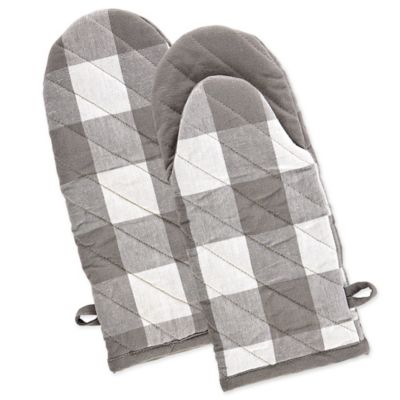
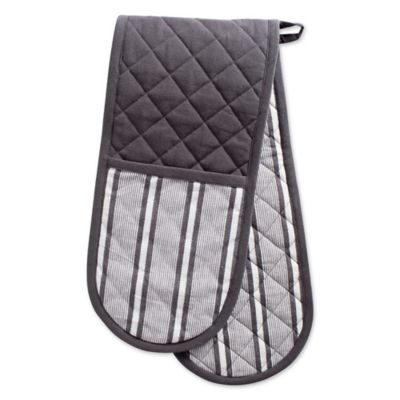
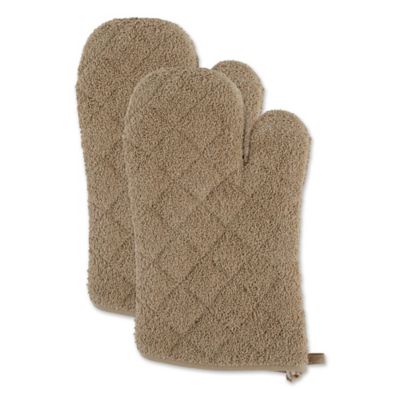
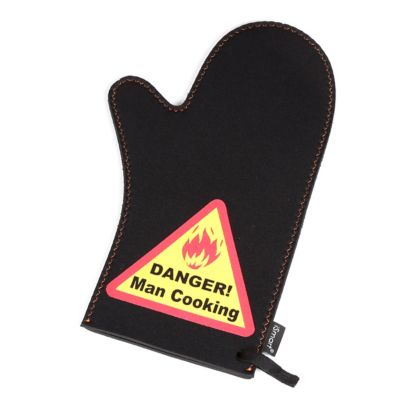
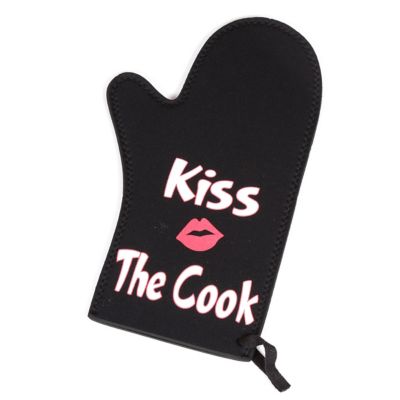
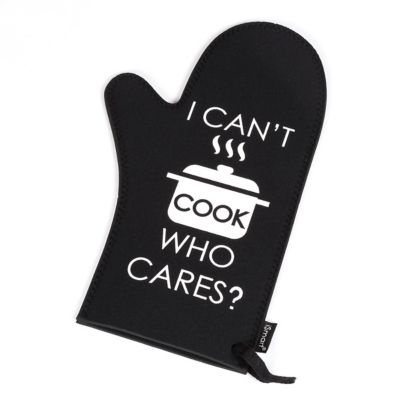
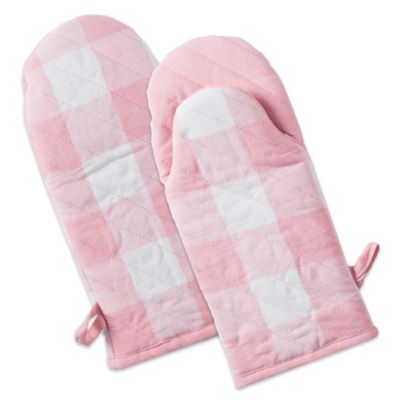
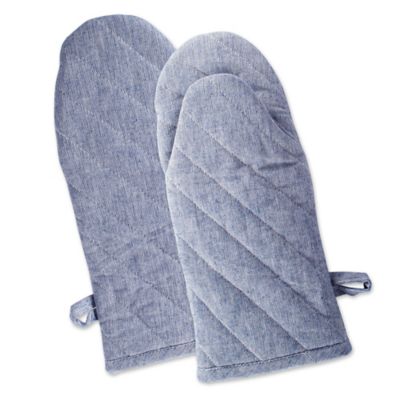
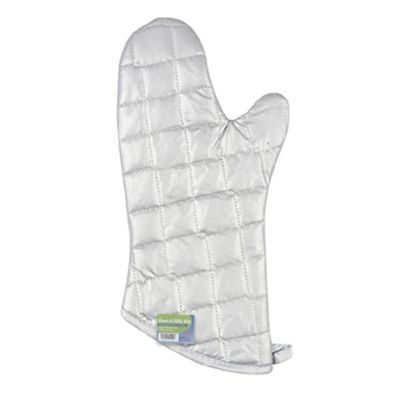
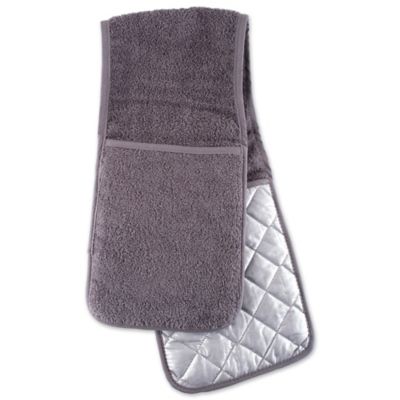
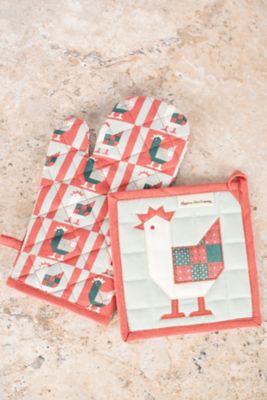
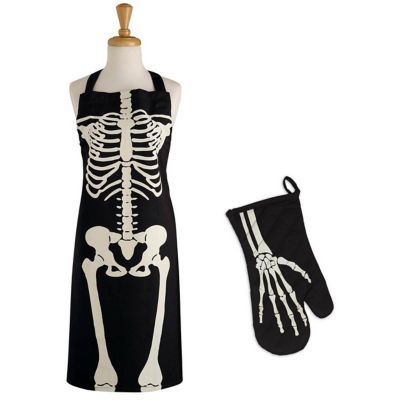
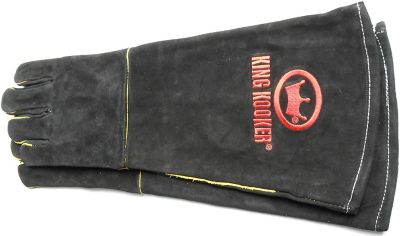
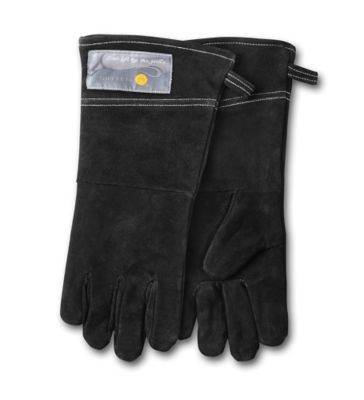
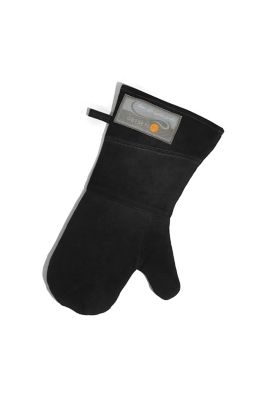
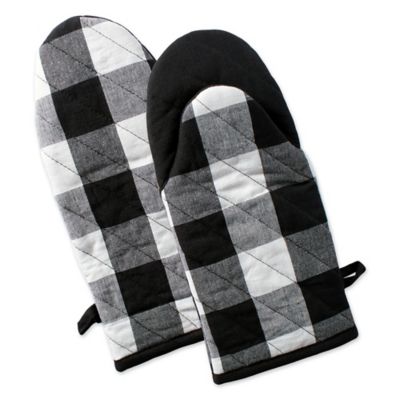
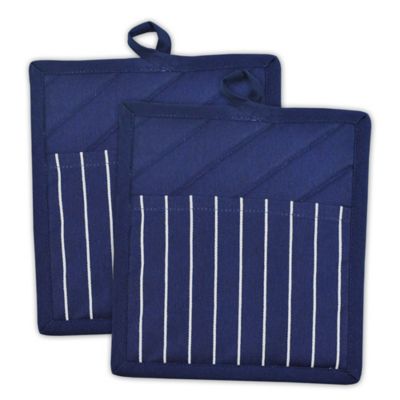
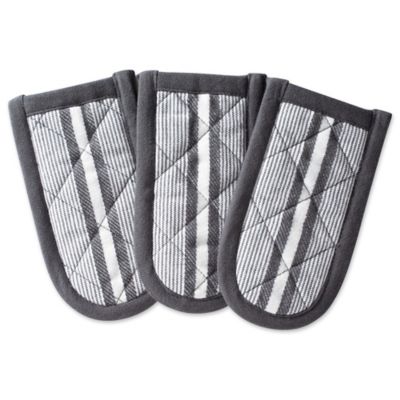
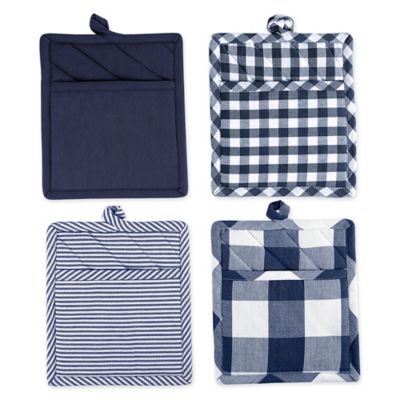
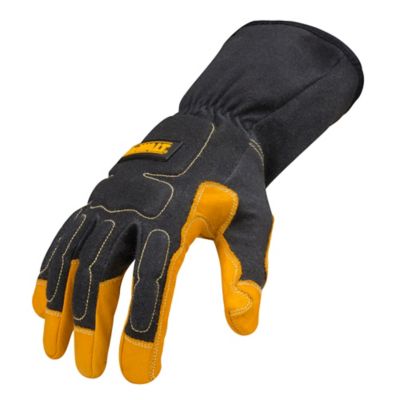
Heat-resistant oven mitts help protect hands and wrists from hot cookware, oven racks, and baking pans by placing an insulating barrier between skin and heated surfaces. From lifting a skillet of cornbread to carrying a roasting pan to the counter, the right mitts bring coverage and a steady grip to everyday cooking. Their protection depends on the materials, construction, condition, and heat rating—not simply how thick they look. Cotton twill and quilted fabric mitts offer a familiar, flexible feel, with insulating layers that help slow heat transfer during brief handling tasks. Silicone exteriors provide a less absorbent gripping surface, often with ribs or raised patterns that help hold smooth pan handles. Some designs pair a silicone palm with a fabric cuff and a soft lining, bringing together grip, flexibility, and wrist coverage. Aramid fibers and other heat-resistant textiles also appear in mitt construction, though the fiber name alone does not establish how much heat a finished mitt can handle. The manufacturer’s stated temperature limit and contact-time guidance are what matter for that design. A heat rating is not a promise of unlimited holding time, and a mitt intended for hot cookware is not automatically suitable for direct flame, glowing coals, or prolonged contact with a heating element. Protection from dry heat also does not necessarily mean protection from steam or boiling liquid. These distinctions matter when a heavy casserole needs a few extra seconds to settle onto a trivet or a covered pot releases steam as its lid comes off. A comfortable mitt should let the cook complete the lift and set the pan down without rushing, while still following its handling limits. For a kitchen that sees bread baking, sheet-pan suppers, and cast-iron cooking, material choice is about matching that barrier to the tasks at hand. Flexible fabric, textured silicone, and layered construction each offer different benefits, making the details of the whole mitt more useful than any single material claim.
Fit makes a real difference in how heat-resistant oven mitts feel around a loaded pan. A roomy interior needs enough space for the hand without leaving so much loose fabric that the palm bunches around a handle. A mitt that is too snug can limit thumb movement and make it harder to wrap the hand around a roasting-pan grip. Lining thickness, thumb placement, and the shape of the palm all affect that movement, especially when switching between a narrow saucepan handle and the broad rim of a baking dish. Longer cuffs extend coverage beyond the wrist, which can be helpful when reaching past an oven door or lifting a pan from a deeper rack. Shorter cuffs can feel less restrictive for quick countertop transfers, but they leave more of the forearm exposed. Neither length replaces attention to the rack, door, and other hot surfaces nearby. Mitt-style shapes keep the fingers together, while glove-style designs allow separate finger movement; the better match depends on hand comfort and the cookware involved. For two-handed lifts, a pair that fits both hands comfortably helps keep the load level. Grip texture matters here, too: a raised surface should work with the handle’s shape rather than make a small grip feel crowded. Thick padding may provide insulation, but too much stiffness can make it difficult to feel whether a pan is firmly in hand. Construction details deserve a close look for the same reason. Reinforced seams, secure cuff edges, and a lining that stays in place support repeated handling and make mitts easier to pull on and off. A hanging loop offers a simple storage option near the cooking area, away from burners and other heat sources. In a household where several people pitch in at supper, different hand sizes may call for different fits rather than one oversized pair for everyone. Comfort, coverage, and control work together, whether the job is moving a small loaf pan or setting a full Dutch oven onto a heat-safe surface.
Care needs are another practical part of choosing oven mitts for a working kitchen. Fabric mitts may call for machine washing, spot cleaning, or another cleaning method, while silicone surfaces often allow a quick wipe after splashes and spills. The full construction determines the care routine, so a wipe-clean exterior does not mean the lining can be soaked or put through the dishwasher. Thorough drying is especially important with absorbent materials, since moisture can speed heat transfer and contribute to steam burns. Even a silicone shell does not make every seam, cuff, or opening watertight. Clean gripping surfaces also matter when cooking oil, flour, or sauce gets onto the palm and changes how securely it holds cookware. Over time, flattened insulation, split seams, holes, scorching, or a loose lining can signal that a mitt needs replacement. Keeping a pair within easy reach makes more sense than grabbing a dish towel in a hurry, particularly when a pan needs both hands and a clear landing spot. Oven mitts fit naturally into farmhouse kitchens, apartment kitchens, and shared cooking spaces alike, with everyday uses ranging from pulling biscuits out of the oven to moving a hot baking sheet onto a cooling rack. For outdoor cooking,
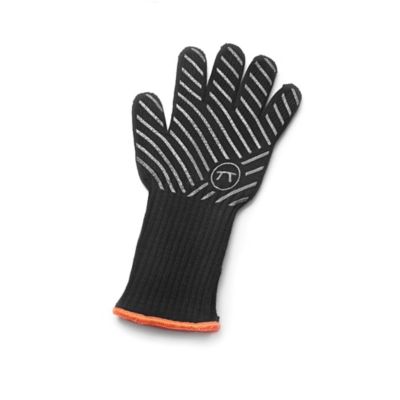
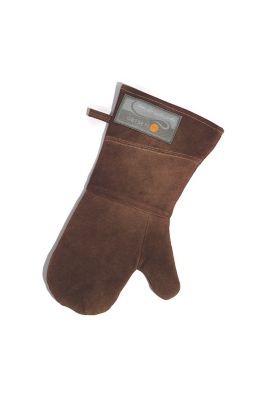
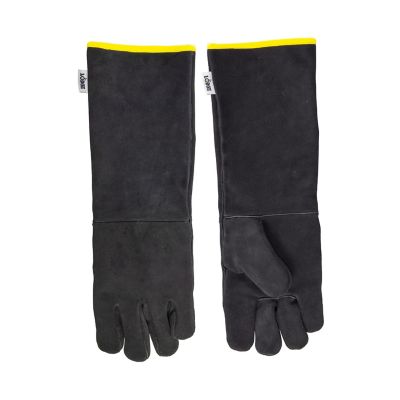
Oven Mitts for Grilling brings the focus to handling hot cookware around the grill; protection still needs to match the task and the manufacturer’s limits. Longer coverage and a secure grip can be helpful near a grill grate, but no oven mitt should be treated as permission to reach into flames. These kitchen essentials also make practical housewarming gifts for someone setting up a first home, a bread baker who regularly handles heavy pans, or a cook who enjoys feeding a full table after chores. The most useful choice is one that suits that person’s hands, cookware, and cleaning habits, with clear care directions and heat limits that support everyday handling.