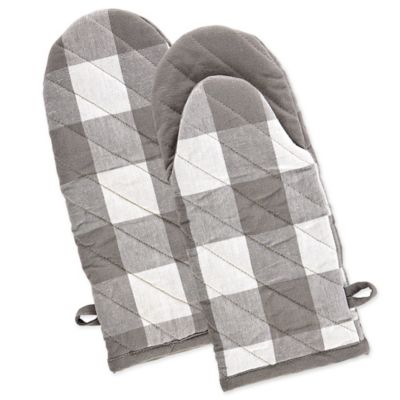
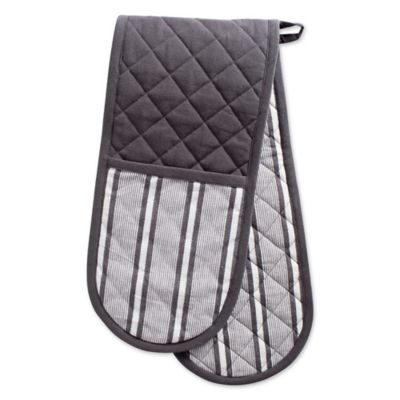
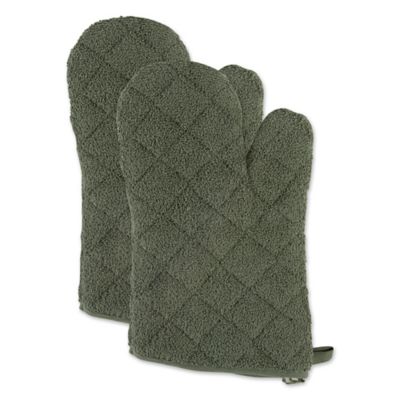
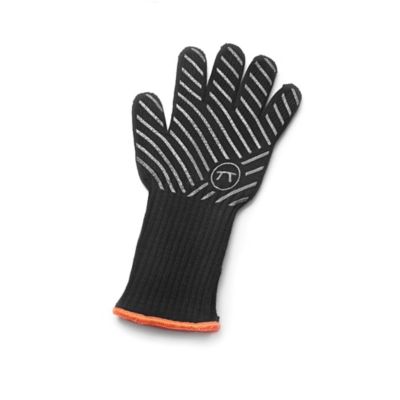
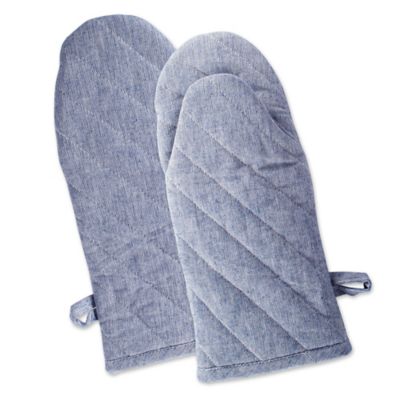
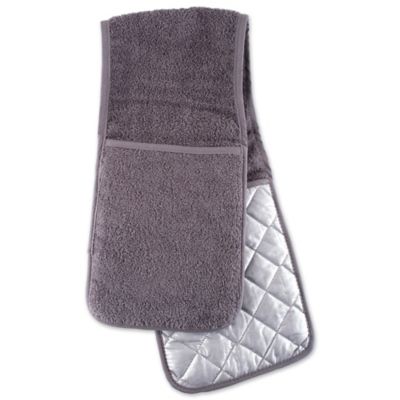
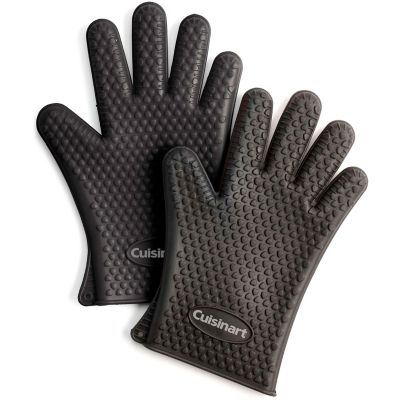
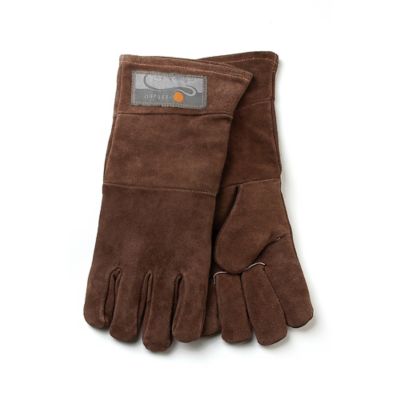
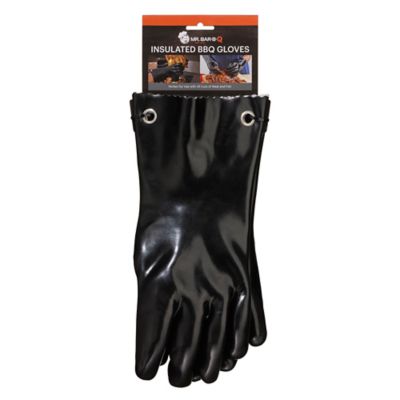
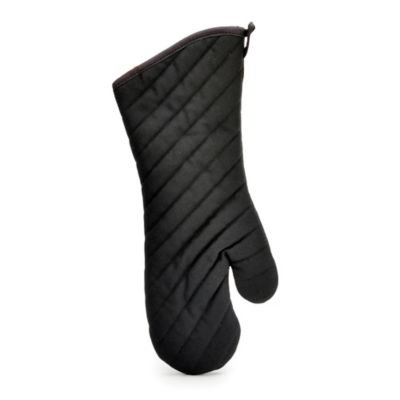
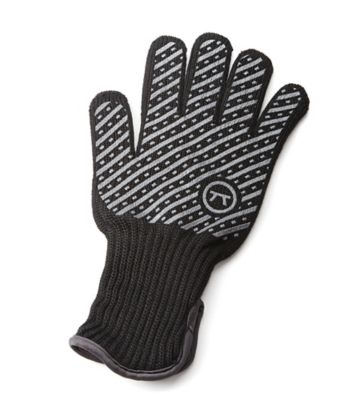
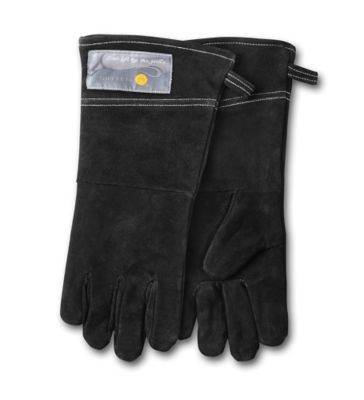
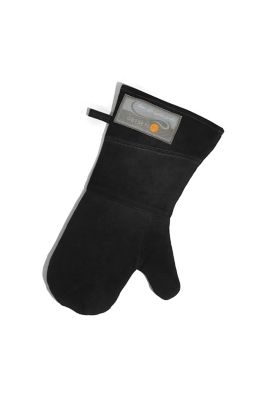
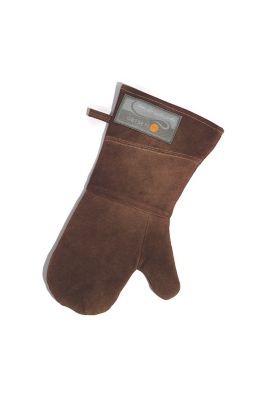
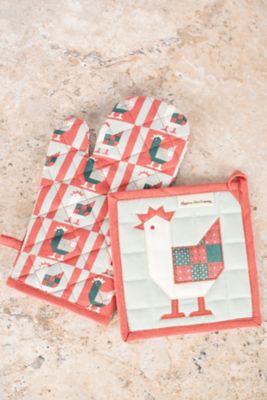
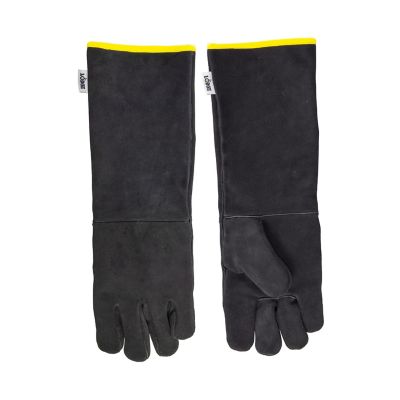
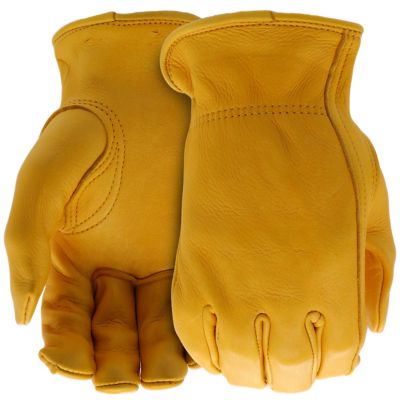
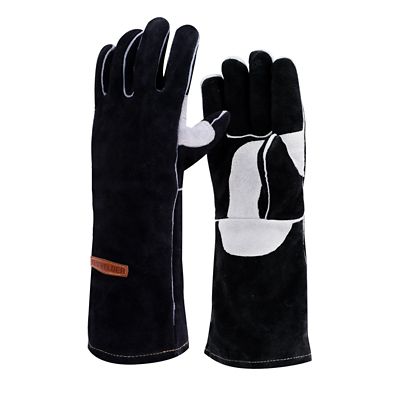
Oven mitts for grilling put a layer of heat-resistant material between your hands and the hot cookware that comes with cooking over a grill or smoker. The right choice depends on the material, the manufacturer’s heat rating and contact-time limits, the amount of hand coverage, and the grip needed for the job. A thick kitchen mitt is not automatically suited to grill work, and a high heat rating does not mean a mitt can handle direct flame or unlimited contact with hot metal. For lifting a cast-iron skillet off a grate, steadying a roasting pan, or carrying a covered pot to the table, insulation and a secure hold matter just as much as flexibility. Silicone, insulated fabric, leather, and heat-resistant fiber blends each bring different strengths to outdoor cooking. Silicone outer surfaces can offer a textured grip and an easy-to-clean surface, while a fabric lining can add comfort against the hand. Cotton mitts vary in insulation and intended use, so their stated limits matter more than thickness alone. Leather can provide a substantial outer layer for tasks near the grill, though its protection depends on the full construction and the maker’s instructions. Aramid fibers appear in some heat-resistant designs, but the fiber name alone does not establish how much heat a finished mitt can handle. Linings, seams, and outer layers all contribute to performance. Heat resistance also differs from protection against steam, hot grease, or boiling liquid; a mitt rated for dry contact may not provide a barrier against those hazards. For a cook moving between a smoker, a side burner, and an outdoor prep table, the right match is a mitt intended for the actual cookware and handling conditions. No mitt makes it safe to reach into flames or grab burning fuel. Long-handled tools remain the better choice for tending coals and moving food over the grate.
The fit of
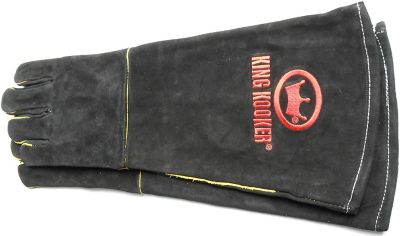
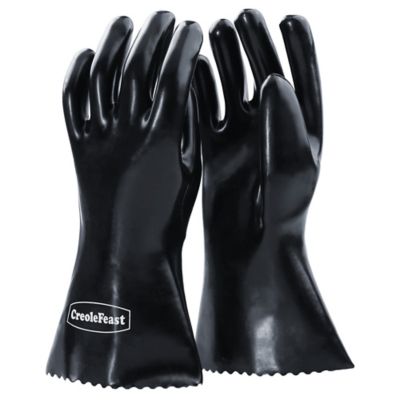
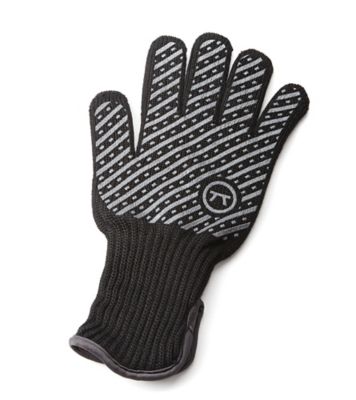
heat resistant oven mitts affects how securely you can hold a pan and how easily you can release it once it reaches a safe resting spot. A roomy interior can feel comfortable, but too much extra material at the fingertips can make a narrow lid handle harder to grasp. A tight mitt can limit movement or keep the hand from settling fully into place. Thumb placement, palm width, and lining thickness all deserve attention, especially when several people share cooking duties. A fit that works for one person may feel awkward on another. Longer cuffs add coverage around the wrist and forearm, which can be helpful when reaching toward cookware positioned farther back on a cooking surface. That extra length should still allow a clear view of the work and stay clear of flames and burners. Traditional mitt shapes keep the fingers together, while separate-finger grilling gloves offer another approach when finer movement matters. Neither shape replaces checking the protection rating for the task. For mitts, a flexible thumb and a palm that bends around a handle can make a real difference when supper involves a heavy pan of beans or a skillet full of cornbread. Raised silicone patterns and other textured surfaces may help with grip, but grease, moisture, and an awkward handle can still make cookware slip. A mitt should never be the reason to carry more weight than you can comfortably control. Two-handed cookware calls for protection on both hands, along with a clear landing spot that can take the heat. Hanging loops can help keep mitts within reach between tasks, provided they hang away from active heat sources. For backyard cooks who juggle a lid, a pan, and a crowded prep space, those straightforward details can matter more than a bold color or an oversized shape.
Care and construction help determine how grilling oven mitts hold up through repeated cooking sessions. Secure seams, an evenly distributed lining, and reinforcement around high-contact areas are worth considering because the thumb, palm, and fingertips do much of the work. Loose stitching, compressed insulation, cracks, scorch marks, or worn patches can signal that a mitt needs to be taken out of service. A mitt that looks sound on the outside can still have a shifted or damaged lining, so the inside deserves attention, too. Cleaning requirements vary by material: some fabric designs allow machine washing, some silicone surfaces wipe clean, and leather often needs a different care routine. The care label should settle the details, including water temperature, detergent, and drying method. A washable outer surface does not necessarily mean the entire mitt can go through a washer or dishwasher. Mitts should be clean and completely dry before handling hot cookware, since moisture can transfer heat quickly and increase the risk of burns. Letting grease and food residue build up can also affect grip and make the mitt harder to inspect. Storage matters between meals; a dry spot away from direct heat helps keep the pair ready for the next cookout without exposing it to unnecessary wear. For anyone who cooks on a grill regularly, easy care and a comfortable fit can make these mitts a practical part of the cooking setup rather than something left in a drawer. They can also make a thoughtful gift for the family’s go-to grill cook, someone settling into a place with room for an outdoor cooker, or a friend who enjoys tending a smoker. The most useful match reflects how that person cooks: the cookware they lift, the reach they need, and the care routine they will follow. From a quick supper on the back porch to a full meal for a table of neighbors, grilling mitts belong alongside the tools that help keep hot cookware under control.