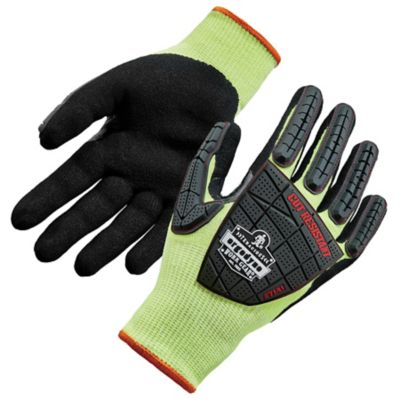
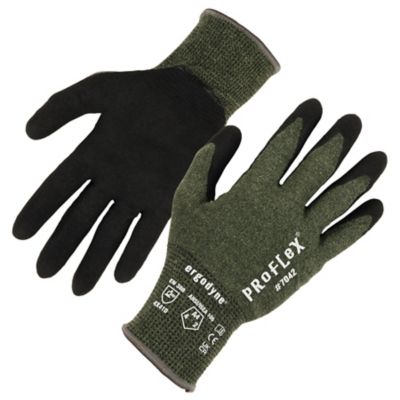
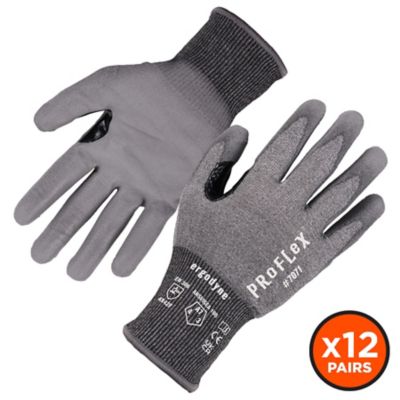
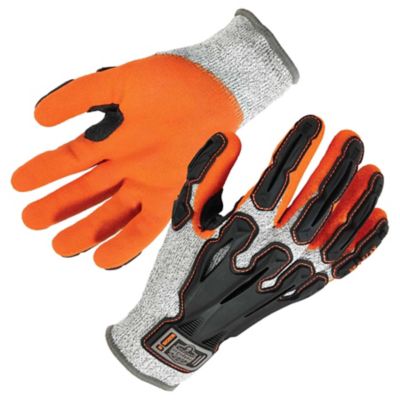
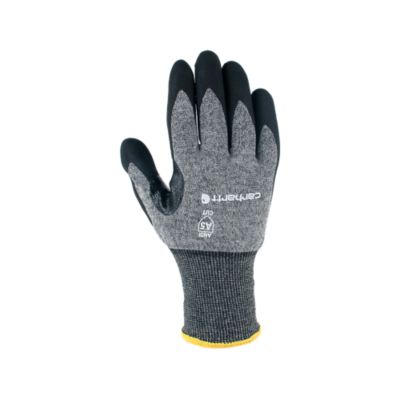
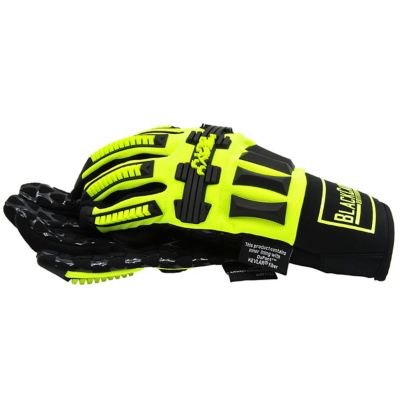
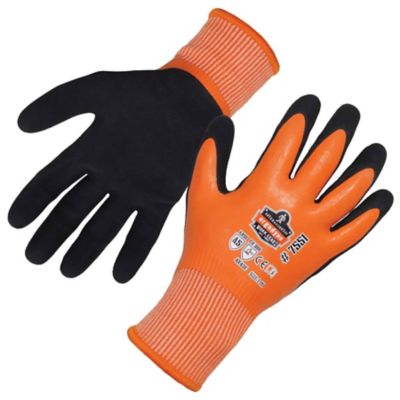
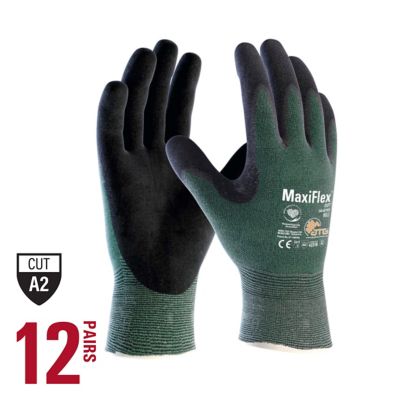
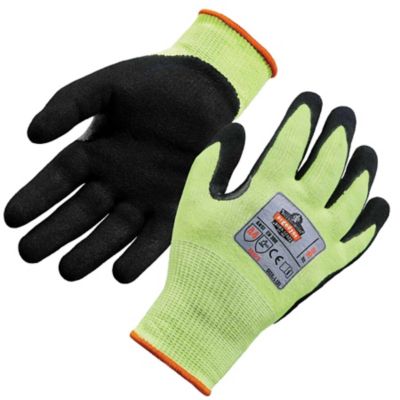
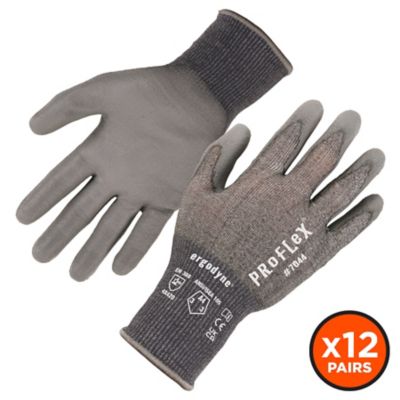
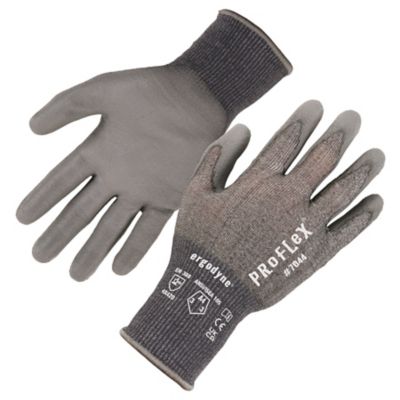
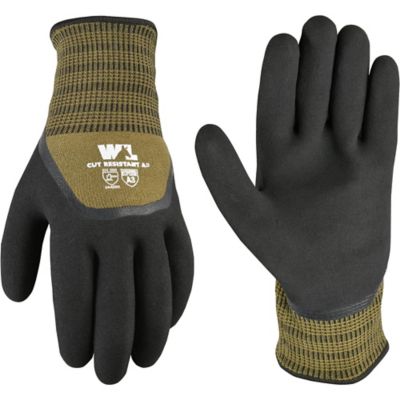
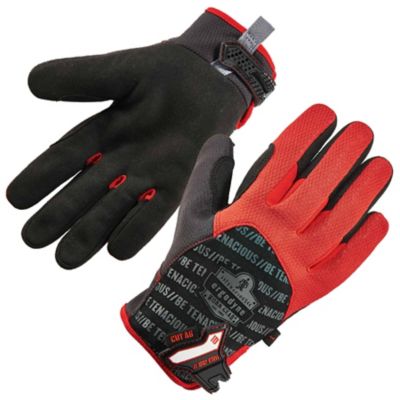
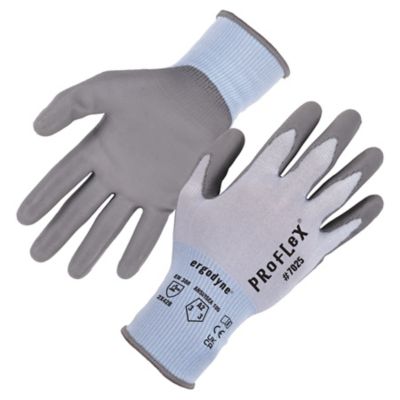
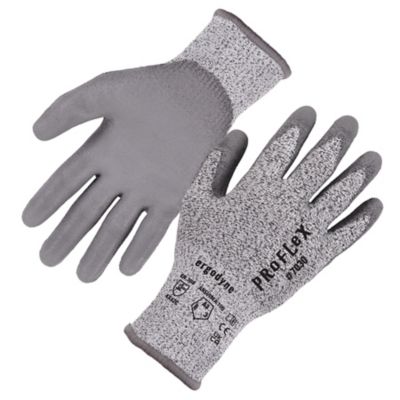
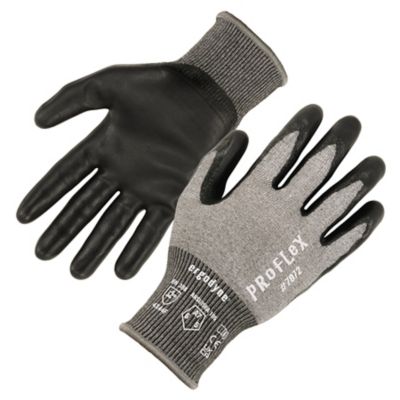
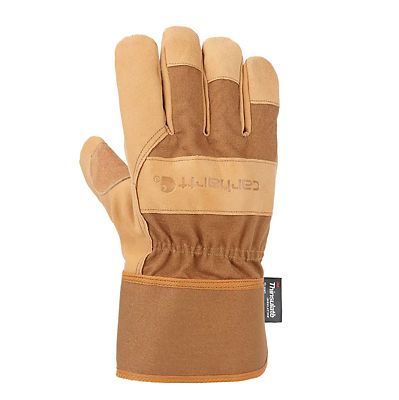
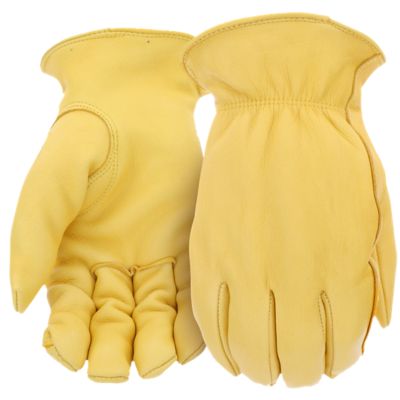
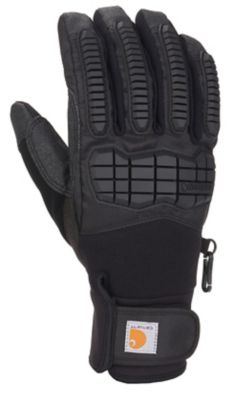
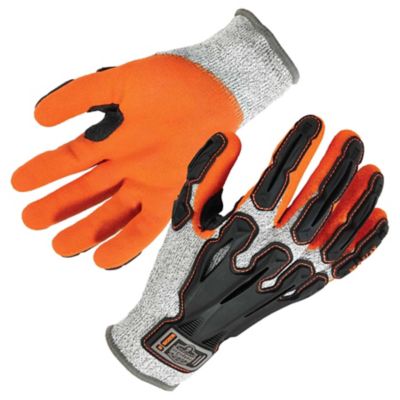
Level 4 cut resistant gloves, also known as ANSI/ISEA 105 Cut Level A4 gloves, are made for jobs where ordinary work gloves may not provide enough protection from sharp edges. Under the ANSI cut resistance scale, A4 gloves withstand a cutting load of 1,500 to 2,199 grams in standardized testing. That rating makes them a practical choice for many demanding tasks around the farm, shop, garage, jobsite, warehouse, or construction project. They can help protect hands while handling sheet metal, fencing wire, roofing materials, glass, lumber with rough edges, utility blades, auto parts, and other materials that may slice or nick unprotected skin. They are also useful for repeated handling jobs where sharp corners and burrs are part of the work, such as sorting hardware, assembling equipment, moving building supplies, or cutting back brush with hand tools. A level rating is only one part of choosing the right glove, though. Check the product information for puncture, abrasion, tear, heat, chemical, and impact ratings when those hazards are part of the job. Cut resistant material can help reduce the chance of an injury, but it is not cut-proof, and these gloves should not be used as a substitute for safe handling practices or proper tool guards. Keep hands clear of blades, use the right tool for the material, inspect gloves for worn spots or holes, and replace them when the fibers or coating begin to break down. For tasks involving hot surfaces, sparks, open flame, or high temperatures, look for purpose-built
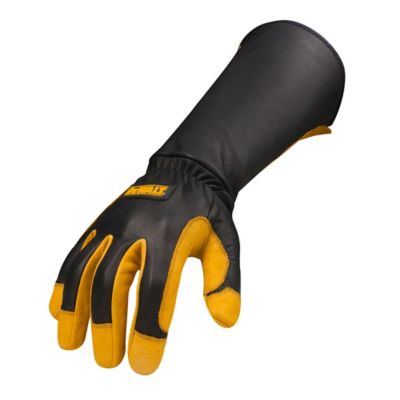
Heat Resistant Gloves rather than relying on a cut rating alone.
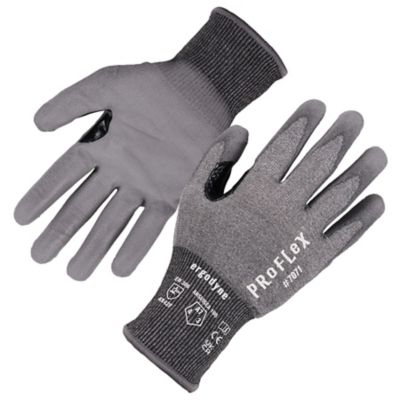
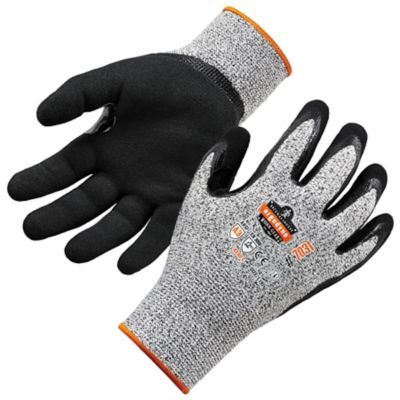
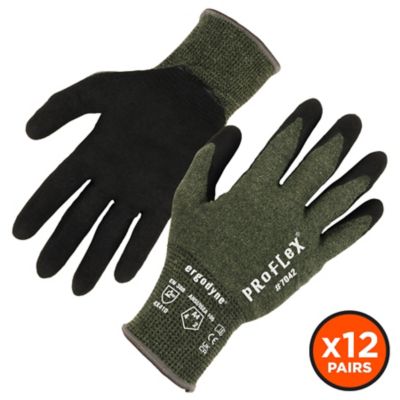
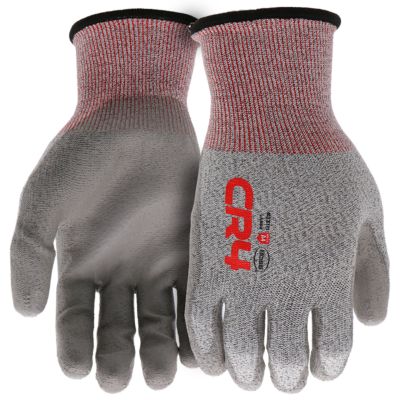
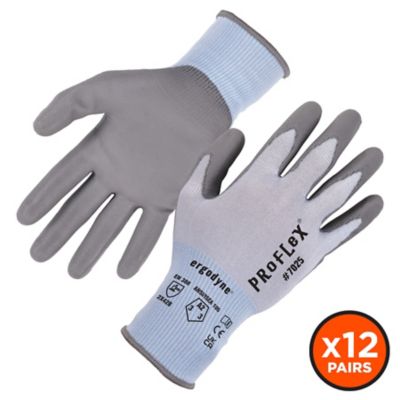
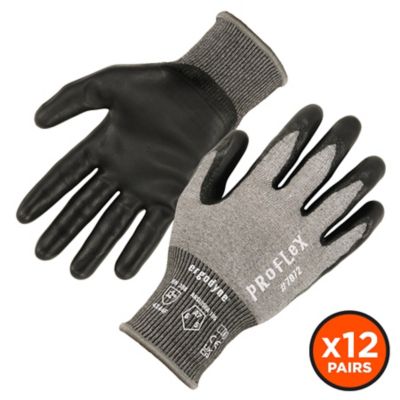
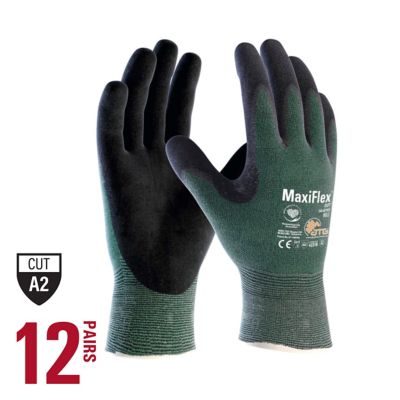
When comparing level 4 cut resistant gloves, think about the way the gloves will feel and perform during a full day of work. A nitrile coating often offers a steady grip on oily, smooth, or slightly wet materials and may provide added resistance to punctures and abrasion. Polyurethane coatings are commonly chosen when a lighter feel and precise fingertip control matter, making them useful for sorting small parts, fastening hardware, handling tools, or completing detail work. Uncoated or lightly coated designs may offer more breathability for warm work areas, while coated palms and fingers can help keep a better hold on slick materials. Glove gauge is another useful detail: a lower gauge, such as 13-gauge, often balances durability, flexibility, and airflow, while a higher gauge, such as 18-gauge, is generally thinner and can offer more dexterity for fine handling. Look for reinforced thumb areas, extended cuffs, textured palms, and touchscreen-compatible fingertips if those features match the job. Touchscreen fingertips can be handy when checking a parts list, answering a call, or using a farm management app without taking off your gloves, although screen response can vary with the device and the glove design. Fit matters just as much as the materials. Measure around the widest part of the hand, compare that measurement with the sizing chart, and choose a snug fit that keeps fingertips from bunching without restricting movement. Gloves that are too loose may catch on equipment, while gloves that are too tight can cause fatigue during long stretches of work. A breathable pair can be appreciated while repairing a gate under the late-summer sun, and a flexible pair can make cooler-weather chores easier when hands stiffen up around fencing, firewood, equipment maintenance, or barn repairs. Level 4 gloves can also make a practical gift for a homeowner, mechanic, ranch hand, gardener, contractor, or do-it-yourselfer who spends time working with sharp materials. They are easy to keep in a truck tool box, tack room, workshop drawer, or shed so hand protection is close by when an unexpected repair turns into an afternoon project. Choose based on the work, the surrounding hazards, the coating and fit, and the amount of dexterity needed, then follow the care instructions so the gloves continue to perform as intended.