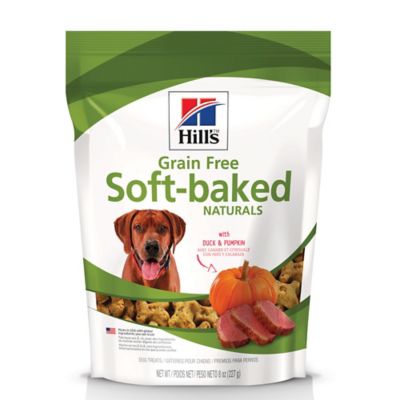
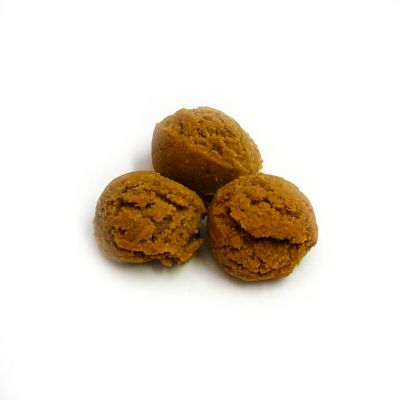
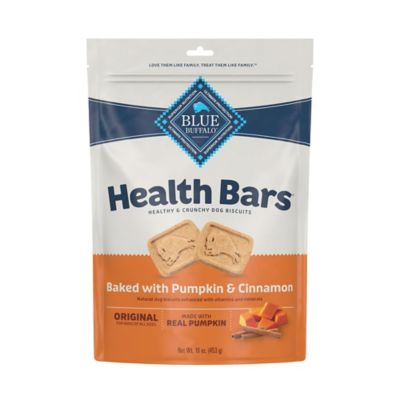
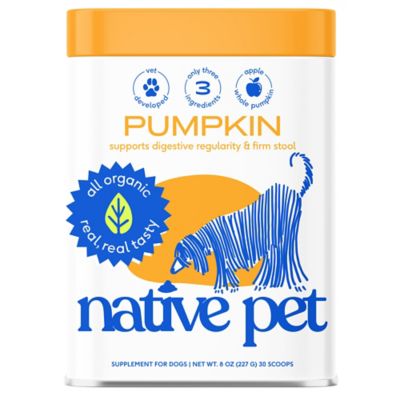
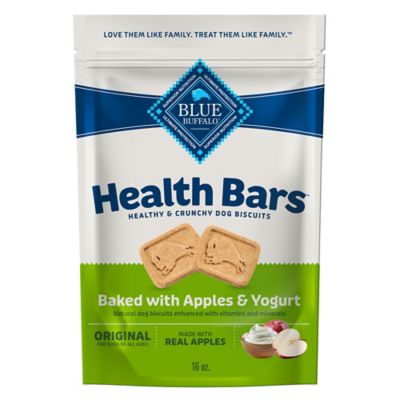
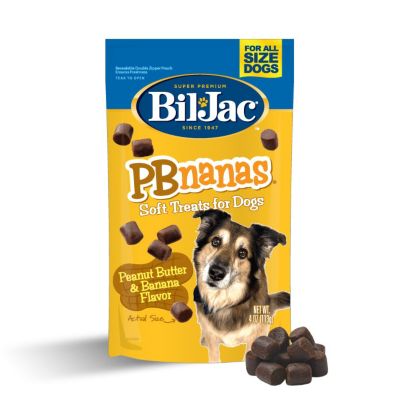
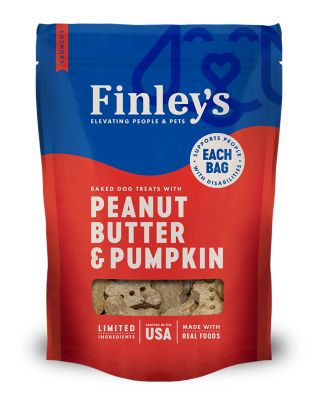
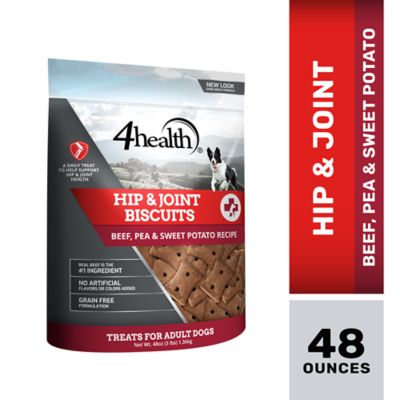
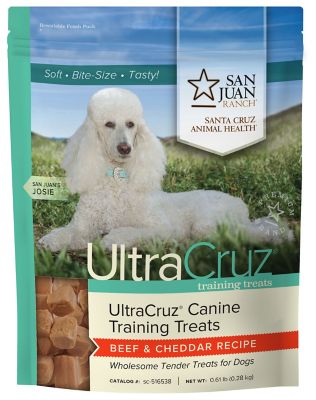
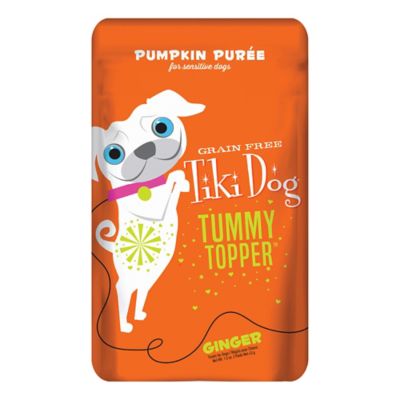
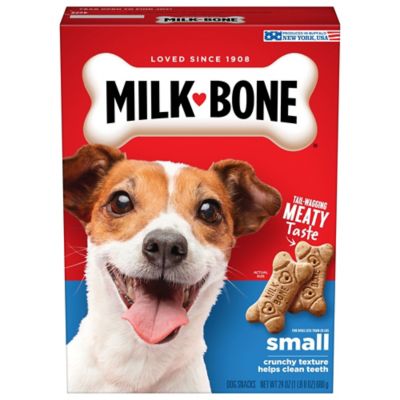
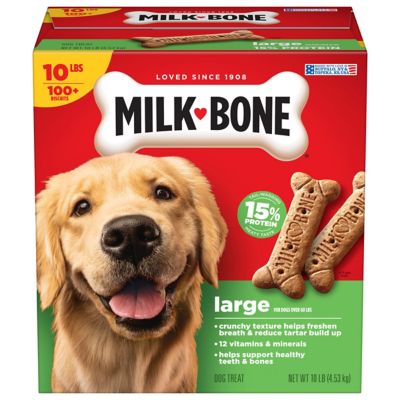
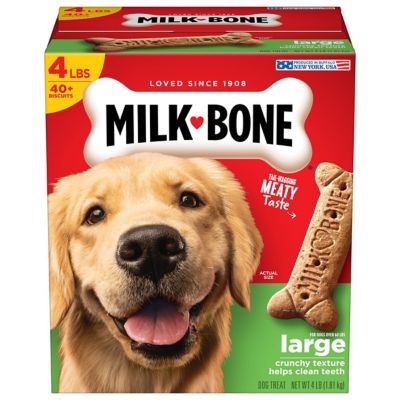
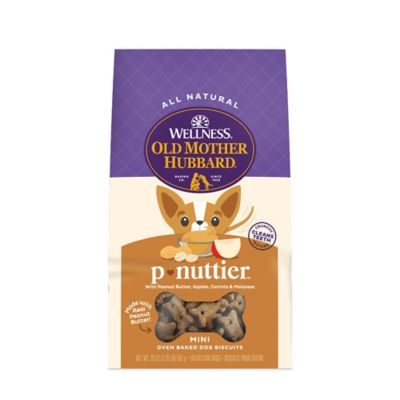
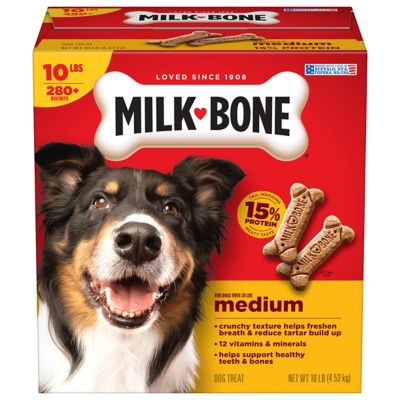
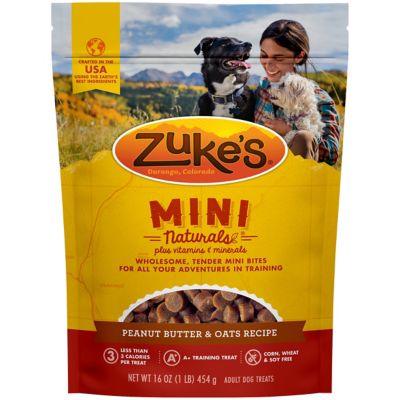
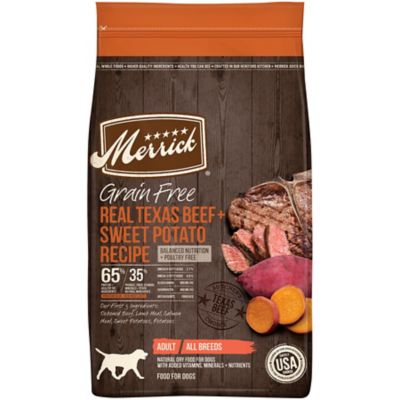
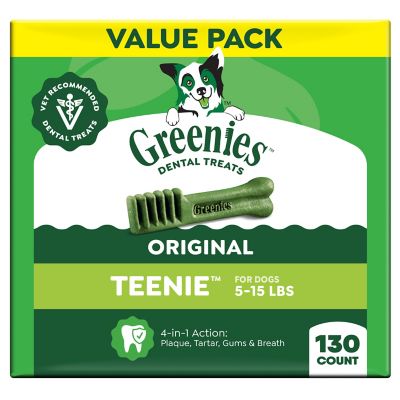
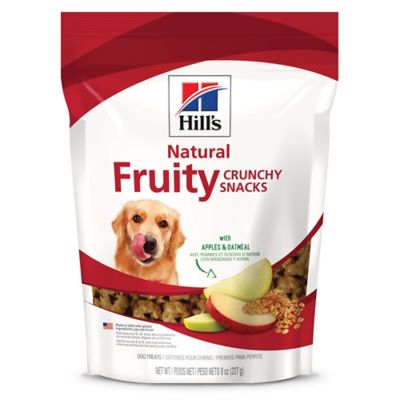
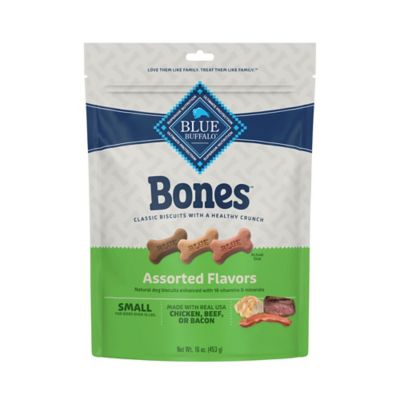
Pumpkin dog treats are a handy way to add a little seasonal flavor to your dog’s routine, whether you’re stocking the pantry for training, filling a treat jar by the back door, or putting together a thoughtful gift for a friend with a four-legged companion. Many dogs enjoy the mild, naturally sweet taste of pumpkin, and pumpkin brings fiber along with nutrients such as vitamins A, C and E. Fiber may help support normal digestion, though a treat is not a cure for stomach trouble or a substitute for veterinary care. Ready-made pumpkin biscuits, soft chews and crunchy snacks come in a range of shapes, sizes and textures, making it easier to find an option that suits a small lap dog, a big working breed or an older dog that prefers a tender bite. During the cooler months, a pumpkin-flavored reward can fit right in with longer walks, barn chores and cozy evenings on the porch. It also makes a cheerful addition to a pet gift basket alongside a new toy, collar or food-storage container. When choosing treats, start with your dog’s size, age and chewing habits. Small treats work well for frequent training, while larger biscuits may be better suited to an occasional reward. Dogs that gulp food may do better with easily broken pieces or treats that can be divided into several bites. For dogs with food sensitivities, check the ingredient panel closely and look for recipes made without ingredients your veterinarian has advised you to avoid. Simple ingredient lists can make it easier to keep track of what your dog eats, especially when introducing a new snack.
A good pumpkin dog treat should be made with dog-safe ingredients and offered in moderation. Look for real pumpkin or pumpkin puree listed among the ingredients, along with a recipe that fits your dog’s regular diet. Pure pumpkin is different from pumpkin pie filling, which may contain added sugar, sweeteners and spices that are not appropriate for dogs. Never give a dog anything containing xylitol, also called birch sugar, because even a small amount can be dangerously toxic. Keep an eye out for excess salt, rich fats and heavily sweetened coatings, too. Treats count toward a dog’s daily calories, so they should generally make up no more than about 10% of the day’s intake, with the rest coming from a complete and balanced food. A stocky farm dog that spends all day moving may burn more energy than a quiet senior dog napping beside the woodstove, but both can gain weight when treats are handed out by every family member. Breaking larger snacks into smaller pieces is an easy way to make a bag last longer and reward good behavior without overdoing it. Fresh water should always be available, and new treats are best introduced gradually while watching for loose stool, vomiting, itching or other signs of intolerance. Dogs with diabetes, pancreatitis, ongoing digestive problems or prescription diets may need special guidance, so check with a veterinarian before adding pumpkin treats to the menu. Treats can also be used with purpose: tuck one into a puzzle toy, offer a small piece after nail trimming, or use a few crumbs during obedience practice. In a busy household, keeping the treat container sealed and using one consistent scoop or measuring cup helps everyone offer roughly the same amount.
For pet parents who enjoy keeping a few flavors on hand, pumpkin treats pair naturally with other wholesome, dog-friendly options, including
Sweet Potato Dog Treats. Rotating treats can keep training interesting, but there is no need to change foods constantly if your dog is doing well on a dependable choice. Texture is worth considering, too. Crunchy treats may help satisfy a dog that likes to chew, while softer options can be easier for puppies, seniors or dogs with missing teeth; however, no treat replaces regular dental care, brushing or professional cleanings. Store packaged treats according to the label, keeping them in a cool, dry place away from curious noses and damp barn air. If you prepare homemade pumpkin snacks, use plain 100% pumpkin puree, not pie filling, and avoid ingredients such as chocolate, raisins, grapes, macadamia nuts, onions, garlic and xylitol. Plain oats, eggs and unsweetened ingredients may be used in some dog-safe recipes, but homemade treats still need sensible portions and proper storage. Refrigerate moist treats and discard anything that develops an unusual smell, mold or a change in texture. A frozen mixture of plain pumpkin and unsweetened yogurt may be appealing on a warm afternoon, provided every ingredient is safe for dogs and free of xylitol, while baked pumpkin-and-oat biscuits can be a convenient option for a treat pouch on the trail. Whether you’re rewarding a dog for waiting patiently at the gate, welcoming a new puppy to the family or sharing a small snack after a brisk walk, pumpkin dog treats offer a simple way to make everyday routines feel special. Choose by ingredients, size, texture and your dog’s individual needs, then serve with a light hand and plenty of affection.