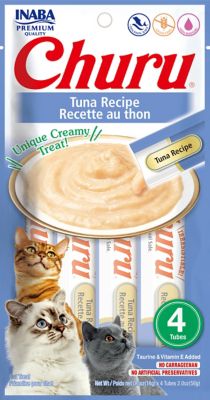
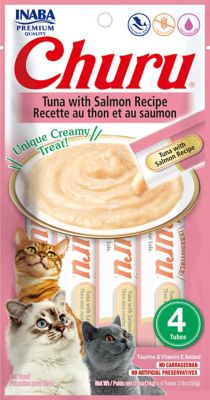
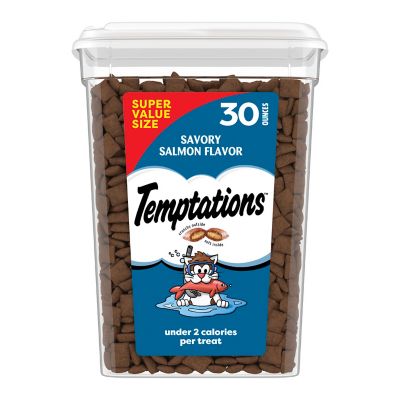
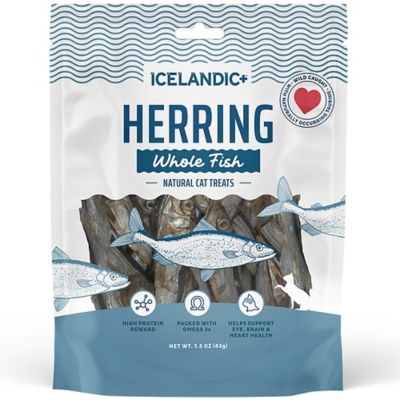
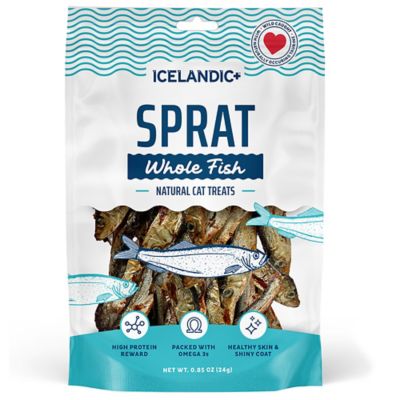
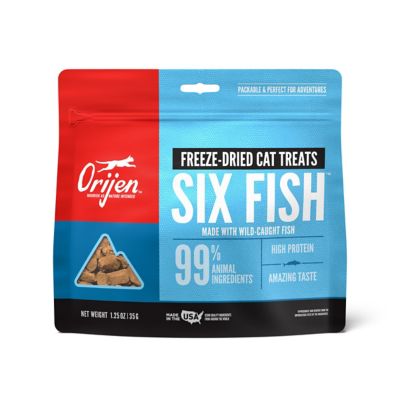
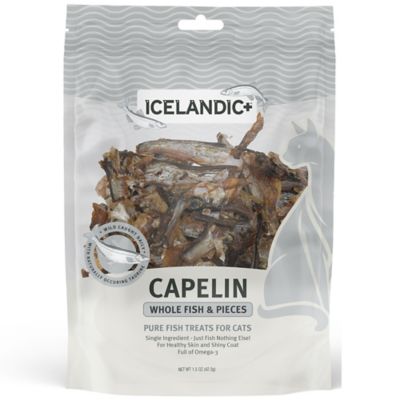
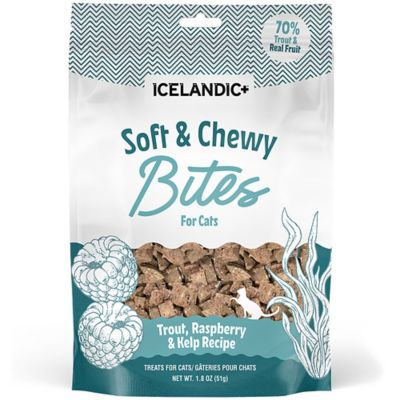
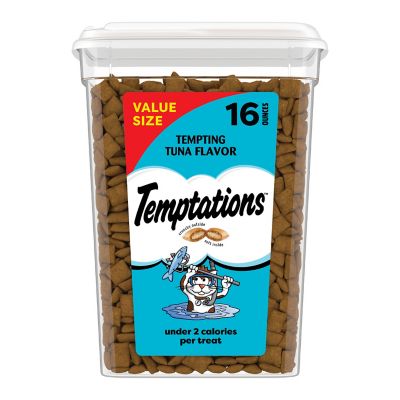
Fish cat treats give feline companions a flavorful change of pace, especially for cats that come running when they hear a can open or a treat pouch crinkle. Fish-based recipes are often rich in animal protein and may provide nutrients such as omega-3 fatty acids, taurine and other essential amino acids that support a cat’s normal vision, heart function, skin and coat. A savory fish aroma can also make these treats useful for everyday bonding, reward-based training or encouraging a shy cat to come closer. Options may include crunchy bites, soft pieces, freeze-dried morsels, jerky-style textures and lickable formulas, so the right choice often comes down to your cat’s age, chewing habits and personal preferences. Some cats enjoy a crisp treat they can bat around the kitchen floor before eating, while others prefer a tender bite that is easier on sensitive teeth. Kittens, senior cats and cats with dental concerns may need different textures, and any cat with a known food sensitivity or a health condition should have treats selected with guidance from a veterinarian. Fish treats can be a thoughtful gift for a friend, neighbor or family member who spoils a beloved indoor cat, particularly when paired with other simple cat-care essentials. They also fit nicely into a care package for someone welcoming a new cat, settling a recently adopted shelter cat or caring for a companion during the cooler months when more time is spent indoors. For more ideas that support a balanced treat routine, browse
Healthy Cat Treats.
When comparing fish cat treats, start with the ingredient list rather than the picture on the package. Look for a clearly identified fish ingredient and a recipe that suits your cat’s regular food, since treats are meant to add a little enjoyment and should not replace a complete and balanced diet. Salmon, tuna, herring and other fish may appear in different recipes, and each cat can react differently to a new ingredient. A short, easy-to-follow ingredient list may be helpful for pet parents who are watching for sensitivities, while calorie information is especially useful for cats that are less active, carrying extra weight or receiving several rewards throughout the day. It is easy to lose count when a cat is perched beside the back door, the laundry room or the feed-and-supply shelf, asking for “just one more,” so breaking treats into smaller pieces can help stretch a serving without turning snack time into a full meal. Follow the package feeding directions, keep fresh water available and adjust regular food as needed to account for treat calories. Fish treats with a strong scent can be handy for calling a cat away from a barn corner, rewarding calm behavior around guests or making a carrier feel less intimidating. Store them as directed, seal the package after each use and pay attention to expiration dates, especially with moist or soft treats. Refrigeration may be needed for some opened products, while dry treats generally do best in a cool, dry place away from direct sunlight. If a new treat causes vomiting, diarrhea, itching or a change in appetite, stop serving it and contact a veterinarian.
Fish should be served to cats in a prepared treat made for feline nutrition, not as raw fish from the kitchen, bait bucket or pond. Raw fish can carry harmful bacteria and may contribute to nutrient problems, including thiamine deficiency, which can lead to serious neurological issues. Homemade fish snacks can also be difficult to balance safely, and ingredients that are harmless to people may not be suitable for cats. Avoid seasoned table scraps, bones, sauces, onions, garlic and heavily salted foods, and take care with treats that are unusually high in fat or packed with unnecessary artificial ingredients. Even a cat that acts like it has never been fed may do best with fish treats offered in moderation as part of an overall feeding plan. A few small pieces can turn a routine brushing session into a cooperative one, help reinforce a gentle paw during play, or give an older cat a pleasant bit of attention while sunlight settles across the porch. During warmer weather, keep treats out of hot vehicles and humid areas; as the air turns cooler, check that opened packages are still fresh before tucking them into a coat pocket or barn bag for outdoor chores. Whether you are stocking the pantry for a fish-loving tabby, rewarding a newly adopted companion or picking up a small gift for another cat household, choose a treat that matches the animal’s needs, serve it thoughtfully and let the flavor stay a special part of the day.