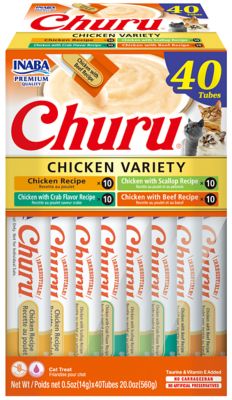
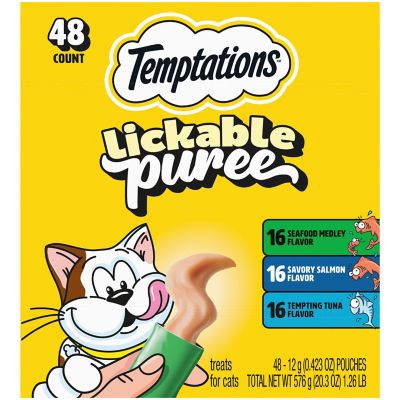
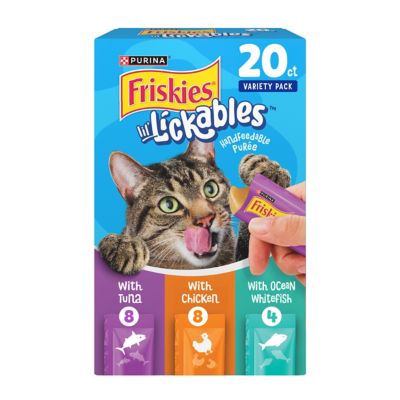
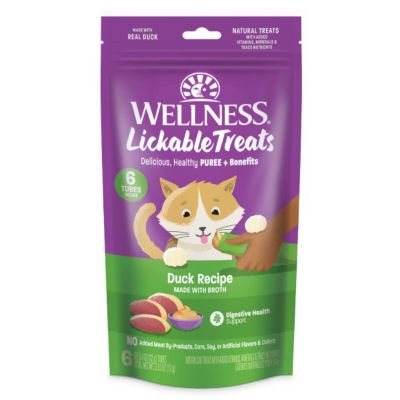
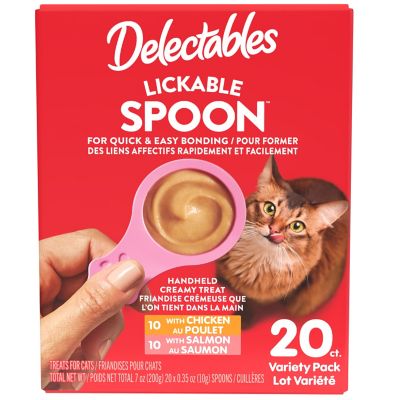
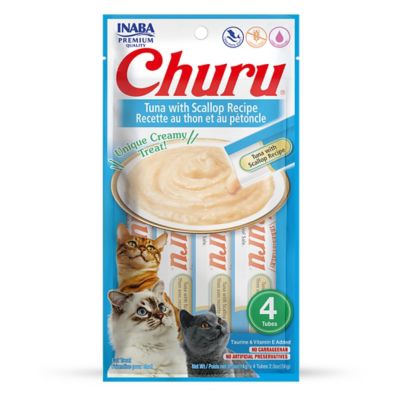
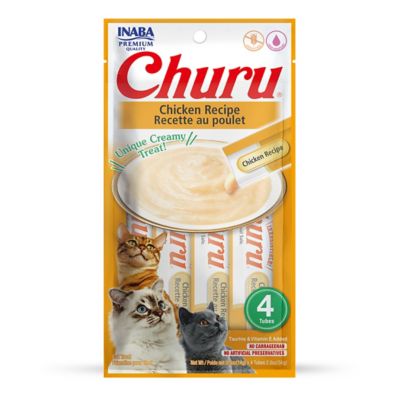
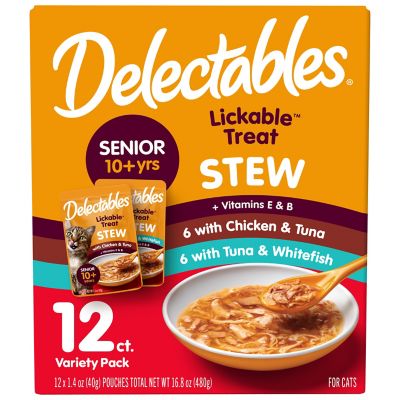
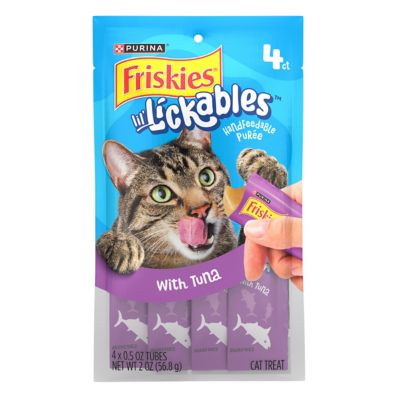
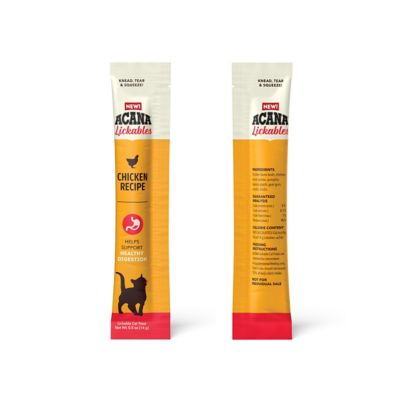
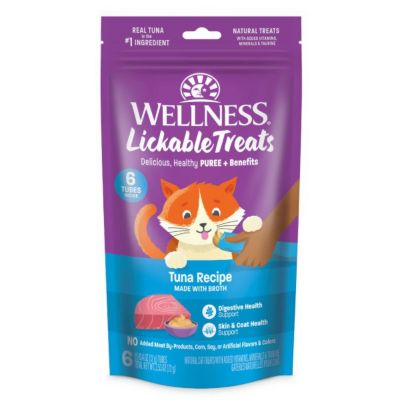
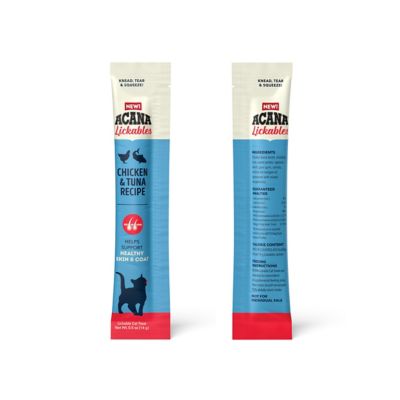
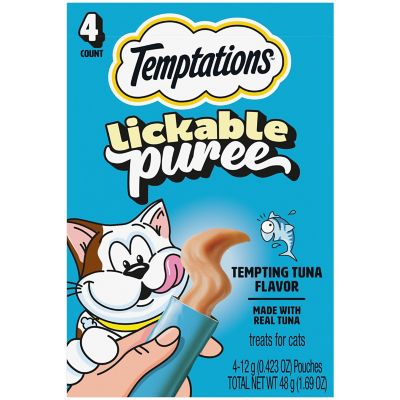
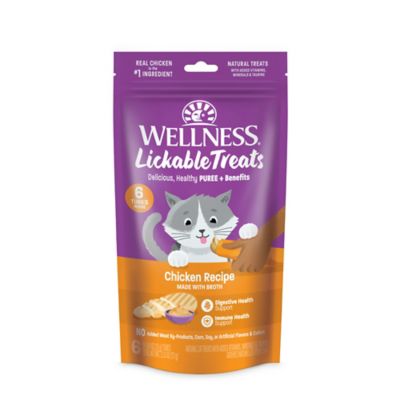
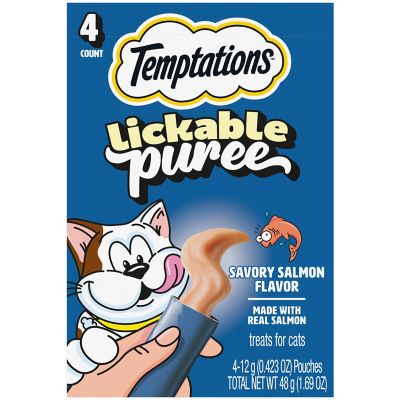
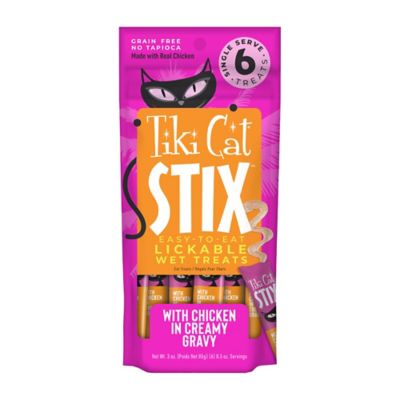
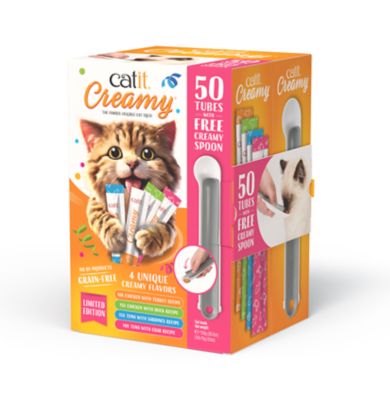
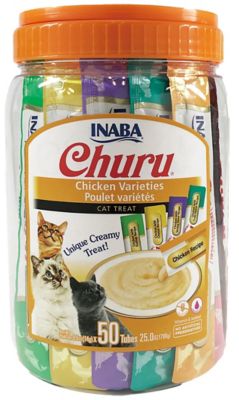
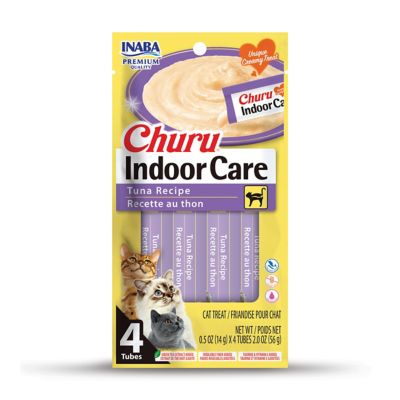
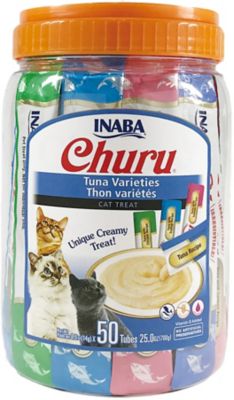
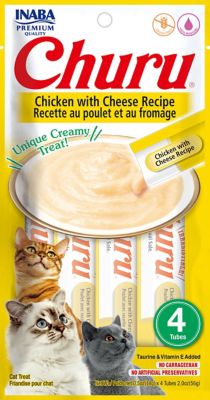
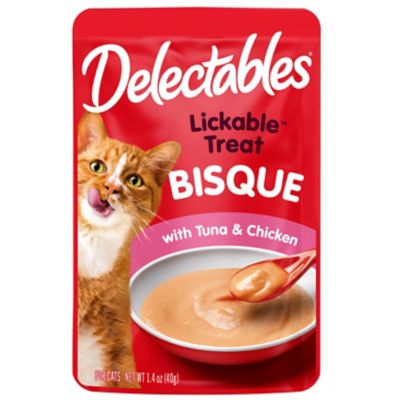
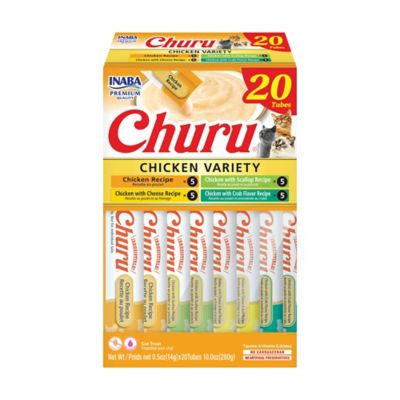
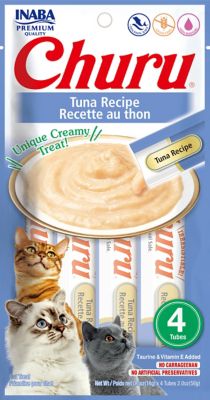
Lickable cat treats are soft, moist snacks with a smooth purée or creamy texture that cats can lick rather than crunch. Common formats include squeeze tubes, pouches, and small cups, with textures ranging from a light, gravy-like consistency to a thicker blend that stays on a spoon. They can be offered straight from the package when the directions allow, served in a shallow dish, or added in a small amount over regular cat food. Chicken, tuna, salmon, and other meat or fish flavors give cats plenty of tastes to explore, though each recipe has its own ingredients and feeding directions. Their high moisture content can contribute a little extra fluid to a cat’s day, but these snacks do not replace fresh drinking water or a complete and balanced diet. For a cat waiting by the kitchen door after chores, a small serving can turn an ordinary homecoming into a welcome bit of attention. The soft texture also gives cats that prefer licking over chewing another way to enjoy a reward. Age suitability still matters: a treat labeled for adult cats may not be intended for kittens, and a softer snack does not solve an underlying dental problem. Ingredient lists help show which animal proteins a recipe contains, along with any broths, starches, gums, or other ingredients that give it its consistency. A fish-flavored treat may contain chicken as well, so the flavor name alone does not tell the whole story for a cat with a food sensitivity. Claims such as grain-free, limited-ingredient, or no added preservatives apply only when the package says so; they are not features of every lickable treat. Calories and serving sizes vary, too, making the label a better starting point than the size of the tube. The best match is a flavor and texture your cat enjoys, in a serving that fits comfortably into the rest of the day’s food.
Part of the appeal of squeeze-up cat treats is the chance to share a quiet moment without much fuss. Some cats will step closer for a little purée offered at their own pace, while others prefer the same snack in a familiar dish with room to eat undisturbed. For a shy cat settling into a home, that choice can matter more than an elaborate feeding setup. A lickable reward may also fit into short, positive introductions to a carrier, a brush, or gentle handling, provided the cat stays comfortable and is free to step away. Treats should not become a reason to push through signs of fear or discomfort. When feeding from a tube, keep the torn edge away from the mouth and keep hold of the package so the cat cannot chew off or swallow a piece. A spoon or shallow bowl offers another serving option for an eager eater that tries to bite the wrapper. Pet feeding mats designed for soft food can add a little variety, with close supervision and a thorough wash afterward. Small portions make sense for these activities because repeated rewards can add up quickly. A common veterinary guideline is to keep treats at no more than 10 percent of a cat’s daily calories, with the rest coming from complete and balanced food; an individual cat may need a stricter limit. Cats following a prescribed diet or managing a medical condition need a veterinarian’s input before a new snack enters the routine. Lickable treats sometimes help with giving medicine, but only when a veterinarian confirms that the medication can go with food and whether its form can be changed. A small serving also makes it easier to see whether the entire dose was eaten. As a food topper, a little purée can add an appealing aroma and texture, but it should not crowd out regular meals. A sudden drop in appetite calls for veterinary attention, not simply more tempting treats.
Packaging and everyday care are worth considering alongside flavor. Individually portioned tubes make it straightforward to track how much has been offered, while other container styles may suit cats that eat from a dish or households sharing treats among several pets. A package described as a single serving still needs to be considered against the cat’s calorie allowance; one whole tube is not automatically the right portion for every cat. In a home with more than one cat, separate dishes and a little space can help each animal enjoy its own serving without a pushy companion taking over. Keep the original package handy for ingredients, calorie information, feeding directions, and storage instructions, especially when someone else handles feeding during chores or a trip away. Unopened treats belong wherever the label directs, and opened portions may need refrigeration and a short serving window. Any portion saved for later should follow the manufacturer’s instructions rather than assumptions based on another recipe. Bowls, spoons, and feeding mats need washing after each serving, and torn wrappers belong in a trash can pets cannot reach. Discard a package with a broken seal, leakage, or other signs of damage, and follow the printed date. These small details matter with moist foods, which should not sit out indefinitely. Flavor choice can stay simple, too. A cat that already enjoys chicken may take readily to a chicken-based purée, while a seafood fan may lean toward tuna or salmon. The
Fish Cat Treats selection offers a related place to explore fish-based snacks, with ingredient labels still important for cats avoiding particular proteins. When introducing a different recipe, a small taste gives you a chance to watch for digestive upset before offering more. For someone bringing a treat to a friend’s cat or leaving snacks with a pet sitter, the most thoughtful choice follows that cat’s established diet and the owner’s feeding preferences. Familiar flavors, clear directions, and sensible portions help keep treat time an easy, enjoyable part of everyday care.