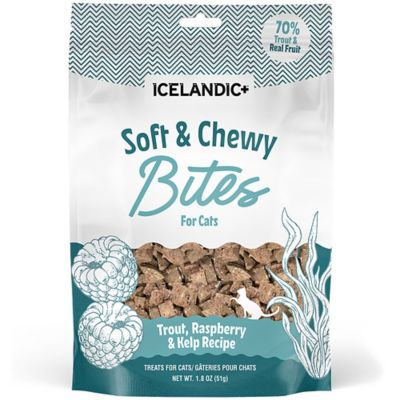
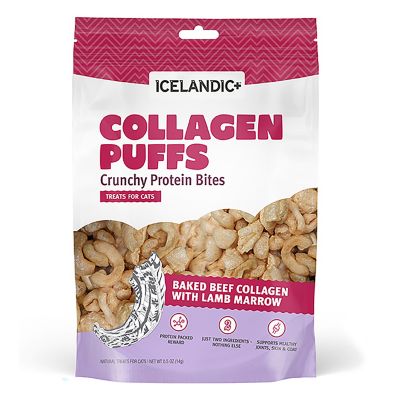
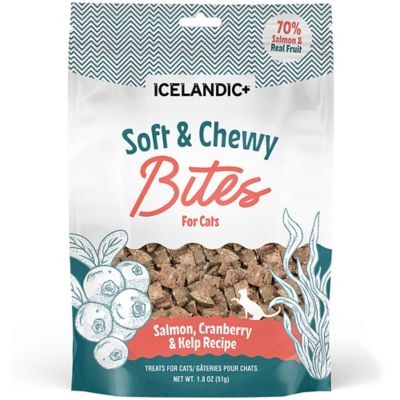
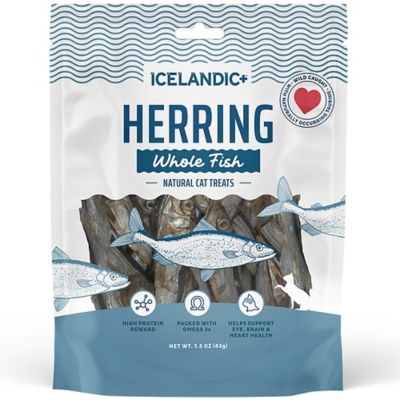
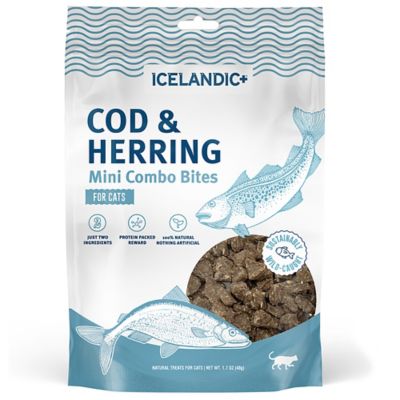
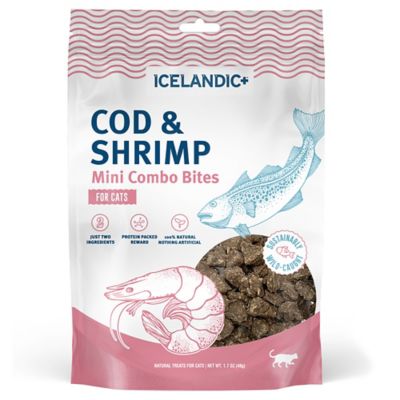
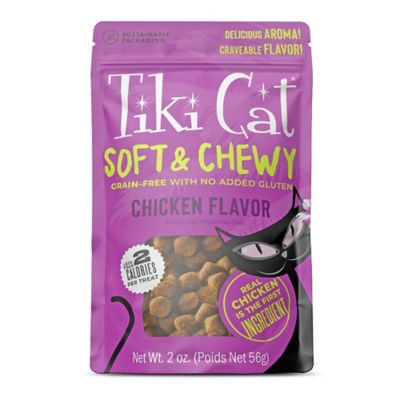
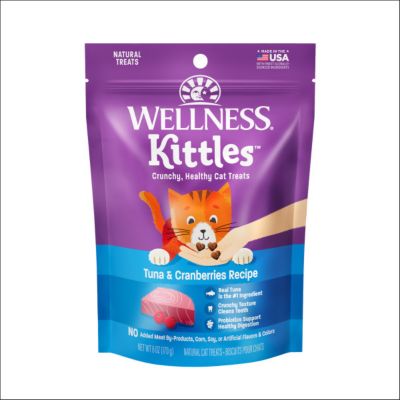
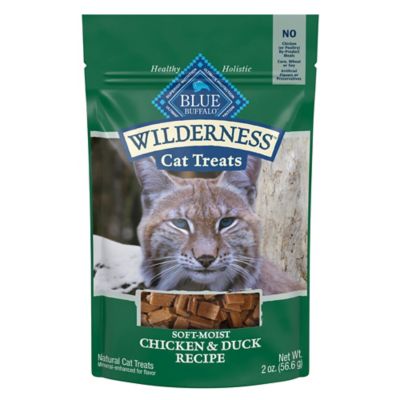
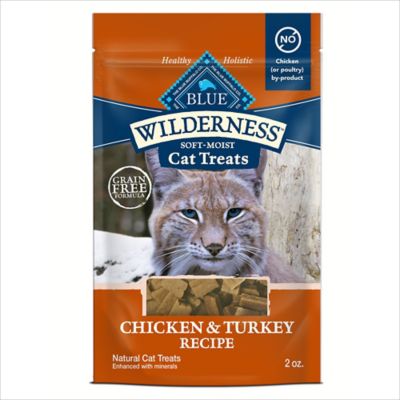
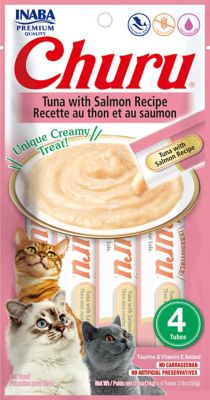
Limited ingredient cat treats can make snack time simpler for cats with food sensitivities, picky eating habits, or restricted diets. These treats are made with a short ingredient list, and some contain just one animal protein, such as chicken, salmon, beef, or rabbit. A shorter list makes it easier to keep track of what your cat is eating, especially when you are working with your veterinarian to identify a possible food allergy or reaction. Look for the complete ingredient panel rather than relying only on front-of-package wording. If your cat needs to avoid a certain ingredient, check for alternate names, flavorings, broths, grains, dairy ingredients, and preservatives that may be included in small amounts. Single-protein treats can be helpful when you are limiting the number of proteins in your cat’s diet, while single-ingredient options can make the feeding routine even easier to follow. Cats with a sensitive stomach may do better when new treats are introduced slowly, one at a time, with close attention to changes in appetite, stool, scratching, or vomiting. A food sensitivity can look different from one cat to another, so speak with your veterinarian before changing food for a cat with ongoing symptoms, diabetes, kidney disease, or another medical condition. Treats should remain a small part of the daily diet, and the calories should be counted along with meals to help maintain a healthy body weight.
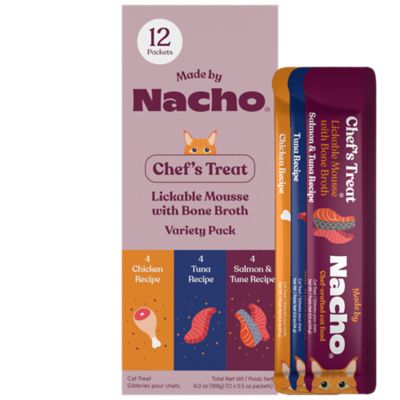
Texture matters just as much as the ingredient list. Crunchy bites may suit cats that enjoy a little snap between meals, while soft morsels can be easier for cats with tender gums or missing teeth. Freeze-dried pieces often have a light, crisp texture and a strong meat aroma that can catch the attention of a selective eater. Lickable purées and broth-style treats can add moisture and may work well as a small topper, a reward after brushing, or a way to make a quiet indoor afternoon more interesting. Break-apart pieces are handy for training, carrier practice, nail trims, and gentle handling because you can offer a tiny portion without giving a full treat. Read the feeding directions and check the calorie count when it is listed, particularly if your cat is small, less active, or already receiving snacks from several family members. Keep fresh water available, store treats according to the package directions, and introduce unfamiliar textures gradually. During the cooler months, indoor cats may spend more time curled up on a bed or windowsill, making short play sessions followed by a small treat a good way to add activity to the day. A treat can also help build a calm routine after a move, a visit to the veterinarian, or time spent in a carrier, but it should never be forced. Let your cat approach at its own pace, and stop if the snack causes discomfort or loses its appeal.
Limited ingredient cat treats can be a thoughtful present for a cat owner who pays close attention to ingredients or cares for a cat with a sensitive stomach. They fit neatly into a welcome-home basket for a new kitten, a care package for a friend with an indoor cat, or a small holiday gift for someone who enjoys spoiling an older companion. If the treats are a gift, choose a plainly labeled option and include the ingredient list so the recipient can check it against the cat’s regular diet. For senior cats, softer textures, smaller pieces, and lower-calorie portions may be easier to manage; browse
Cat Treats For Senior Cats for more options suited to older companions. Cats that are selective may prefer fish-based aromas, while others respond better to poultry or red meat, so the best choice often comes down to the cat’s established preferences as well as dietary needs. Keep an eye on the first few servings and avoid offering several new treats at once, since that can make it difficult to tell which ingredient caused a problem. Store packages in a cool, dry spot away from curious paws, seal them well after opening, and follow the package guidance for freshness. Whether you offer a small bite after a morning play session, reward quiet behavior while guests are visiting, or share a snack during a cozy evening indoors, limited ingredient treats can support a simple, consistent routine built around your cat’s needs.