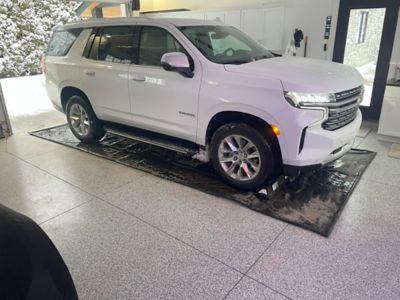
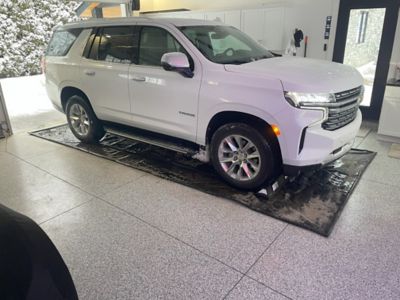
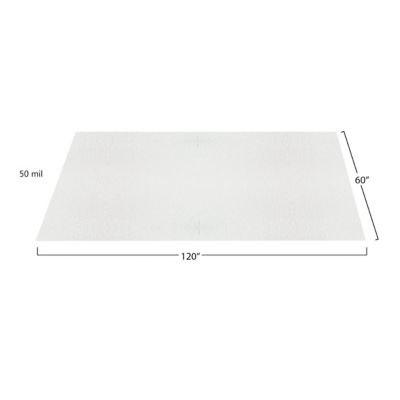
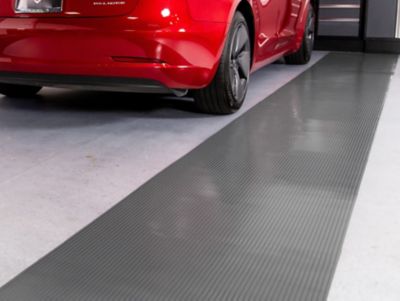
Garage floor protection helps keep a busy garage cleaner, safer, and easier to use, whether the space holds a pickup and lawn mower, serves as a repair shop, or doubles as a workout area and storage room. Bare concrete may look tough, but it can absorb oil, grease, gasoline, fertilizer, muddy water, and road salt. Repeated moisture can work into small cracks and leave behind stains that are difficult to scrub away. During the cooler months, snow, slush, and salty runoff can drip from a vehicle for hours after it is parked, while damp boots, muddy tires, and wet equipment bring in more mess. A floor covering or coating creates a barrier between those everyday spills and the concrete underneath. It also makes sweeping, mopping, and rinsing away dirt much less of a chore. Before choosing garage floor protection, take accurate measurements of the parking or work area, including corners, posts, steps, and doors that may affect the fit. Consider how the garage is used, how much weight the surface needs to support, and whether vehicles will be parked over it for long stretches. A homeowner who mainly wants to catch drips beneath a car may prefer a simple roll-out surface, while someone who repairs equipment or changes oil may need broader coverage and stronger chemical resistance. For an easy way to compare options sized for vehicle parking, explore
Garage Parking Mats.
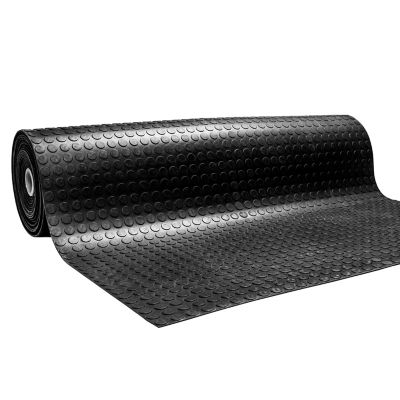
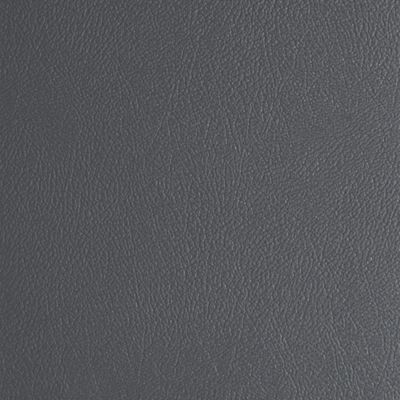
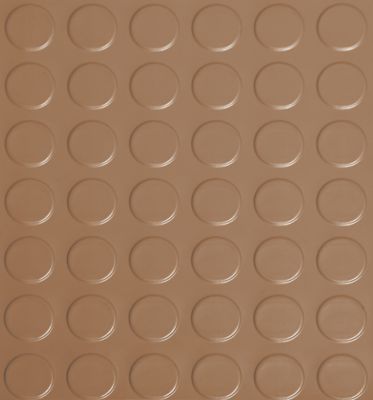
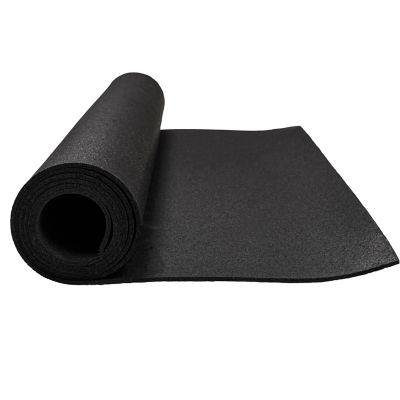
Roll-out vinyl or rubber-style mats are a practical choice when you want coverage without a lengthy installation project. They lay directly over clean, reasonably smooth concrete and can help hide worn areas, minor discoloration, and everyday scuffs. Many are easy to sweep, mop, or hose clean, making them handy under cars, tractors, motorcycles, ATVs, and other equipment that tracks in dirt. They can also be useful in a rental property, a recently purchased home, or a garage that needs protection before a larger renovation. Raised-edge containment mats add another layer of confidence by holding rainwater, melting snow, mud, and other liquid runoff within the covered area. This style is especially useful for a vehicle parked indoors during wet weather or for families who are tired of finding a puddle spreading across the garage floor. Check the height and shape of the perimeter, the overall dimensions, and the material’s resistance to oil, fuel, cleaners, and road salt. A mat should sit flat, with enough room for tires to remain fully on the protected surface and with no folded edges that could catch a boot or tire. Clean and dry the concrete before installation, allow rolled material time to relax, and follow the care instructions for moving vehicles or heavy equipment onto the surface. Good drainage and ventilation still matter; a floor covering is not a substitute for fixing leaks, standing water, or serious cracks in the slab. If water is already coming through walls or rising from below, address that moisture problem first so the protection can do its job.
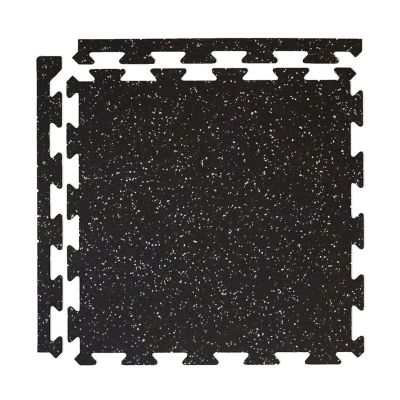
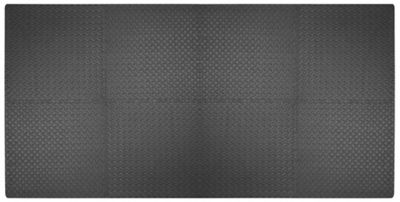
Interlocking garage tiles offer a more finished, custom look and can be arranged to cover a parking bay, workbench area, home gym, or the entire garage. Their snap-together design makes it possible to build a layout around shelving, tool chests, and fixed equipment, and individual pieces can often be removed or replaced if one area becomes worn. Depending on the construction, space beneath the tiles may allow airflow and help keep the walking surface slightly separated from damp concrete. They are a strong fit for handy homeowners who enjoy setting up a garage in sections, from a clean vehicle area to a rugged spot for sharpening tools or servicing small engines. Permanent coatings, including epoxy, polyaspartic, and specialized concrete floor finishes, bond to prepared concrete to create a seamless surface with a hard, polished appearance. These options can resist many common garage chemicals, tire marks, and regular traffic, but preparation is the key to lasting results. The slab generally needs to be clean, dry, and free of grease, loose paint, curing compounds, and dust before application. Follow the recommended preparation, temperature, drying, and cure times, and make sure the finished surface is suitable for hot tires and the weight of the vehicles or equipment being stored. Garage floor protection can make a thoughtful housewarming gift for a new homeowner, a practical present for a do-it-yourself mechanic, or a useful upgrade for anyone turning an ordinary garage into a dependable work space. Choose based on the floor’s condition, the amount and type of traffic, the local weather, the cleanup you expect, and whether you want a removable barrier, a replaceable modular surface, or a long-term finish.