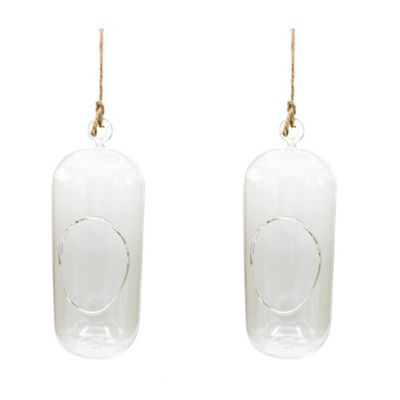
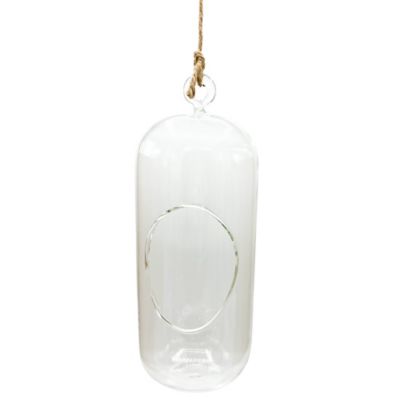
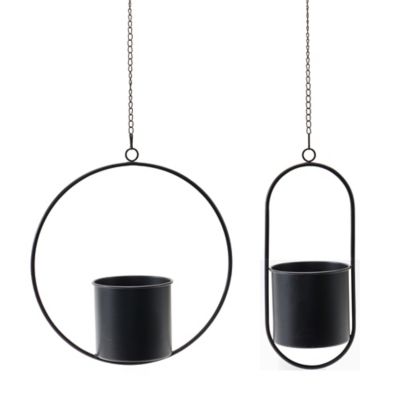
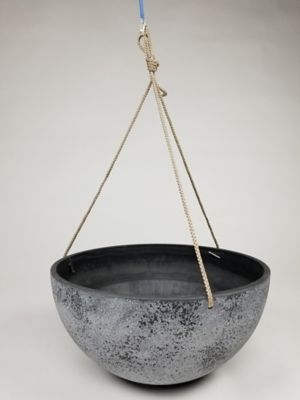
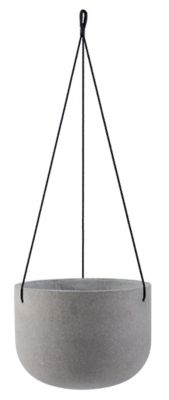
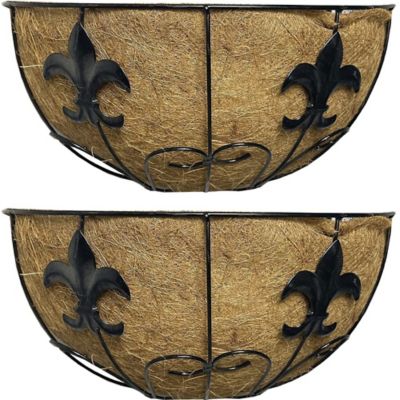
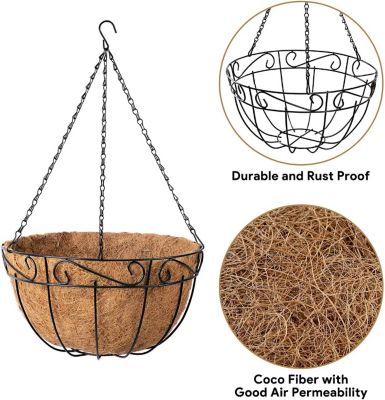
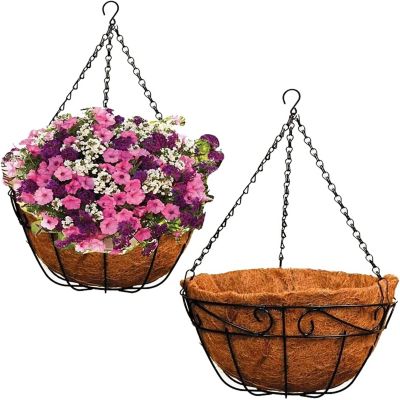
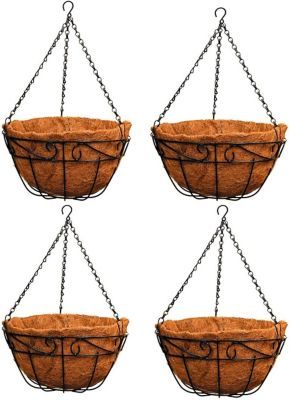
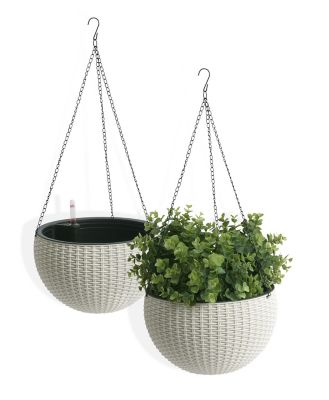
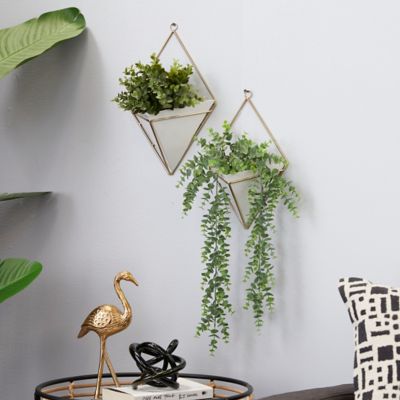
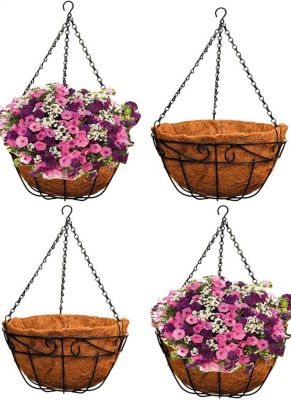
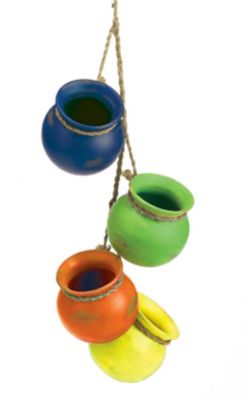
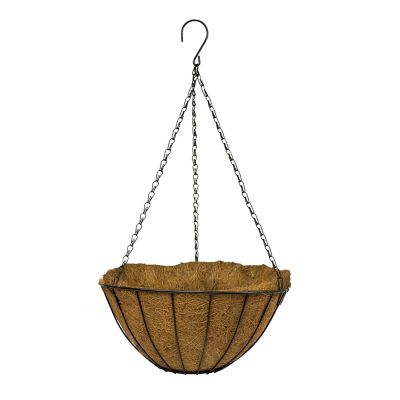
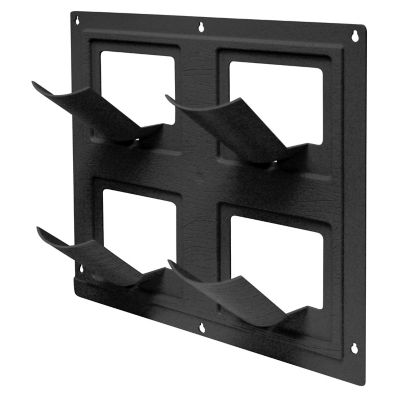
Hanging planters for succulents hold plants above a floor, table, or shelf, giving trailing stems room to spill over the rim while keeping growing space off a crowded surface. They’re a good fit for string of pearls, string of bananas, and burro’s tail, whose long stems can turn a plain corner into a spot worth looking at. Upright, rosette-forming succulents work in hanging pots, too, especially in shallow bowls that keep their compact shape visible. The right setup depends on both the plant and the place it will hang. A single suspended pot can brighten a kitchen window, while a wall-mounted arrangement can bring greenery to a porch seating area without taking up room beside a chair. Ceiling-hung styles show off a plant from several sides; wall-hung designs keep the display closer to a flat surface and out of a narrow walkway. Open baskets, solid bowls, and pots held in rope cradles each frame the foliage a little differently. Earthy clay gives fleshy green leaves a simple backdrop, while a smooth glazed finish or metal outer holder can tie in with nearby hardware and furnishings. Beyond appearance, a hanging succulent planter needs enough room for the roots, an outlet for excess water, and a position that suits the plant’s light requirements. Most succulents need bright light, though the amount of direct light they tolerate varies by species. An empty corner isn’t always a good growing spot just because there’s a handy hook overhead. Hanging height matters as well: the pot should leave space for stems to lengthen without brushing someone’s shoulder or tangling with a door. For a small home, apartment, farmhouse kitchen, or covered porch, that balance of growing room and everyday clearance makes a suspended planter feel like part of the space rather than something to work around.
Materials make a noticeable difference in a hanging planter’s weight, watering needs, and upkeep. Unglazed terra-cotta is porous and lets moisture move through its walls, which can help succulent potting mix dry between waterings. Glazed ceramic generally holds moisture longer and brings more weight to the hanging setup, especially once the soil has been watered. Plastic and resin containers tend to be lighter, making them practical where lifting and reaching are part of routine plant care. Metal can serve as an outer holder for a separate nursery pot, while woven baskets and rope hangers often support an inner container rather than holding loose potting mix themselves. That distinction matters when comparing designs: a basket, hanger, and planting pot may serve different jobs within the same display. Drainage holes give extra water a way out, and a removable inner pot makes it easier to water at a sink without dripping onto floors or furniture. A solid outer bowl needs attention so water doesn’t collect around the inner pot’s base. A layer of gravel at the bottom doesn’t replace drainage holes. For most succulents, a coarse, fast-draining potting mix and time for the mix to dry between waterings are more helpful than a deep container that stays damp. Pot size should follow the root ball rather than the length of the trailing stems; long vines don’t necessarily need a large volume of soil. A container only a little wider than the existing root ball often gives a better fit than a much larger pot. Shallow styles can suit compact roots, provided there’s enough depth to support the plant. Wide openings also leave room to check the soil and remove fallen leaves. Smooth interiors, accessible drainage holes, and removable liners can make cleanup simpler, while sound seams, secure rims, and firmly attached hanging points help the planter stand up to regular lifting and watering. For outdoor placement, the container and its hanging hardware should be rated for outdoor use.
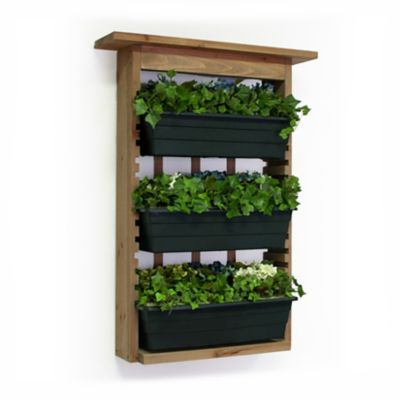
The hanging system deserves as much attention as the pot itself. Chains, cords, straps, and brackets need to support the full planted weight, including wet soil and any water held in an outer container. A ceiling hook or wall bracket is only as strong as its connection to the structure, so the mounting surface and the hardware’s stated load limit matter more than how light an empty pot feels in hand. An adjustable hanger can help bring a planter within reach, while a removable hook connection can make trips to the sink less awkward. Trailing succulents may have fragile leaves or stems, so a setup that allows the pot to move without squeezing the foliage makes routine care easier. Enough clearance around the rim also keeps cords from pressing into new growth. In busy households, placement should account for cabinet doors, ceiling fans, curious pets, and small children. Some succulents, including string of pearls, can be harmful if chewed, and hanging a plant doesn’t automatically put it beyond a climbing cat’s reach. A reachable display is also easier to inspect for pests, wipe free of dust, and turn for more even growth. For plant lovers who already have a full windowsill, a hanging planter offers another place to grow without adding another stand or table. It can also make a thoughtful housewarming or birthday gift when its size and care needs fit the recipient’s space. A lightweight pot with a removable liner may suit someone who prefers easy handling, while a simple clay bowl can appeal to a grower who likes to keep an eye on soil moisture. For planting spaces that favor upright pockets or stacked containers instead of trailing stems,
Vertical Herb Garden Planters offer another approach to growing above the ground. Whether the setting is a quiet reading corner or a porch beside the back door, a well-matched hanging planter gives succulents room to grow while keeping watering, access, and everyday life in mind.