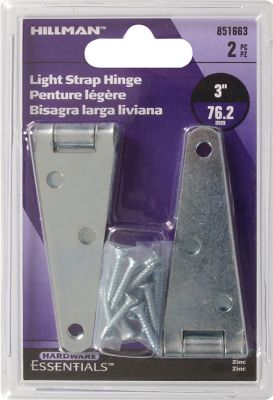
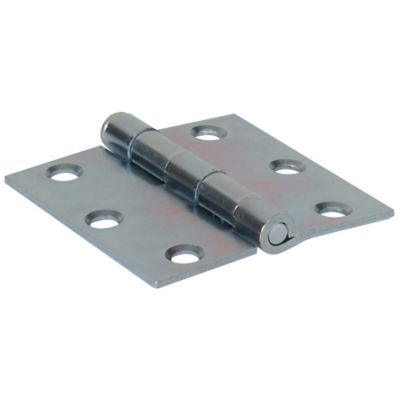
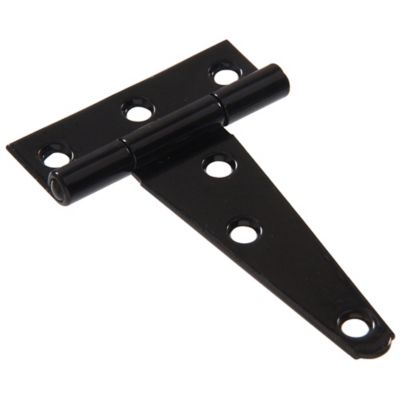
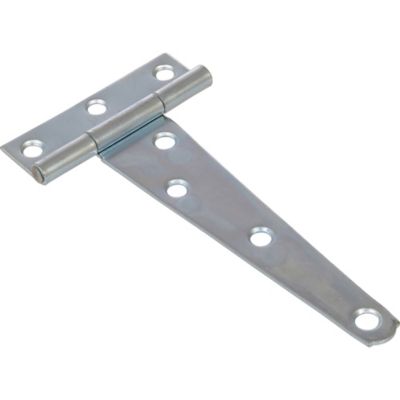
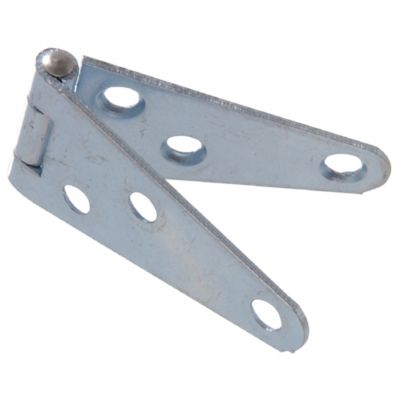
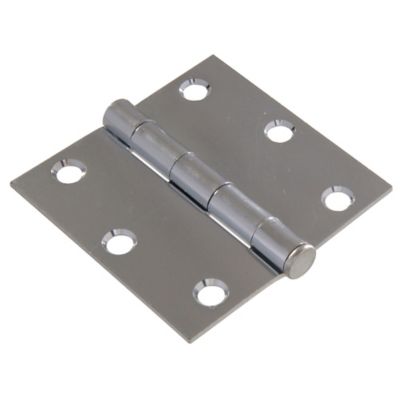
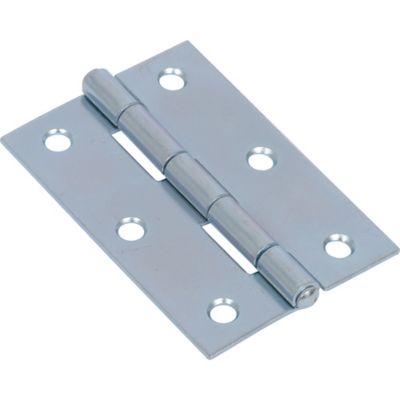
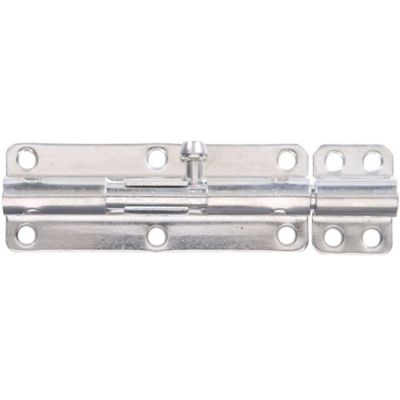
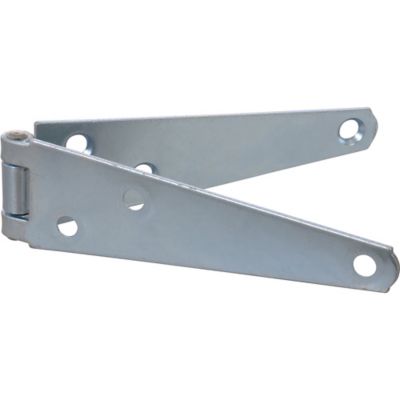
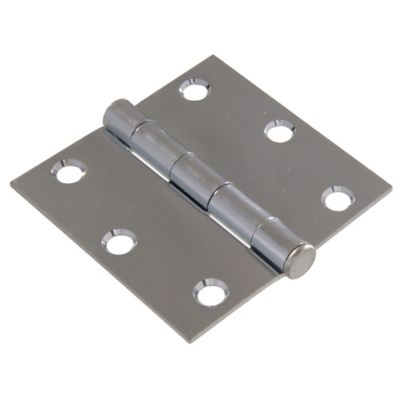
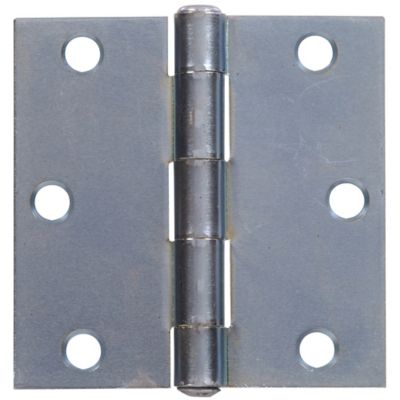
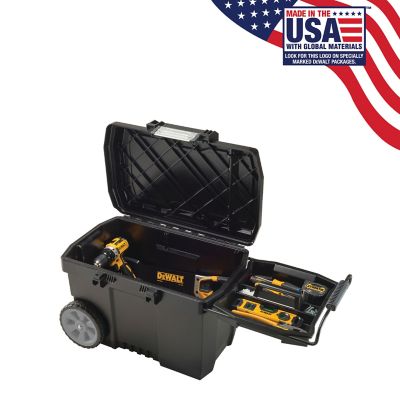
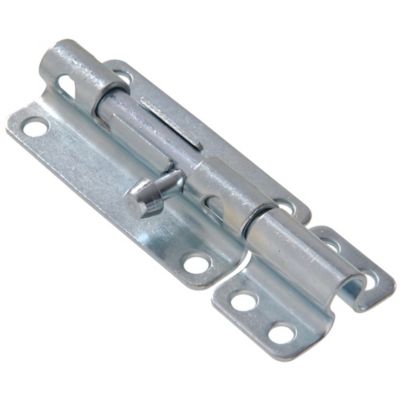
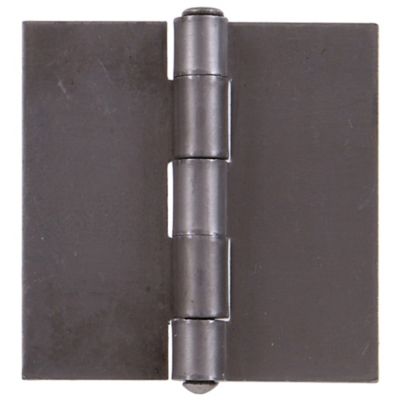
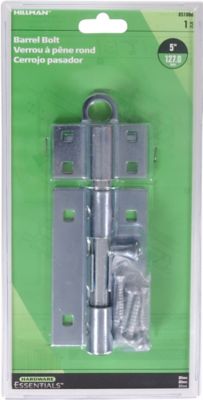
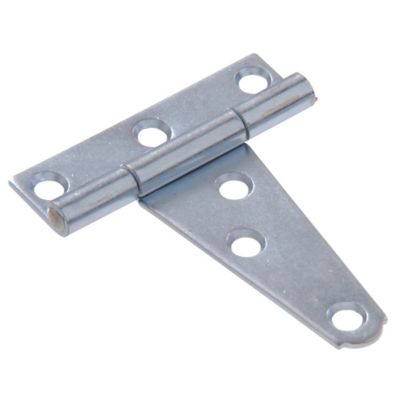
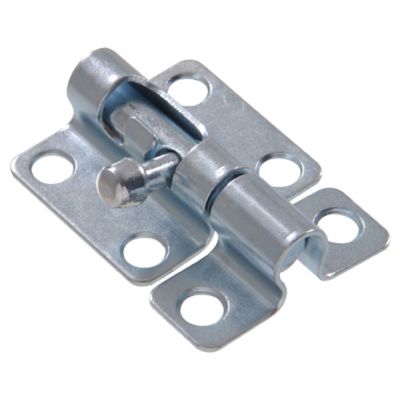
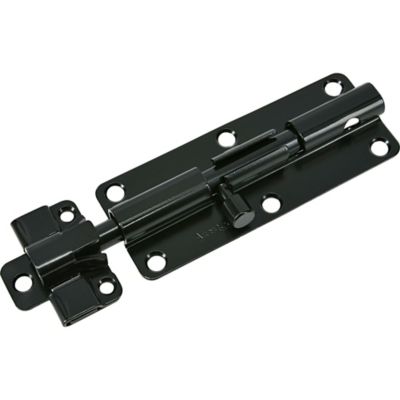
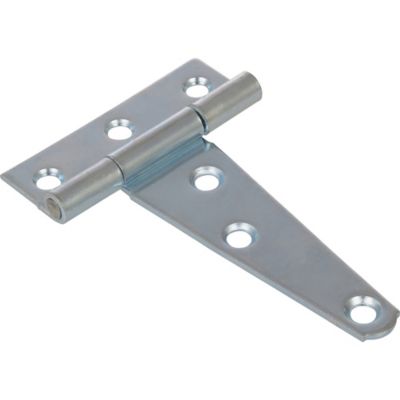
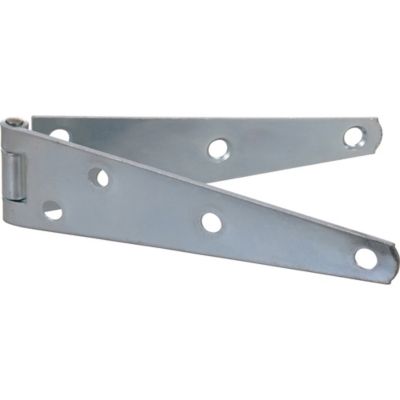
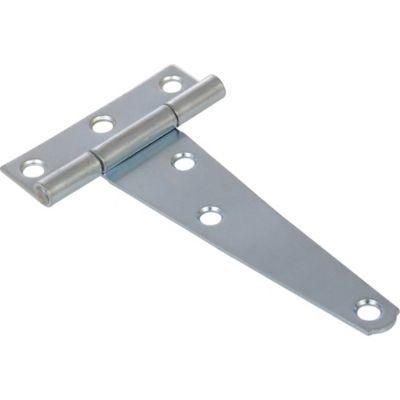
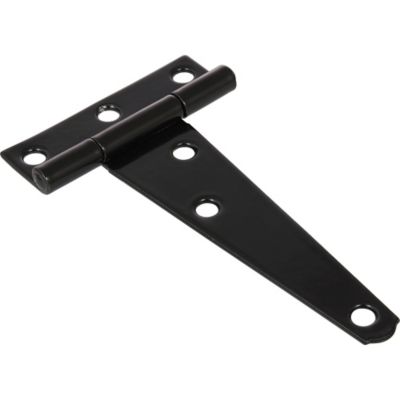
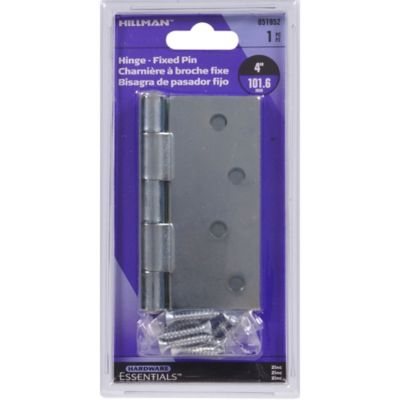
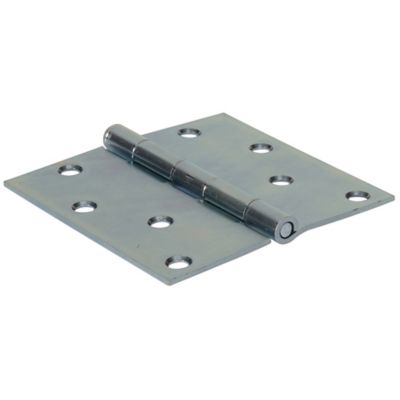
Hardware for chests includes the functional and decorative metal pieces used to build, repair, protect or restore wooden chests, storage boxes, tool chests and steamer trunks. The right hardware helps a chest hold up to everyday use while also giving it a finished look that fits the space around it. Common chest hardware includes lifting handles, bail handles, ring pulls, hinges, lid supports, corner guards, latches, hasps, drawbolts, locks and keys. Handles and pulls make a chest easier to move, especially when it is used for blankets, toys, tack-room supplies or hand tools. Hinges connect the lid to the chest body and should be chosen with the lid’s size and weight in mind. A lid support or stay helps keep the lid open and can help prevent it from falling suddenly, which is useful in busy workshops, mudrooms, bedrooms and utility areas. Corner brackets and metal guards protect exposed edges from bumps, scrapes and wear, making them a practical choice for chests that are moved often or used in a barn, garage or work shed. Latches and hasps keep the lid closed during transport or storage, while keyed locks add another layer of security for personal items, paperwork, tools or equipment. When looking through hardware for chests, start by deciding whether the project is a new build, a repair or a restoration. New construction gives you more freedom to select the size, placement and finish of each piece. Restoration work calls for closer attention to the original holes, mounting style and overall character of the chest. A replacement part does not always need to match every detail, but it should be strong enough for the job and suited to the wood and use of the chest. For anyone organizing a work area, a sturdy
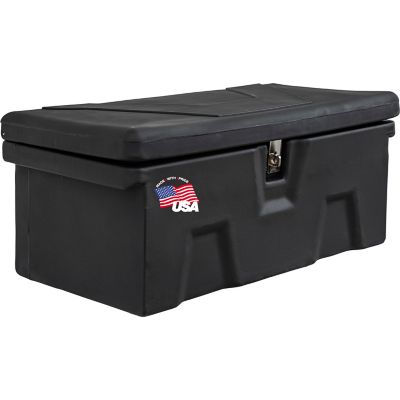
Storage Tool Chests option can help keep essential tools gathered in one place, while individual hardware pieces can be useful for repairs, upgrades or custom storage projects.
Before buying, measure the chest carefully and take note of the lid thickness, overall width, hinge spacing and existing screw or nail holes. Small differences in size can affect how smoothly a lid opens, how firmly a latch catches or how evenly a handle sits against the wood. If you are replacing old hardware, remove one piece and use it as a reference when checking mounting holes and overall dimensions. For hinges, consider how far the lid needs to open and whether the hinge will be mounted on the surface or set into the wood. Surface-mounted hinges are often straightforward for workshop repairs, while concealed or inset styles can create a cleaner appearance when building a chest from scratch. Lid supports should be matched to the lid’s weight and reach, and they should be installed where they can hold the lid securely without putting too much strain on the side panels. Handles need solid attachment points, particularly when a chest may be lifted while full. Reinforcing thin or weathered wood from the inside can help keep screws from pulling loose. For corners and brackets, look for pieces that cover the areas most likely to take a hit without interfering with the lid or rubbing against nearby furniture. Finish matters, too. Brass-toned hardware can bring warmth to a pine or stained wood chest, dark iron-style finishes can suit a rugged workshop or farmhouse setting, and muted steel or zinc tones can blend into practical utility spaces. Matching the finish across handles, hinges, corners and fasteners creates a more put-together appearance, though a mixed-metal look can work well on an older chest with a well-used, lived-in character. Also consider the fasteners included or needed for installation. Screws should be long enough to hold securely but not so long that they break through the inside of the chest, and the head style should sit neatly against the hardware. In a damp garage, porch or outbuilding, choosing hardware with suitable corrosion resistance can help it maintain its appearance and function through changing temperatures and humidity.
Chest hardware is useful for more than large furniture projects. It can help refresh a family keepsake, turn reclaimed boards into a blanket chest or give an old storage box a second life in the shop. A well-fitted handle can make a heavy chest easier to shift before a storm or during a seasonal cleanout, while a dependable latch can keep dust, bedding, craft supplies and small equipment contained. In a workshop, hinges and lid supports make frequently used storage easier to access, and reinforced corners can help protect a chest that gets moved across concrete floors or loaded into a truck. In the home, decorative hardware can add a personal touch to a toy chest, entryway bench or bedroom storage piece. Chest hardware can also make a thoughtful gift for someone who enjoys woodworking, refinishing furniture, restoring old trunks or building practical projects from reclaimed lumber. A family member setting up a first workshop may appreciate a selection of sturdy repair pieces, while a longtime woodworker may value hardware that helps complete a one-of-a-kind build. For a restoration project, keep the chest’s age, construction and original finish in mind. Clean away loose dirt before taking measurements, but avoid removing a naturally aged finish simply to make every piece look new. Check that the wood around each mounting point is sound, and repair cracks or soft spots before installing replacement hardware. During the cooler months, chests often move indoors for blankets, seasonal clothing, fire-starting supplies or extra household goods, making smooth hinges, secure latches and comfortable handles especially useful. In a barn, shop or mudroom, practical hardware helps storage stand up to muddy boots, dusty hands and regular use. With careful measurements, suitable fasteners and hardware chosen for the chest’s weight and purpose, a simple box can become dependable storage that serves for years and develops even more character along the way.