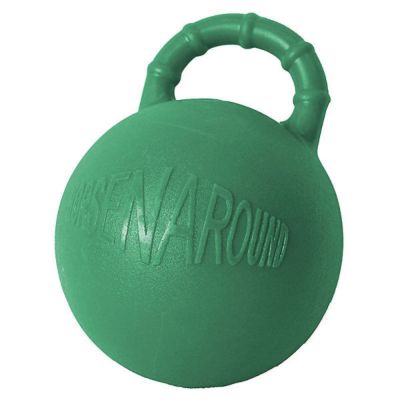
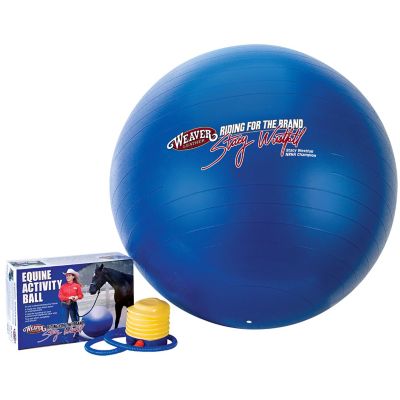
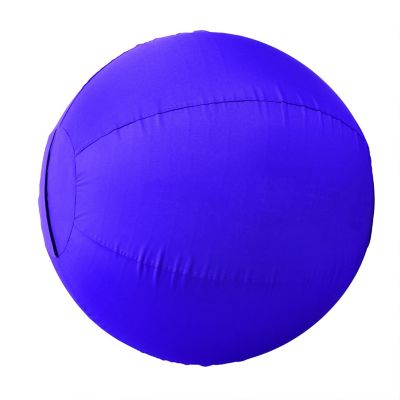
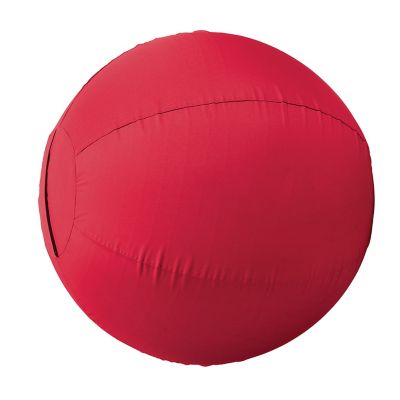
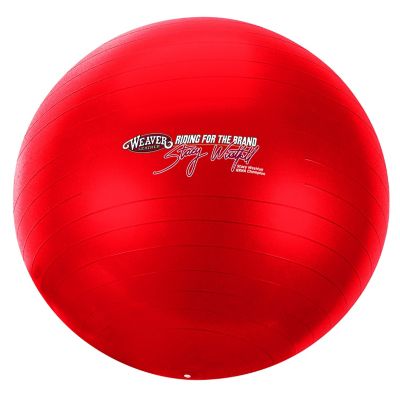
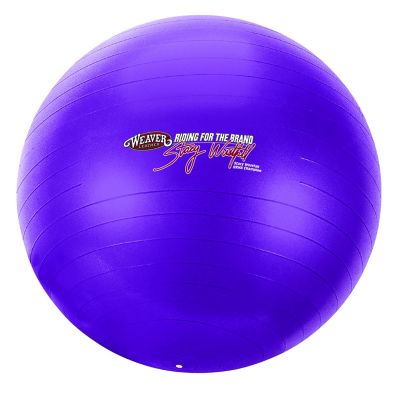
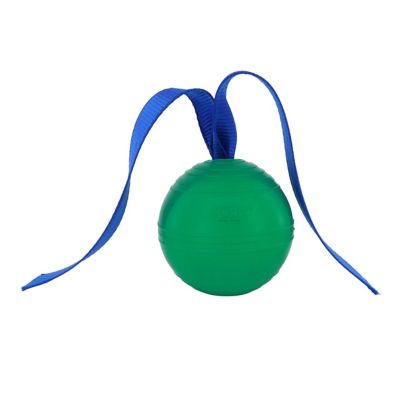
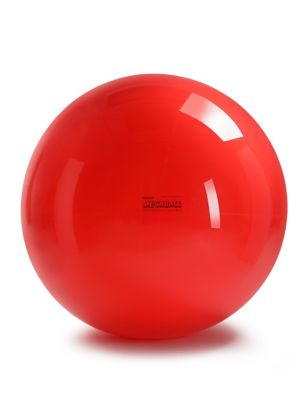
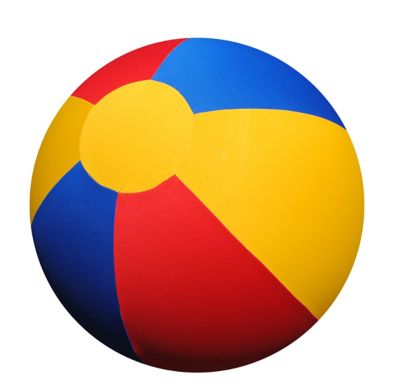
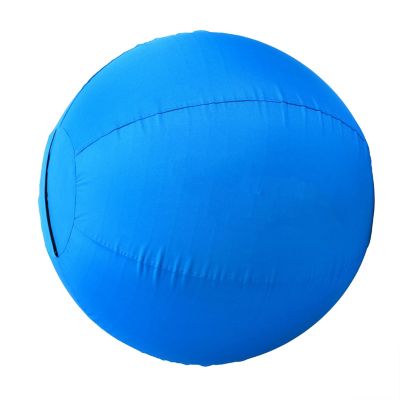
Equine play balls give horses a simple way to stretch their legs, use their minds, and break up the long, quiet stretches that can come with stall time or a smaller turnout area. A horse may push a ball across the paddock with his nose, chase it away from a fence line, trap it with a hoof, or carry it by a handle before dropping it with a satisfying thump. That kind of movement can add useful enrichment to a daily routine, especially for horses that spend more time indoors during storms, muddy footing, icy conditions, or the cooler months. Large exercise and herding balls are generally made for nudging, rolling, and pushing rather than biting and chewing, while some interactive feeder balls offer a different type of activity by releasing small amounts of feed or treats as the horse moves them. Both styles can help ease boredom, but they serve different purposes. A push ball encourages larger movements and playful investigation; a feeder ball slows down snack time and gives a horse a job that resembles natural foraging. These toys can be a thoughtful gift for a horse owner, boarding stable, riding instructor, or young rider who enjoys spending time with a favorite horse between lessons. They also pair well with other enrichment items, such as slow-feeding supplies and grooming tools, for a practical barn gift. When shopping, start with the horse’s size, age, play style, and living arrangement. A tall, athletic horse generally needs a larger ball that will not disappear under a shoulder or become easy to step over, while a smaller horse or pony may be more comfortable with a size that is easy to push without being intimidating. Read the manufacturer’s size guidance and weight recommendations, and look for sturdy, non-toxic materials designed to stand up to outdoor use. A durable, bite-resistant construction is important because horses may test a new toy with their lips and teeth, even when the ball is intended for rolling. Balls that require inflation should have a reliable anti-burst design and should be checked often for leaks, soft spots, or damage. Non-inflatable options can be handy for busy barns because they do not need a pump and will not go flat when punctured, though every toy still needs regular inspection.
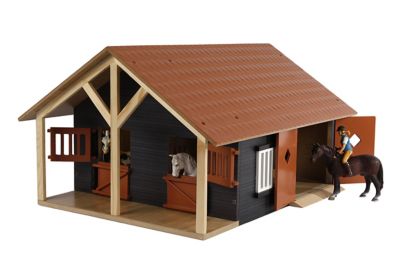
A horse’s first reaction to a new ball can range from instant curiosity to a wide-eyed hop backward. That is normal, particularly with a bright, oversized ball that rolls unexpectedly or makes noise against a wall. Introduce the toy in a calm, open space with good footing, allowing the horse to look at it, sniff it, and walk around it before expecting play. Some owners leave the ball outside the stall or in a nearby corner of the paddock for a little while so the horse can investigate at his own pace. Avoid tossing a new toy toward a horse, and never force contact. Once the horse is comfortable, gentle rolling from a safe distance can invite him to participate without putting a handler in the middle of the action. Supervision is especially important during the first few sessions and for horses that are prone to pawing, striking, guarding objects, or becoming overly excited. Use play balls in an area with enough room for turning and stopping, away from sharp fencing, water troughs, feed buckets, machinery, and low branches. A smooth, level surface is preferable; deep mud, frozen ruts, loose wire, and slick flooring can turn an ordinary game into a footing hazard. Remove the ball if it becomes torn, cracked, punctured, or small enough to fit into the horse’s mouth. Handles can be useful for carrying and rolling, but they should not be used to tie the ball to a stall, fence, trailer, or horse. Likewise, a play ball is not a substitute for turnout, exercise, training, companionship, or a veterinarian’s advice when a horse shows signs of stress or unusual behavior. For horses in stalls, a ball can add movement and interest between meals, but it should not block the doorway, interfere with hay and water, or encourage a horse to bang against stall walls. In a pasture, check that the toy cannot roll through a gate or become trapped along a fence. During wetter and cooler stretches, bring inflatable toys in for storage when practical, since sharp ice, frozen ground, and rough surfaces can shorten their useful life. Keeping the toy clean and dry also makes it easier to spot wear before the next play session.
The right ball depends on how the horse is likely to use it. For an energetic horse that enjoys pushing objects around, choose a large ball with a tough outer surface and enough size to discourage stepping over it. A horse that tends to grab and carry objects may do better with a solid ball made to withstand mouthing, provided it has no loose pieces, exposed seams, or openings that could catch a lip. For a horse that needs a slower, more purposeful activity, a treat or feeder ball can make a small ration last longer and encourage the horse to move, nudge, and forage. Use only feed or treats that fit the horse’s diet, and count them as part of the daily ration to avoid unwanted weight gain. Begin with a small amount so the horse learns how the toy works without becoming frustrated. Some horses solve a feeder ball quickly, while others need time and a few demonstrations before they understand that rolling it brings a reward. A ball can also be useful for horses that are comfortable in a stall but restless when their regular routine changes, such as during travel, weather delays, or recovery periods; however, restricted horses should be cleared for added activity by a veterinarian. Keep in mind that not every ball sold for pets, children, or general recreation is suitable for equine use. Small balls may present a choking risk, and lightweight toys can split or become sharp when crushed. If you are shopping for more ways to keep an active animal moving, browse
Dog Toys for Exercise, while choosing only toys intended for the animal and activity at hand. With the right size, safe materials, sensible supervision, and a little patience, equine play balls can become a familiar part of barn life—rolling across the pasture in the afternoon, waiting beside the stall during bad weather, and giving a horse one more healthy way to stay curious and engaged.