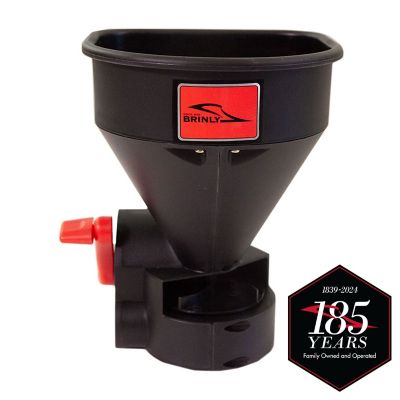
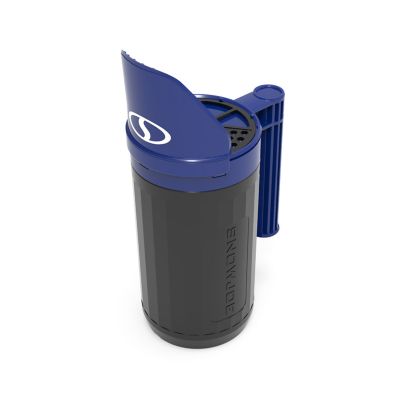
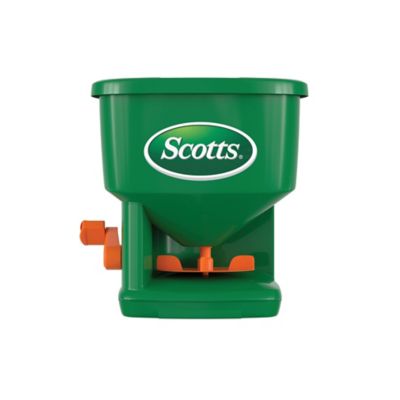
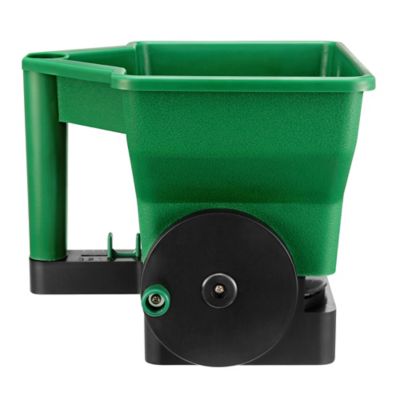
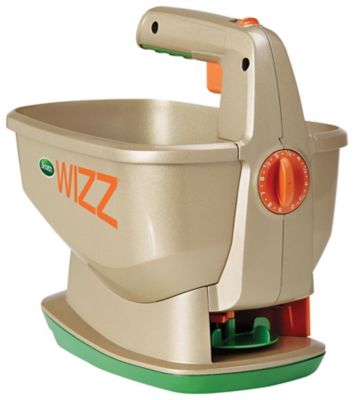
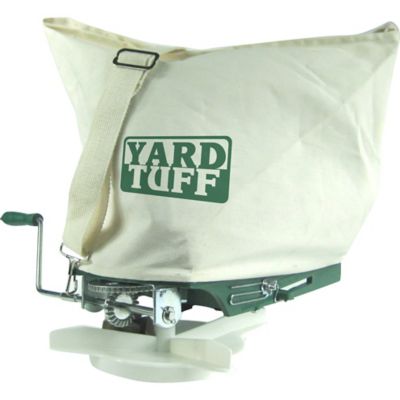
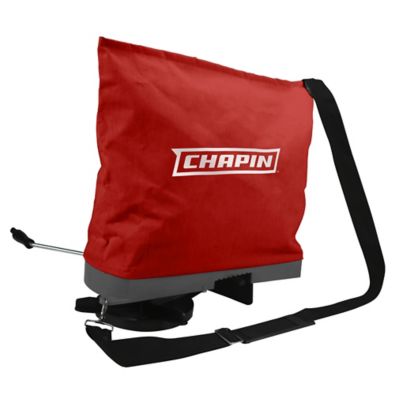
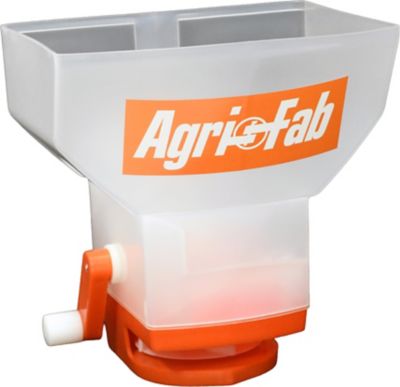
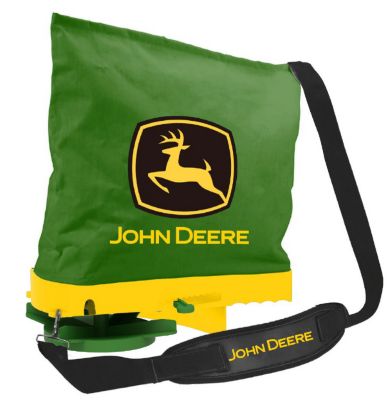
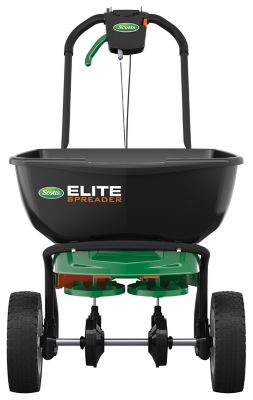
Handheld ice melt spreaders make sense for the short stretches that still call for attention when ice settles in: the walk from the porch to the truck, a few steps outside the mudroom, or the narrow path between the house and the detached garage. Those areas may not call for a large hopper or a wheeled machine, but scattering granules by hand can leave piles in one spot and bare patches in another. A handheld spreader offers a way to distribute compatible ice melt while keeping the job manageable around tight turns, steps, and small landings. Shaker-style containers generally release material through openings in a lid, while hand-crank designs feed granules onto a rotating plate that throws them outward. Those different spreading patterns matter on a walkway bordered by grass, flower beds, or porch posts. A wider throw can cover an open patch with fewer passes, while a more contained pattern may better suit a narrow entrance where stray material is a concern. Capacity deserves some thought, too. A larger container means fewer refills, but the weight of the full load matters more than the weight of an empty spreader, especially when carrying it down steps or reaching along a railing. For a small front walk, a modest load may be easier on the hand and wrist than filling the hopper to the top. Homeowners, renters responsible for an entrance, and caretakers tending several small doorways can all appreciate equipment that is easy to carry and simple to tuck away between jobs. When comparing handheld options with other
Salt Spreaders, the main consideration is the space that needs treatment, not simply the size of the property. A place with a long gravel drive may still have a short concrete walk where a handheld spreader is the more practical tool. The right match keeps the equipment in proportion to the task without making a small patch of pavement into a bigger chore.
The details that matter most often show up with gloves on and a load in the hopper. A handle with enough clearance for winter gloves can be easier to hold than a cramped grip, and the balance of the container affects how it feels as the material level drops. For crank-operated designs, handle placement and turning clearance deserve a close look, particularly for anyone with limited hand strength or a stiff wrist. Shaker designs have their own considerations, including the size of the lid, how securely it closes, and how easily the openings can be adjusted without spilling granules. A broad fill opening can make loading less awkward, though pouring directly from a heavy bag may still be cumbersome. Smooth interior surfaces and an accessible outlet can make leftover material easier to remove. Many handheld spreader bodies feature molded plastic, which avoids rust on the container itself, but plastic thickness, seams, lid fit, and resistance to impact still affect how well the equipment holds up. Cold conditions can make some plastics more vulnerable to cracking, so storage requirements and manufacturer temperature limits are worth checking. Metal shafts, screws, springs, and crank parts need attention as well, since salt residue and moisture can encourage corrosion. Stainless steel or coated components may help resist that exposure, but no material choice replaces proper care. Adjustable feed openings are useful only when they suit the size and shape of the ice melt. Fine crystals, coarse granules, and rounded pellets do not necessarily flow at the same rate, and a spreader intended for one material may not handle another well. Compatibility information from both the spreader maker and the ice melt label is more useful than assuming every bag will pass through the same opening. For a short walkway, a steady flow at a suitable setting is generally more helpful than maximum output, particularly beside door thresholds where excess granules can collect and track indoors.
A handheld spreader belongs in a winter maintenance routine that also accounts for the surface underfoot and everything beside it. Clearing loose snow first helps ice melt reach the remaining ice rather than disappear into a deep layer of snow, and the product label sets the application rate and suitable temperature range. More material is not automatically better; heavy deposits can increase residue, waste material, and expose nearby plants or surfaces to more salt than necessary. Concrete age and condition, masonry joints, natural stone, wood, and metal edging can all affect which melting compound is appropriate. Some surfaces have restrictions that make a particular formula unsuitable, regardless of how neatly the spreader distributes it. Around steps and small landings, controlled placement matters because a broadcasting pattern can carry granules beyond the walking surface. A spreader also cannot make ice disappear instantly or guarantee sure footing. Shaded areas, roof drips, and water draining across a path may refreeze, so those spots can need another look after treatment. For households with pets or properties with livestock nearby, keeping melting compounds away from feed, drinking water, and areas where animals may ingest them is especially important. Label directions and animal-care advice should guide those decisions; a familiar ingredient name alone does not establish that a compound is harmless. After the job, an empty hopper and clean, dry working parts help prevent caked material from interfering with the next application. Cleaning methods vary, especially where a mechanism or powered component has restrictions, so the manufacturer's care directions take priority over a quick rinse. A closed bag or container of ice melt stored according to its label also helps keep moisture from turning loose granules into stubborn clumps. With a comfortable grip, a manageable load, and a spreading pattern suited to the path, a handheld ice melt spreader can earn its space near the snow shovel without taking over the shed. For the everyday trip to the mailbox or the few steps out the back door, that straightforward fit is what counts.