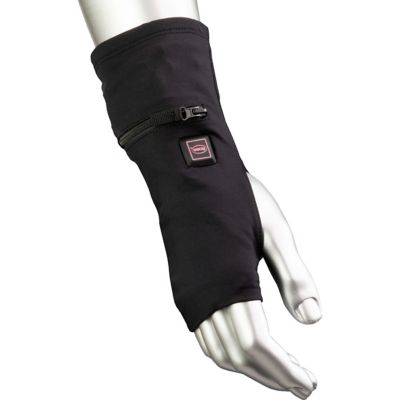
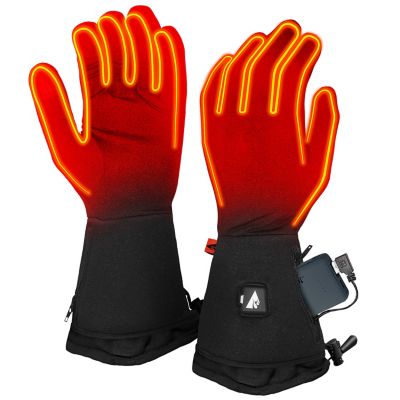
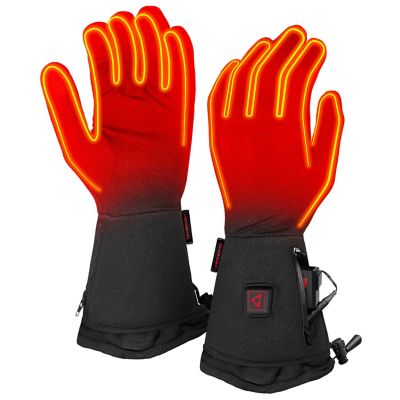
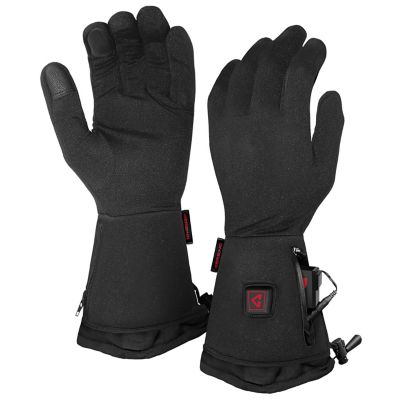
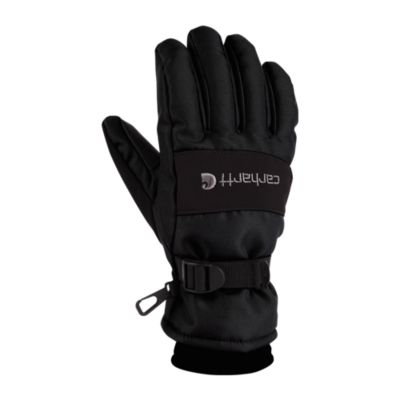
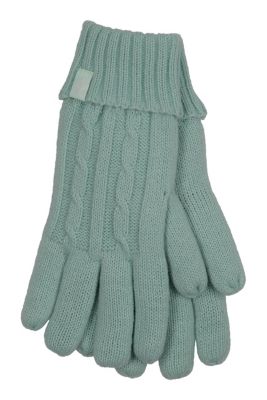
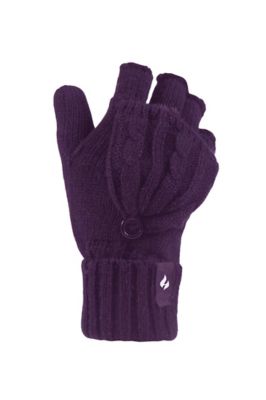
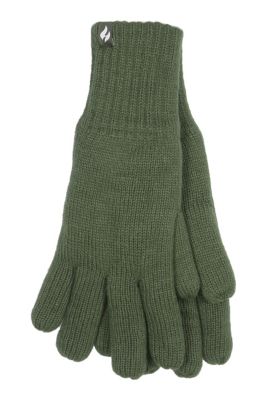
Heated glove liners bring an extra layer of warmth to the kind of cold chores that do not wait for a mild day. Breaking ice from a trough, hauling hay to the barn, and shoveling a path to the chicken coop all put hands out in the cold, often before the sun reaches the yard. A liner fits beneath a roomy outer glove, adding heat without asking one thick layer to do every job. That layered setup can suit livestock owners, horse folks, property caretakers, and anyone spending long stretches tending a place through winter. Materials matter because hands can warm up quickly while carrying buckets, then cool off during a slower task. Polyester blends and stretch-knit fabrics can provide a close feel, while moisture-wicking construction helps move perspiration away from the skin. A smooth exterior can make slipping into work gloves easier, and seams that lie flat are less likely to bunch across the palm or rub between fingers. Some designs concentrate heat on the back of the hand, while others extend heating elements along the fingers; coverage deserves as much attention as the heat setting. Thin construction leaves more room for an outer shell, though a liner alone may not provide much protection from wind, wet snow, or rough surfaces. For chores involving damp gate latches, snow-covered shovel handles, or a brisk ride to the far end of the property, the outer glove still has an important job. Its shell, insulation, and grip should match the work at hand. Heated liners add warmth, but they do not replace task-appropriate protection against cuts, punctures, chemicals, or electrical hazards. Touchscreen-compatible fingertips, where included, can make checking a message easier, though their usefulness depends on the screen and whether an outer glove covers them. The appeal is a flexible layering setup that helps keep hands comfortable through the stop-and-start pace of a working day.
Fit makes a big difference once several layers come together. A heated glove liner should sit close enough to keep excess fabric from folding under the fingers, without pulling tight across the knuckles or squeezing the wrist. The outer glove needs space for both the liner and natural finger movement; crowding the layers can compress insulation and restrict circulation. Size charts based on hand measurements offer a better starting point than assuming every glove fits the same. Finger length, palm width, and cuff shape all affect how the combination feels while gripping a feed scoop, closing a stall latch, or carrying a fence-repair tote. A longer cuff can tuck beneath a coat sleeve to reduce gaps, but battery pockets and wrist closures also need room. The location and weight of the battery matter when bending the wrist around a wheelbarrow handle or reaching into a coat pocket. Controls that remain accessible with the outer glove in place can be handy when the pace of work changes. Adjustable heat settings let the wearer balance warmth with battery life, although actual runtime depends on the setting, battery capacity, temperature, and other operating conditions. A full morning of chores calls for different planning than a short walk out to feed the hens, so a stated runtime is best considered alongside the conditions behind that estimate. Rechargeable setups also differ in charging time, connector design, and whether batteries and charging equipment come with the liners. Compatibility matters: batteries and chargers should match the liner maker’s requirements rather than simply appear to fit. For an outer glove with heat built in,
Heated Winter Gloves offer another way to approach cold-weather work. Separate liners give more flexibility to pair warmth with different outer gloves, provided the layers fit together and the outer glove remains suitable for the task.
Chore gear earns its place through repeated wear, and heated liners have both fabric and electrical components to look after. Stretch recovery, secure stitching, and well-finished seams all matter when a liner goes on and comes off several times a day. Areas around the fingertips, cuffs, battery pockets, and connectors deserve particular attention because they see frequent pulling, bending, and handling. Reinforcement can help at high-wear spots, where the design includes it, but a thin liner is still better sheltered beneath an appropriate work glove for hauling split wood or handling rough lumber. Taking the outer glove off by its own cuff, rather than tugging both layers by the fingertips, can reduce strain on the liner. Care directions vary, especially around washing, so the sewn-in label and manufacturer’s instructions take priority over general glove-cleaning habits. Power should be off and detachable batteries removed before cleaning as directed. Some designs allow washing under specified conditions, while others call for spot cleaning; water resistance should never be taken as permission to soak the liner or its connections. Twisting, wringing, and unapproved dryer heat can be hard on wiring and fabric alike. Liners and connections need to dry completely before batteries are reattached, and batteries belong away from direct heat sources. A dry storage spot also helps keep barn dampness and grit away from charging contacts. Between stretches of wear, following the maker’s battery-storage guidance helps keep the setup ready for its next round of chores. Heated glove liners can also make a thoughtful gift for someone whose winter routine includes filling hay nets, walking dogs along a gravel lane, or clearing snow from the steps. Knowing the recipient’s hand measurements, usual outer gloves, and comfort with charging gear makes that choice more practical. The best match is not simply the thickest liner or the highest heat setting, but a comfortable combination of fit, coverage, manageable controls, and care requirements that suits the work waiting outside.