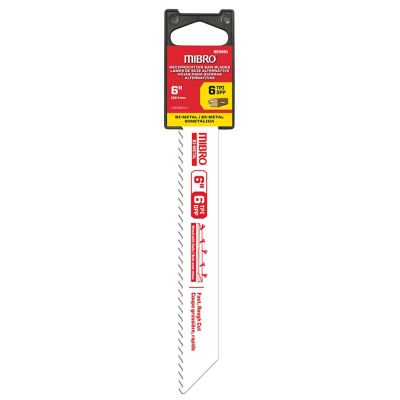
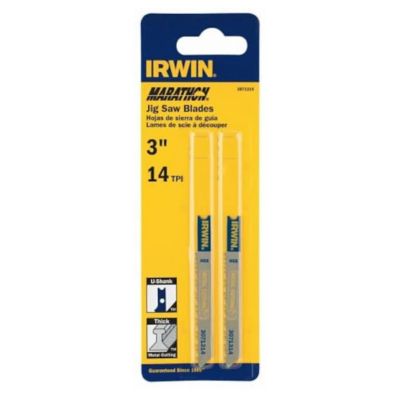
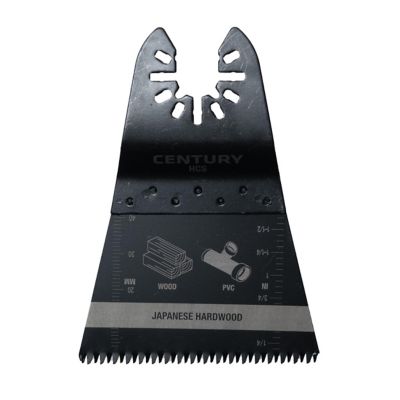
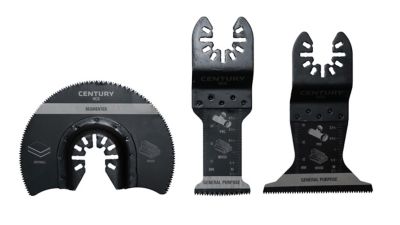
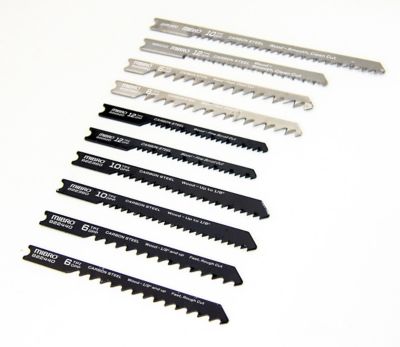
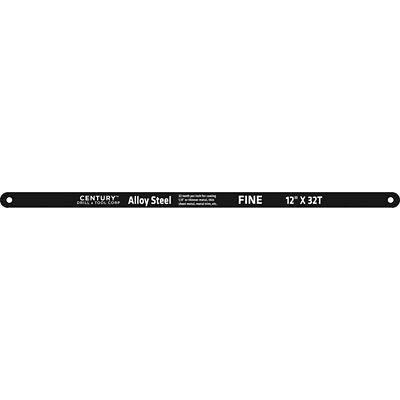
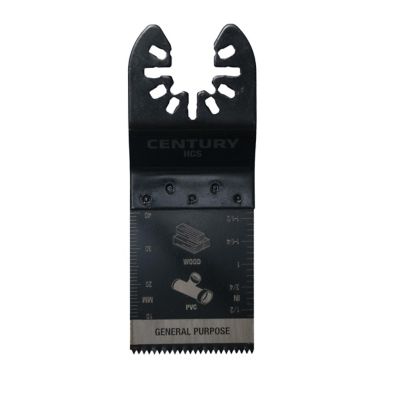
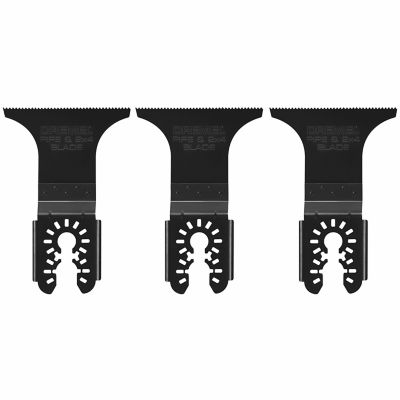
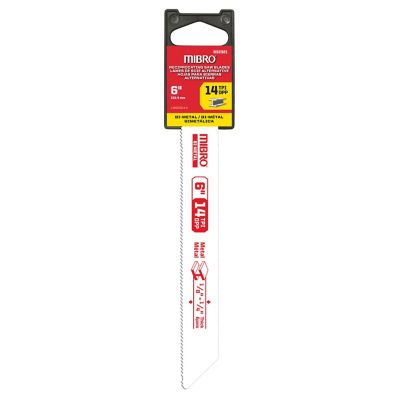
Hacksaw blades for plastic are handy to keep in the shop, barn, garage, or tool box whenever a clean cut is needed on PVC pipe, plastic tubing, conduit, trim, fittings, or other plastic materials. They are useful for everyday repairs as well as larger projects around the property, from adjusting a length of irrigation line to trimming a drainpipe under a sink or cutting plastic parts for a livestock setup. A blade with about 24 teeth per inch (TPI) is a dependable all-around choice for many plastic-cutting jobs. The teeth are fine enough to leave a reasonably smooth edge without being so closely spaced that plastic shavings quickly pack between them. Blades with fewer teeth per inch may grab, chatter, or crack brittle plastic, while very fine blades with 32 TPI or more can fill with shavings and cut slowly. Carbon steel blades are a practical choice for occasional household and farm repairs, while bi-metal blades offer added toughness and flexibility for repeated work or tougher materials. When choosing a replacement, match the blade length and mounting style to the hacksaw frame you already have. Compact frames commonly use short blades for tight spaces, while standard full-size frames generally take longer blades that provide more cutting travel on larger pipe and sheet plastic. Checking the frame before ordering helps ensure the replacement fits securely and makes the job easier from the first stroke.
The kind of plastic and the size of the piece also matter. A hacksaw blade for plastic can work well on PVC water pipe, ABS drainpipe, polyethylene tubing, vinyl trim, plastic conduit, and many other rigid or semi-rigid materials, but thick stock and brittle sheet plastic call for a steady approach. Mark the cut all the way around round pipe when possible so the line stays visible as you work. Secure the material in a vise or clamp, using light pressure or a scrap of wood to help prevent crushing. Start with several gentle strokes to establish a groove, then use smooth, even passes rather than forcing the blade. Let the teeth do the cutting. Pushing too hard can make the blade jump, chip the edge, or bend the material out of shape. Excess friction is another concern because plastic can soften or melt when it gets too hot, leaving a gummy edge that clogs the teeth. A moderate pace and occasional pauses help keep the cut cool, especially on thick pipe or warm workdays. If shavings begin collecting in the blade, back off and clear them with a brush once the material is secure and the tool is stopped. For a cleaner finish, leave a little extra material and smooth the cut edge with a file, deburring tool, or fine sandpaper suited to plastic. Wear eye protection to guard against chips, keep fingers away from the cutting path, and support both sides of a long piece so it does not pinch the blade near the end of the cut. These simple habits are useful whether you are repairing a water line before colder weather, tidying up a workshop project during the cooler months, or making routine improvements around the homestead.
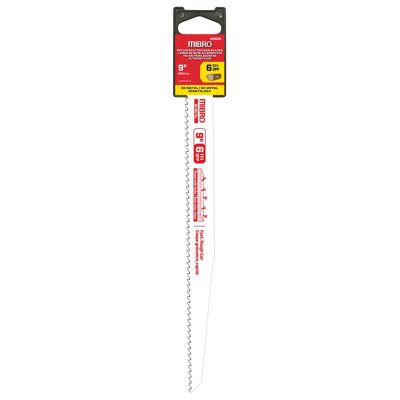
It can be helpful to keep more than one hacksaw blade for plastic on hand, particularly if several people share a workshop or if repair work comes up in different parts of the property. A shorter blade and compact frame are convenient for cramped spaces behind cabinets, inside utility boxes, or between closely spaced pipes. A standard-length blade gives a longer stroke and is usually more comfortable for cutting larger PVC or thicker plastic outdoors. Replacement blades are also a practical addition to a housewarming gift, a first tool kit, or a care package for someone learning to handle basic home and farm repairs. Before buying, consider the frame size, the material thickness, the expected number of cuts, and whether the work will involve flexible tubing or hard, brittle plastic. Look for clearly marked TPI and a sturdy blade that sits straight in the frame without excessive flex. If your projects include both plastic and other materials, keep blades separated and use each one for its intended job; a blade used heavily on metal may become dull and less effective on plastic, while a plastic-shaving-clogged blade will not give the same results on a different task. A dependable hacksaw frame, a few replacement blades, a clamp, and a small deburring tool can cover many basic cutting needs without taking up much room in a drawer or truck box. For jobs that call for a powered tool and a different blade style, browse
Wood Cutting Reciprocating Saw Blades separately, since reciprocating saw blades are made for specific tools and materials. With the right blade, a secure workpiece, and a patient hand, cutting plastic can be a straightforward part of maintaining pipes, fencing components, irrigation systems, shop fixtures, and other everyday equipment.