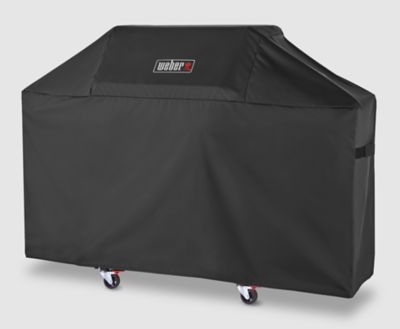
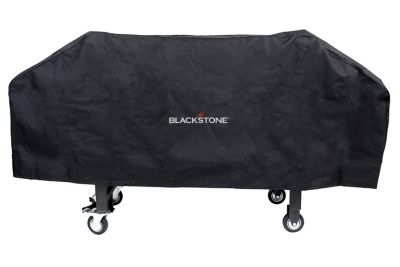
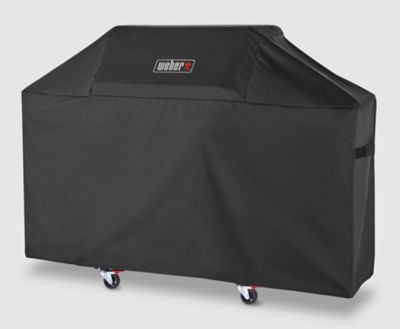
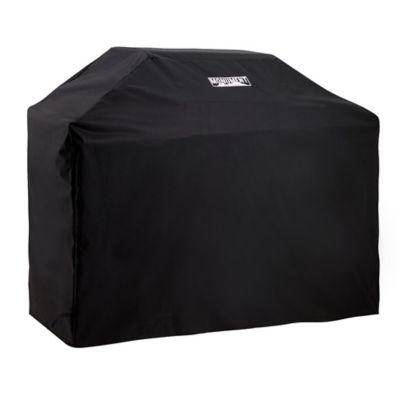
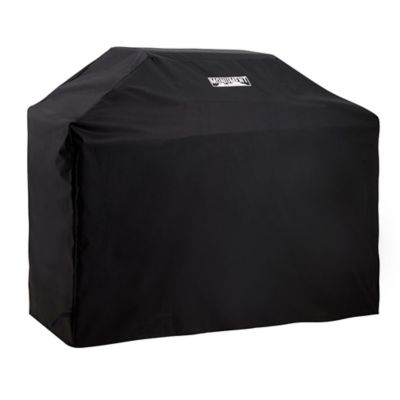
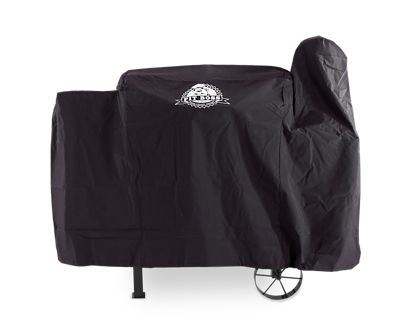
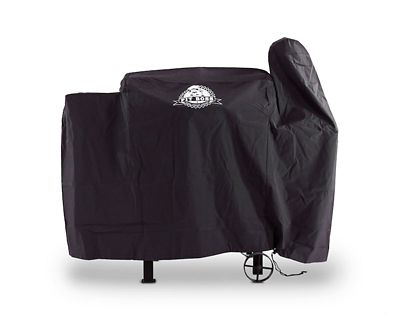
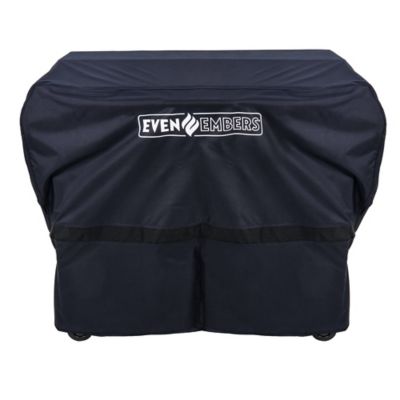
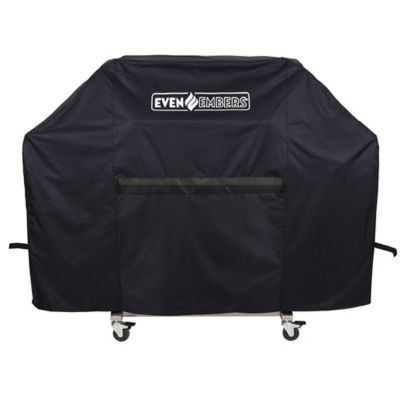
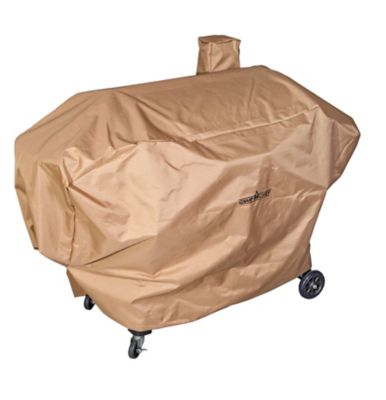
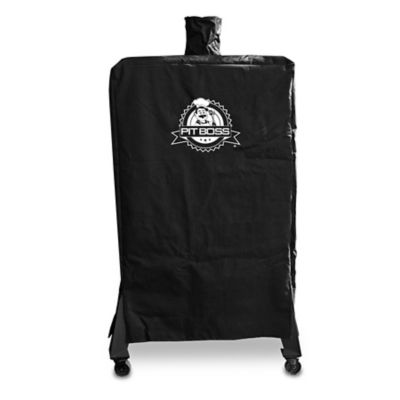
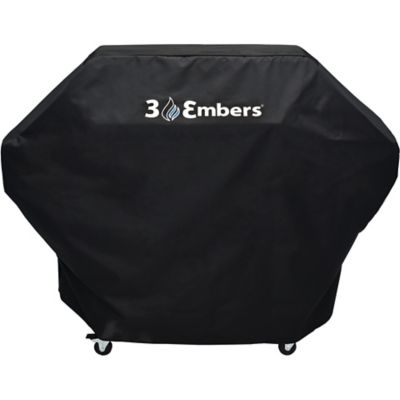
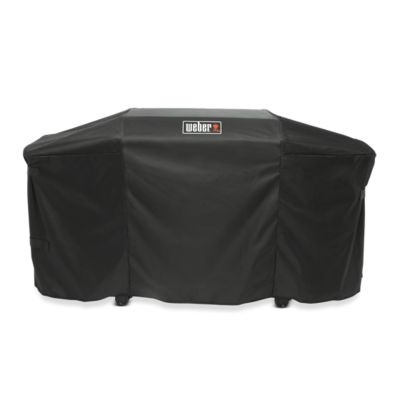
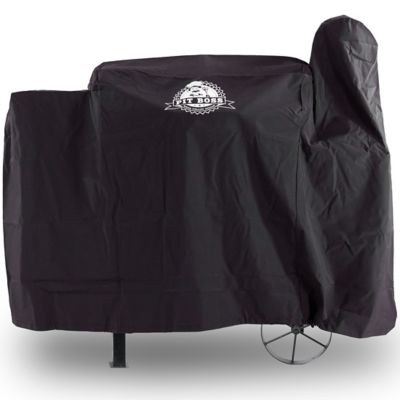
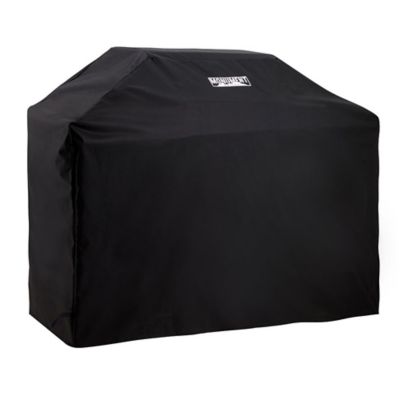
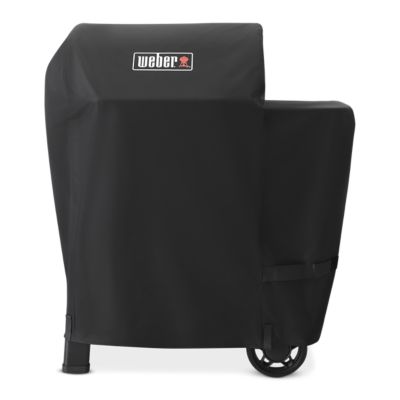
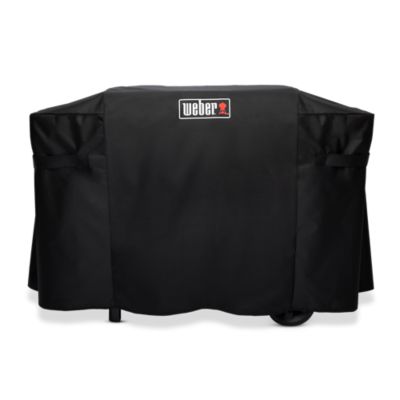
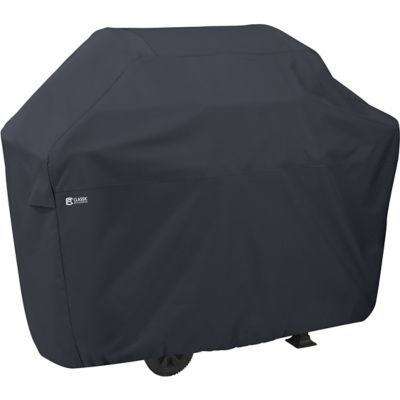
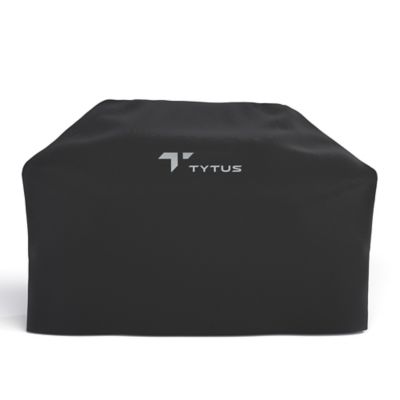
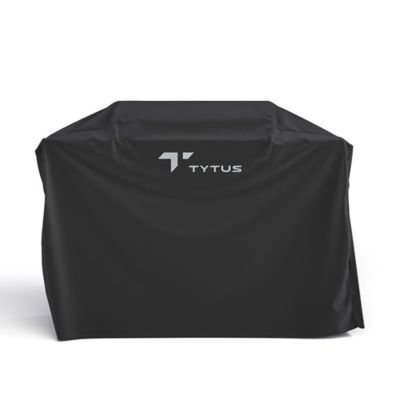
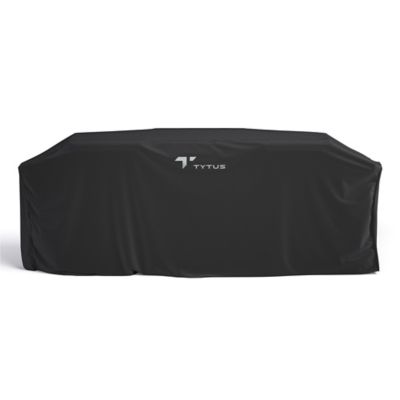
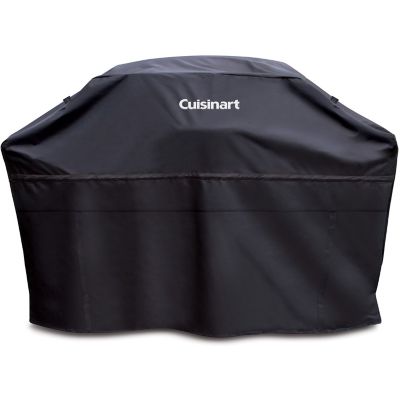
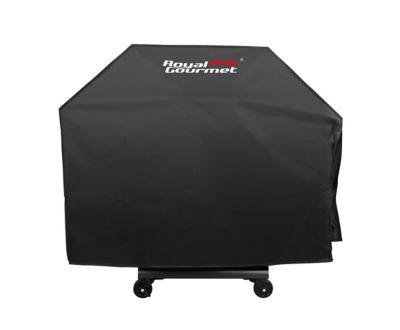
A grill cover helps protect a barbecue from rain, snow, sunlight, dust and debris between cookouts. It adds a barrier over the lid, cooking body and other covered surfaces, helping limit exposure that can contribute to fading, staining and rust. For a grill parked beside a gravel drive, under an open-sided shelter or out on the patio, that protection can mean less dirt and fewer leaves to clear away before supper. The best match depends on the grill’s shape, its storage spot and how often the cover comes on and off. Woven polyester is a common grill cover material, with coatings or backing that help shed water. Ripstop construction adds reinforcing threads that help limit the spread of a small tear, though it does not make the fabric tearproof. Vinyl offers another approach, providing a water-shedding outer surface that generally wipes clean without much fuss. Its flexibility and resistance to cracking depend on the material and construction, so thickness alone does not tell the whole story. Reinforced corners, well-finished seams and sturdy stitching matter where a cover rubs against shelf edges or stretches across the lid. Water-resistant and waterproof are not interchangeable descriptions: a water-resistant cover helps repel moisture, while a waterproof claim should be checked against the manufacturer’s details, including seam construction. Even fabric that blocks water can have openings around stitching or fasteners. Sun-resistant treatments can help slow fading and material breakdown, but no cover stays untouched by years of exposure. A covered porch presents different demands than an open spot beside the barn, where blowing grit and direct sunlight reach the grill throughout the day. Material, seam design and ventilation all work together; none should be judged on its own. A cover should suit the way the grill sits at home, not just look right in a package.
Fit makes a big difference in how a grill cover handles everyday wear. Grill cover measurements generally include width, depth and height, with the grill lid closed and shelves positioned as they will sit during storage. The widest point may be a pair of side shelves or handles rather than the cooking body itself. Depth can include a front handle, control panel or rear hinge, and height should follow the cover manufacturer’s measuring directions. Burner count alone is not enough to establish fit because grills with the same number of burners can have very different footprints. Published cover dimensions and fit notes provide a better comparison than a general size label. A little clearance makes a cover easier to slide over corners, but excessive loose fabric can flap, rub against edges or collect water in folds. A fit that is too tight puts strain on seams and can make every removal a tug-of-war. Round kettle grills, barrel-shaped cookers, upright smokers and wide gas grills each call for a shape that follows their outline without stretching across protruding parts. An offset firebox or tall chimney also changes the space a cover needs to accommodate. Adjustable straps, hook-and-loop tabs, drawcords and buckle closures can take up slack and help hold the lower portion in place when wind picks up. Those closures work best when secured as directed, rather than cinched so hard that the fabric strains. Handles can make a broad cover easier to lift without grabbing at a seam. Built-in vents give trapped moisture a path out and can help reduce billowing, although venting does not guarantee a dry grill underneath. A hem that clears the ground avoids dragging through puddles, mud or gravel and leaves room for airflow where the design calls for it. For a grill that moves between a shed and a cooking spot, a manageable cover is easier to handle than one with lots of excess fabric.
Everyday care helps a grill cover keep doing its job without turning cleanup into a chore. The grill must be completely cool before a cover goes on, with burners off and no hot coals or lingering embers inside. A cover is not a fire blanket, and ordinary cover materials should never touch hot cooking equipment. Once everything has cooled, a clean, dry grill is a better starting point than one with grease streaks, damp ash or food scraps left behind. Moisture trapped beneath a cover can still encourage corrosion, which is why covering the grill does not replace cleaning and routine checks. After a stretch of rain or snow, checking underneath can reveal condensation or water that has found its way through a seam. Leaves and pooled water should not sit on top long enough to weigh down the fabric or strain the stitching. For the cover itself, manufacturer care directions take priority; many materials call for a soft brush or cloth, mild soap and a gentle rinse rather than harsh cleaners or machine washing. Thorough air-drying before folding helps prevent a damp cover from developing mildew in storage. A clean shelf or storage bag keeps the cover off muddy ground while the grill is in action, and turning it inside out across a dirty patio can transfer grit straight onto the lid later. Small checks around corners, straps and seams make it easier to spot rubbing or loose stitching before damage spreads. For help catching grease splatters on a deck or patio,
Grill Mats designed for floor protection handle a different part of the setup. A properly fitted cover can also make a practical gift for someone who cooks outside often, especially when the grill’s dimensions and shape are known beforehand. From a compact cooker beside the back steps to a larger setup for feeding a crowd, a well-matched cover helps keep the grill protected between meals without adding much work to the day.