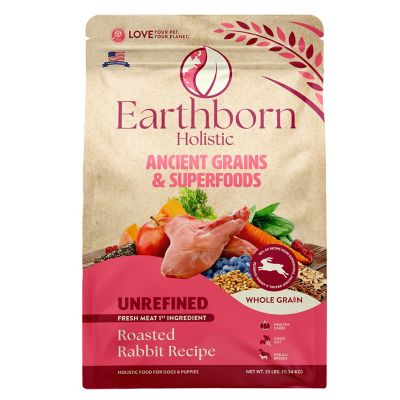
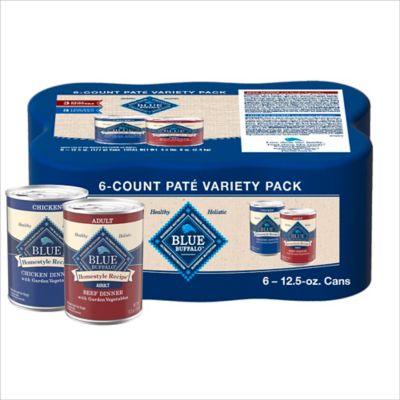
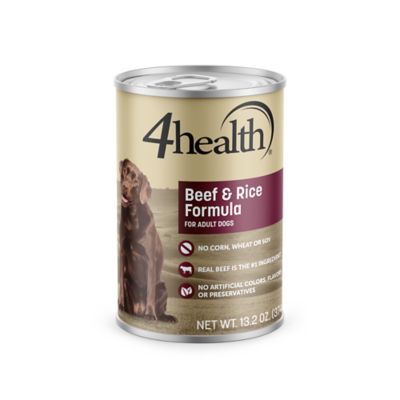
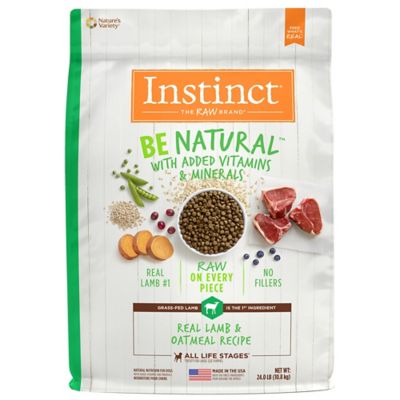
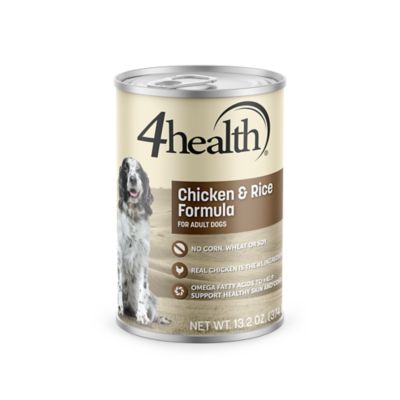
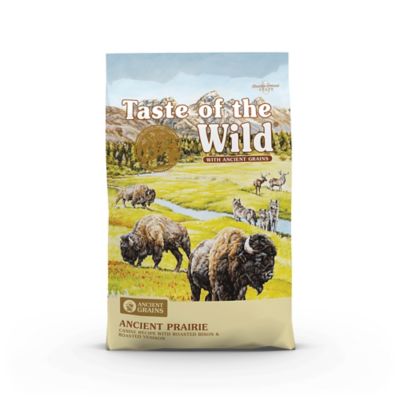
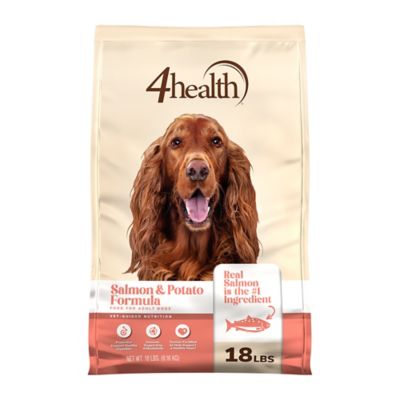
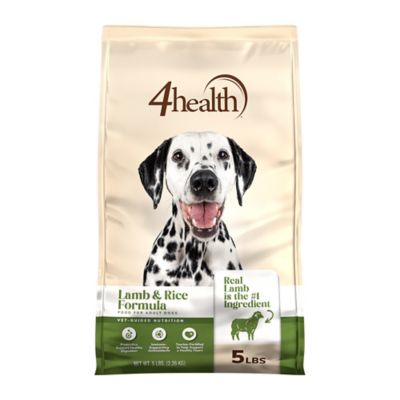
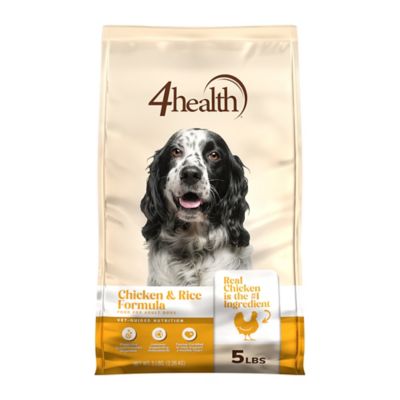
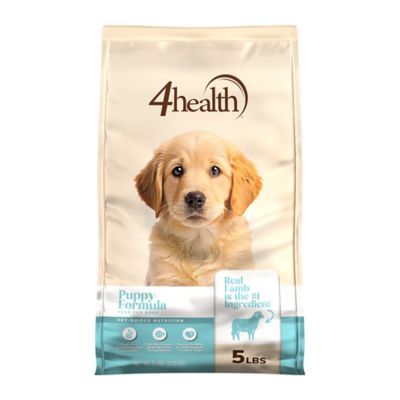
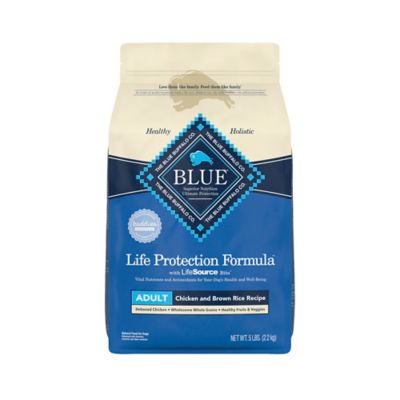
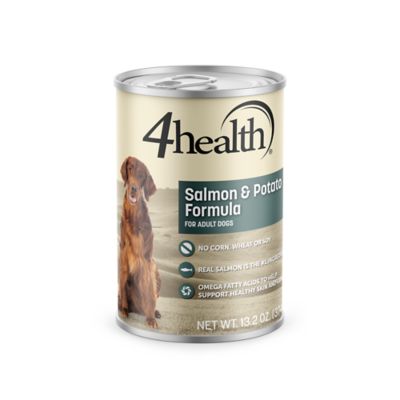
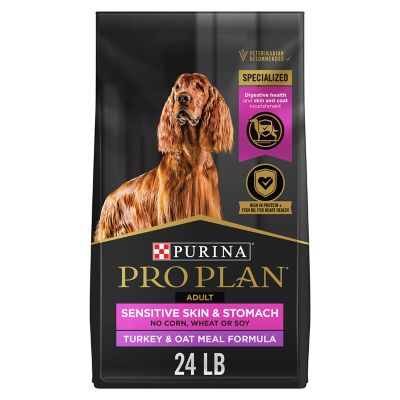
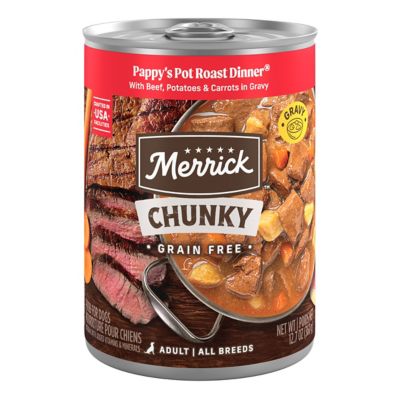
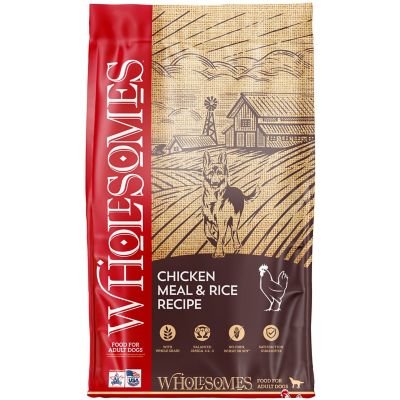
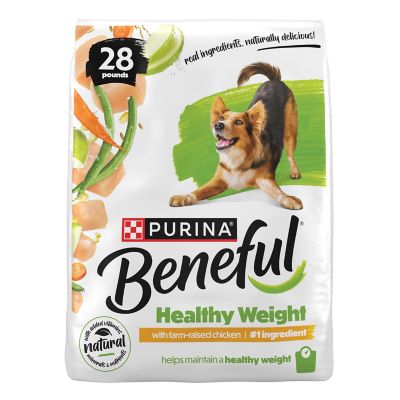
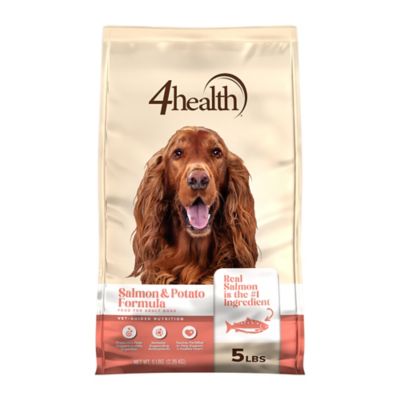
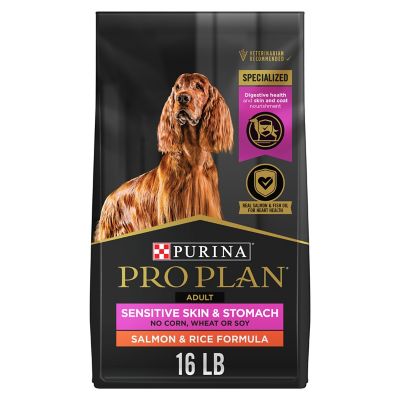
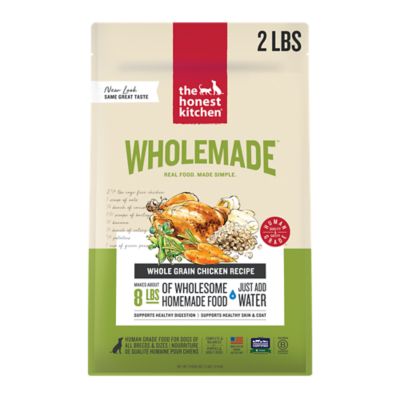
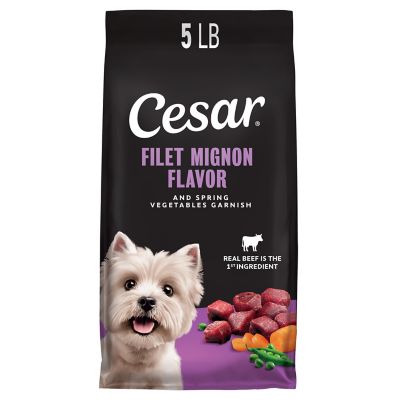
Grain inclusive dog food includes recipes made with grains such as brown rice, oatmeal, barley, millet, quinoa, corn, or other cereal grains. These ingredients can provide carbohydrates for daily activity, fiber to support normal digestion, and useful nutrients when they are part of a complete and balanced recipe. For many dogs, a grain-inclusive diet is a familiar, practical choice that fits easily into a steady feeding routine. A working farm dog covering the fields, a family dog lounging on the porch, and a senior companion taking slower walks may all eat grain-inclusive food, although their calorie and nutrient needs can be different. When comparing bags, look beyond the word “grain” on the front and check the full ingredient list and nutritional adequacy statement. A quality recipe generally pairs a named animal protein, such as chicken, beef, lamb, turkey, fish, or another meat source, with grains and other ingredients selected to meet a dog’s nutritional needs. Whole grains may appear as brown rice, oats, barley, or millet, while other recipes use grains in more processed forms that can still be part of a properly balanced food. The best choice depends on your dog’s age, size, activity level, body condition, and any guidance from your veterinarian. Puppies need food made for growth, while adult and senior dogs may do better with formulas suited to their life stage. Large-breed puppies have especially specific growth needs, and small dogs may benefit from kibble sized for easier chewing. Active dogs that spend their days hiking, herding, hunting, or helping around the property may need more calories than a dog with a quieter indoor routine. Grain inclusive dog food can be a sensible everyday option, but it is not automatically the right fit for every pet. Dogs with a diagnosed allergy, food intolerance, medical condition, or history of digestive trouble may need a limited-ingredient or veterinary-directed diet. Grain allergies are less common than many people assume, and a reaction may be related to a particular protein or another ingredient rather than grains as a group. If your dog develops repeated vomiting, diarrhea, itchy skin, ear problems, or changes in appetite, talk with a veterinarian before making major diet changes.
When shopping for grain inclusive dog food, consider how the recipe matches the way your dog lives. Start with the guaranteed analysis for information about protein, fat, fiber, and moisture, then compare those numbers with your dog’s needs and your veterinarian’s recommendations. Protein helps maintain muscle, while fat supplies concentrated energy and supports healthy skin and a shiny coat. Fiber can help maintain regular stools, though too much or too little may not agree with every dog. Whole grains can offer a steady source of energy and fiber, but the overall recipe matters more than any single ingredient. A well-made food should be formulated to provide the vitamins and minerals dogs need, not simply combine meat and grain in a bowl. Check feeding directions, but treat them as a starting point rather than an exact rule. Two dogs of the same weight can need different amounts based on age, metabolism, activity, and whether they are spayed or neutered. Keep an eye on your dog’s ribs, waist, energy, coat, and stool quality, and adjust portions with professional advice when needed. Fresh, clean water should always be available, especially during hot days, long walks, or hard work outdoors. Store dry food in a cool, dry place with the bag closed tightly or in a clean, food-safe container. Keeping the original packaging nearby is helpful because it includes the lot number and best-by information if you ever need to check details. When changing foods, make the switch gradually over about a week by mixing a small amount of the new food with the old, then increasing the new portion a little at a time. A slow transition can help avoid an upset stomach and gives you a chance to notice how your dog responds. Grain-inclusive recipes may also be useful for households that prefer a traditional food pattern built around meat and grains rather than formulas centered on peas, lentils, potatoes, or other non-grain carbohydrate sources. Grain-free and grain-inclusive foods can both be formulated to meet nutritional standards, so the choice should be based on the individual dog, the complete recipe, and trusted veterinary guidance rather than marketing language alone. If you are comparing feeding options, you can also browse
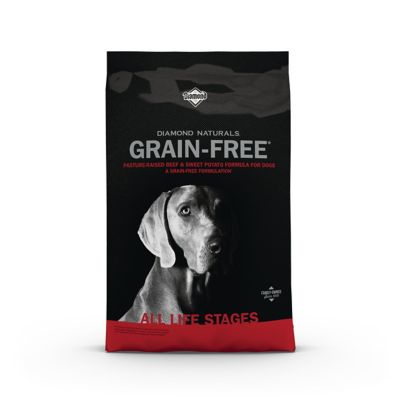
Grain-Free Dog Food to see another category of recipes.
A dependable bag of dog food is a practical addition to any pet-loving household, especially when the pantry needs to stay stocked through busy stretches of travel, outdoor work, school routines, or cooler weather. It can make a thoughtful gift for someone bringing home a new dog when you know the pet’s current diet and life stage, though a gift card, food storage container, measuring scoop, or sturdy bowl may be a safer choice if you do not know the dog’s preferences or dietary restrictions. Puppies and newly adopted dogs often arrive with feeding instructions from a breeder, shelter, or rescue group, and it is usually best to keep that food routine steady at first. Once the dog has settled in, any change can be made gradually. For households with several dogs, look at each pet individually instead of feeding every dog the same portion by habit. The older hound that naps by the woodstove may need fewer calories than the young mixed-breed dog racing along the fence line, even if they share the same water bucket and spend the day together. Measure meals rather than filling the bowl by guesswork, and count treats, table scraps, toppers, and training rewards as part of the daily intake. During warmer weather, watch for spoiled food, insects, and dampness around outdoor feeding areas; during cooler months, keep bags protected from moisture in barns, garages, and mudrooms. Grain inclusive dog food works best as part of a complete routine that includes regular exercise, veterinary checkups, parasite prevention, dental care, and plenty of companionship. Whether you are feeding a gentle house dog, a livestock guardian, or a high-energy trail partner, take time to compare the recipe, bag size, feeding instructions, and storage needs before bringing it home. Choosing a food that suits your dog’s age, body condition, activity, and known sensitivities can help keep mealtimes simple and support the everyday energy your dog brings to the family.