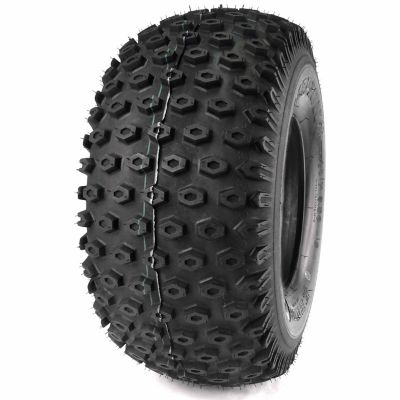
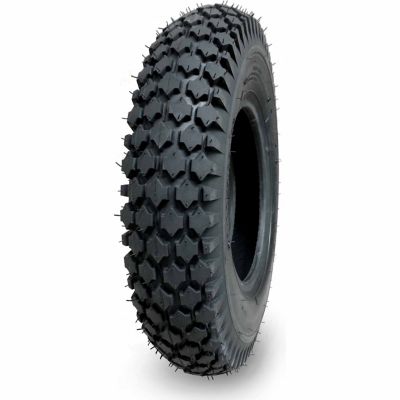
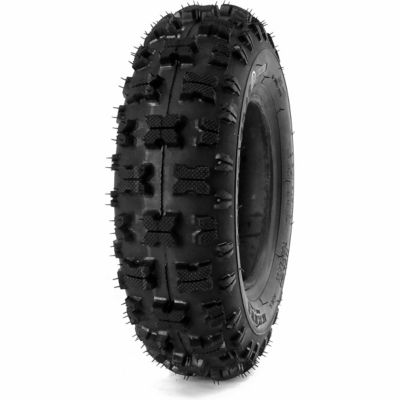
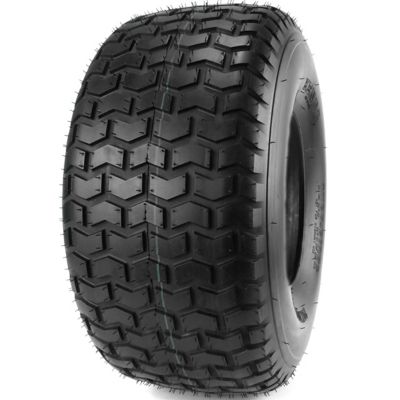
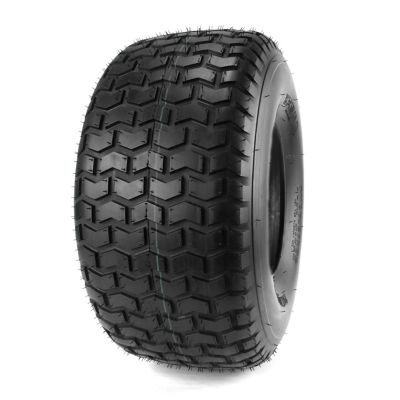
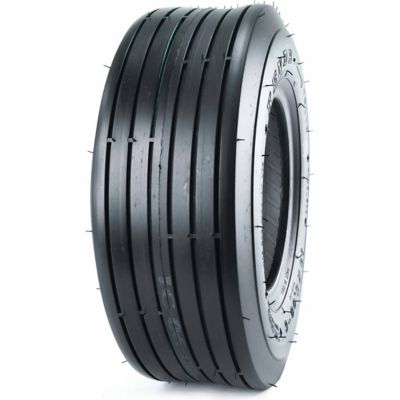
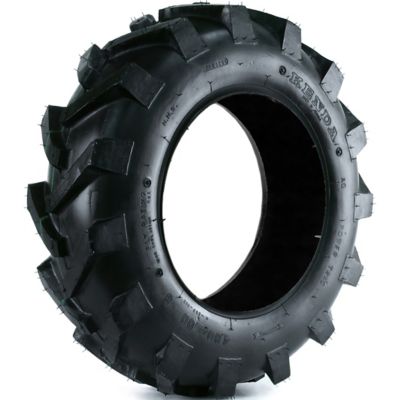
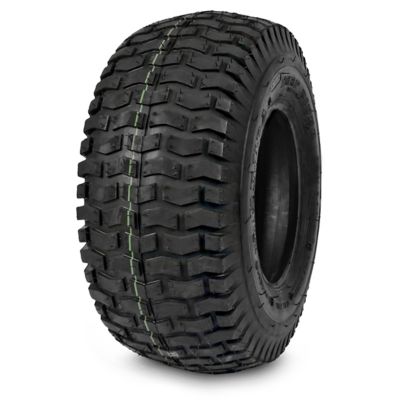
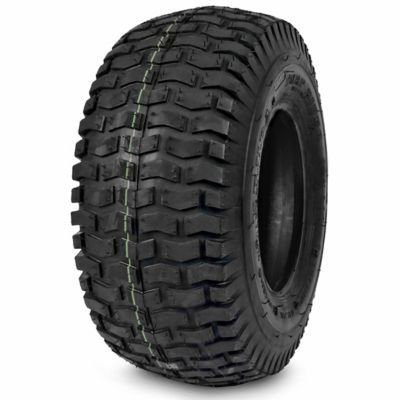
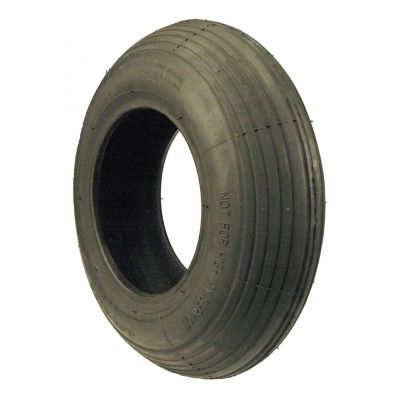
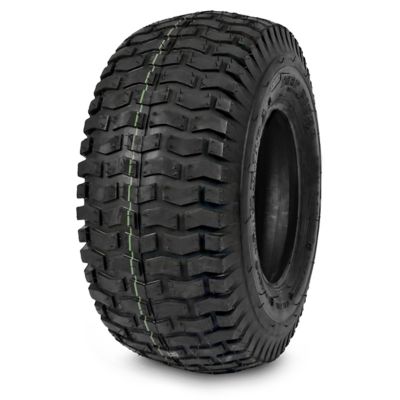
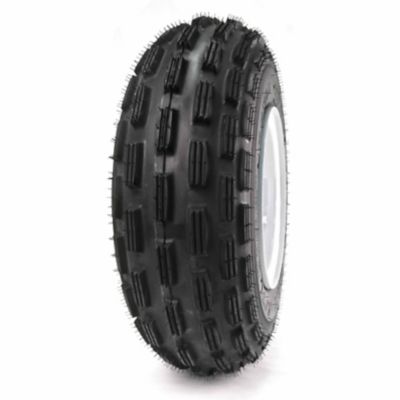
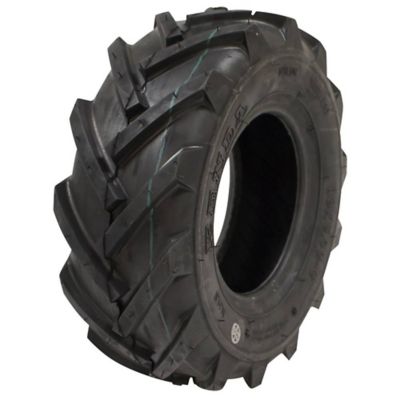
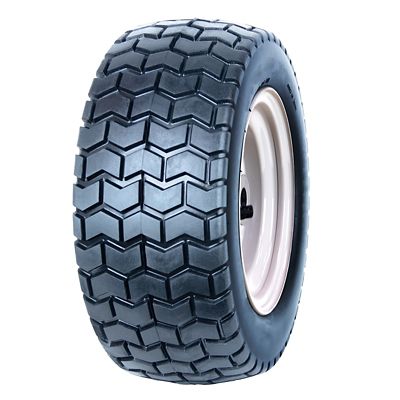
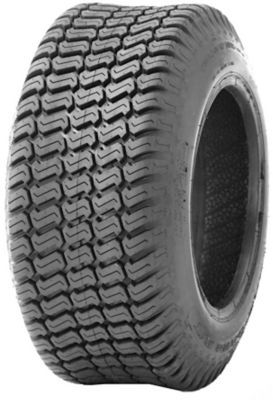
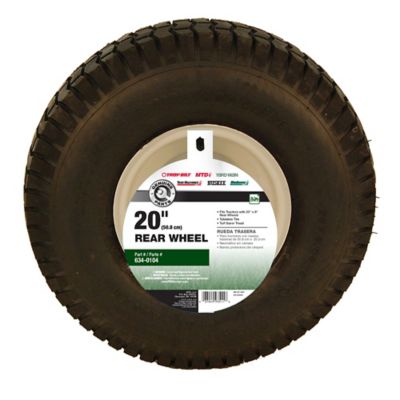
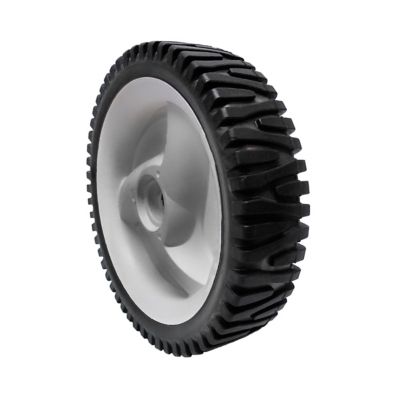
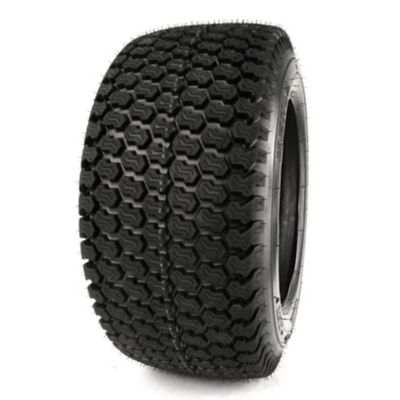
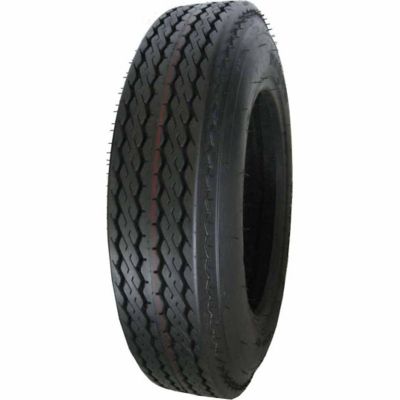
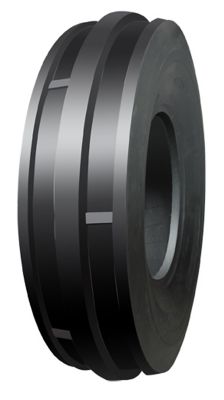
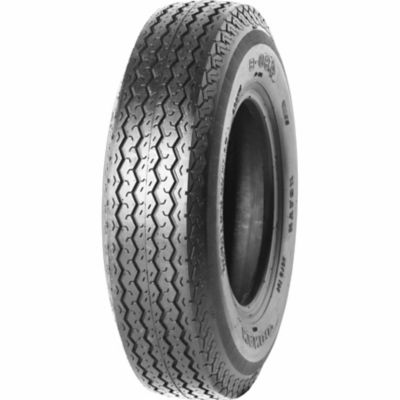
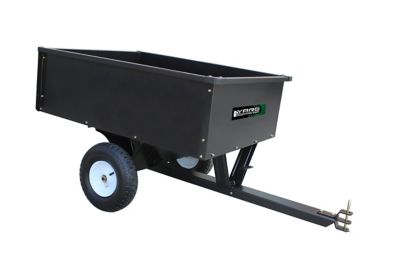
Two-ply tires are light-duty tires commonly fitted to lawn mowers, garden carts, wheelbarrows, and certain small off-road machines when the equipment specifications call for them. Their relatively flexible construction can suit everyday work around a yard, garden, or small acreage, from rolling a cart across the lawn to mowing around fence posts and shade trees. A 2-ply rating describes a tire’s casing strength category, not necessarily the number of reinforcing layers inside it. Modern tire construction varies, so the stated load capacity, inflation requirements, and equipment fit matter more than the ply number alone. These tires generally combine a rubber tread and sidewall with reinforcing cord or fabric that helps the casing hold its shape under pressure. Compared with higher-ply options in a similar size and design, a 2-ply tire may have a lighter, more flexible casing that helps soften the feel of uneven ground. That flexibility can be welcome when a mower crosses shallow ruts or a garden cart travels over a bumpy path, though ride and handling also depend on inflation, tire dimensions, and the machine itself. Tread pattern makes a separate difference. Turf-style tread is designed to provide traction while limiting disturbance to grass, while ribbed or smoother patterns may suit particular steering or cart applications. More pronounced tread can help on loose ground but may leave deeper marks in soft soil. No tread pattern guarantees an untouched lawn, especially during sharp turns or travel over wet grass. For homeowners, gardeners, and folks tending smaller properties, 2-ply tires can fit lighter chores without calling for the construction associated with heavier hauling. Their place is on compatible equipment carrying loads within the tire’s stated limits, not as an automatic replacement for a higher-rated tire. A mower working around a dry yard and a cart hauling firewood over sharp gravel put very different demands on their tires, even if their wheel sizes look much the same.
Fit starts with the full tire size shown on the existing sidewall and the specifications in the equipment manual. Lawn and garden tire markings may describe overall diameter, section width, and rim diameter, but the format varies, and matching just one number is not enough. The replacement must fit the rim’s diameter and approved width, leave the required clearance around the frame and fenders, and meet the equipment manufacturer’s requirements for load, speed, and tire construction. A wider tire is not automatically a better choice for grass, and a taller tire can change clearance, stance, or operation. Front and rear tires may also have different sizes and jobs, particularly on riding mowers where steering and drive traction place different demands on the tread. Tube-type and tubeless designs bring another fit consideration. A tubeless tire needs a compatible rim, sound bead seating surfaces, and a suitable valve to retain air. A tube-type setup needs a correctly sized tube and a rim suited to that arrangement. Neither designation changes the need to inspect the wheel for rust, damage, or a bent edge before mounting. A tire listing may refer to the rubber tire alone rather than a complete wheel assembly, so rim inclusion is worth checking when comparing specifications. Load capacity deserves just as much attention as dimensions. The weight of the machine, operator, attachments, and cargo all contributes to the working load, and that weight does not always spread evenly across every tire. A garden cart carrying a few empty pots is a different proposition from one loaded with damp soil. Likewise, a mower with an attachment may need a different assessment than the same machine without it. A 2-ply rating alone does not establish whether either setup is suitable. Broader tire comparisons, including
Good Tires, can help put the options in context, while the tire specifications and equipment manual remain the deciding references for fit. Tires intended for lawn and garden work should not be treated as highway tires, and any speed or service restrictions still apply even during a short trip.
Everyday performance also depends on the ground under the tires and the care they receive between jobs. On established turf, appropriate inflation and gradual turns help limit scuffing, especially near gates, around trees, and along the same path back to the shed. On rougher ground, flexibility has its limits: thorns, sharp stones, broken wire, and cut stalks can damage a light-duty casing. A higher ply rating may provide greater load capability in comparable tire designs, but puncture resistance also depends on tread thickness, materials, and construction. No ply rating makes a tire puncture-proof. For work that regularly involves heavy loads or abrasive terrain, the equipment’s approved tire options deserve a closer look rather than assuming a 2-ply tire will handle every chore. Inflation is another place where a small detail affects the whole setup. Pressure should follow the equipment and tire manufacturers’ specifications and be checked when the tires are cold, before operation has warmed them. The maximum pressure molded into a sidewall is not necessarily the recommended working pressure for the machine. Too little air can allow excessive sidewall flex, affect steering, and increase the chance of rim or tire damage; too much can make the ride harsher and alter the contact patch. Cooler weather can bring pressure changes, making a check worthwhile before mowing, hauling leaves, or moving supplies around the property. Between jobs, look for cuts, embedded debris, weather cracking, bulges, and repeated air loss rather than judging condition by tread depth alone. A tire with plenty of tread may still need attention if its sidewall or bead is damaged. Keeping tires clear of oil and fuel spills and storing equipment out of prolonged sunlight can help slow deterioration. For seasonal storage, follow the equipment maker’s directions and check pressure and condition before putting the machine back to work. With the right fit and sensible care, 2-ply tires suit the lighter rounds of property upkeep, where manageable loads, suitable terrain, and steady handling matter more than heavy-hauling capability.