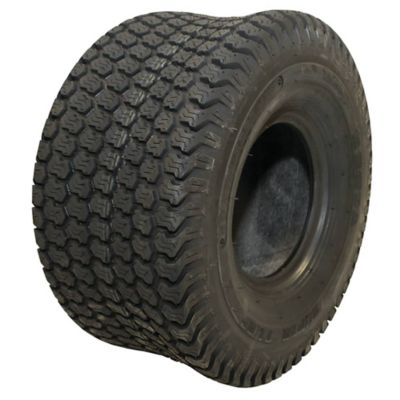
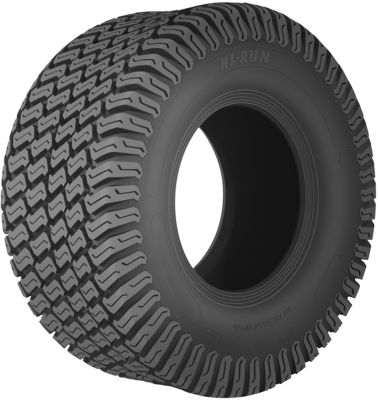
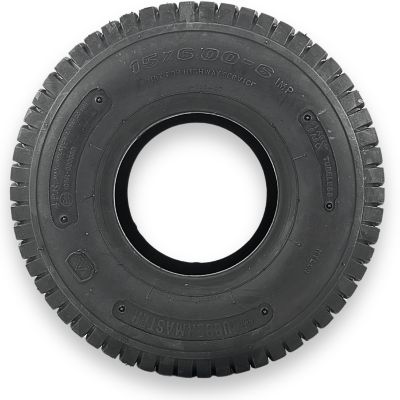
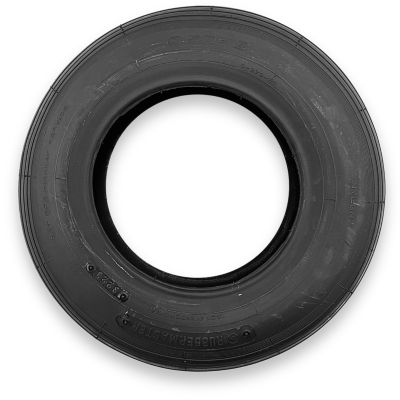
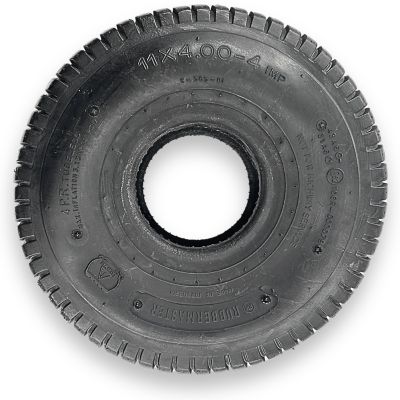
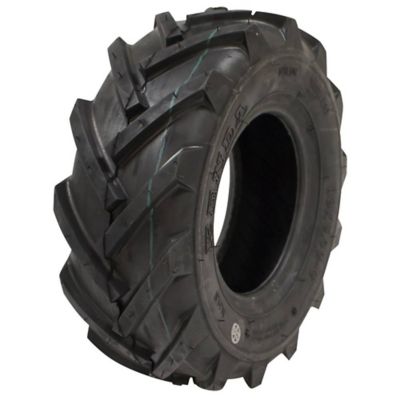
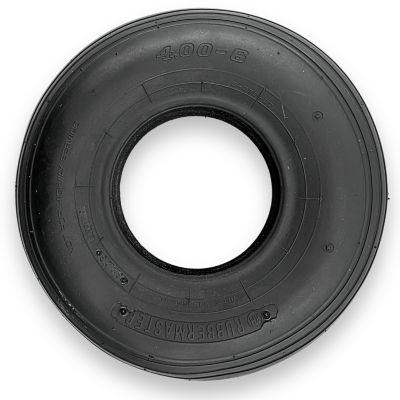
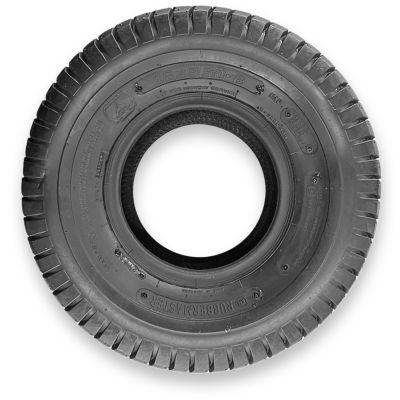
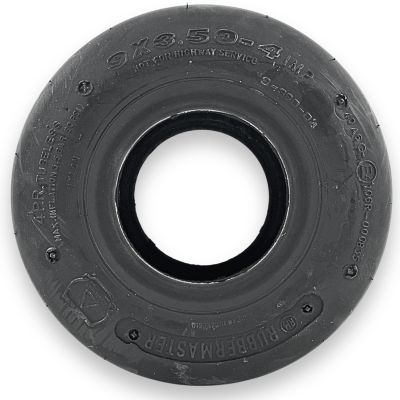
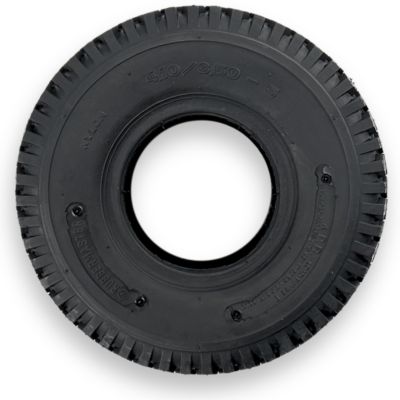
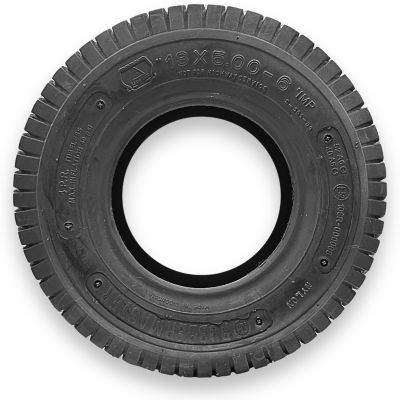
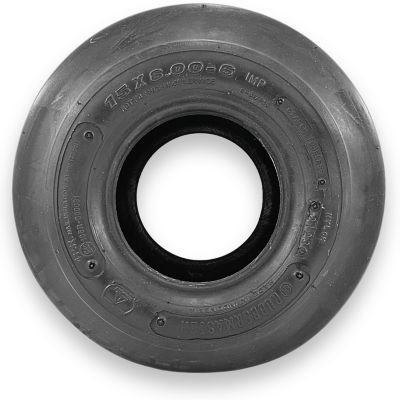
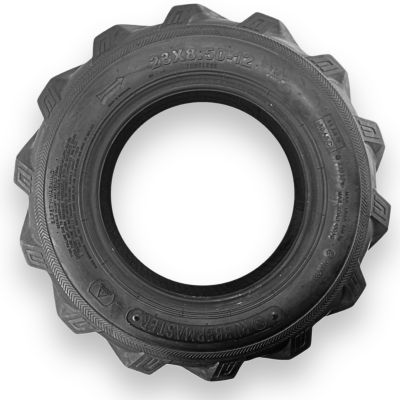
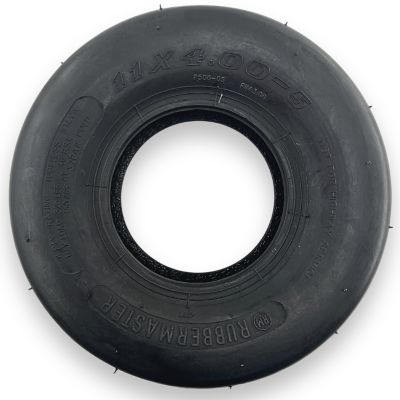
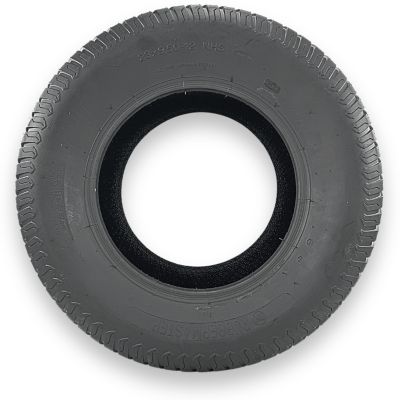
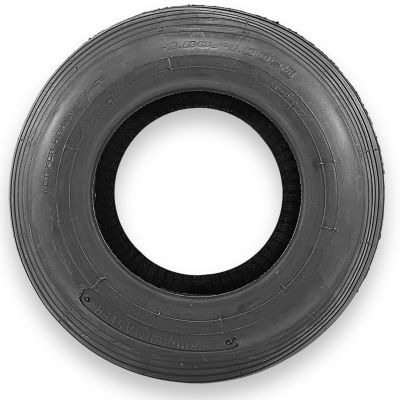
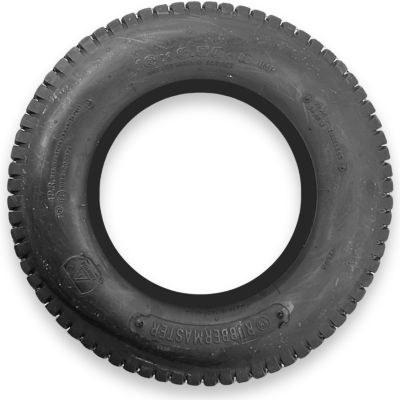
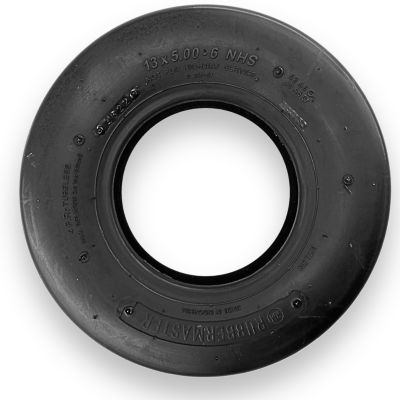
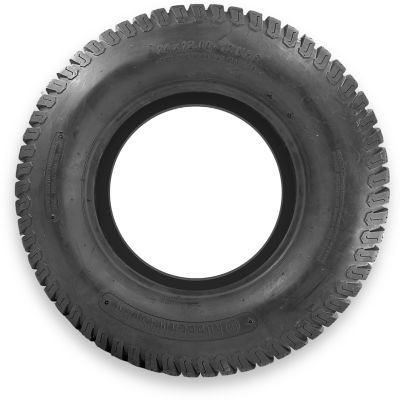
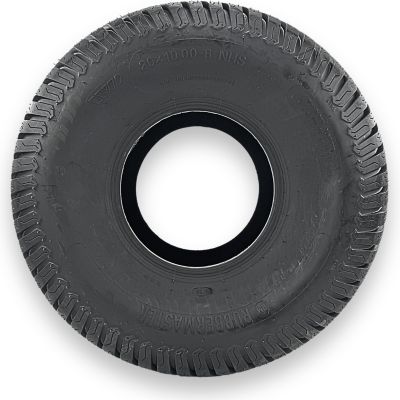
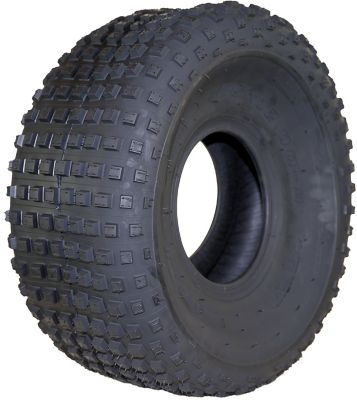
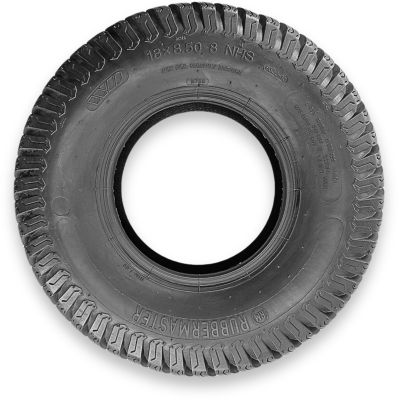
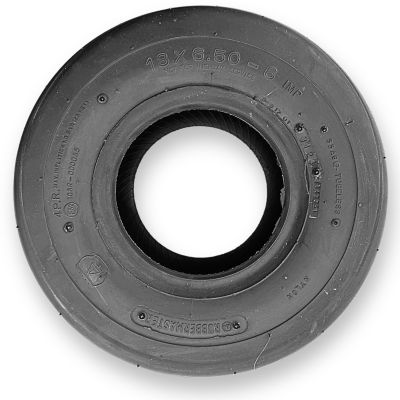
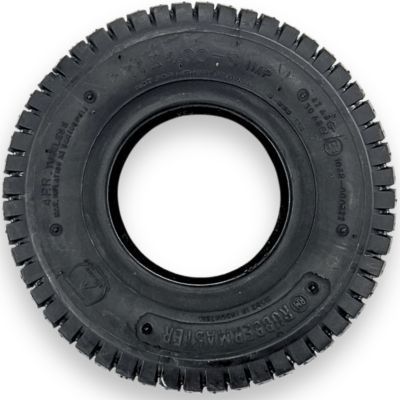
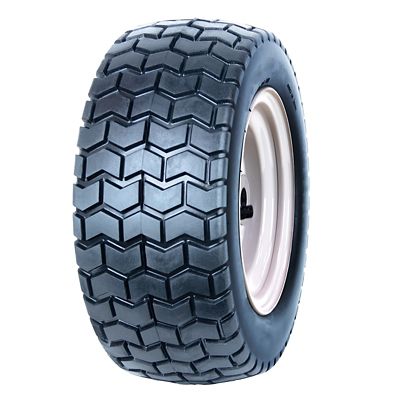
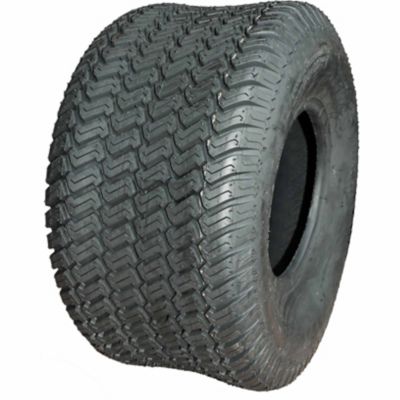
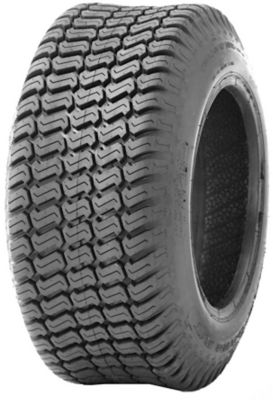
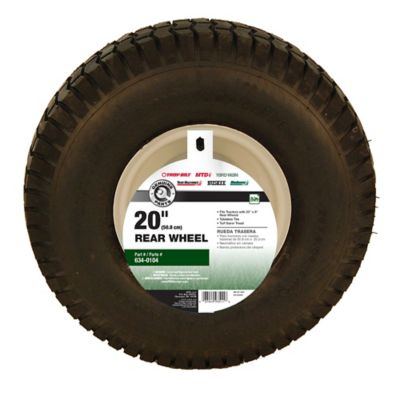
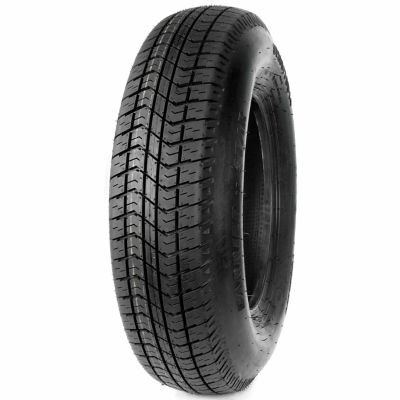
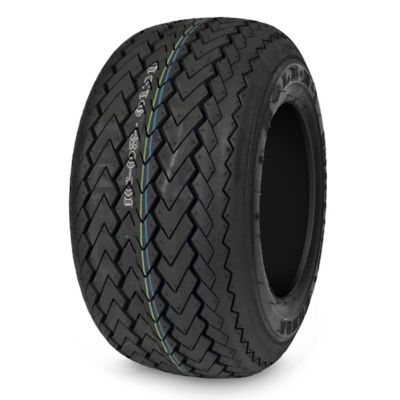
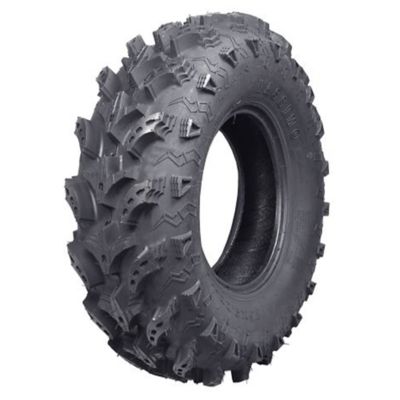
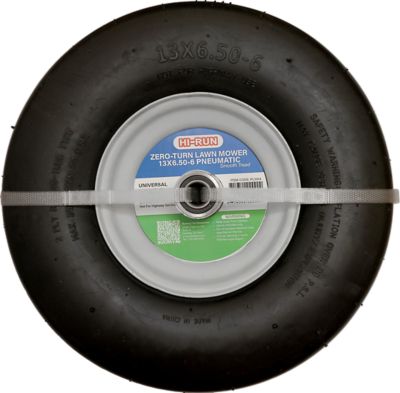
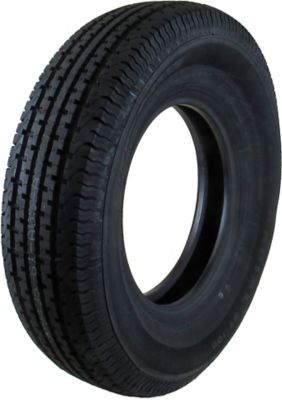
Tires put a machine’s power to work where it counts: against the ground. Whether the job involves mowing around fence posts, pulling a trailer down the road or carrying feed across a barnyard, the right tire helps support the load and gives equipment the footing its work demands. Different jobs call for different tread patterns, casing designs and rubber compounds, so a tire that suits one rig may be a poor match for another. Wide turf tread spreads contact across grass and helps limit marking when paired with sensible driving and gradual turns. Deeper, more open lugs give powered equipment something to grip in loose soil, while ribbed patterns can help certain steering and implement tires track with less resistance. Trailer tires have their own construction and service requirements, with load support and tracking taking priority over the traction needs of a powered wheel. Tires intended for road travel must also meet the speed and service requirements of the vehicle or trailer carrying them. Beneath the tread, rubber works with reinforcing cords and, in some designs, steel belts to help the casing hold its shape under load. Sidewall construction influences how a tire flexes, while tread depth and spacing affect ground contact, soil release and wear. A heavier-looking tread is not automatically the best choice; aggressive lugs can leave marks on a lawn, and a turf pattern cannot provide the same bite in loose ground. Around a small acreage, the difference shows up in everyday work: a mower turning beside the garden needs a different footprint than a tractor pulling an attachment through a field. Matching the tire to those real tasks matters more than choosing by appearance alone. For homeowners, livestock keepers, grounds crews and folks hauling equipment between jobs, tires belong among the working parts that deserve careful consideration before the next load heads out the gate.
Fit starts with more than a tire that looks about the same size as the one coming off the wheel. The size marking identifies key dimensions, but rim diameter, approved rim width, load capacity, speed rating and equipment clearance all have a part in a proper match. Tire size formats vary, especially between road vehicles, trailers and lawn or agricultural equipment, so similar-looking numbers do not always describe interchangeable tires. The equipment manual and tire specifications provide the reference points for sorting out those differences. A larger diameter can change clearance or gearing, and a wider casing may interfere with nearby components even when it mounts on the wheel. On equipment with driven axles, the specified relationship between front and rear rolling circumference can be especially important. Load ratings matter just as much as dimensions. A trailer carrying a compact tractor places different demands on its tires than an empty trailer, and attachments or carried materials can change the weight supported by individual wheels. Tire capacity needs to suit the working load without exceeding the limits of the wheel, axle or equipment itself. For applications that call for the appropriate size and load classification,
4 Ply Tires offer another category to consider. A four-ply rating describes a strength classification rather than a promise of four physical layers inside the tire; actual carrying capacity still depends on the tire’s specifications and inflation requirements. Radial and bias construction also behave differently, so the equipment manufacturer’s recommendations matter when comparing them or planning replacements. Tube-type and tubeless designs require compatible wheels and components, and a replacement tire does not necessarily include a wheel, tube or valve stem. Those details make a difference when a machine needs to get back to work without another trip for missing parts. Road-service designations deserve the same attention: a tire intended only for off-road equipment is not a substitute for one approved for highway travel, even if the dimensions appear to match.
Long tire life depends on the way the tire fits, the work it handles and the care it receives between jobs. Inflation affects the shape of the contact patch, sidewall flex and carrying capacity, making the equipment manufacturer’s pressure guidance an important part of everyday operation. The maximum pressure marked on a sidewall is not automatically the correct operating pressure for every application. Too little air can allow excessive flex, while improper inflation can contribute to uneven wear and poor handling. A quick walk around the rig can reveal problems before a full day of hauling or mowing: a low tire, a cut near the shoulder, exposed cords, a bulge or damage around the valve stem deserves attention. Tread depth tells only part of the story, since a tire with plenty of tread can still have casing damage or signs of aging. Uneven wear may also point to alignment, wheel, bearing or suspension trouble rather than a tread problem alone. Sharp turns under load, dragging a locked wheel and repeatedly scraping against curbs or rough edges can shorten service life. For equipment that sits between jobs, a clean storage area away from direct sunlight, petroleum spills and electric motors that generate ozone helps protect the rubber. Cleaning methods and any tire treatments should follow the tire manufacturer’s recommendations. Mounted tires and wheels also need sound components and proper installation; professional mounting is a sensible choice when the equipment or tire design calls for specialized tools. For the person tending a few acres, that care might mean keeping the mower ready for a long run along the fence line. For someone hauling livestock supplies or equipment, it means paying attention to the loaded trailer rather than judging its tires while it sits empty. Well-matched tires support steady work without asking one tread pattern or construction to handle every task on the place. The useful choice is the one that fits the machine, carries the intended load and suits the ground or road ahead.