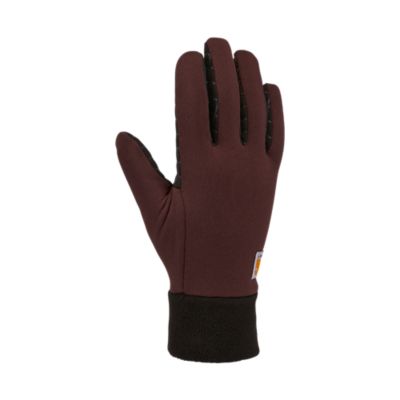
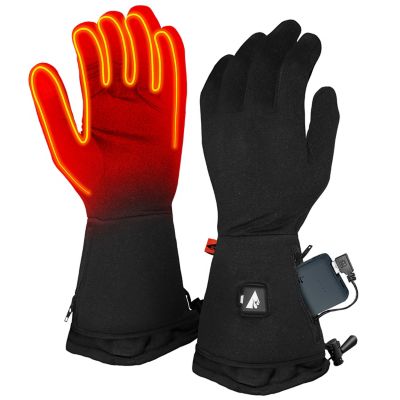
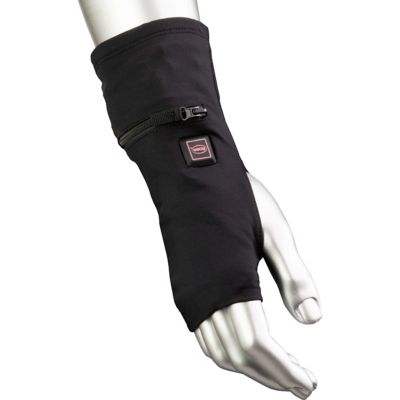
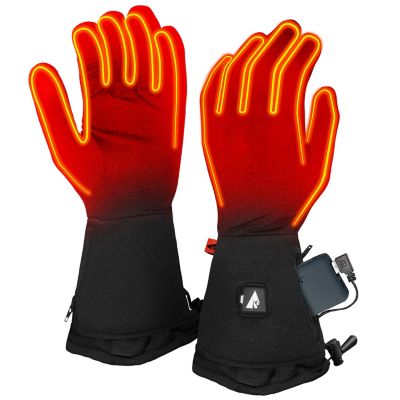
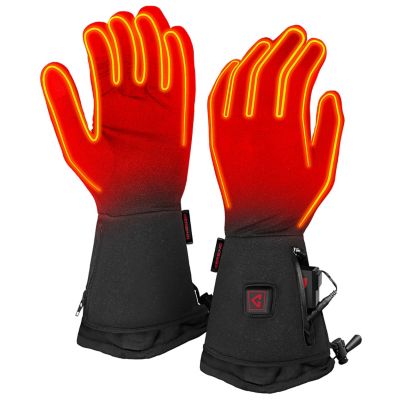
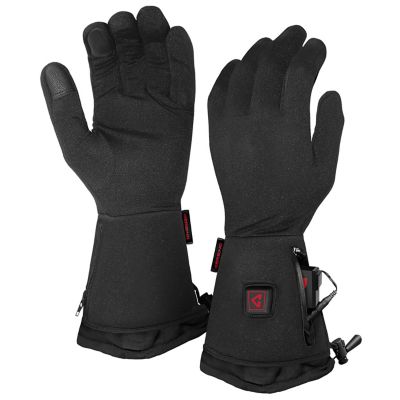
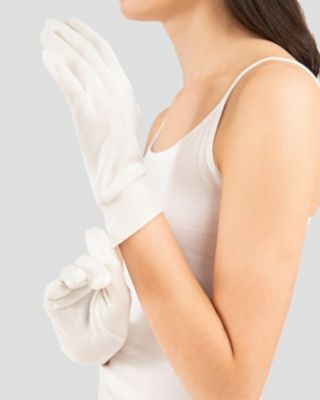
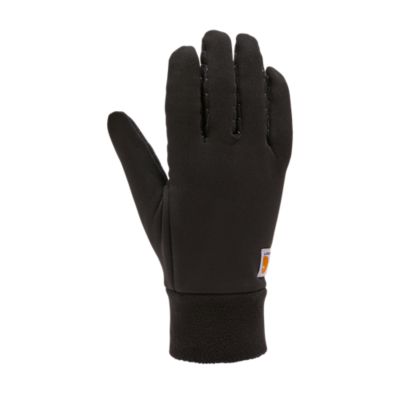
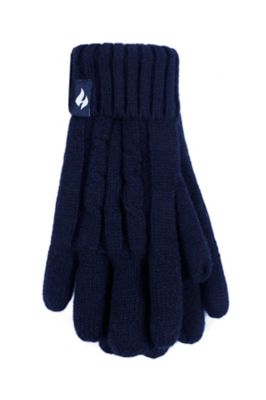
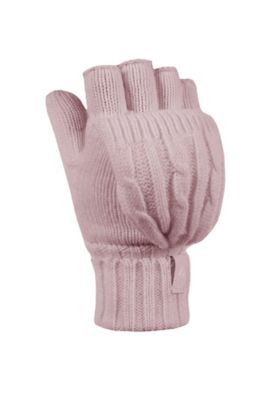
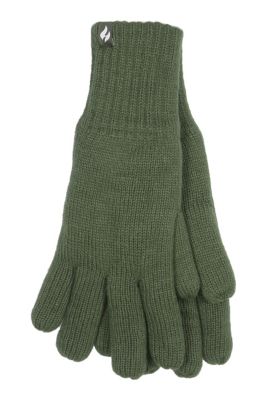
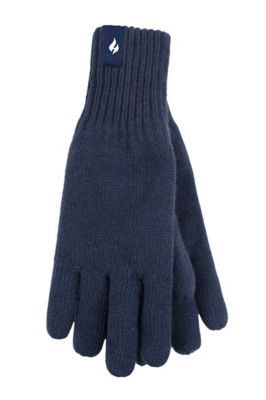
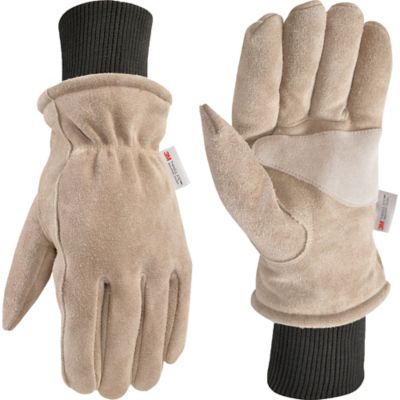
Glove liners for skiing are thin, close-fitting gloves worn inside ski gloves or mittens to add warmth and help manage moisture. They form the layer next to your skin, moving perspiration away from your hands while leaving room for the outer glove’s insulation to do its job. That combination matters on days when a brisk run down the hill gives way to a slow, windy chairlift ride. Hands can heat up while gripping poles, then cool quickly once you stop moving, especially if the fabric against your skin is damp. A well-matched liner helps smooth out those changes without making your grip feel clumsy. For skiers who spend plenty of time outdoors already, the principle is familiar: layering your hands works much like layering for a frosty morning checking fences or hauling feed. Each layer has a job, and more thickness isn’t always the answer. Merino wool liners offer warmth, moisture management, and natural odor resistance, making them worth considering for long days and repeated wear. Polyester and polypropylene liners generally absorb little water and dry quickly, which can suit active skiers whose hands tend to sweat. Stretch fibers in either type help the fabric follow the fingers without bunching. Silk liners provide a smooth, very thin layer where space inside the outer glove is limited, though they need gentler handling around rough surfaces and hook-and-loop closures. Lightweight fleece brings a soft feel and extra insulation, but it takes up more room than a fine-knit liner. No single fabric is the best match for every skier. The right choice depends on how warm your hands run, how hard you ski, and how much space your outer gloves allow. Through the cooler months, a liner that feels comfortable from the first buckle adjustment to the last pole plant can be a welcome part of a cold-weather setup.
Fit is one of the biggest purchase considerations for ski glove liners because a tight layering system can work against warmth. The liner should rest close to the skin, with fingers that reach comfortably into each opening and seams that don’t press into fingertips. Excess fabric can fold under the palm, while short fingers can tug across the knuckles every time you make a fist. Once the outer glove or mitten goes on, there should still be enough room to bend your fingers and hold a pole without squeezing your hand. Compression can flatten insulation, and overly tight gloves may restrict circulation. Checking the maker’s size chart, including hand circumference and finger length when provided, is more useful than assuming every liner fits like an everyday work glove. Thickness deserves the same attention. A thin liner often pairs well with an already insulated ski glove, while a slightly warmer liner may fit comfortably inside a roomy mitten. Mittens let fingers share warmth, and a fingered liner underneath provides some coverage when the mitten comes off briefly. Picture the stop beside the trail when a zipper needs straightening or a goggle strap needs a quick adjustment: having fabric between your fingers and the cold is much nicer than working barehanded. Touchscreen-compatible fingertips may also help with checking a trail map or sending a short message, although response varies with the liner, fit, screen, and conditions. Grip details on the palm can help with small tasks, but raised patterns and thick seams may feel awkward inside a snug outer glove. Cuff length matters, too. A longer cuff can cover the gap at the wrist, provided it fits smoothly beneath the outer glove and jacket sleeve. When matching liners with an outer pair,
Warm Gloves For Women offers another place to consider hand coverage, with attention to sizing, insulation, and weather protection for the activity.
Glove liners suit a wide range of skiers, from someone learning on gentle slopes to the person who would happily stay out until the lifts close. Resort skiers may favor a soft insulating layer for cold rides uphill, while cross-country skiers often put greater emphasis on breathability and fast drying because steady movement generates more heat. People whose fingers chill easily may appreciate the added layer, but liners are not a substitute for properly insulated outer gloves in severe cold. Most thin liners also offer little protection from wind or wet snow on their own. A wind-resistant liner can provide more coverage during brief tasks, though that feature may change how freely heat and moisture escape. Waterproof protection generally comes from the outer glove or mitten unless the liner specifically includes it. Moisture-wicking fabric helps move sweat; it does not make a glove waterproof or keep hands dry under every condition. This distinction is useful when choosing a pair for wet snow, frequent falls, or a full day outside. A spare set tucked into a dry pocket gives you a fresh layer if the first becomes sweaty or snow gets inside a cuff. After skiing, separating the liners from the outer gloves lets both layers air out more freely. Care labels should set the washing and drying routine, especially for wool and silk, and direct heat can damage some fabrics or affect fit. Liners can also make a practical gift for a skier, snowboarder, or winter traveler when you know their hand size and the kind of outer gloves they wear. Comfort details such as flat seams, a soft wrist opening, and easy finger movement often matter more over a long day than an extra feature on the package. Beyond the slopes, the same lightweight layer can come in handy beneath roomy gloves for cold walks, outdoor chores, and clearing snow. The appeal is straightforward: a little added warmth, better moisture management, and fewer moments with bare fingers in biting air.