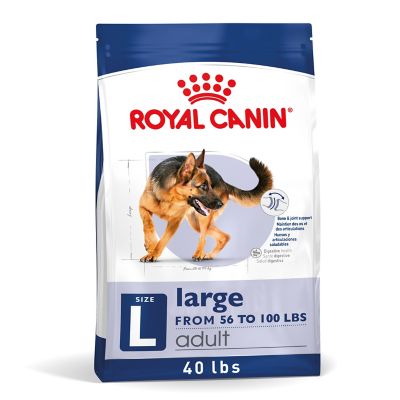
A gentle giant may take up half the mudroom, but choosing that dog’s food comes down to more than body size. Age, activity, body condition, and individual needs all help determine what belongs in the bowl. A dog that follows along for chores may need a different daily portion than one content to watch from the porch, even when both weigh about the same. Complete and balanced dog food supplies the nutrients needed for the life stage named on its nutritional adequacy statement. That statement is worth reading closely because terms such as adult maintenance and all life stages mean different things. An all-life-stages nutritional adequacy statement indicates that a food meets requirements for growth and reproduction as well as adult maintenance; it does not mean every dog needs the same serving. For a household with dogs of different ages, that distinction matters just as much as the flavor or bag size. Large-breed puppies need particular attention while their bones and joints develop. The label should specifically state that the food supports growth of large-size dogs, meaning dogs expected to weigh 70 pounds or more as adults. Some all-life-stages foods exclude that growth category, so the words on the front of the package do not tell the whole story. The
Large Breed Dog Food category provides another way to explore food centered on bigger dogs and their nutritional needs. Size-focused food is not automatically the right match for every large dog, though, and a veterinarian can help sort out life-stage requirements, weight concerns, or medical needs. For smaller dogs sharing the same home, calorie needs and bite size deserve their own consideration. Feeding several dogs from one type of food can simplify the routine when its nutritional statement fits each dog, but individual portions still matter. A growing youngster, a mature companion, and an older dog should not all receive matching scoops simply because they eat from the same bag.
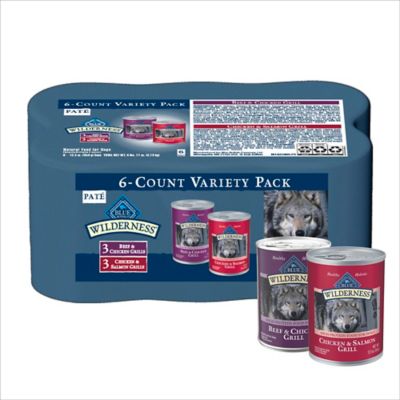
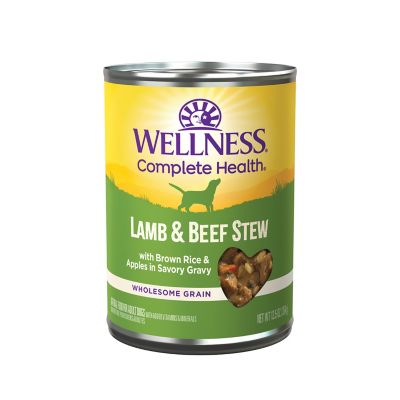
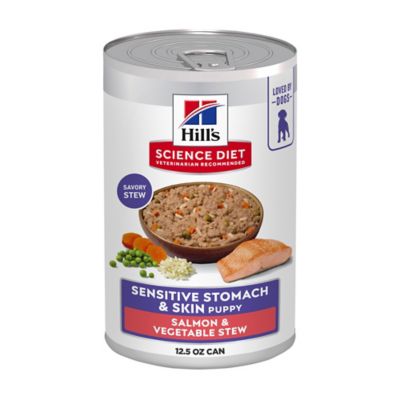
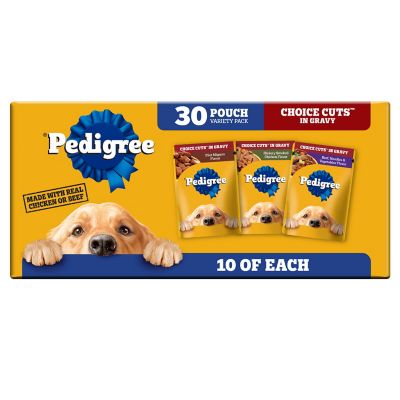
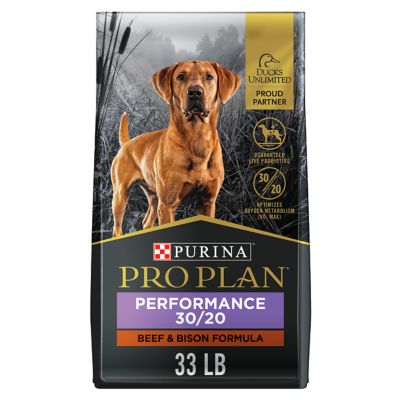
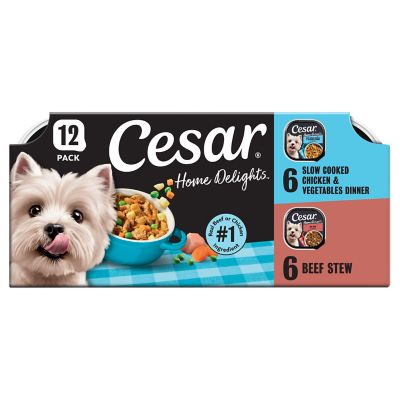
Ingredients, food texture, and calorie density give a clearer picture of how dog food fits everyday feeding. Protein provides amino acids that support muscles and other body tissues, while fats supply energy and essential fatty acids. Carbohydrate ingredients can contribute energy, and sources of fiber help support normal stool formation. Vitamins and minerals round out the formula, with the balance among nutrients carrying more weight than any one ingredient’s position on the label. An ingredient list names what goes into the food, but it cannot show digestibility or establish nutritional suitability by itself. Likewise, a longer list is not automatically better than a shorter one, and a familiar-sounding ingredient does not guarantee a better match for a particular dog. The guaranteed analysis, nutritional adequacy statement, and calorie information work together to make comparisons more meaningful. Dry kibble offers a convenient way to measure meals and keep portions consistent. Its shape and size can affect how easily a dog picks it up and chews it, especially when a broad-muzzled adult and a smaller companion eat nearby. Wet food contributes more moisture and has a softer texture, which may suit some dogs’ preferences or feeding needs. Mixing food types can also fit a routine, provided their combined calories are counted rather than treating the second food as a free extra. A generous scoop can look reasonable in a large bowl while still delivering more energy than expected. Measuring by weight with a kitchen scale can make portions more consistent than estimating by eye, particularly with calorie-dense food. Treats, table scraps, and edible chews also count toward the daily total; keeping extras to no more than about 10 percent of daily calories helps leave room for balanced meals. Dogs with suspected food reactions or diagnosed health conditions need a veterinarian’s input rather than a decision based only on a package claim or a change in protein source.
The right food also needs to fit the household’s pace, storage space, and feeding setup. A big bag may make sense for several dogs, while a smaller package may be easier for a single small dog to finish within the manufacturer’s recommended period after opening. Package size is a matter of how much the household feeds, not simply how large the dog looks standing beside the bowl. Keeping dry food in its original bag inside a clean, tightly closed container helps protect it from moisture, pests, and curious noses while preserving the lot number and best-by information. A dry indoor spot away from direct sunlight is a better home for food than an open sack beside the barn door. Storage containers need washing and thorough drying between bags so crumbs and old fats do not collect beneath fresh food. Opened wet food should be covered, refrigerated, and handled according to its label, and anything left in a bowl needs prompt attention rather than sitting out for the next meal. Clean bowls and fresh drinking water belong alongside every feeding routine, whether meals happen in the kitchen, utility room, or a quiet corner away from household traffic. Separate feeding spots can help a slow eater finish without another dog nosing into the bowl, and they make it easier to notice changes in appetite. When introducing a different food, a gradual transition over about seven to ten days is often easier on digestion, unless a veterinarian recommends another approach. Starting with a small amount alongside the familiar food and increasing it gradually also gives the household time to watch how the dog responds. Feeding directions provide a starting point, with portions adjusted around body condition and veterinary guidance rather than appetite alone. A dog eagerly licking an empty bowl has not necessarily missed a meal. A steady routine, measured portions, and food matched to the individual help keep daily feeding straightforward, from the smallest farm companion to the gentle giant stretched across the doorway.