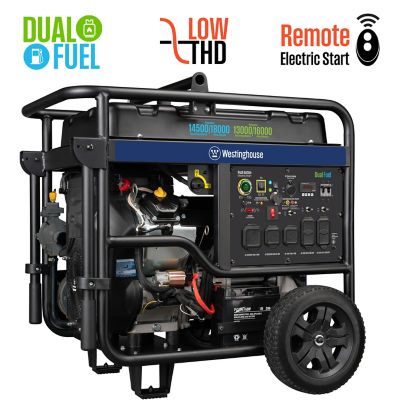
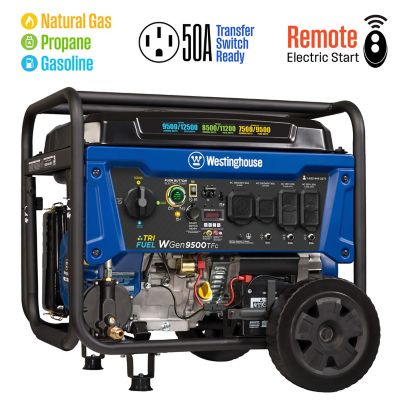
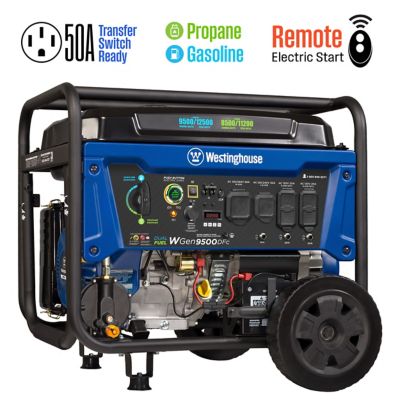
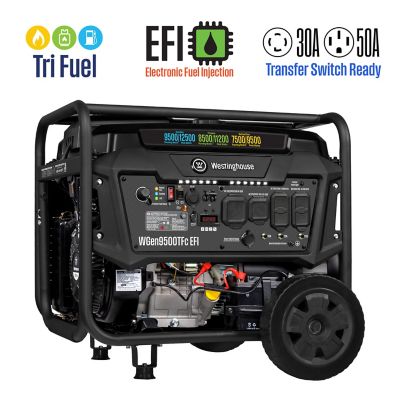
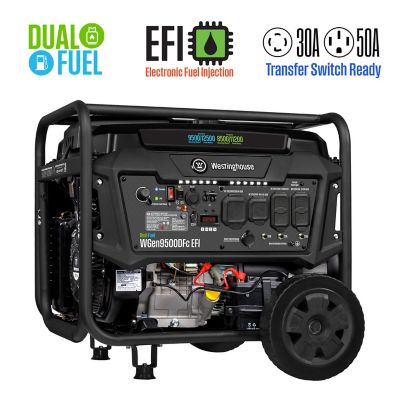
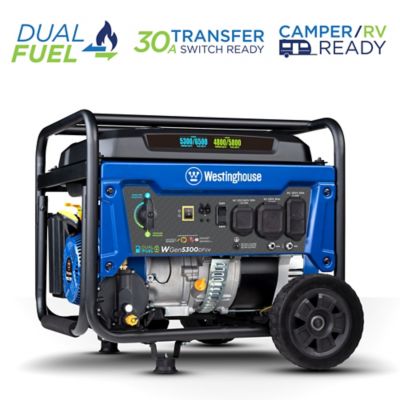
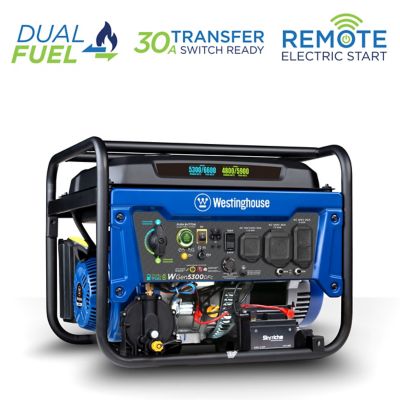
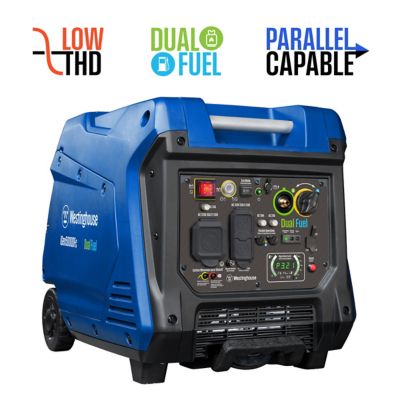
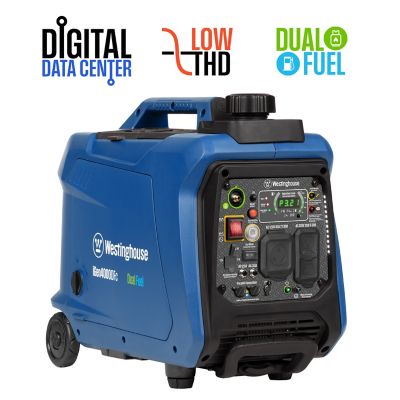
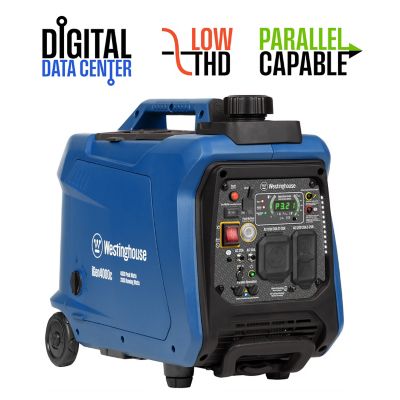
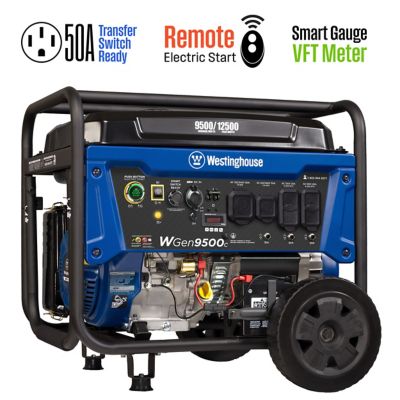
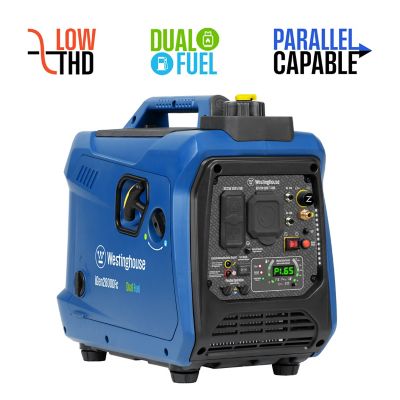
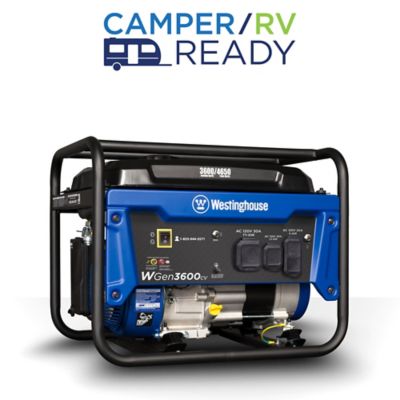
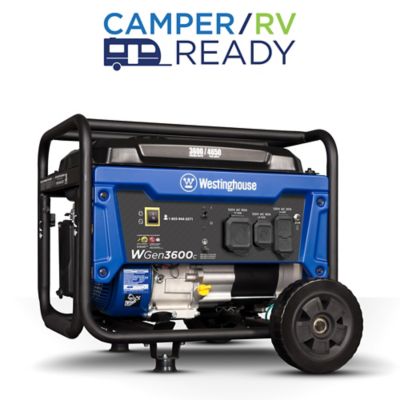
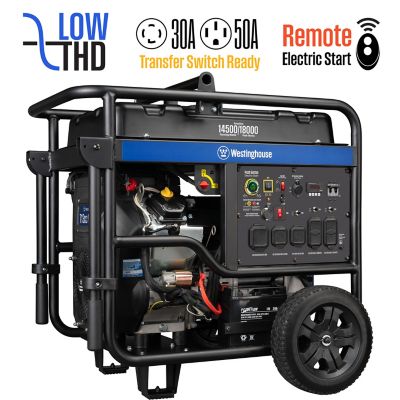
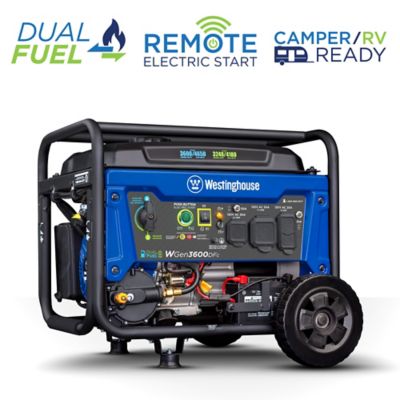
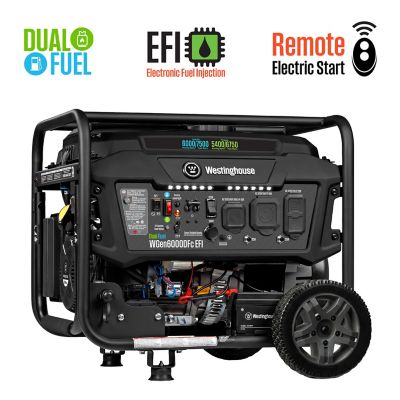
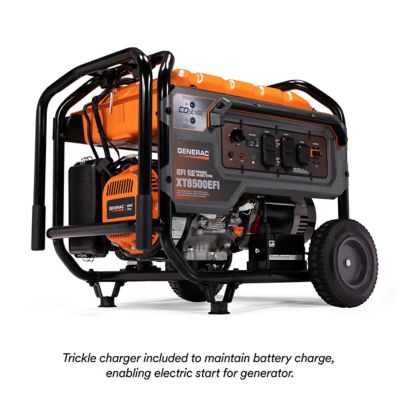
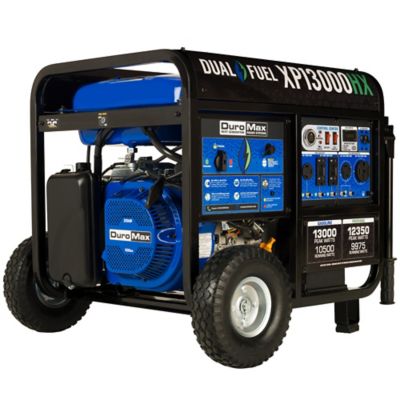
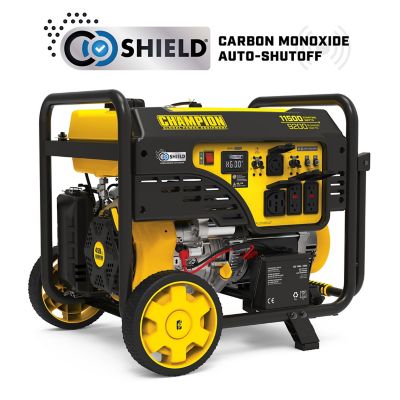
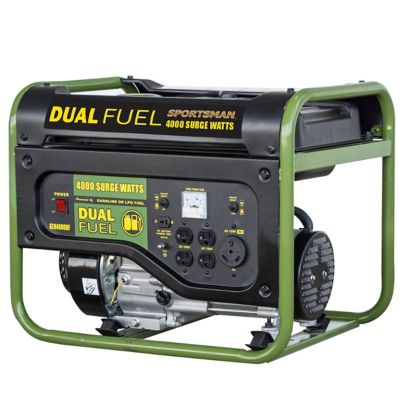
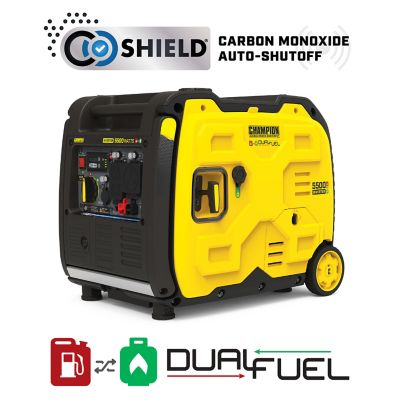
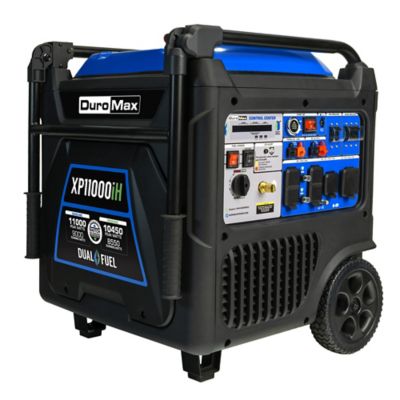
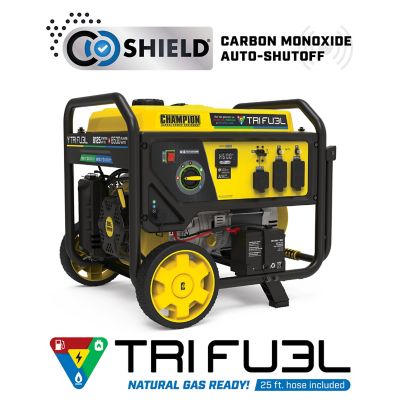
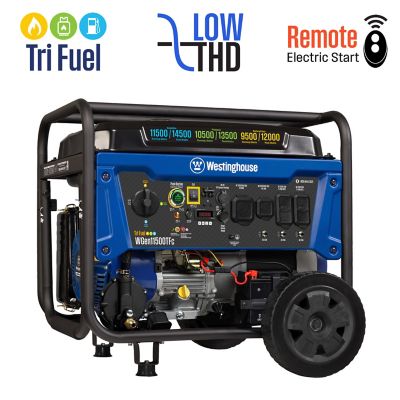
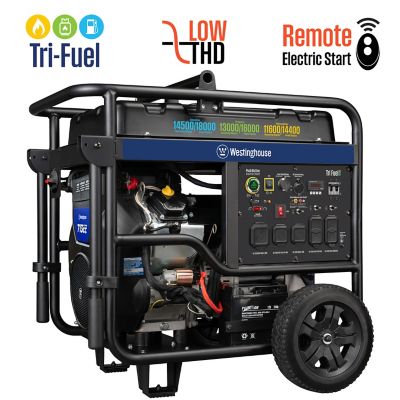
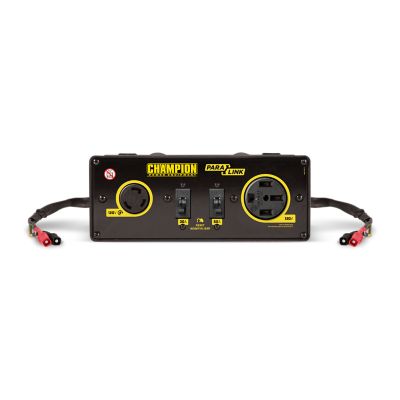
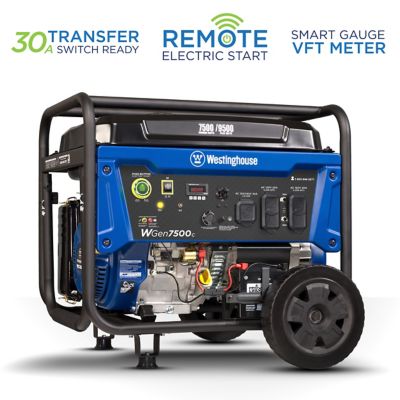
Generators in Tampa, Florida, can help keep a home, workshop, farm property, or small business running when a storm or utility interruption cuts off regular power. Tampa’s long warm season brings heavy rain, high winds, and tropical weather, while cooler months can still bring strong fronts and scattered outages. A generator gives you another source of electricity for important equipment such as a refrigerator, freezer, well pump, lights, internet equipment, medical devices, sump pumps, and heating or cooling systems. Start by deciding whether you need portable power for selected circuits or a standby system that starts on its own and can support much of the house. Portable generators are often chosen by homeowners, renters, campers, contractors, and property owners who want a flexible option that can be moved where power is needed. Many fall in the general range of $400 to $1,500, though fuel type, wattage, features, and included equipment can change the final price. Whole-home standby systems are installed beside the house and commonly run on natural gas or propane. They are often selected by homeowners who want automatic backup for central air conditioning, kitchen appliances, security systems, garage doors, and other key household loads. Installation, electrical work, fuel connections, permits, and site preparation can bring the total project into a much higher range, often around $5,000 to $23,000 depending on the home and the system size. Tampa-area shoppers may find local dealers, installers, service providers, and showrooms that can help with an in-home assessment, while online ordering and store pickup can make portable options easier to compare. Before choosing, make a list of the equipment you want to operate at the same time and check each item’s starting and running wattage. Motors in air conditioners, well pumps, refrigerators, and power tools may draw extra electricity when they start, so the generator must have enough capacity for those brief surges. If your plans include central air, a larger standby system may be needed than one intended for lights and a refrigerator alone. Fuel access matters, too: gasoline may suit occasional portable use, while propane or natural gas can be more practical for longer interruptions, depending on what is available at your property. Keep fuel stored only as directed, and never run a generator in a home, garage, shed, carport, or other enclosed area.
A generator can be especially useful for Tampa households that depend on air conditioning, residents with refrigerated medicines, acreage owners using well pumps or electric gates, and small businesses that need lights, registers, freezers, or communications equipment during an outage. It can also serve contractors working at a jobsite, maintenance crews handling repairs, and families heading to a campground or hunting property where utility power is limited. For outdoor celebrations, food stands, neighborhood gatherings, and community events, look for guidance and product selections on
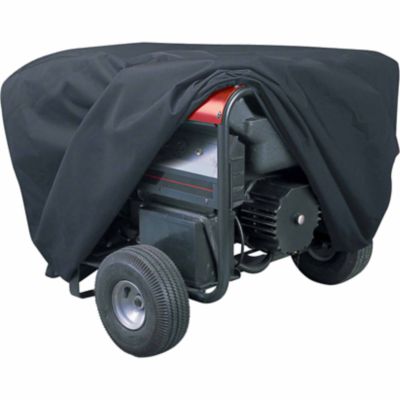
Generators For Outdoor Events And Gatherings. When comparing options, pay attention to outlet types, cord length, transfer-switch compatibility, noise ratings, wheel kits, electric-start features, fuel run time, and the size and weight of the unit. A transfer switch is important for connecting a portable generator to selected household circuits; plugging a generator into a wall outlet can send electricity back through the wiring and put utility workers at risk. Standby installations also need proper placement away from windows, doors, vents, and other openings, along with an approved connection to the home’s electrical and fuel systems. Local rules in Tampa and surrounding communities may require permits and inspections, so speak with a licensed electrician or installer before beginning the work. Carbon monoxide protection is essential: place portable equipment outdoors on a dry, level surface with plenty of open space, keep exhaust pointed away from the house, and use a battery-powered carbon monoxide alarm inside. During an outage, let the generator cool before refueling, keep children and pets away from hot surfaces and moving parts, and use heavy-duty outdoor-rated extension cords when the setup calls for them. Routine care helps the unit stay ready through the cooler months and into the next storm season. Follow the owner’s maintenance schedule, inspect cords and connections, run the system as directed, and keep filters, oil, spark plugs, and other service parts on hand when appropriate. For a portable unit, a weather-resistant cover can shield it while it is stored, but the generator should never operate under a cover or in a confined space. A thoughtful purchase gives Tampa families a practical backup plan, whether the goal is keeping a freezer cold during a short outage, running a well pump at a rural property, or supporting essential home systems through a longer storm-related interruption.