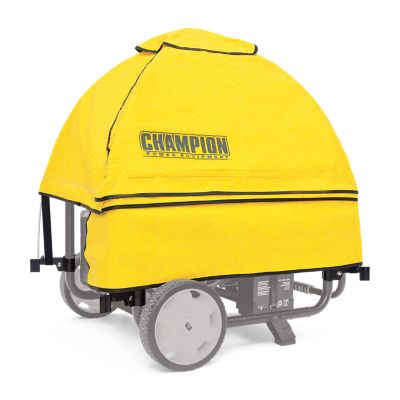
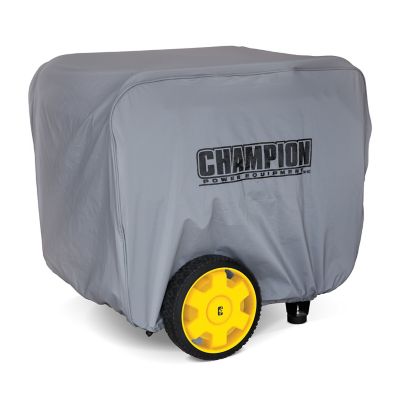
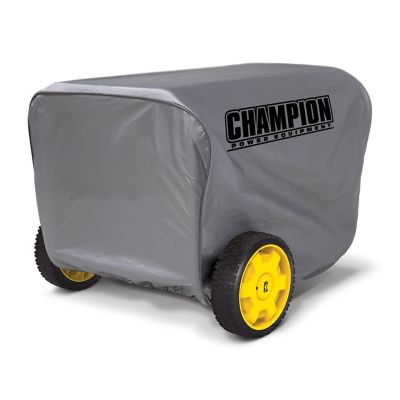
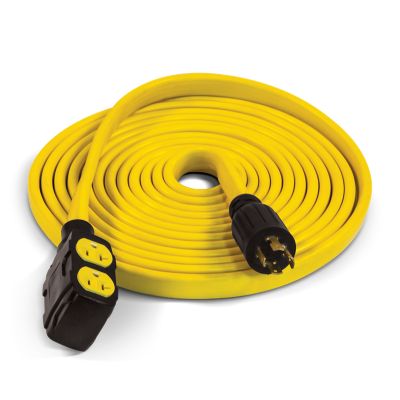
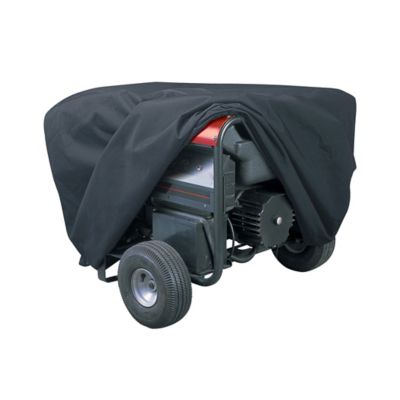
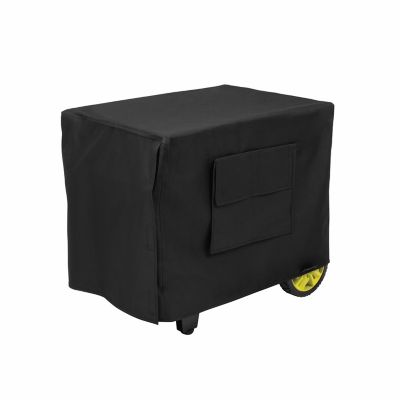
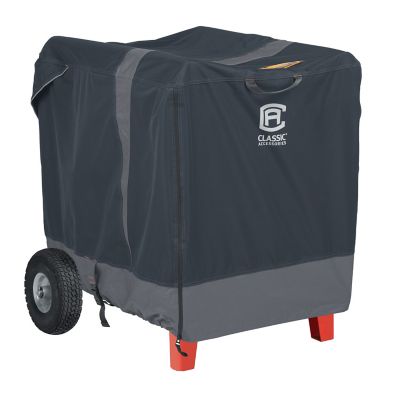
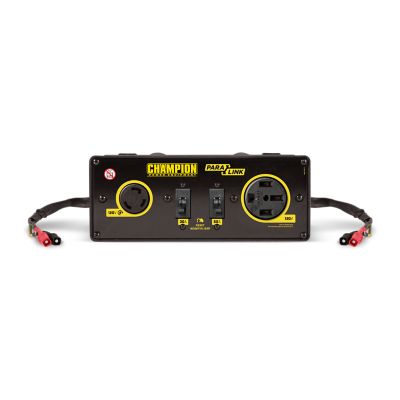
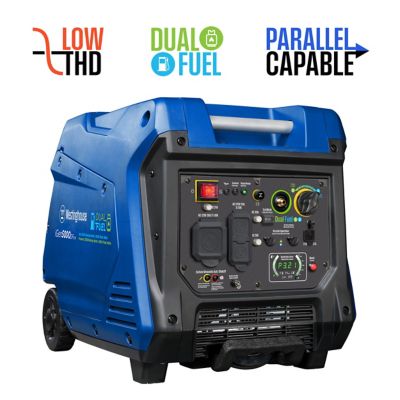
Generator accessories help make portable power easier to connect, move, store, and keep ready for the next job. Common accessory categories include fitted covers, parallel cables, charging cords, and transport kits, with each serving a different purpose around the farm, at a campsite, or on a worksite. A cover helps keep dust and dirt off a stored machine, while a wheel-and-handle setup can take some of the strain out of moving it between the shed and a nearby work area. Compatible parallel connections allow certain inverter generators to work together, and charging connections support only the battery types and charging functions specified by the generator manufacturer. These accessories are not interchangeable across every generator, even when the machines look much alike. The model number, connection style, frame design, and manufacturer’s compatibility information matter more than appearance alone. Some accessories also depend on a particular serial-number range or equipment configuration. For someone running tools along a fence line, the right electrical connection matters just as much as having enough generating capacity. For a camper, keeping cords organized and making the generator easier to transport may be the bigger concern. Around a small acreage, storage protection and straightforward upkeep can help keep equipment ready between jobs. Parallel accessories deserve particular attention because compatible generators, matching connections, and the correct operating procedures all have to line up. A parallel setup does not automatically make every appliance suitable for portable power, and the connected load still has to stay within the system’s stated limits. Starting demand from motor-driven equipment can be higher than its running demand, so both figures belong in any compatibility check. The most useful accessories fit the generator already on hand and support the work it actually needs to do, whether that means powering a saw outside the shop or supplying permitted campsite loads away from a utility hookup.
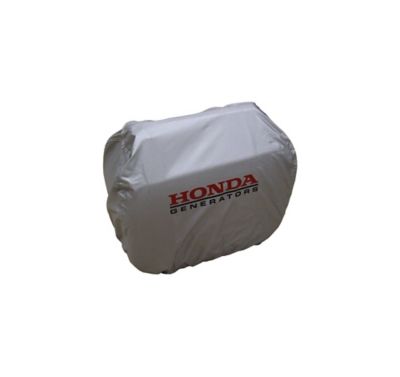
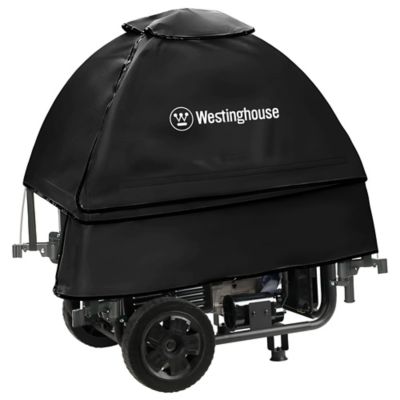
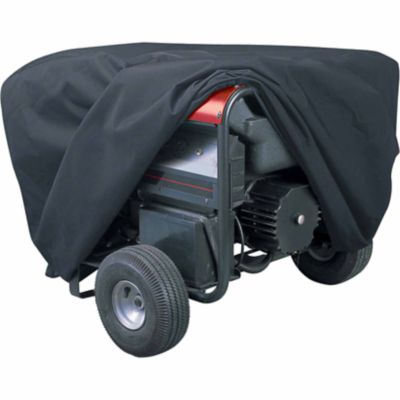
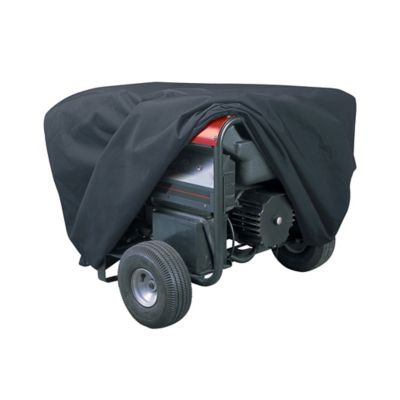
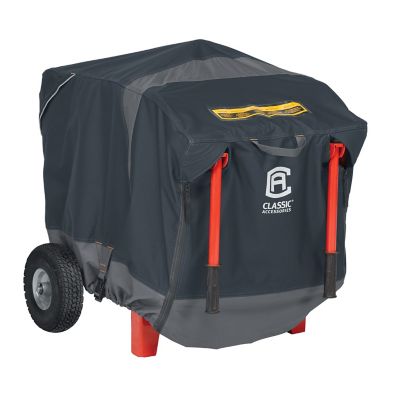
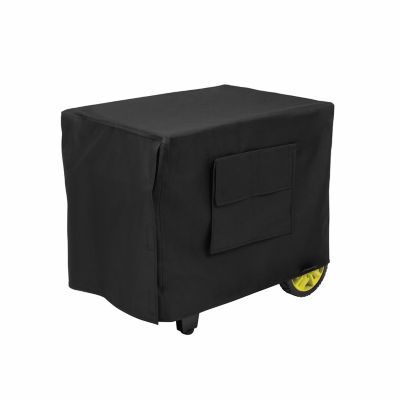
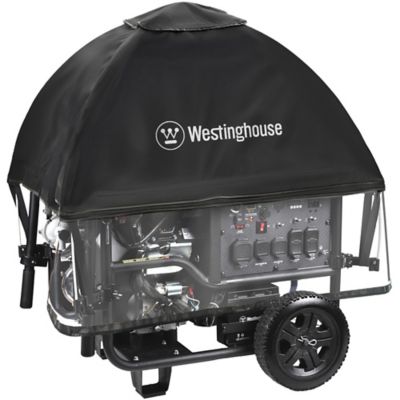
Fit and construction make a noticeable difference in accessories that handle storage and transport. A storage cover should match the generator’s overall dimensions and account for protruding handles, wheels, and other attachments. Too much loose fabric can drag or snag, while an overly tight fit can put strain on seams and closures. Depending on the design, woven synthetic fabric, reinforced stitching, and a secure lower edge can help a cover stand up to routine handling. A cover that slips on without a wrestling match is more likely to become part of the regular put-away routine. Storage covers generally belong on a shut-down generator after it has cooled, not over a running engine or its exhaust. They should not be treated as operating enclosures unless the manufacturer expressly approves that purpose. Keeping the machine clean and dry before covering it also helps prevent trapped grime and moisture from lingering against its surfaces. Transport accessories call for a different kind of fit check. Mounting points, axle dimensions, hardware, and clearance around the frame all affect whether a wheel kit or handle assembly belongs on a particular machine. Wheel size and tread can influence how easily a generator rolls across a firm gravel lane, a concrete shop floor, or uneven ground near an outbuilding. No wheel setup eliminates the need to consider weight, balance, and safe lifting. A handle should provide a comfortable grip without interfering with controls or service access, and attachment hardware needs to stay secure through repeated movement. Transport kits also do not turn a generator into a trailer. Their purpose is limited to the movement described by the manufacturer. For someone loading equipment into a pickup or moving it between storage and an outdoor work area, practical details such as lifting access, tie-down clearance, and folded-handle position can matter more than a small difference in overall size.
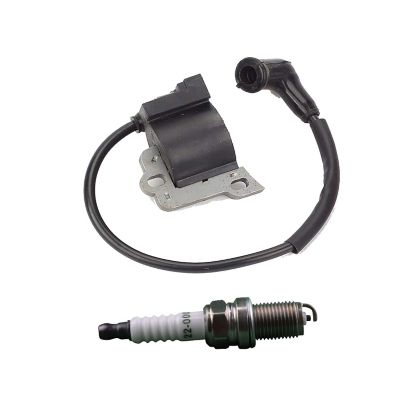
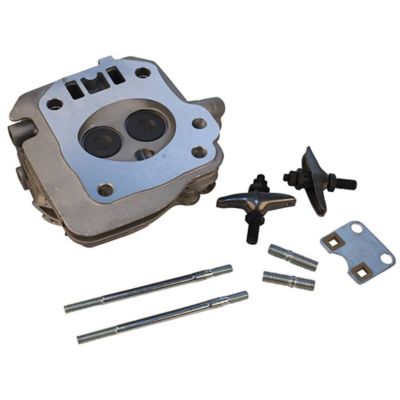
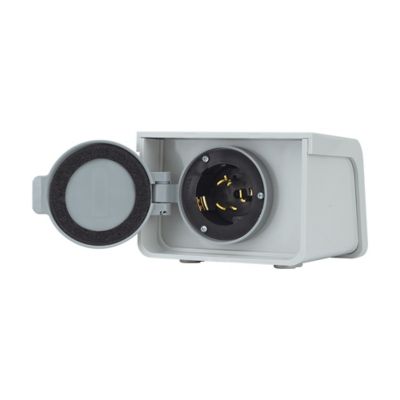
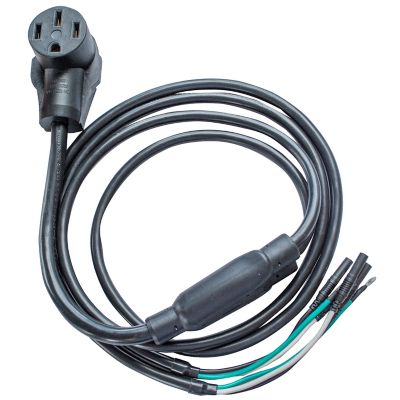
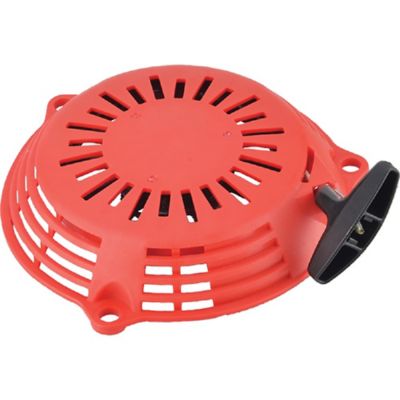
Electrical accessories and maintenance supplies round out a generator setup, but their value depends on matching the equipment and the task. Extension cords need the appropriate plug configuration, current rating, wire gauge, and length for the load, along with a rating suited to the intended location. A long cord run can create more voltage drop than a shorter one, making conductor size especially important when equipment sits well away from the power source. Intact insulation, sound strain relief, and clean, undamaged connectors help protect the connection through ordinary handling. Cords routed clear of vehicle traffic, sharp edges, and pinch points are easier to manage around a busy work area. Charging leads require the same attention to compatibility: a connector that happens to fit is not proof that a generator can charge a particular battery safely. The generator’s instructions and the battery’s requirements determine whether that connection is appropriate or whether a separate charger is necessary. Routine service parts likewise need to match the engine and its specifications rather than simply resemble the part being replaced. Access to filters, spark plugs, service tools, and the correct maintenance materials can make scheduled care less of a chore for property owners and folks who depend on portable power for work. The broader range of
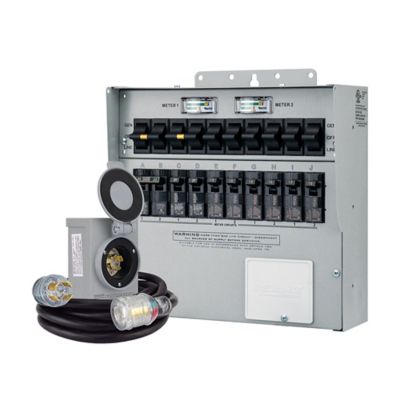
Generator Parts and Accessories provides a useful place to compare these different accessory types by purpose and fit. Whatever the setup, portable generators belong outdoors, at least 20 feet from homes and other occupied buildings, with exhaust directed away from doors, windows, and vents. An open garage door does not make indoor operation safe. Supplying household circuits requires an appropriate connection and transfer equipment installed by a qualified electrician, never a cord plugged into a household receptacle to feed power backward. With those limits understood, well-matched accessories help keep portable power manageable, from a neatly stored cord to a properly fitted handle ready for the next trip out to the job.