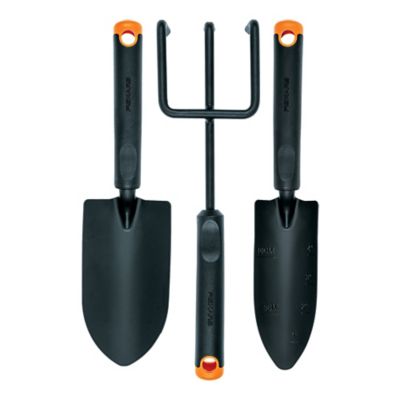
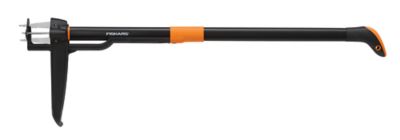
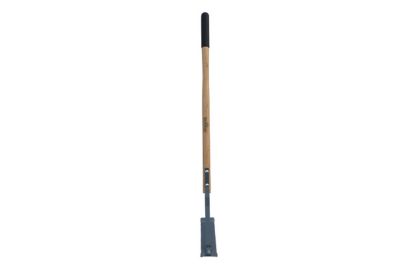
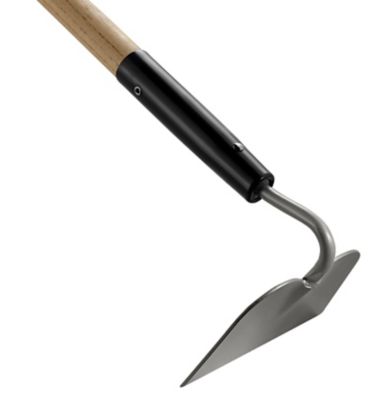
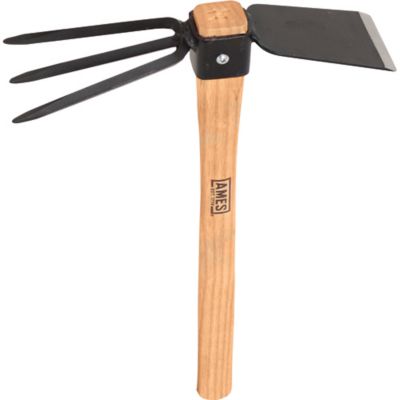
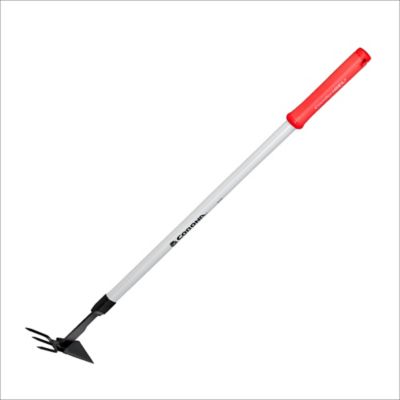
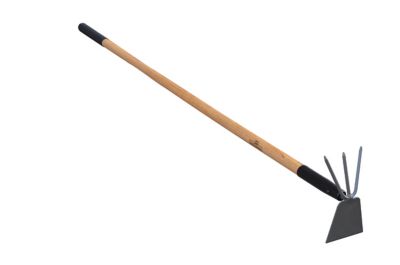
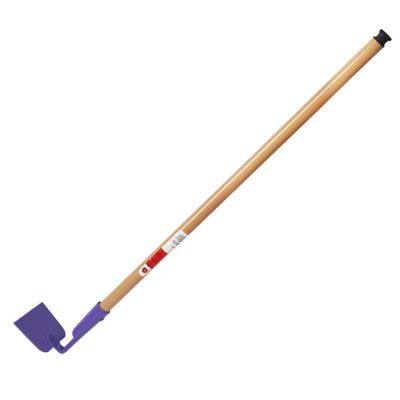
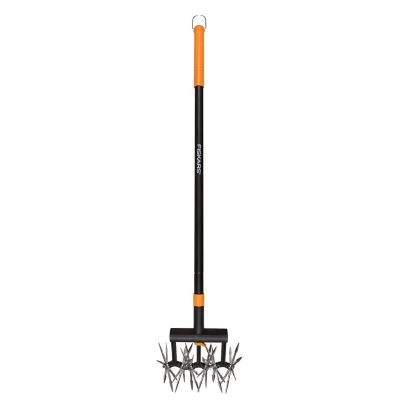
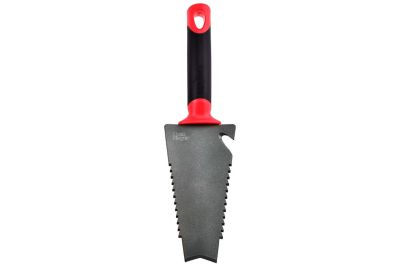
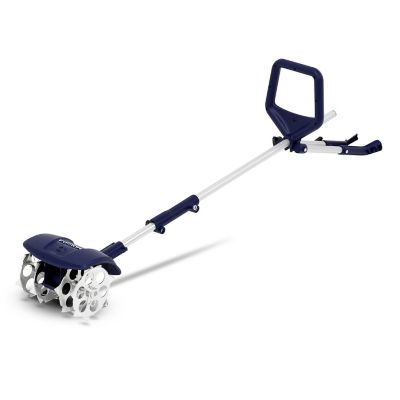
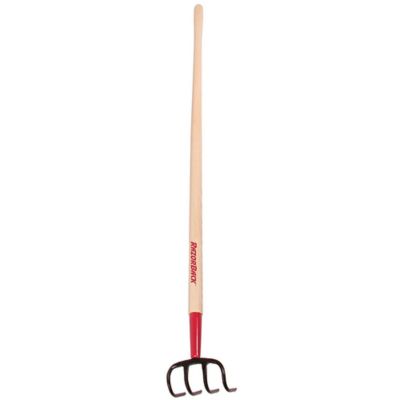
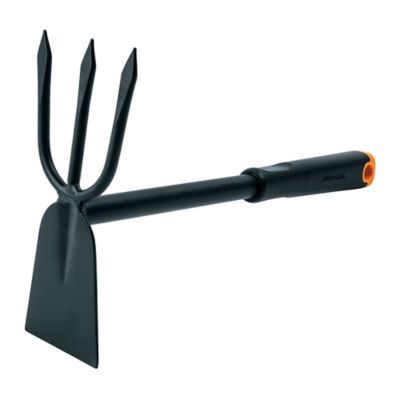
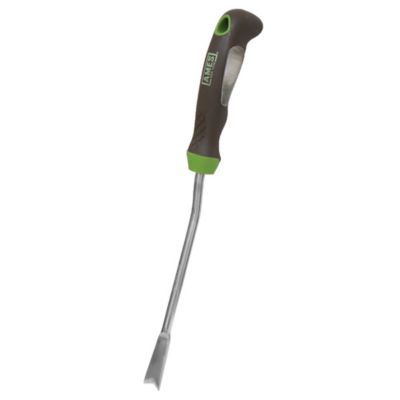
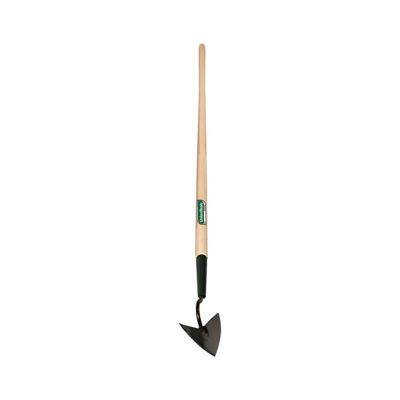
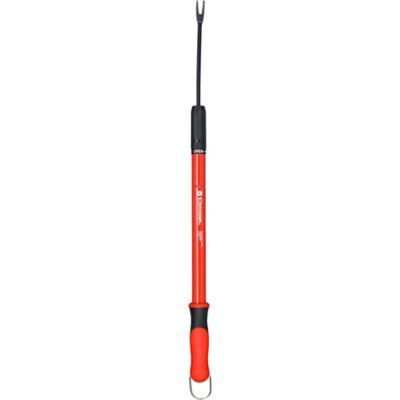
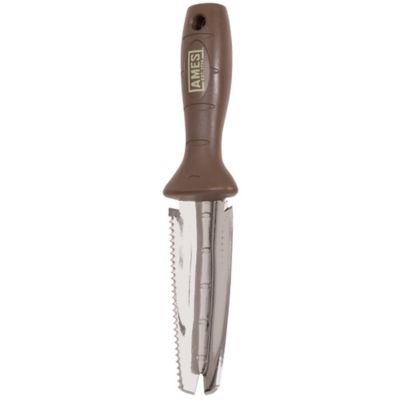
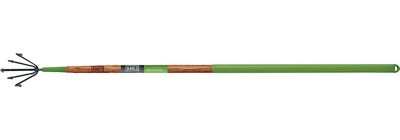
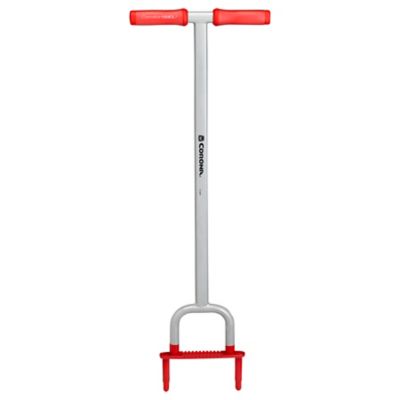
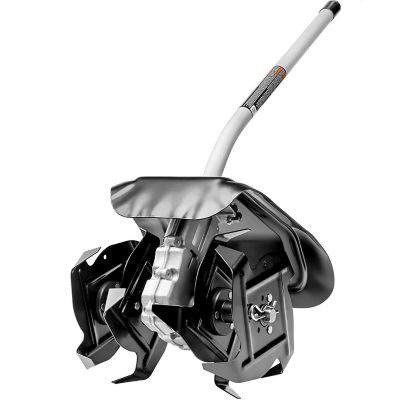
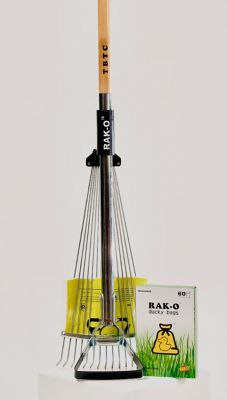
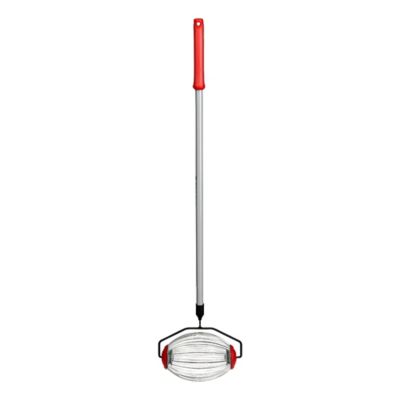
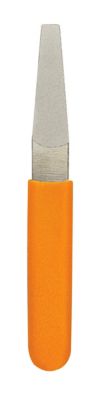
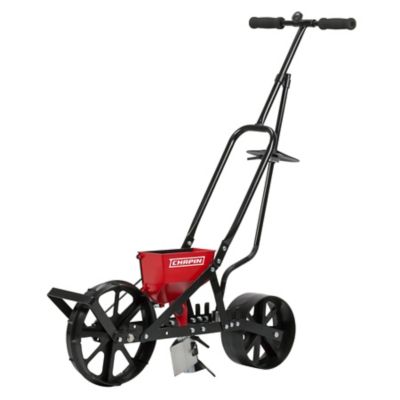
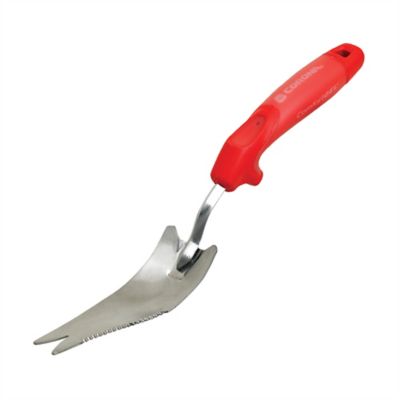
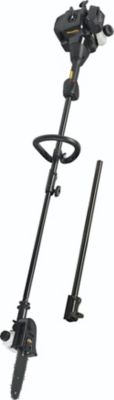
Garden tools for weeding help clear unwanted growth from vegetable rows, flower beds, raised beds and the tight spaces along garden paths. The best fit depends on the weed’s root system, the room around nearby plants and whether the work calls for standing, bending or kneeling. Long-handled weeders with gripping claws are suited to individual taproot weeds, such as dandelions, where getting below the crown matters more than clearing a wide patch. Their reach can reduce bending, though the size of the head and the space needed to operate it matter around closely planted flowers or vegetables. Forked hand weeders offer a closer approach, slipping beside a root so it can be loosened with less disturbance to neighboring plants. Garden hoes cover more ground between rows, cutting small weeds near the soil surface before roots become deeply established. Stirrup hoes, also called action hoes, have a loop-shaped blade that cuts on a push-and-pull motion, making them a practical match for open areas with loose soil and young weeds. Narrow hoe heads work in smaller gaps, while broader heads cover wider stretches with fewer passes. Soil knives provide another option for digging around stubborn roots where a slim blade fits better than a wider tool. Crevice weeders are shaped for narrow joints along paving and edging, where ordinary garden heads may not reach. For gardeners dealing with spreading weeds, the distinction between cutting tops and lifting roots is worth keeping in mind: some plants can grow back from root or stem pieces left behind. A bed full of tiny seedlings calls for a different approach than one established weed tucked beside a tomato plant. Having tools matched to those jobs makes more sense than expecting one head shape to handle every corner of the garden. From a small kitchen garden behind the house to a longer row beside the barn, the right reach and working width help keep attention on the weeds rather than on wrestling the tool into place.
Materials and construction affect how garden weeding tools feel in the hand and how they hold up to repeated soil contact. Stainless steel heads resist rust, while carbon steel heads can take a keen working edge with appropriate care. Neither material makes a tool maintenance-free, and blade thickness, shape and attachment deserve as much attention as the metal itself. A narrow tip needs enough strength for loosening roots without becoming so thick that it struggles to enter the soil. A hoe blade needs a firm connection to its handle so the head does not wobble through a row. Depending on the design, a long tang, solid socket or secure fasteners can help keep that connection steady. Hardwood handles offer a familiar feel and may suit gardeners who like the balance of a traditional long-handled tool. Fiberglass handles provide another option, while aluminum handles can help keep overall weight down. Handle material alone does not tell the whole story; the balance between the head and grip often matters more over a long stretch of weeding. A heavy head may help a hoe enter firm soil, but it can also take more effort to lift and steer. Grip size matters, too. A handle that feels comfortable with bare hands may feel different with work gloves, and a cushioned grip should still allow firm control when soil gets on it. Long handles should offer enough reach for an upright stance without forcing the gardener to lift the shoulders or stretch too far ahead. Short-handled tools give close control in raised beds and tight planting pockets, though bed height and working position affect comfort. Stand-up weeders may include a foot platform or a weed-release mechanism; those features change how the tool operates and how much clearance it needs. Roots mixed with stones, heavily packed soil and narrow spaces between established plants all place different demands on a tool, making intended use an important part of the choice.
Care is straightforward for most garden weeders, but a little attention helps preserve their working edges and moving parts. Soil left packed around a socket, hinge or claw can hide wear and interfere with movement. Removing that buildup and letting tools dry before storage helps limit rust and keeps handles easier to inspect. Carbon steel may benefit from a light protective coating applied according to the maker’s care directions, while wood handles may need occasional treatment suited to their finish. Cutting edges also need care appropriate to the design: a sharpenable hoe blade is different from a serrated soil knife or a claw built to grip rather than slice. Loose fasteners, splintered handles and bent heads are worth addressing before another round of work. Hanging long-handled tools or keeping them in a rack protects edges from being knocked against one another and leaves less clutter underfoot in the shed. Hand weeders are easier to keep track of in a tool tote than tucked into loose soil beside a bed. That matters when the job involves moving from a patch of onions to a flower border and then out to the fence line. Gardeners tending beds of blooms can pair weeders with
Flower Garden Tools for the digging, planting and soil work that goes along with keeping those spaces tidy. For someone starting a garden, a manageable hand weeder and a hoe suited to the row spacing can cover different kinds of work without adding tools that serve the same purpose. For an experienced gardener, a weeding tool can also make a thoughtful gift when its grip, reach and head shape match the recipient’s habits. Some folks prefer close work on a kneeling pad; others want to stay on their feet and move steadily down a row. Tools that fit those preferences are more likely to earn a regular place by the garden gate, ready for the next patch that needs attention.