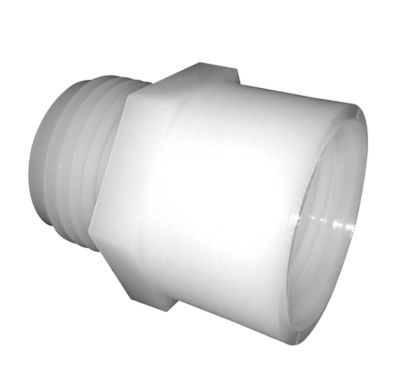
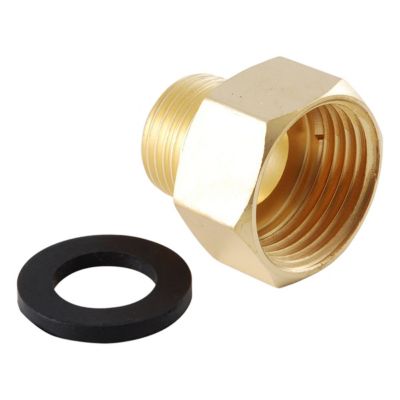
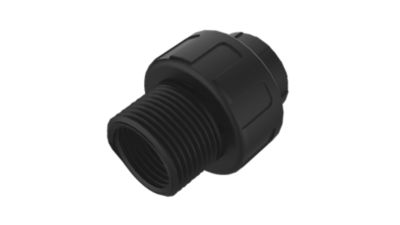
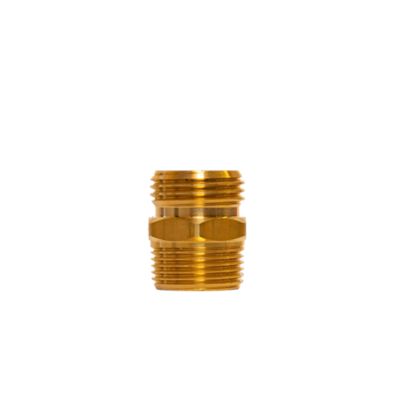
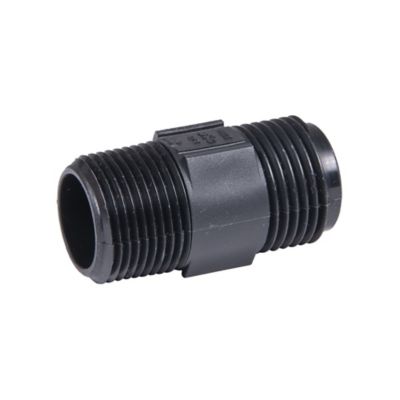
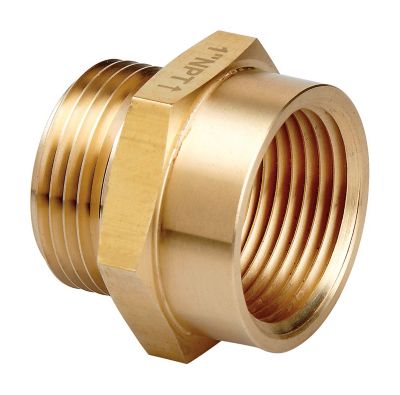
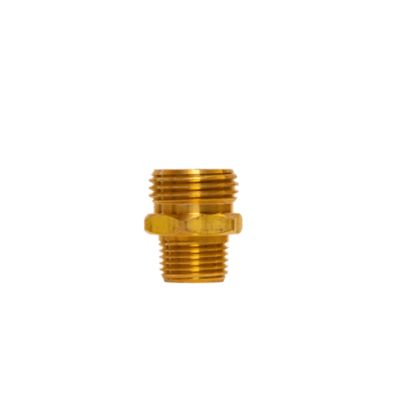
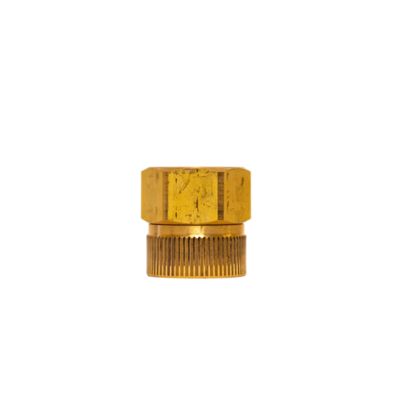
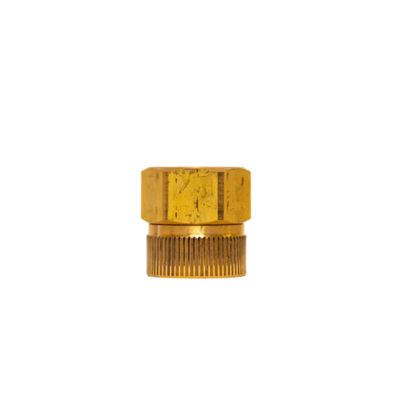
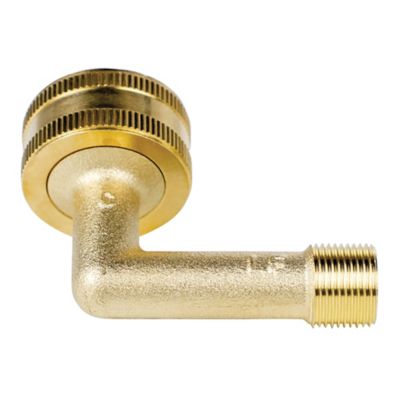
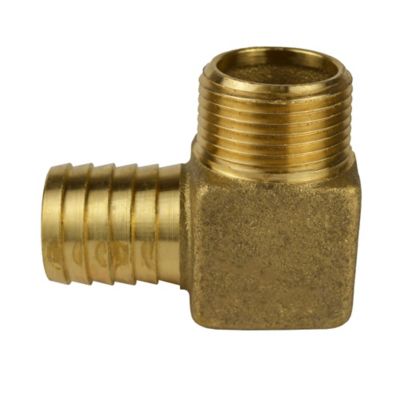
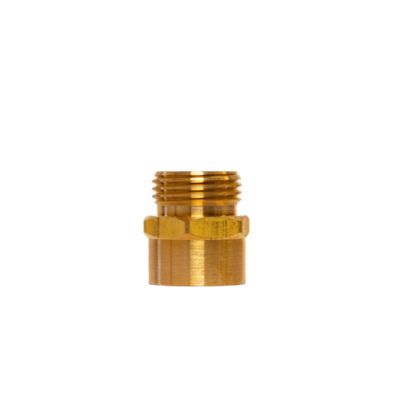
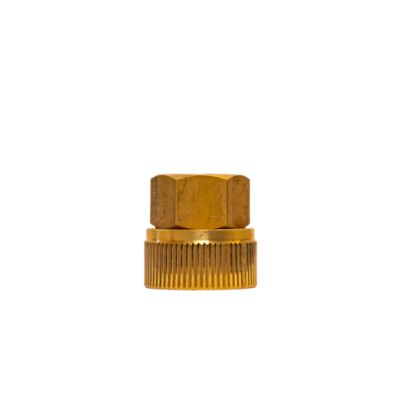
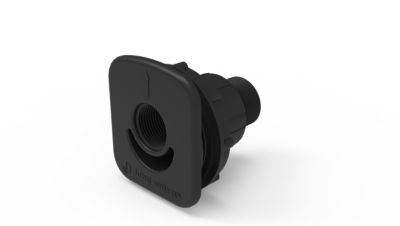
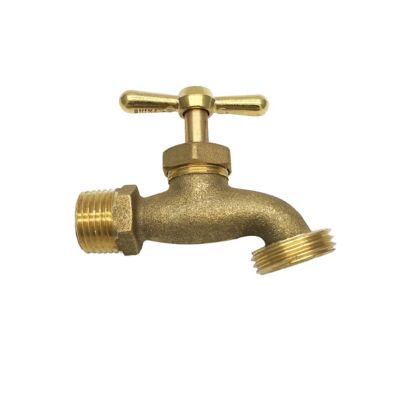
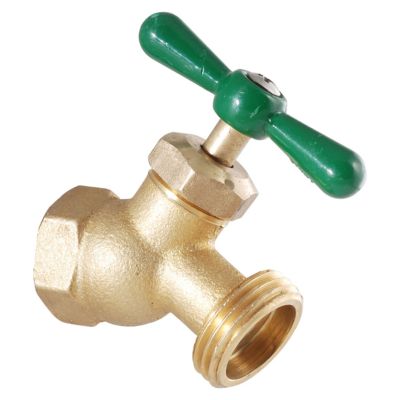
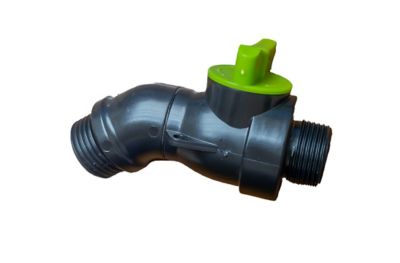
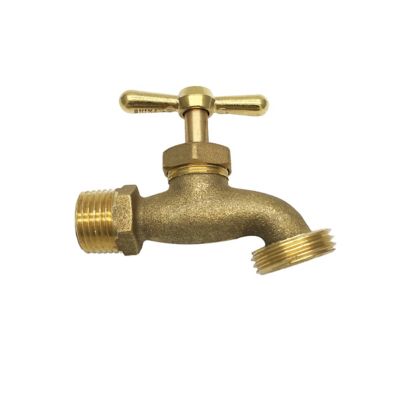
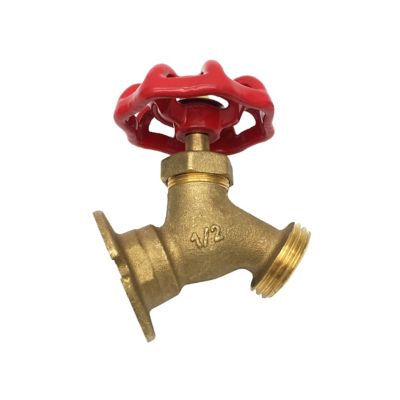
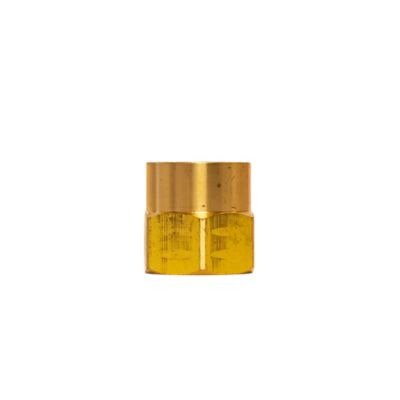
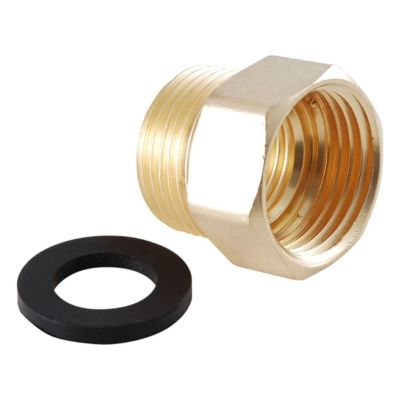
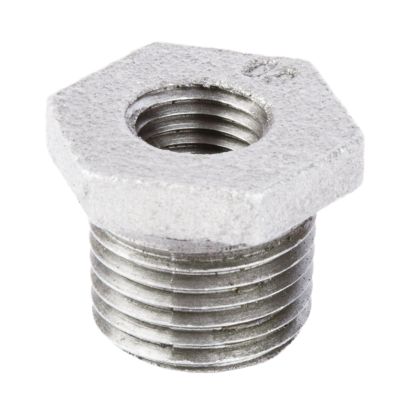
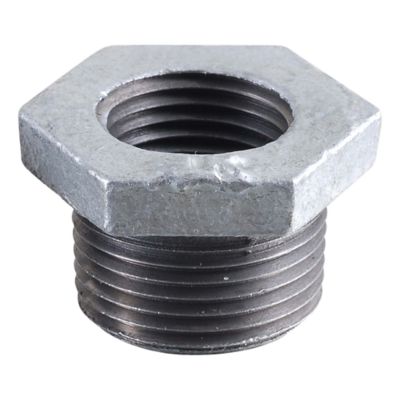
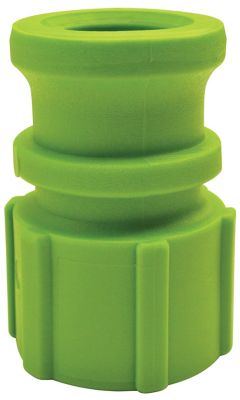
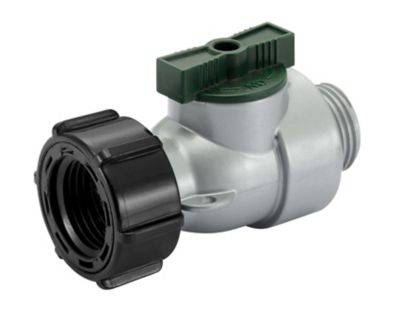
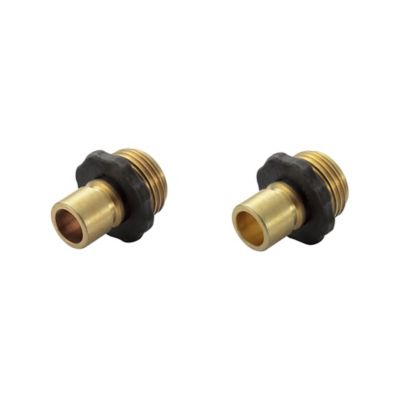
Garden hose to pipe fittings connect the flexible hose that reaches across the yard with the rigid piping that supplies water around a home, garden or small farm. That connection can matter at a watering station beside the barn, a garden irrigation inlet or a utility area where the plumbing and hose ends have different threads. The fitting may be small, but its job is more than joining two openings: both ends need to match their connections and seal the way those connections require. In the United States, a standard garden hose connection typically has nominal 3/4-inch garden hose threads, often marked GHT. Pipe connections may have National Pipe Taper threads, commonly marked NPT. Those thread styles are not interchangeable, even when the openings look close in size. Garden hose threads are straight and generally seal against a washer, while tapered pipe threads typically form their seal along the threads with a compatible thread sealant. A fitting that almost threads into place is not a proper match, and forcing it can damage both parts. Male ends have threads on the outside; female ends have threads on the inside. Depending on the existing plumbing and hose, the right adapter may have one of each or the same connection gender at both ends. Product descriptions that identify the size, thread standard and connection gender for each side help take the guesswork out of that match. Nominal pipe sizes are trade designations rather than a simple measurement across the opening, so checking the markings on the existing connection is more useful than judging by appearance alone. For folks maintaining a vegetable patch, tending livestock watering equipment or setting up a wash area, the goal is a connection that fits the actual plumbing without a stack of unnecessary adapters. Space matters, too: there needs to be enough room to turn the fitting, attach the hose and reach any nearby shutoff without fighting a wall, fence post or mounting bracket.
Material choice affects how garden hose to pipe fittings handle everyday work, repeated connections and contact with water. Brass is a common choice for threaded adapters because it machines well and stands up to frequent handling. Stainless steel can suit applications where corrosion resistance matters, though the particular grade and its compatibility with the rest of the system still count. Plastic fittings offer a lighter option, with performance that depends on the resin, construction and stated operating limits. No material is right for every setup. A fitting attached to a stationary irrigation inlet faces different demands from one at a busy wash station where the hose gets pulled around equipment and across a concrete floor. Pulling, bending and the leverage of a long hose can put stress on a connection, especially when several adapters extend from a pipe outlet. A supported hose route and a compact connection help keep that strain off the threads. Pressure ratings also deserve attention. The fitting, hose, seals and connected equipment all need ratings suitable for the supply, including any pressure changes associated with pumps or valves. The lowest-rated component limits the assembly; a metal fitting does not raise the working limits of the hose attached to it. Seal details matter just as much as the body material. A hose washer needs the right dimensions and a clean seating surface, while a pipe-thread sealant needs to suit both the fitting material and the application. Tape or paste on garden hose threads does not replace a missing washer. Excessive tightening can crush a washer, split a plastic connection or damage threads, so the manufacturer's installation directions matter more than an extra-hard pull on the wrench. For any connection serving drinking water, the fitting and every other component in contact with that water need the appropriate approval. A general-purpose watering connection should never be assumed suitable for drinking water simply because it fits.
The best fit also depends on how the connection will work through an ordinary day of chores. At a garden bed, a hose-to-pipe adapter may connect a supply hose to an irrigation assembly, where the inlet size, pressure requirements and any filtration or pressure regulation belong in the same buying decision. Beside a barn or workshop, clearance for a hose coupling can be just as important as thread size, particularly when a valve handle or wall limits access. A straight adapter keeps the route simple when the hose can run freely, while a change in connection direction may help where space is tight. Any added fitting also adds another joint to inspect, so a straightforward arrangement is often easier to manage than a long chain of reducers and adapters. Connection size alone does not tell the whole story about water flow: a narrow internal passage can restrict delivery even when the threaded ends match the surrounding equipment. That matters when filling a trough, supplying irrigation or rinsing equipment, where a reduced flow can stretch out the job. For related connection needs,
Hose Fittings covers the broader category of connections that help link a watering setup together. Care is mostly about keeping sealing surfaces clean, protecting exposed threads and catching wear before it becomes a steady drip. Grit carried in from the yard can interfere with a washer or damage threads during assembly, while a flattened or cracked seal may need replacement even when the fitting body remains sound. Cross-threaded ends, cracks and substantial corrosion call for closer attention rather than more tightening. Where a hose could contact a trough, chemical container or another contamination source, suitable backflow protection helps protect the water supply; requirements depend on the application and local plumbing rules. With the thread match, material, operating limits and layout settled, these small connections help make watering and cleanup less of a wrestling match and more of a routine chore.